

Technology Innovation Supports Long-Term Development
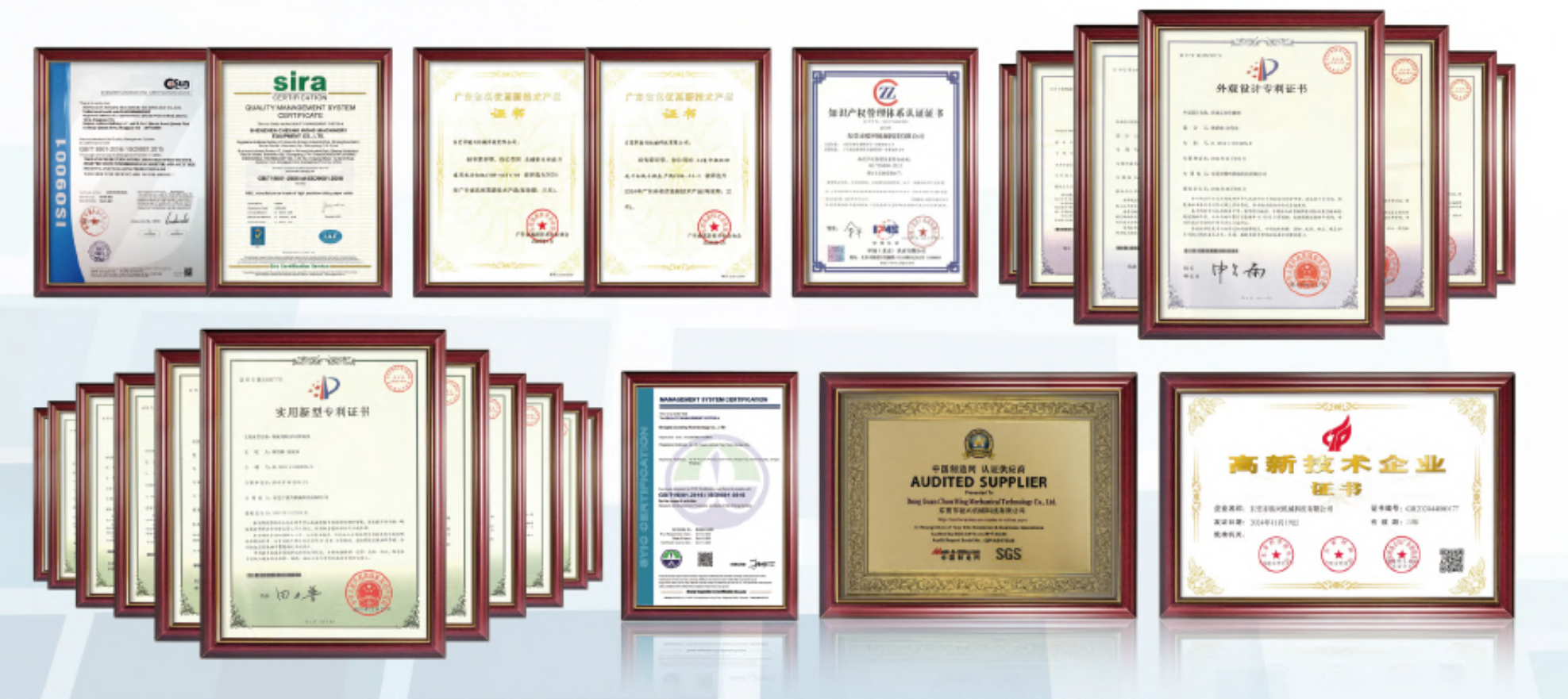
In the paper converting equipment industry, continuous technology development is essential for maintaining production efficiency and market competitiveness.
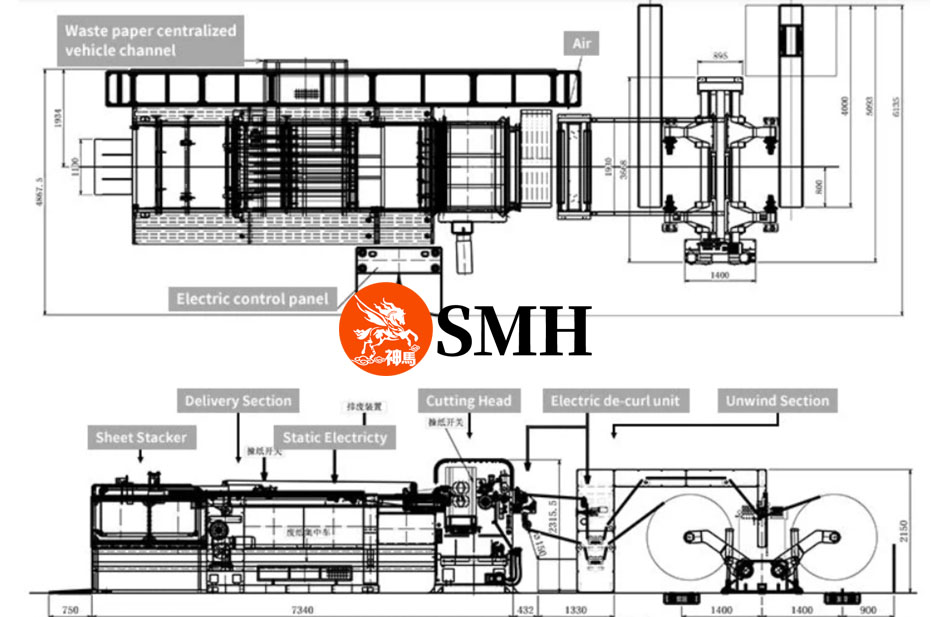
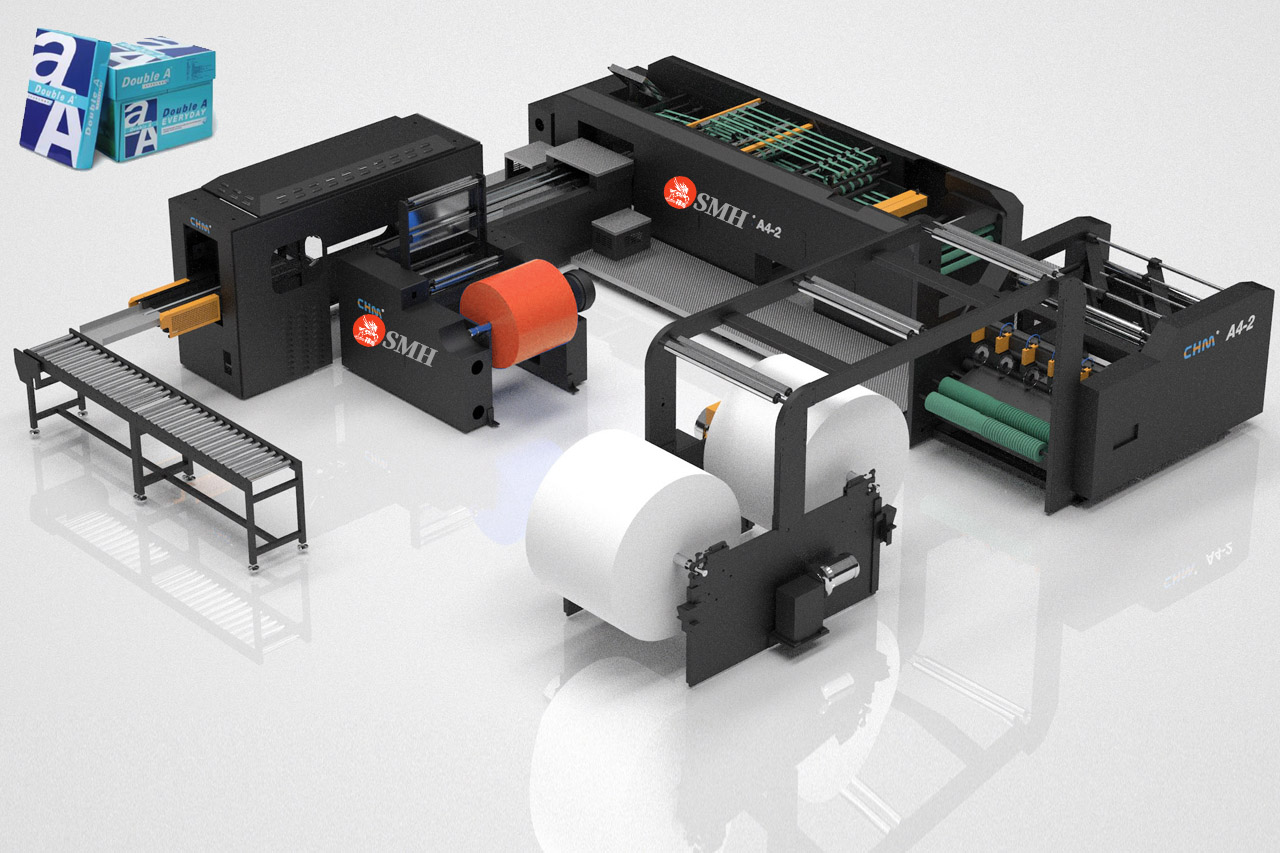
Over the years, SMH has continued investing in engineering research, automation systems, and equipment optimization. Today, the company has accumulated more than 110 patents related to paper sheeting, slitting, packaging, and automatic control technologies.
Continuous Investment in Automation Technology
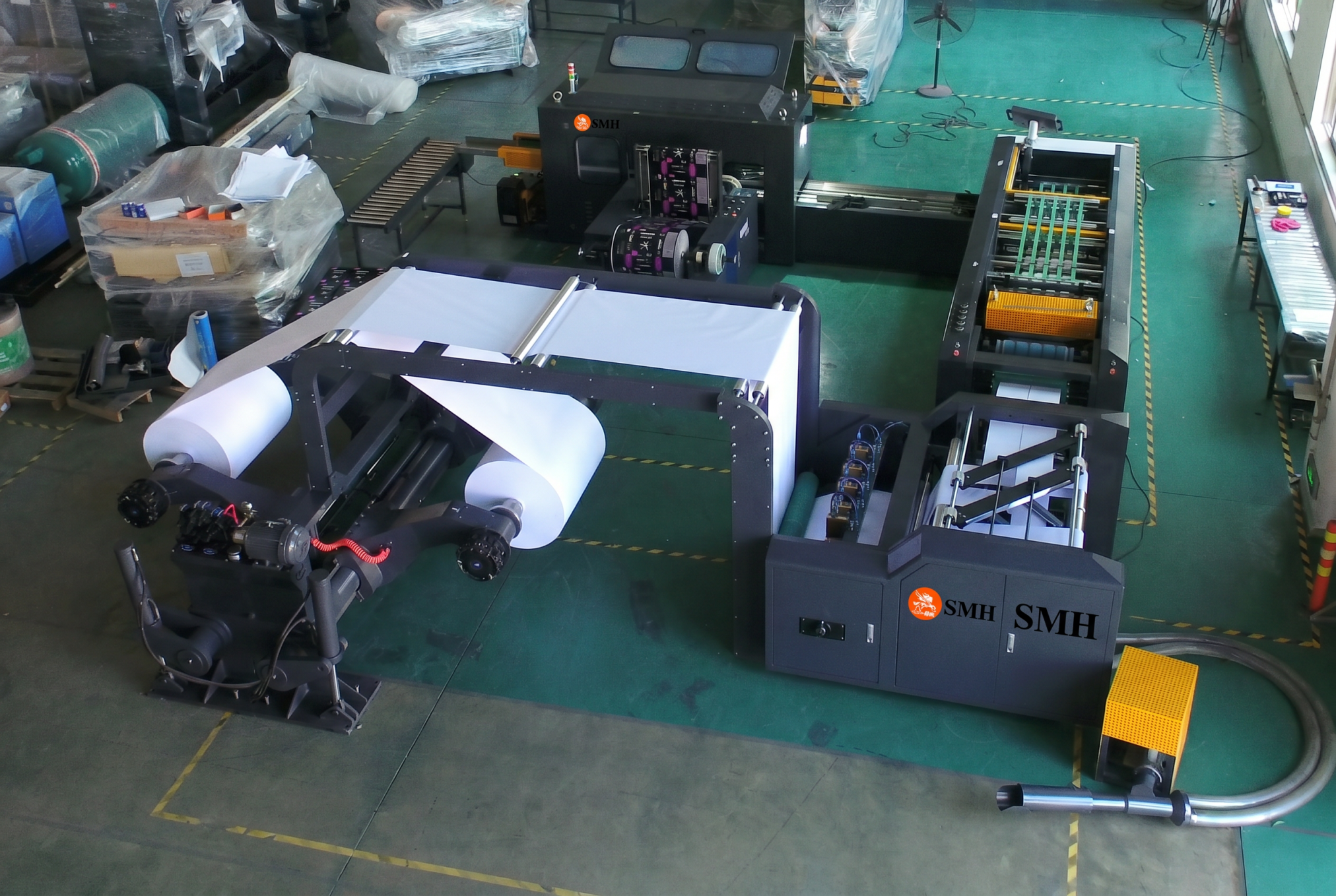
Modern paper converting equipment requires more than high-speed operation. Factories also demand:
- Higher precision
- Lower labor costs
- Intelligent automation
- Stable long-term operation
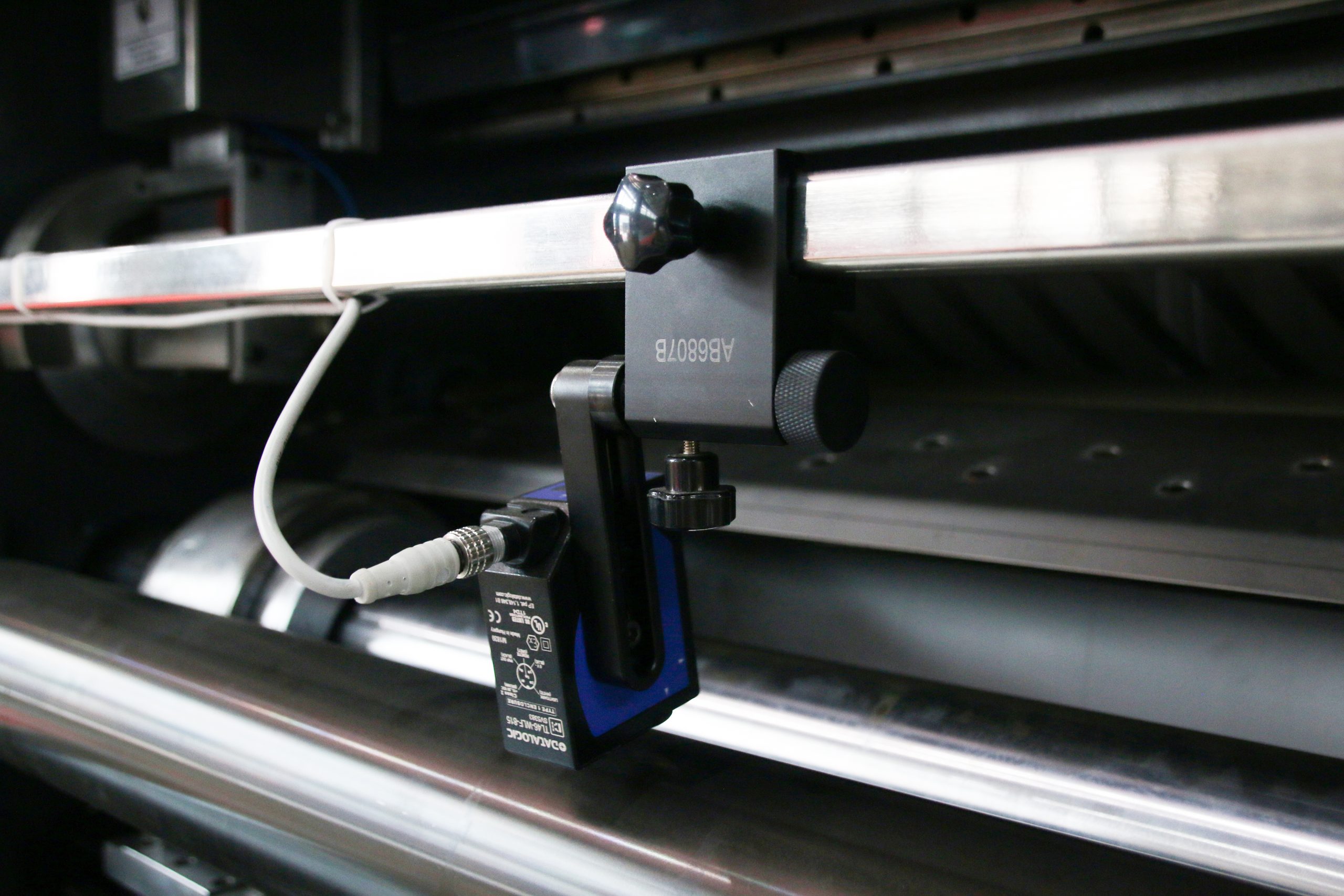
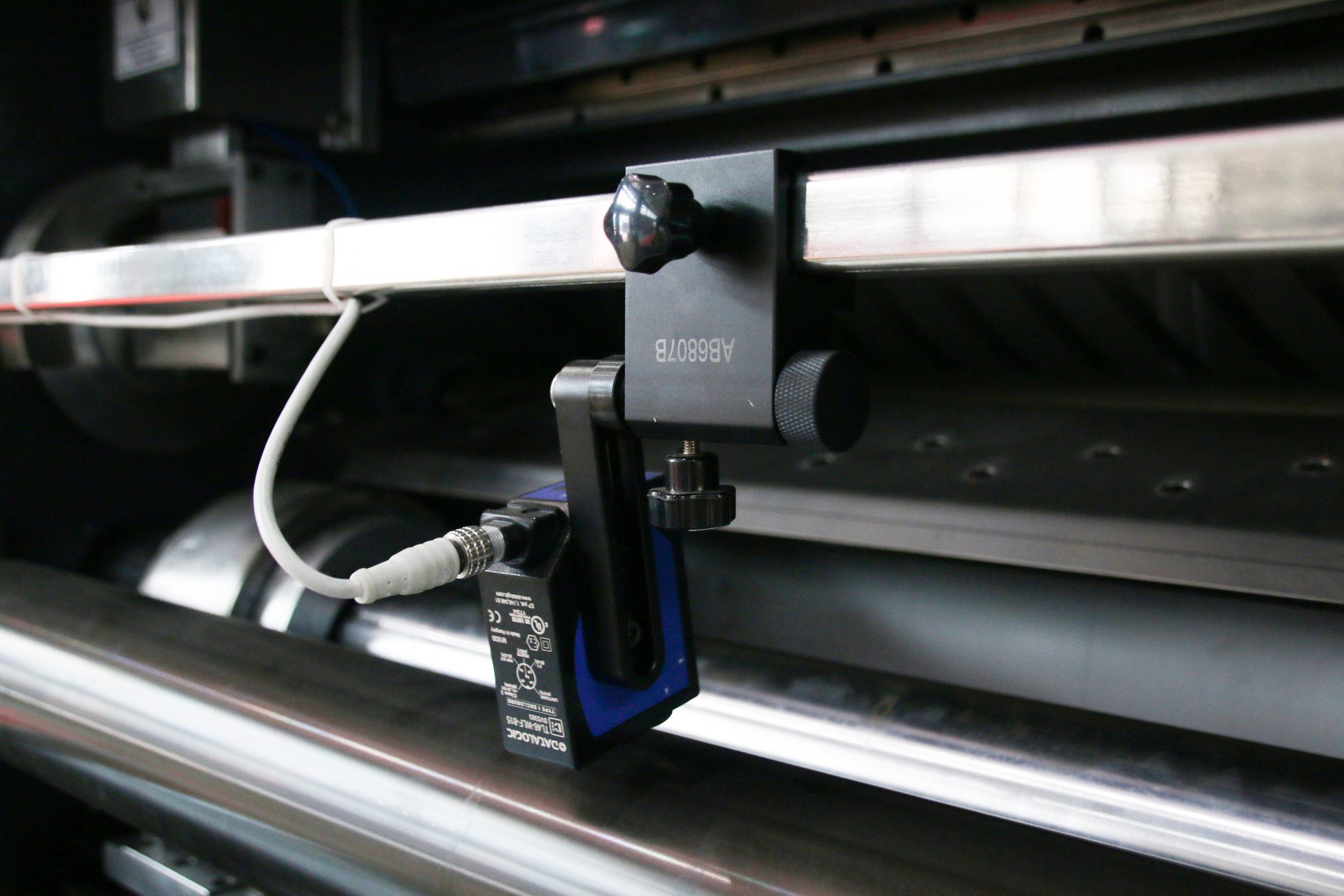
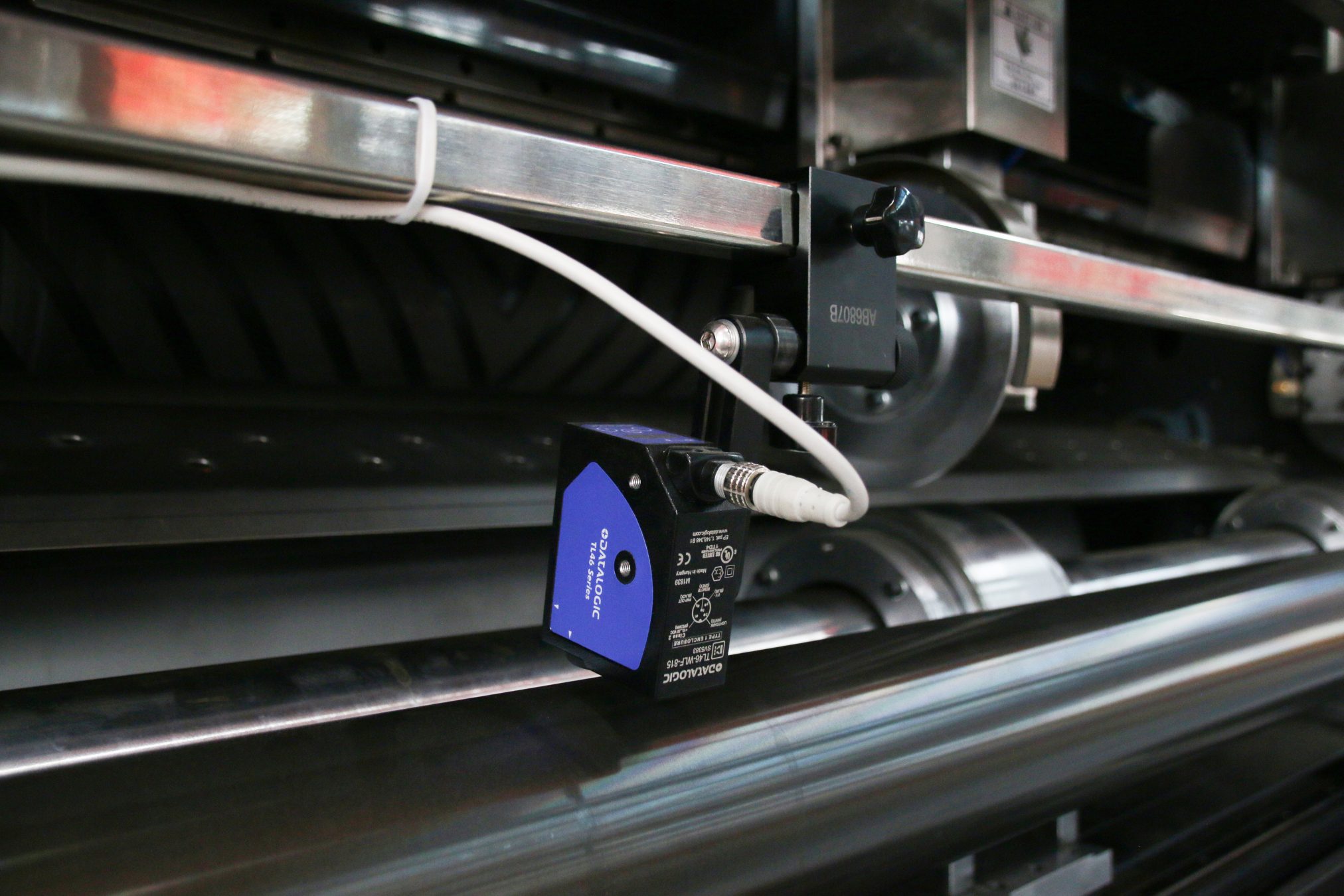
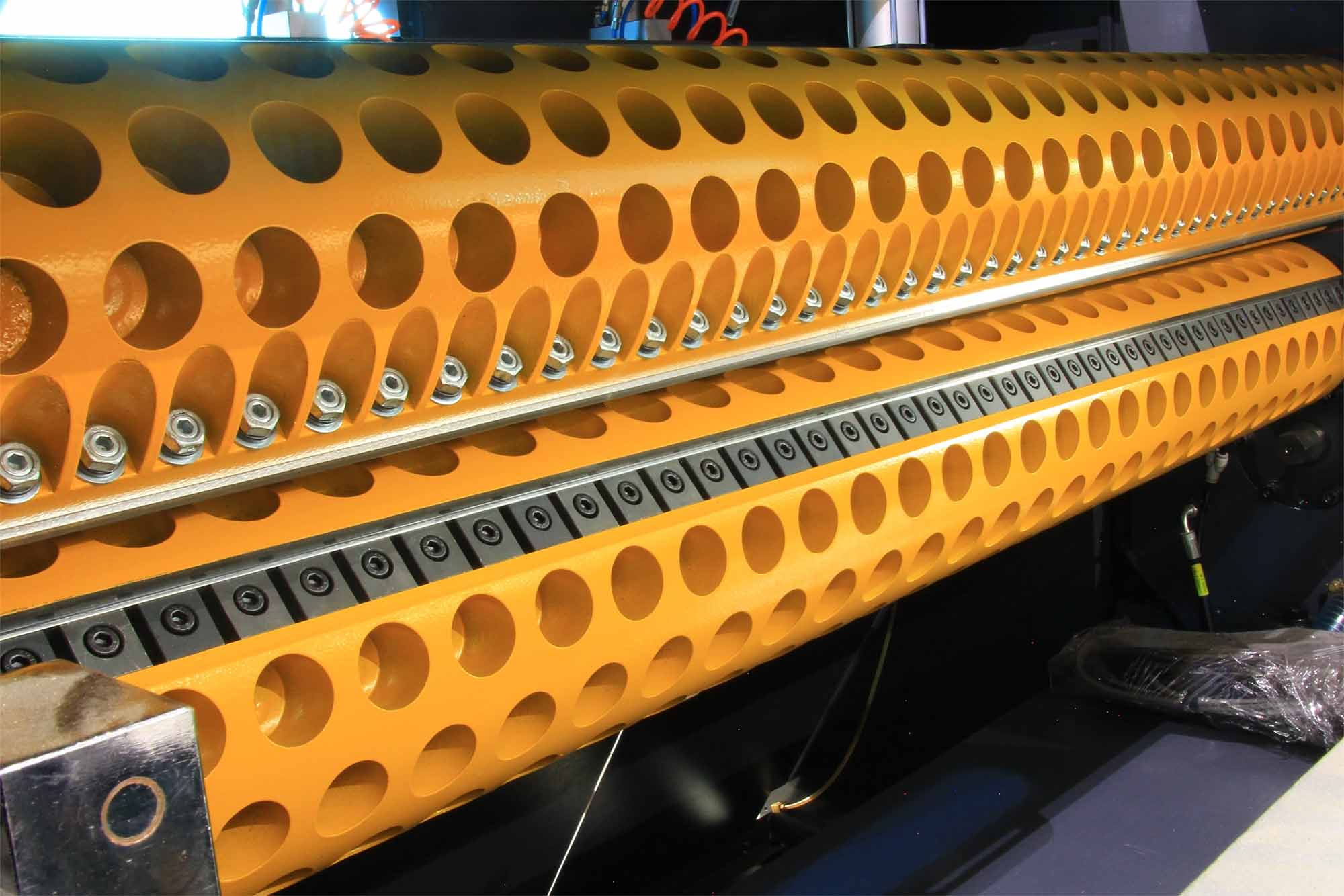
SMH engineering teams continue improving servo synchronization systems, automatic tension control, intelligent inspection systems, and high-speed production technologies.
Improving Production Stability Through R&D
Many product upgrades focus on solving real production challenges faced by customers.
SMH continues optimizing:
- Cutting precision
- Web tension stability
- Rewinding quality
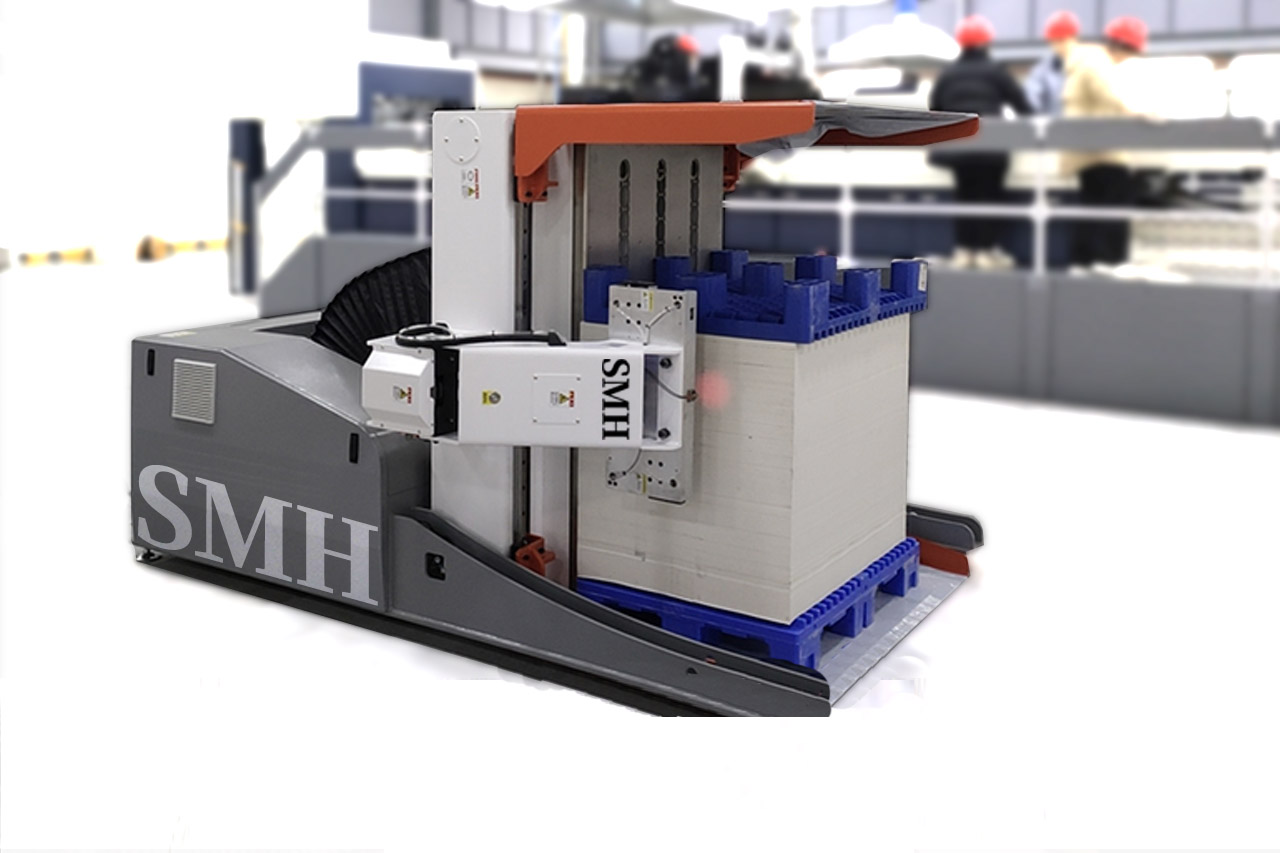
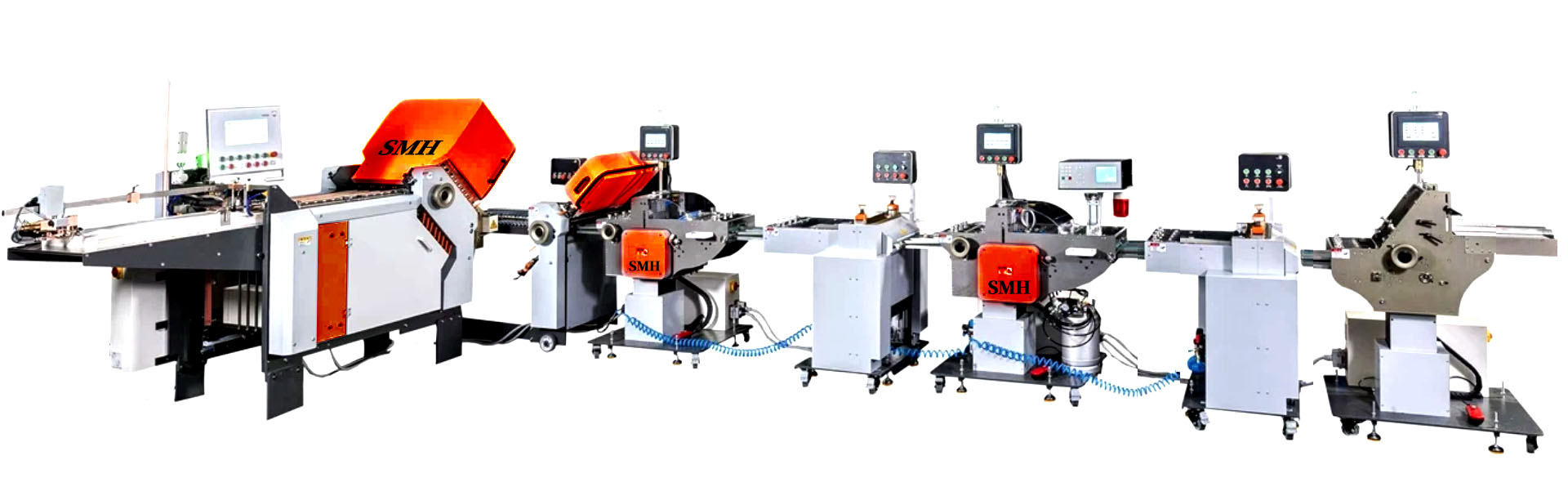
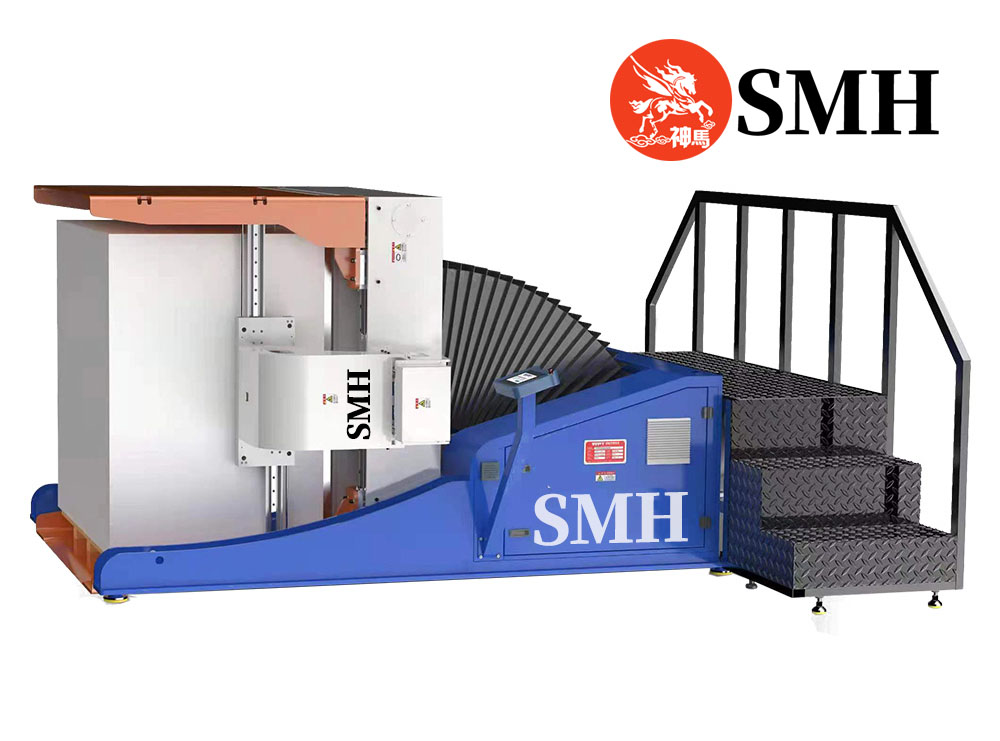
- Automatic packaging performance
- Machine durability
These improvements help customers reduce downtime and improve production consistency.
Supporting Multiple Paper Processing Applications
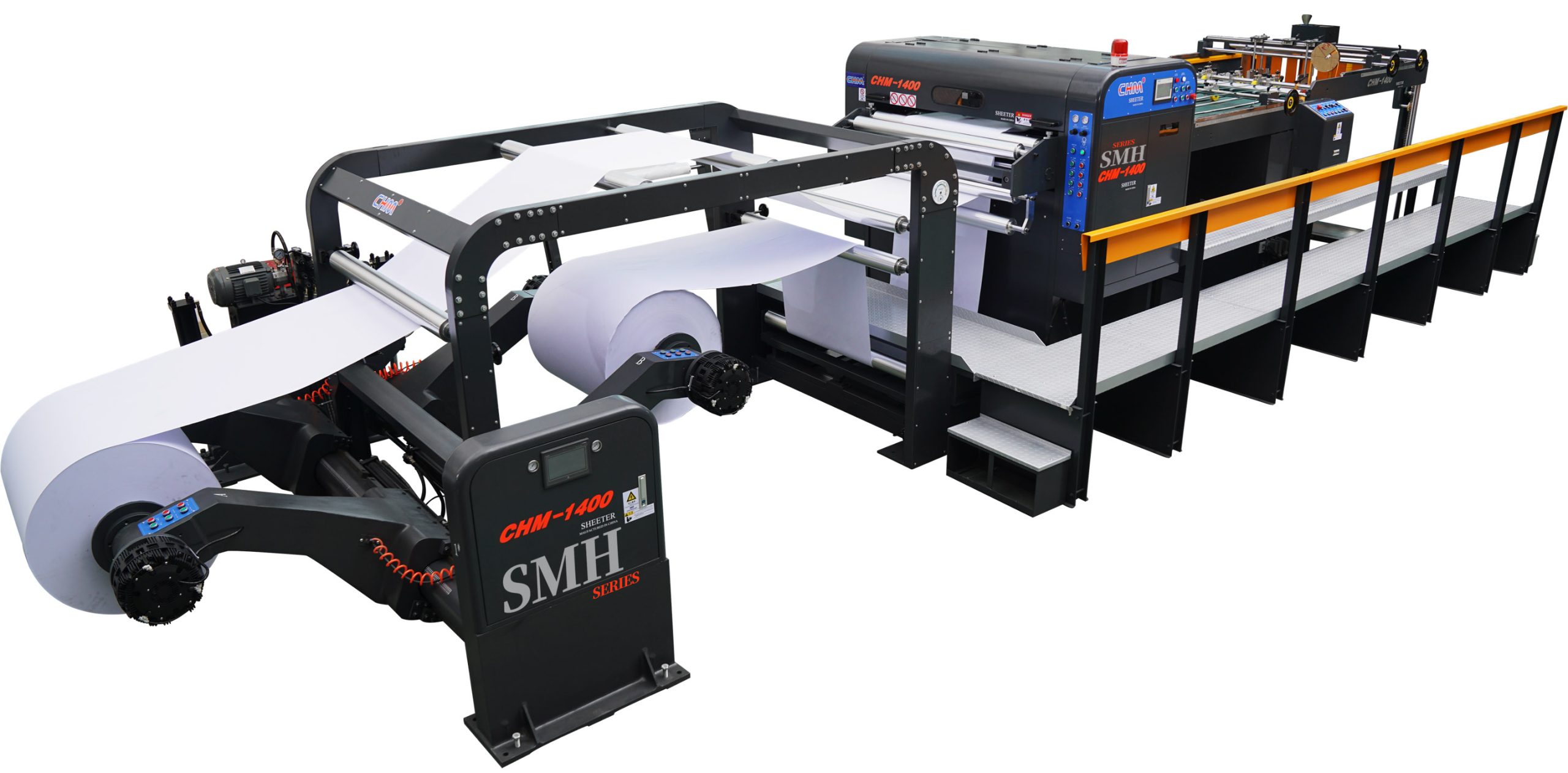
SMH equipment is widely used for:
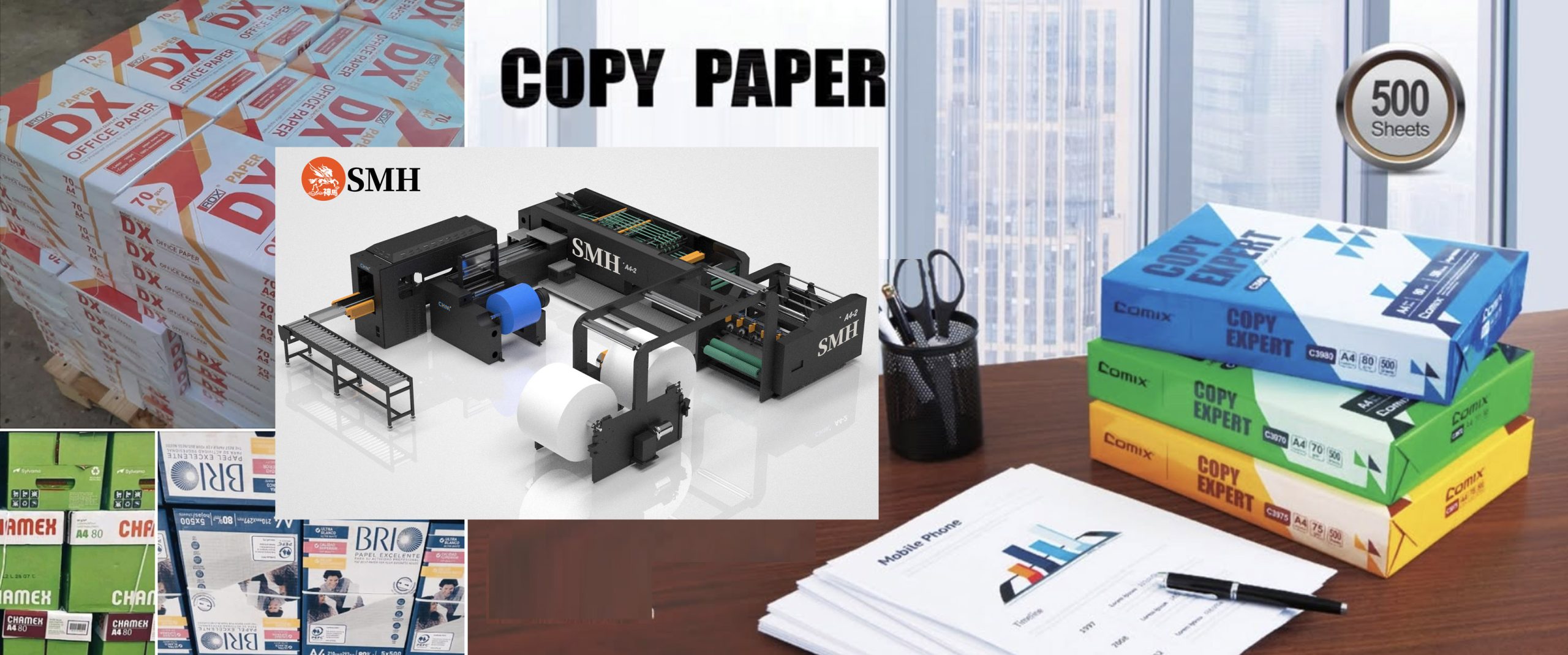
- Copy paper production
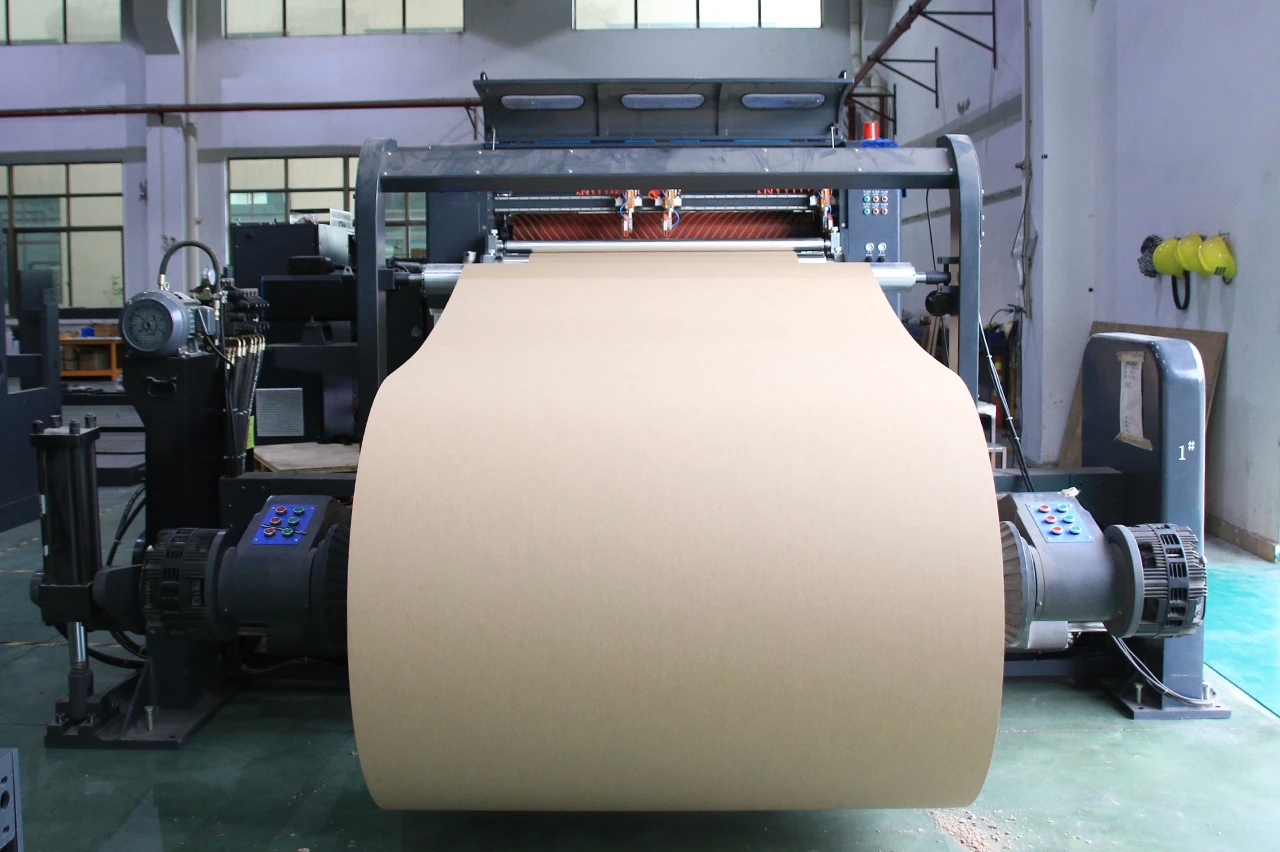
- Kraft paper processing
- Packaging paper slitting
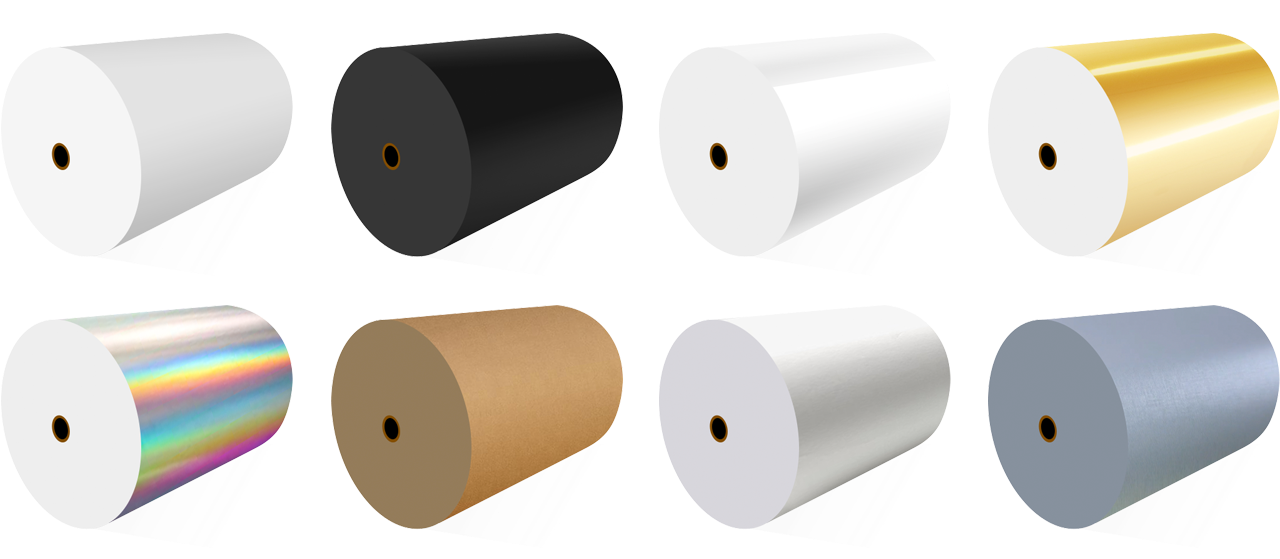
- Specialty paper converting
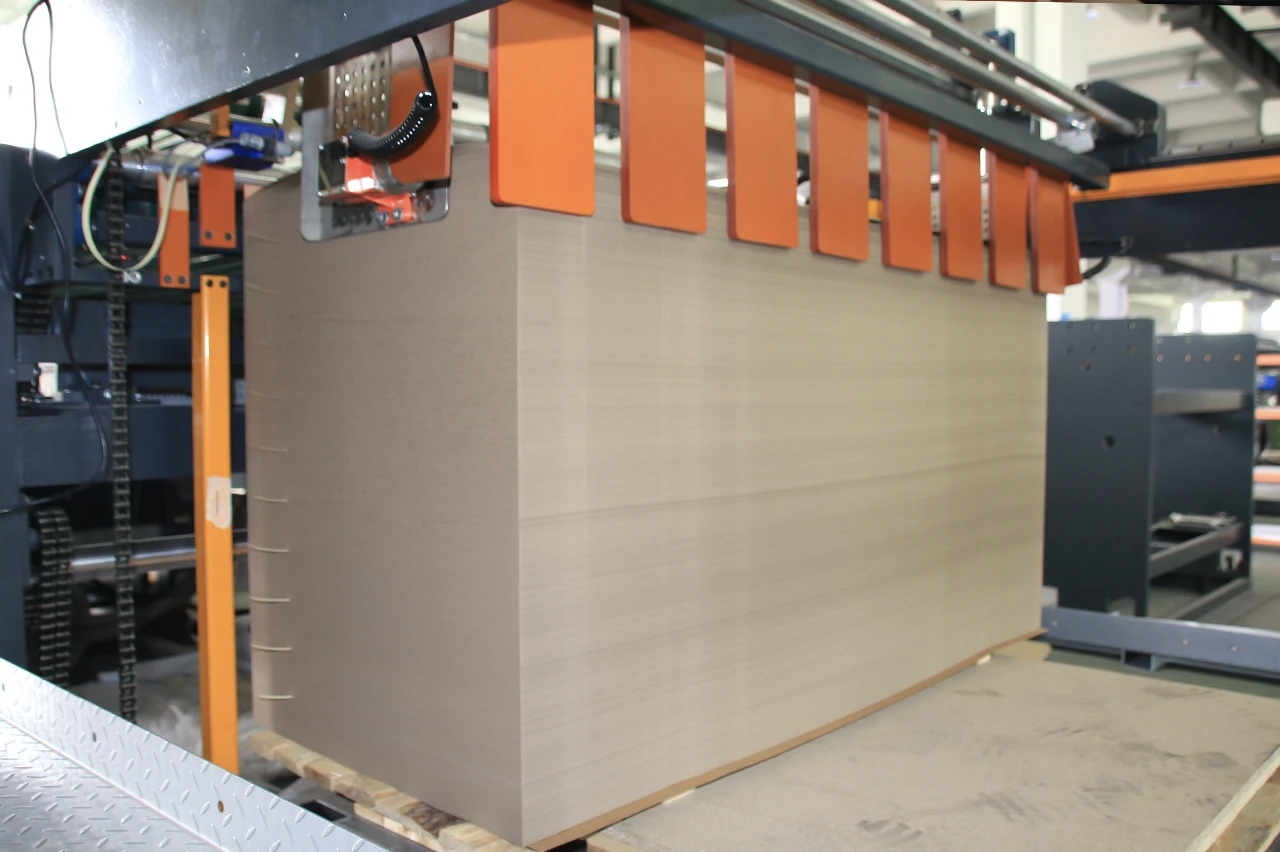
- High GSM cardboard processing
Continuous research and development allows the company to adapt equipment to different paper grades and production requirements.
Innovation for Future Manufacturing
As intelligent manufacturing technologies continue developing, automation and digital control systems will become increasingly important.
SMH remains committed to long-term engineering development and product innovation to provide efficient and reliable paper converting solutions for global customers.