Labor costs continue to rise in the global manufacturing industry. To remain competitive, paper converting factories are investing in fully automatic production lines.
Integrated automation reduces manual handling and improves production efficiency.
What Makes a Production Line Fully Automatic?
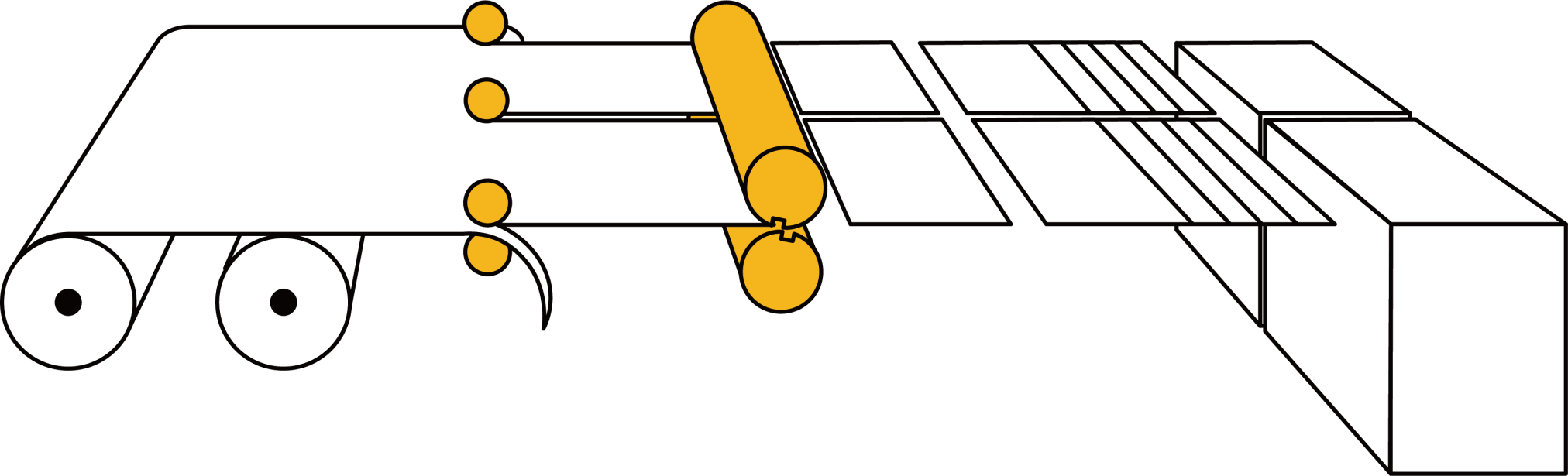
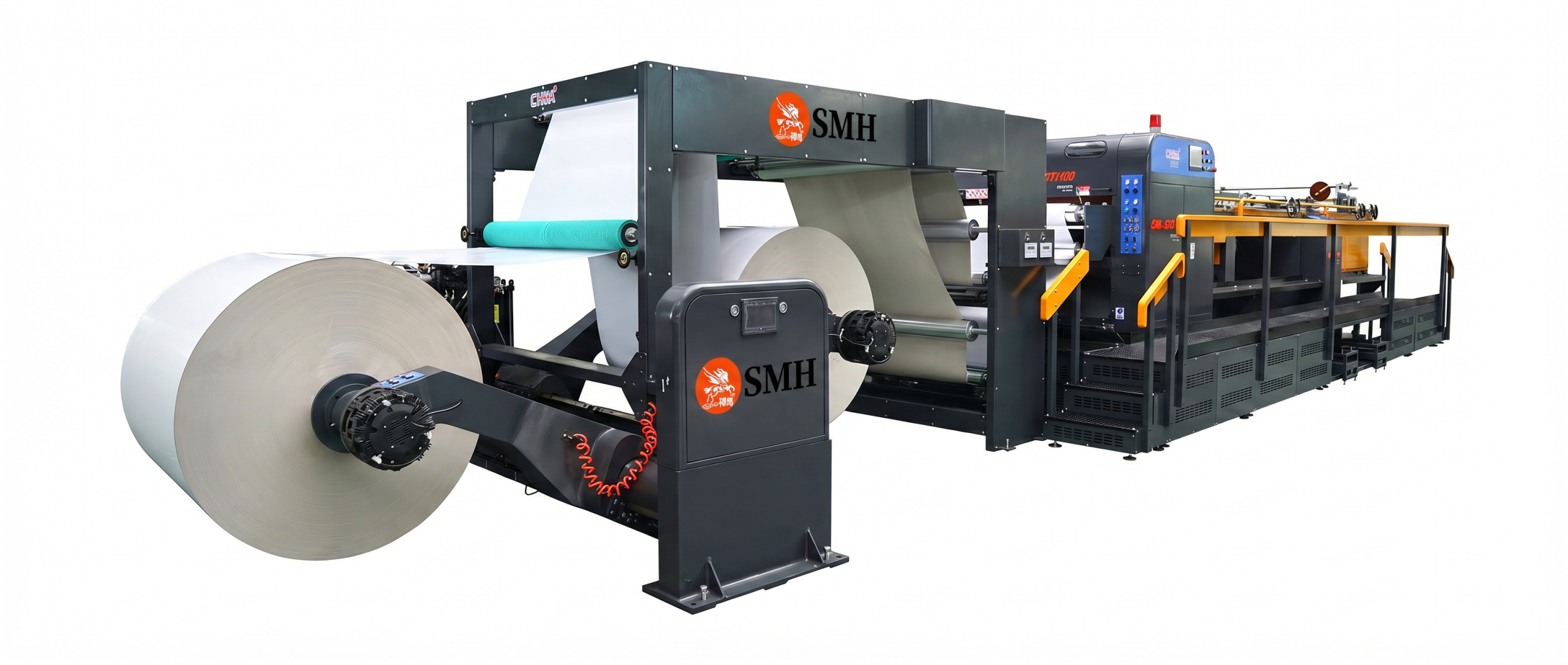
A fully automatic A4 paper production line includes:
Automatic unwinding
Web guiding
Slitting
Rotary cutting
Automatic stacking
Ream wrapping
Carton packing
Robotic palletizing
Reduced Manual Operation
Traditional production lines require multiple workers for:
With optimized automation, staffing can be reduced while maintaining high productivity.
Fully automatic A4 paper production lines provide significant advantages in labor savings, efficiency, and production consistency. As factories move toward smart manufacturing, automation will continue to play a central role in the paper industry.
Many Cutting Problems Start From the Knife Structure
When edge quality becomes unstable, many factories immediately replace the blade.
Sometimes the new blade helps. Sometimes nothing changes.
The reason is simple. The knife itself is not always the main issue. The cutting structure behind the knife matters just as much.
Different knife systems create completely different cutting behavior.
Impact Cutting and Pure Shear Cutting Are Not the Same
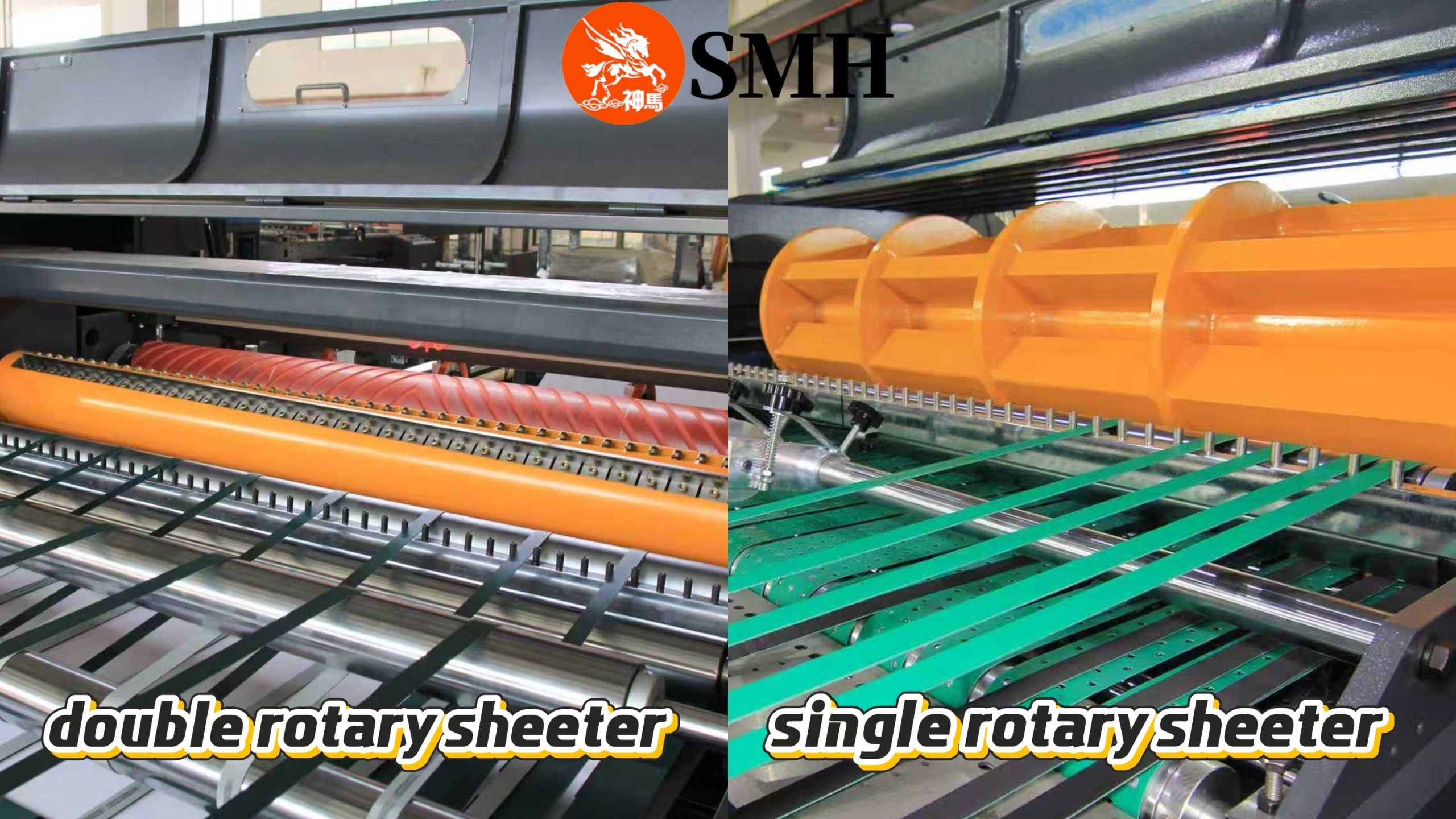
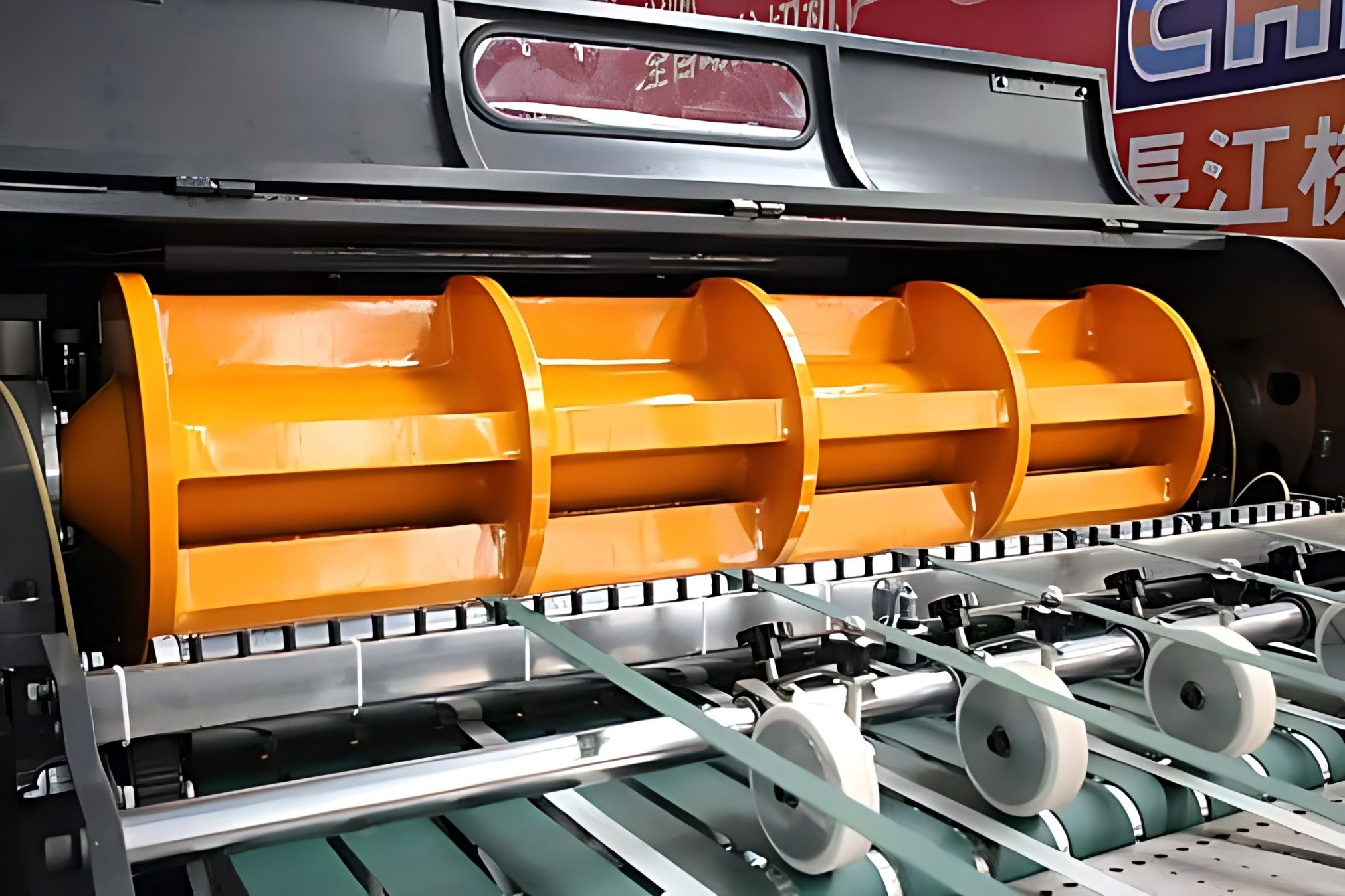
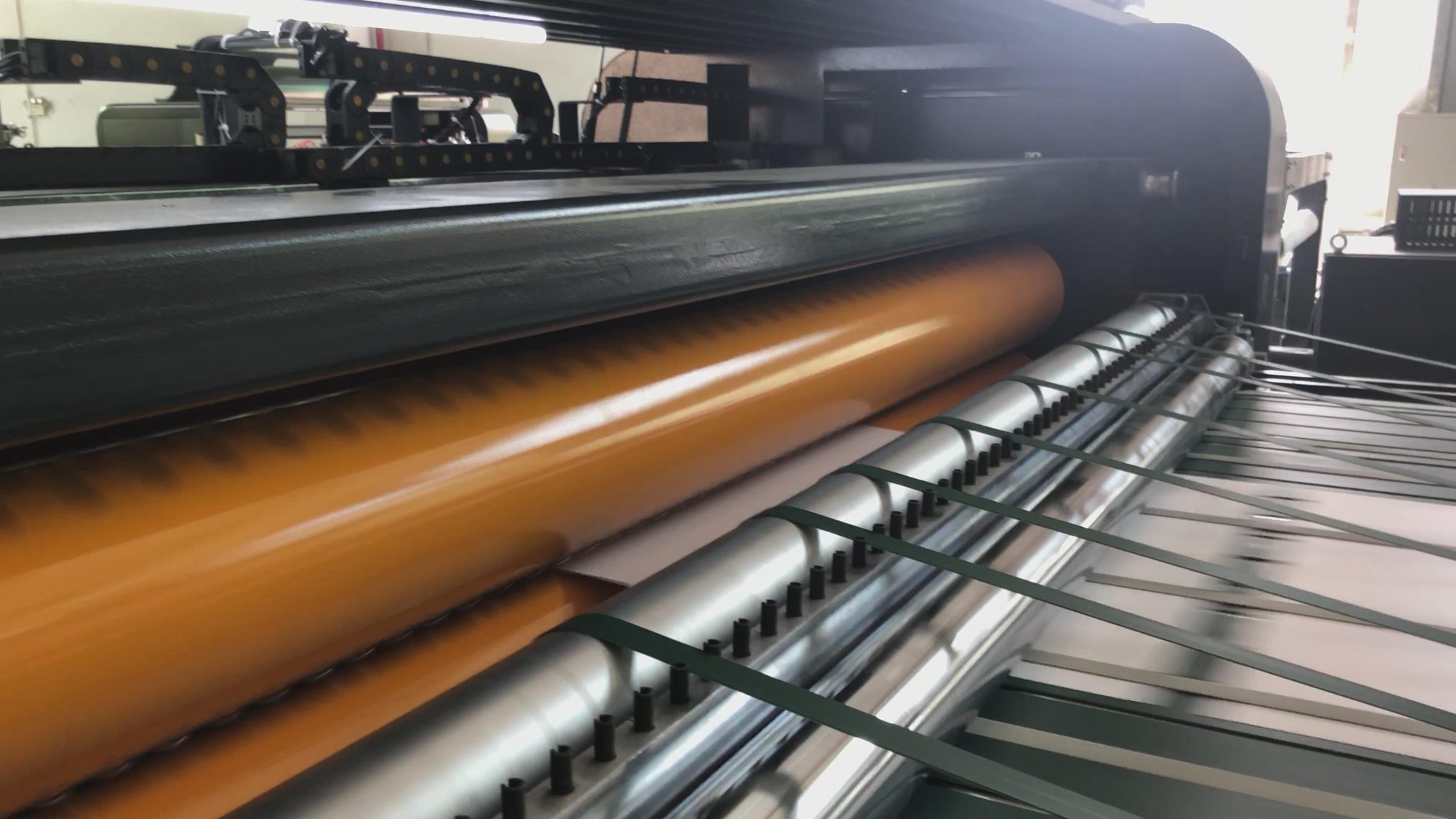
Single knife machines mainly use impact-style cutting. The rotating upper knife cuts against a fixed bottom knife.
single rotary sheeter
This structure is simple and flexible. It works well for thin materials and small batch production.
But during cutting, the material receives force mainly from one side. That creates concentrated stress at the cutting point.
Double knife systems work differently. Both knife rollers rotate together. The paper is cut gradually from both sides.
double rotary sheeter
The cutting force stays more even. The cutting process becomes smoother.
In actual production, this difference directly affects:
edge smoothness
paper dust level
cutting stability
vibration control
knife life
Why Knife Vibration Becomes a Serious Problem
At higher speed, vibration becomes one of the biggest hidden problems.
Even slight knife movement can create:
uneven edges
unstable width accuracy
paper dust
cutting marks
Factories sometimes try increasing knife pressure to compensate. But excessive pressure creates more friction and heat. That shortens blade life.
The better solution is reducing vibration at the structural level.
This is why rigid machine frames and synchronized knife systems matter so much in high-speed production.
Knife Life Depends on Cutting Stability
Many operators think blade life depends only on blade material. Actually, machine stability affects knife wear heavily.
When the cutting force stays balanced:
blade wear becomes slower
edge quality stays stable longer
replacement frequency decreases
In unstable systems, knife wear becomes uneven. That causes edge quality to deteriorate more quickly.
Choosing the Right Knife Structure Matters Long Term
For factories processing thin paper with frequent order changes, single knife systems still offer good flexibility.
For factories running thick materials, long production hours, or high-speed converting, double knife systems usually provide better long-term consistency.
The important thing is understanding how the cutting structure affects real production behavior.
Robots maintain consistent stacking patterns and carton alignment.
3. Higher Production Efficiency
The robot can operate continuously with minimal interruption.
4. Improved Safety
Automation reduces manual handling risks and workplace injuries.
Integration with A4 Production Lines
Modern A4 paper lines integrate:
Sheeting machine
Ream wrapping machine
Carton packing machine
Strapping system
Robotic palletizer
This creates a fully automatic production workflow.
Automatic palletizing robots are becoming standard equipment in high-capacity A4 paper factories. By improving efficiency, reducing labor costs, and increasing consistency, robotic systems help manufacturers achieve smarter and more competitive production.