Archives July 2026

Thin Paper Slitting Challenges? How SMH L-Type Unwind Stands Improve Bible Paper and Silicone Release Paper Processing

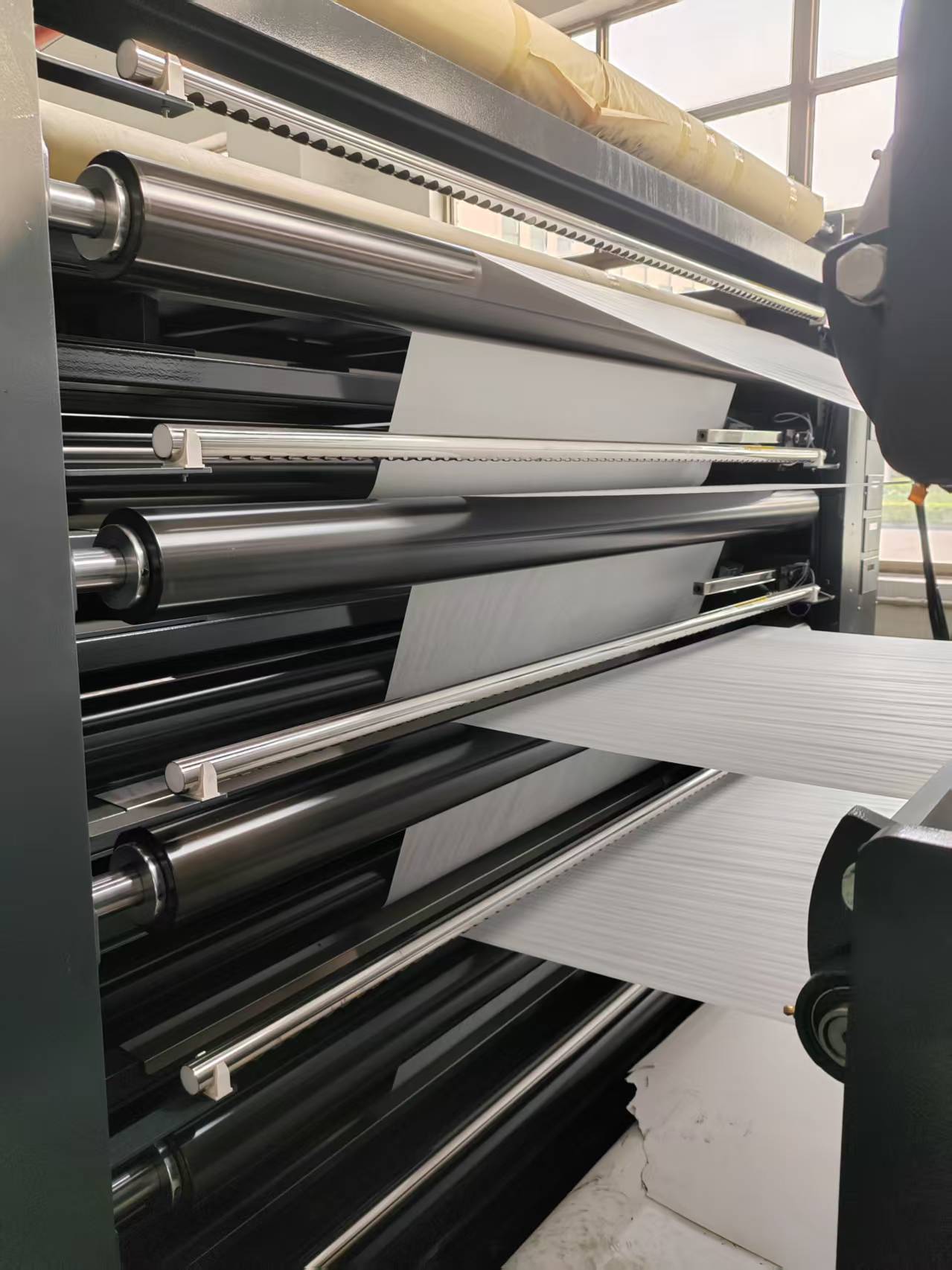
Thin Paper Processing Requires Higher Equipment Stability

Thin paper materials such as Bible paper, silicone release paper, and lightweight specialty paper are widely used in printing, packaging, food packaging, and industrial applications. However, these materials are extremely sensitive during slitting and rewinding.

Problems such as paper wrinkles, unstable tension, edge damage, and web breakage often occur when traditional slitting systems process ultra-thin paper.

To improve production stability for thin paper converting, SMH developed the L-Type High-Low Unwind Stand solution.

Optimized Web Feeding for Thin Paper Materials

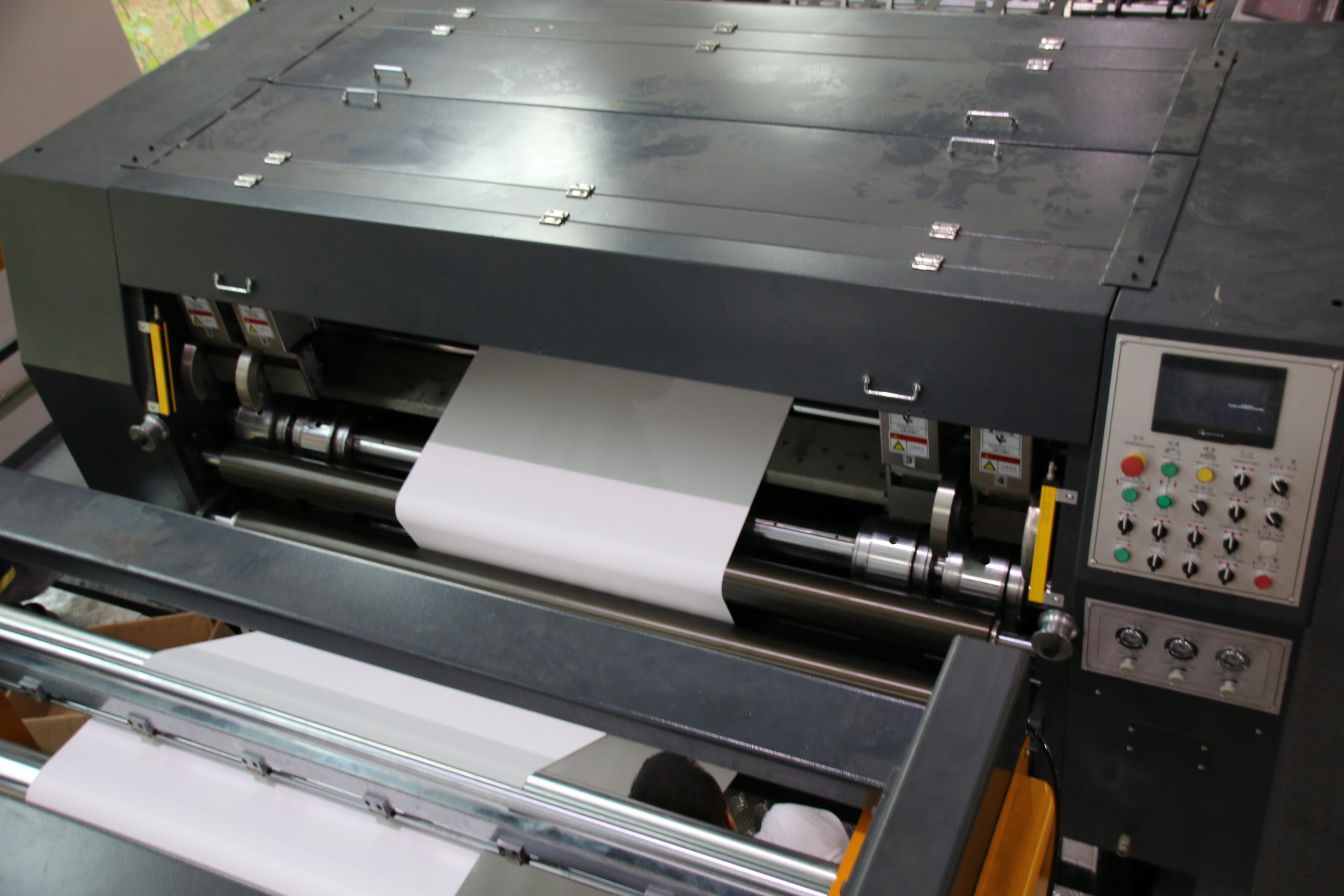
The SMH L-Type unwind structure is designed to improve paper feeding stability during high-speed operation. By optimizing the paper web path and reducing unnecessary tension fluctuations, the system helps maintain smooth paper running throughout the slitting process.

Compared with traditional unwind structures, the L-Type design improves:

  • Web tension stability
  • Feeding smoothness
  • Paper roll alignment
  • Thin paper running control

This is especially important for lightweight papers that are highly sensitive to tension variation.

Stable Slitting for Sensitive Paper Grades

Bible paper and silicone-coated release paper require extremely clean cutting quality. Even small vibration or tension instability can affect final roll quality.

SMH slitting systems integrate:

  • Automatic tension control
  • Servo synchronization systems
  • High-precision knife positioning
  • Stable rewinding structures

These technologies help reduce edge damage, paper wrinkles, and roll deformation during production.

Supporting Multiple Specialty Paper Applications

In addition to Bible paper and silicone release paper, SMH slitting machines are also widely used for:
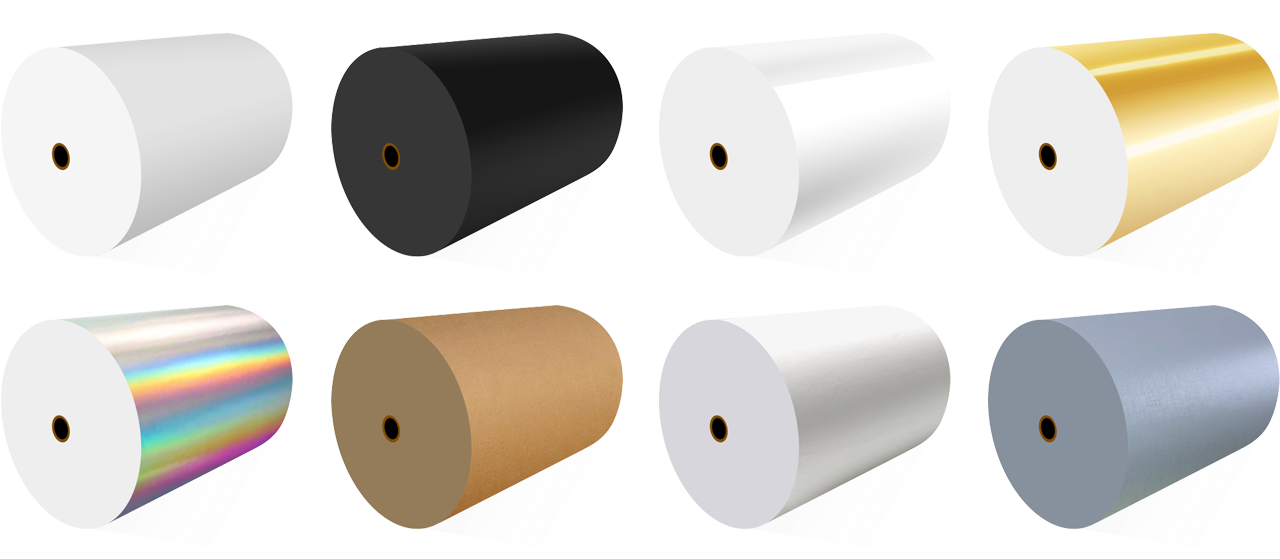
  • Lightweight coated paper
  • Food packaging paper
  • Medical packaging paper
  • Thermal paper
  • Label base paper

As demand for specialty paper continues growing, stable thin paper processing equipment is becoming increasingly important for paper converting factories.

SMH continues developing precision slitting solutions that help customers improve efficiency, reduce waste, and maintain stable production quality for sensitive paper materials.
Thin Paper Processing Requires Higher Equipment Stability

Thin paper materials such as Bible paper, silicone release paper, and lightweight specialty paper are widely used in printing, packaging, food packaging, and industrial applications. However, these materials are extremely sensitive during slitting and rewinding.

Problems such as paper wrinkles, unstable tension, edge damage, and web breakage often occur when traditional slitting systems process ultra-thin paper.

To improve production stability for thin paper converting, SMH developed the L-Type High-Low Unwind Stand solution.

Optimized Web Feeding for Thin Paper Materials

The SMH L-Type unwind structure is designed to improve paper feeding stability during high-speed operation. By optimizing the paper web path and reducing unnecessary tension fluctuations, the system helps maintain smooth paper running throughout the slitting process.

Compared with traditional unwind structures, the L-Type design improves:

  • Web tension stability
  • Feeding smoothness
  • Paper roll alignment
  • Thin paper running control

This is especially important for lightweight papers that are highly sensitive to tension variation.

Stable Slitting for Sensitive Paper Grades

Bible paper and silicone-coated release paper require extremely clean cutting quality. Even small vibration or tension instability can affect final roll quality.

SMH slitting systems integrate:

  • Automatic tension control
  • Servo synchronization systems
  • High-precision knife positioning
  • Stable rewinding structures

These technologies help reduce edge damage, paper wrinkles, and roll deformation during production.

Supporting Multiple Specialty Paper Applications

In addition to Bible paper and silicone release paper, SMH slitting machines are also widely used for:

  • Lightweight coated paper
  • Food packaging paper
  • Medical packaging paper
  • Thermal paper
  • Label base paper

As demand for specialty paper continues growing, stable thin paper processing equipment is becoming increasingly important for paper converting factories.

SMH continues developing precision slitting solutions that help customers improve efficiency, reduce waste, and maintain stable production quality for sensitive paper materials.
Why Tension Stability Matters in Roll Slitting

Tension Problems Usually Show Up Slowly

In many factories, tension issues do not appear suddenly.

The machine starts the job normally. After some time, the paper begins drifting slightly. Edge quality changes. Length accuracy becomes inconsistent.

Operators start adjusting tension manually. The line stabilizes briefly. Then the same issue returns again.

This is one of the most common signs of unstable web tension.

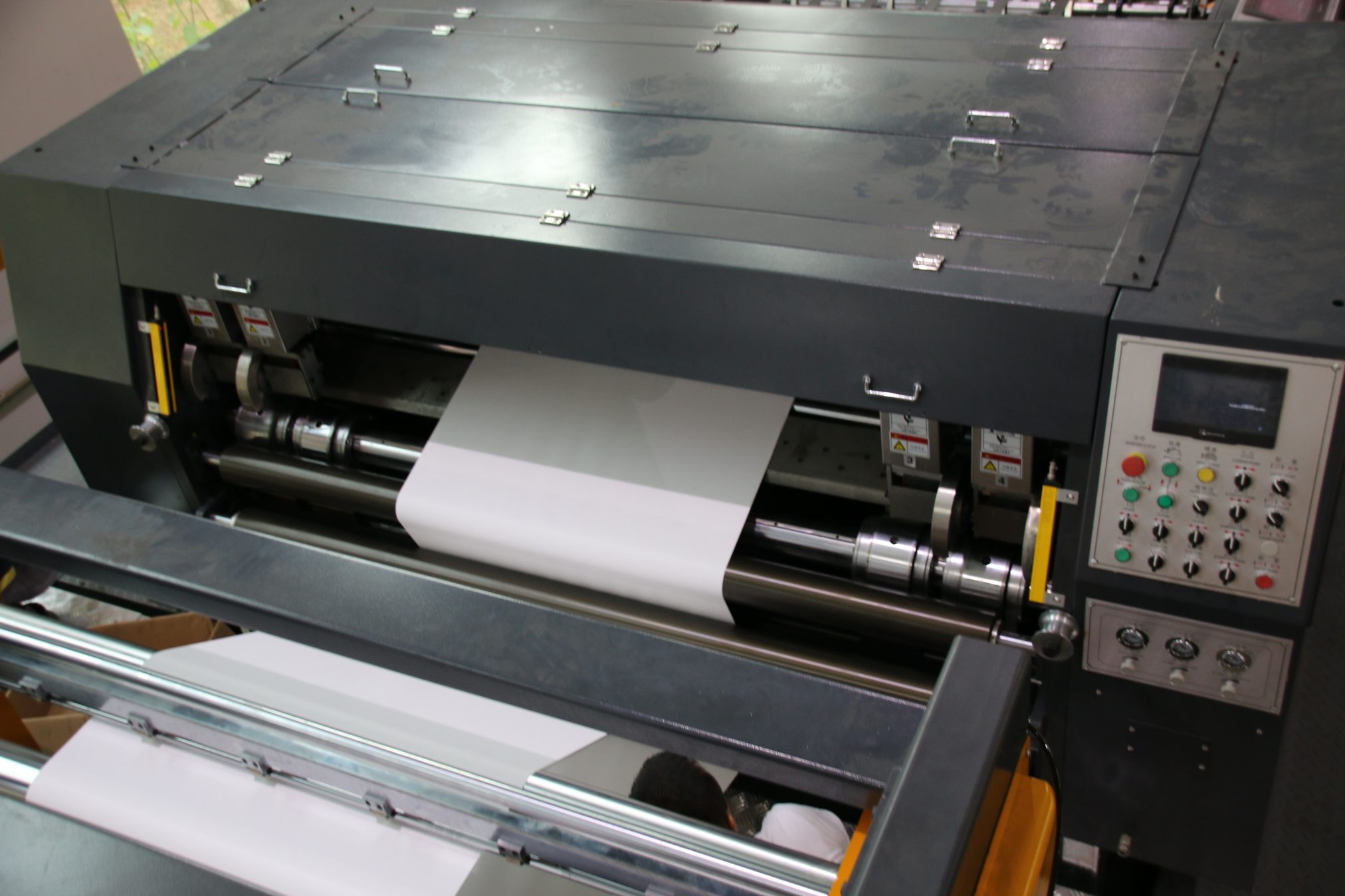
Stable Tension Keeps the Entire Process Consistent

During slitting production, tension controls how the material moves through the machine.

If tension changes continuously:

  • tracking becomes unstable
  • slit width accuracy changes
  • wrinkles may appear
  • edge quality becomes inconsistent

This is especially obvious with thin paper or lightweight film.

Small tension changes can immediately affect material behavior.

Roll Diameter Changes Affect Tension

One common problem appears as the roll diameter becomes smaller.

If the tension control system does not adjust correctly, the pulling force changes during production.

At the beginning of the roll, production may look stable. Later, the material behavior changes gradually.

Factories sometimes think this is an operator issue. Actually, the control system may simply lack stable closed-loop adjustment.

Why High-Speed Production Needs Better Tension Control

At low speed, minor tension fluctuations may not create obvious defects.

At high speed, the same fluctuation becomes much more serious.

The material reacts faster. Guiding becomes more sensitive. Knife stability also becomes more important.

That is why high-speed production lines usually require:

  • precise tension feedback
  • stable brake systems
  • synchronized drive control
  • accurate roller traction

Without stable tension, speed alone cannot improve production quality.

Stable Production Starts With Stable Material Flow

Factories with stable slitting quality usually focus heavily on material flow consistency.

When tension stays stable:

  • paper tracking improves
  • edge quality becomes more repeatable
  • operator adjustments decrease
  • production waste reduces

Stable tension is not only about one parameter on the screen. It affects the entire converting process.

Why More Global Paper Mills Are Choosing SMH

Production Efficiency Is Becoming the Core Competitiveness of Paper Mills

In today’s paper converting industry, rising labor costs, increasing market competition, and higher delivery requirements are forcing paper manufacturers to improve production efficiency. For many factories, equipment stability and automation level directly affect production cost and profitability.

This is one of the main reasons why more paper mills worldwide are upgrading to automatic paper sheeting and packaging systems from SMH.

Reducing Labor Costs Through Automation

Traditional paper converting production often relies heavily on manual operation. Frequent material handling, packaging, pallet replacement, and paper inspection increase labor costs and production risks.

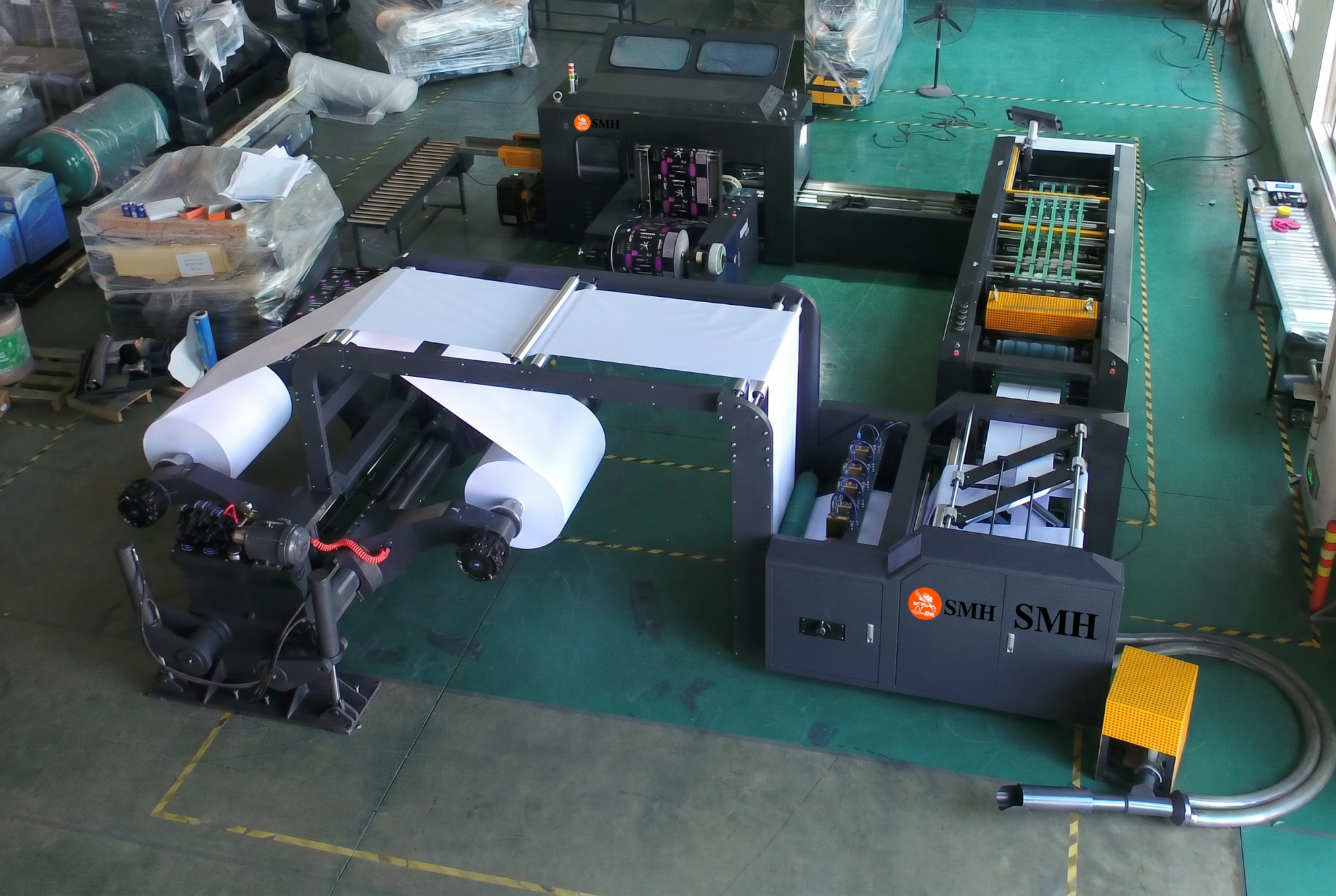
SMH automatic production lines integrate paper sheeting, counting, packaging, stacking, and conveying into one continuous process. Automatic pallet changing systems and robotic stacking devices help reduce manual operation while improving production consistency.

For large-scale paper mills, automation not only reduces labor dependency but also improves production stability during long-term operation.

Stable Production Means Lower Operating Costs

High-speed equipment must maintain stable operation over long production cycles. Unstable cutting precision, paper dust, and machine vibration can increase waste and maintenance costs.

SMH focuses on improving:

  • Cutting precision
  • Servo synchronization accuracy
  • Tension control stability
  • Automatic fault detection
  • Long-term running reliability

Stable production helps factories reduce paper waste, minimize downtime, and improve final product quality.

Complete Production Line Solutions

SMH provides complete paper converting solutions including:

  • Paper sheeters
  • A4 copy paper production lines
  • Ream wrapping systems
  • Carton packing systems
  • Automatic conveying solutions

By integrating multiple production processes into one automated workflow, customers can significantly improve overall factory efficiency.

Supporting Long-Term Factory Growth

Today, SMH equipment serves customers across Asia, Europe, Africa, and South America. As paper manufacturers continue expanding production capacity, automation and intelligent production systems will remain key drivers of industry development.

SMH continues providing efficient and stable equipment solutions to help customers improve productivity and reduce operating costs in competitive global markets.