SMH Machinery Comprehensive Investigation (30 Years of Practical Sales Experience Perspective)

I have been working as a salesperson at Changjiang Machinery for 30 years, starting from the grassroots level to taking charge of regions. I have a thorough understanding of SMH’s background. This investigation is not superficial; it is all based on the real situations I have gathered from the front line. There are no empty words, only solid and practical content. Whether it is selling equipment or coordinating with customers, this document is enough.
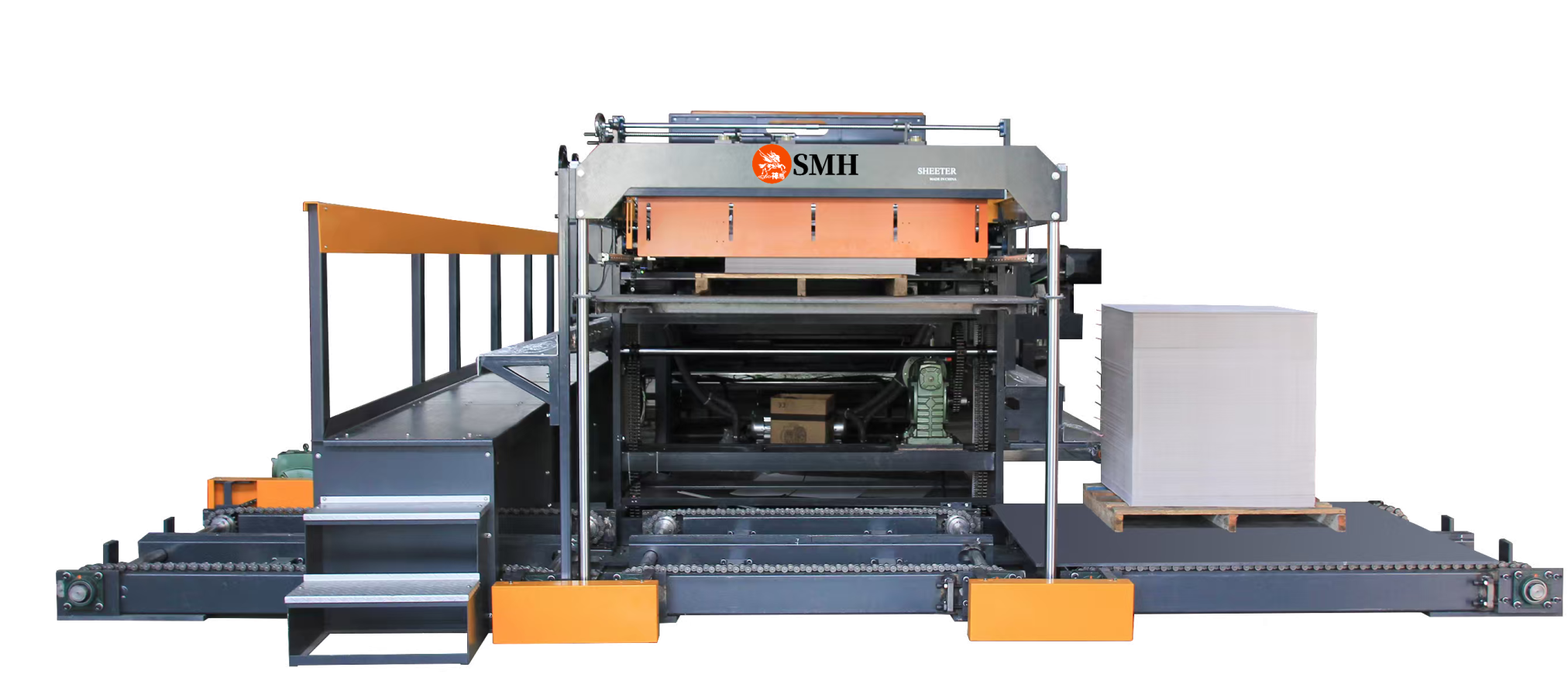
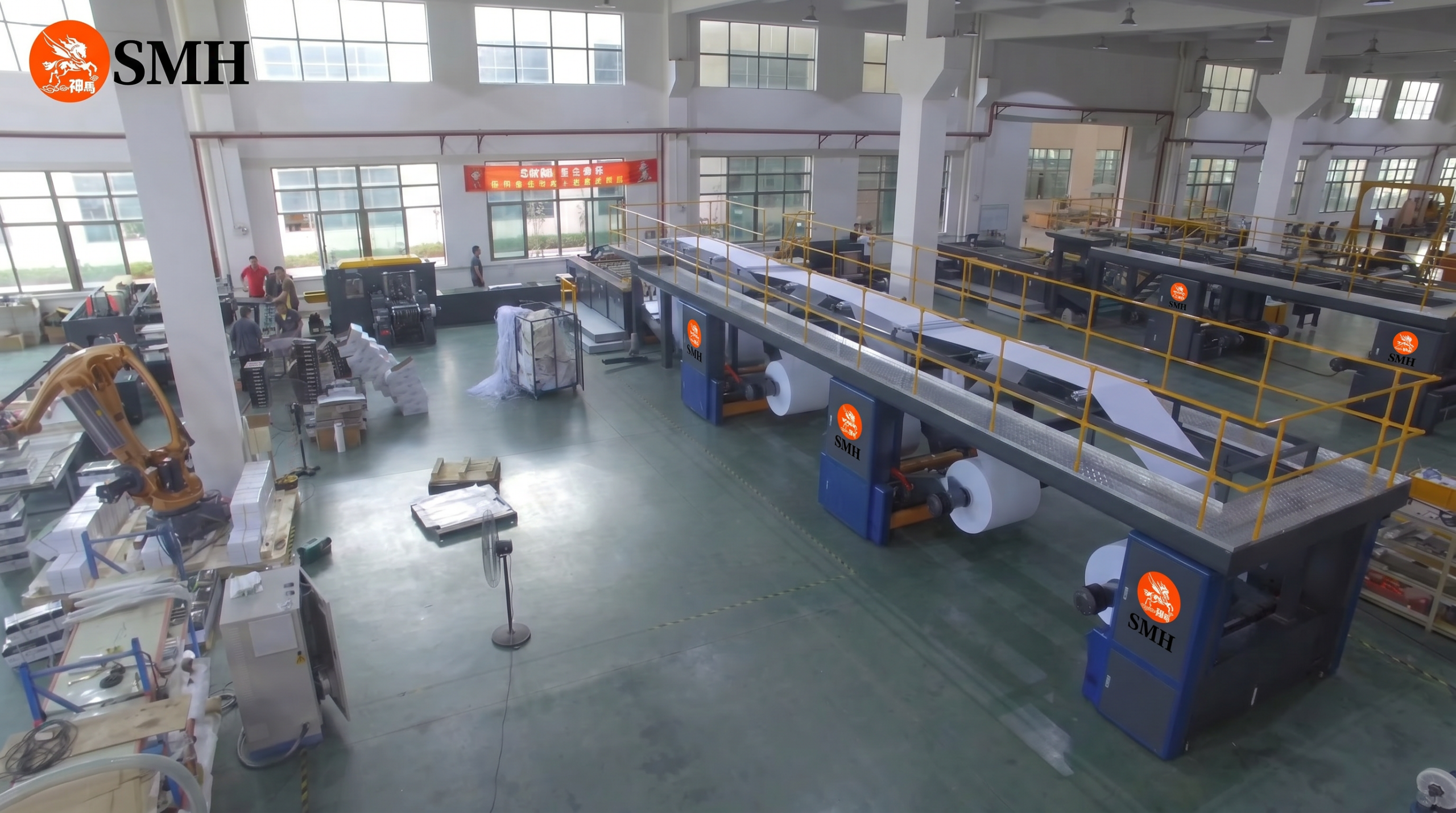
Let’s start with the background of Changjiang Machinery SMH. It is not a newly established small factory, nor is it a high-end brand. It is a real and reliable old enterprise in the domestic paper machinery industry. The core is to produce equipment related to papermaking, such as paper production lines, cutting machines, rewinding machines, and complete sets of equipment for post-processing of paper products. The main target is to supply small and medium-sized paper mills, packaging factories, and paper product processing factories.

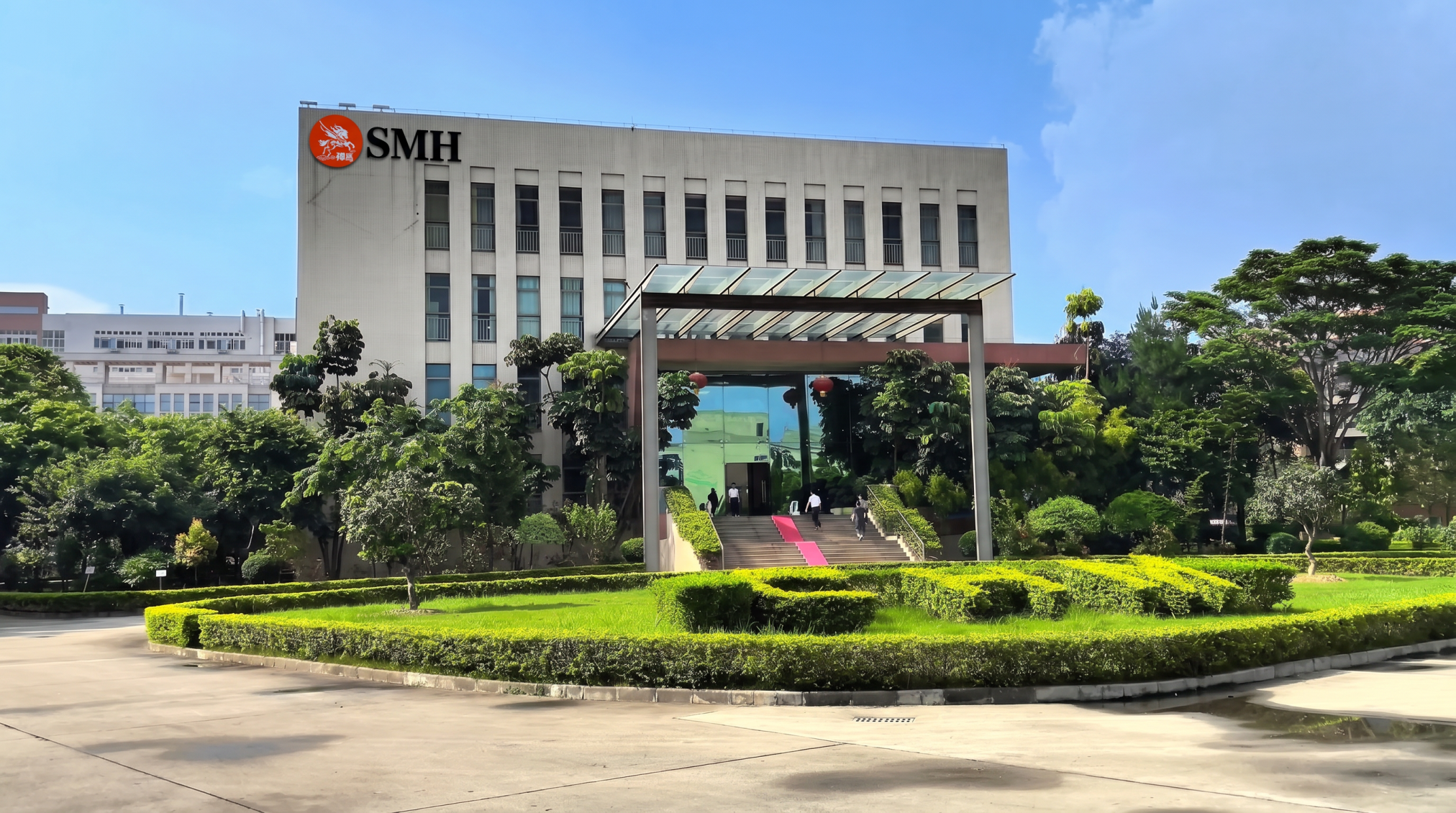
During my 30 years of work, I have witnessed SMH’s development from a single model to now having a complete chain of R&D, manufacturing, sales, and after-sales services. The core advantage is its down-to-earth nature. The working conditions of small and medium-sized factories in our country are exactly what it understands best – without the need for fancy functions, it just seeks stability, durability, and ease of operation. When something goes wrong, it can be quickly repaired without delaying production. SMH has precisely hit this point, so over the years, its reputation has been very stable, and the customer retention rate is particularly high. Most of the customers introduce new customers through referrals.
Now let’s talk about the core products. I will mainly focus on the models that we often promote and that customers most approve of. The less popular models will not be elaborated on.
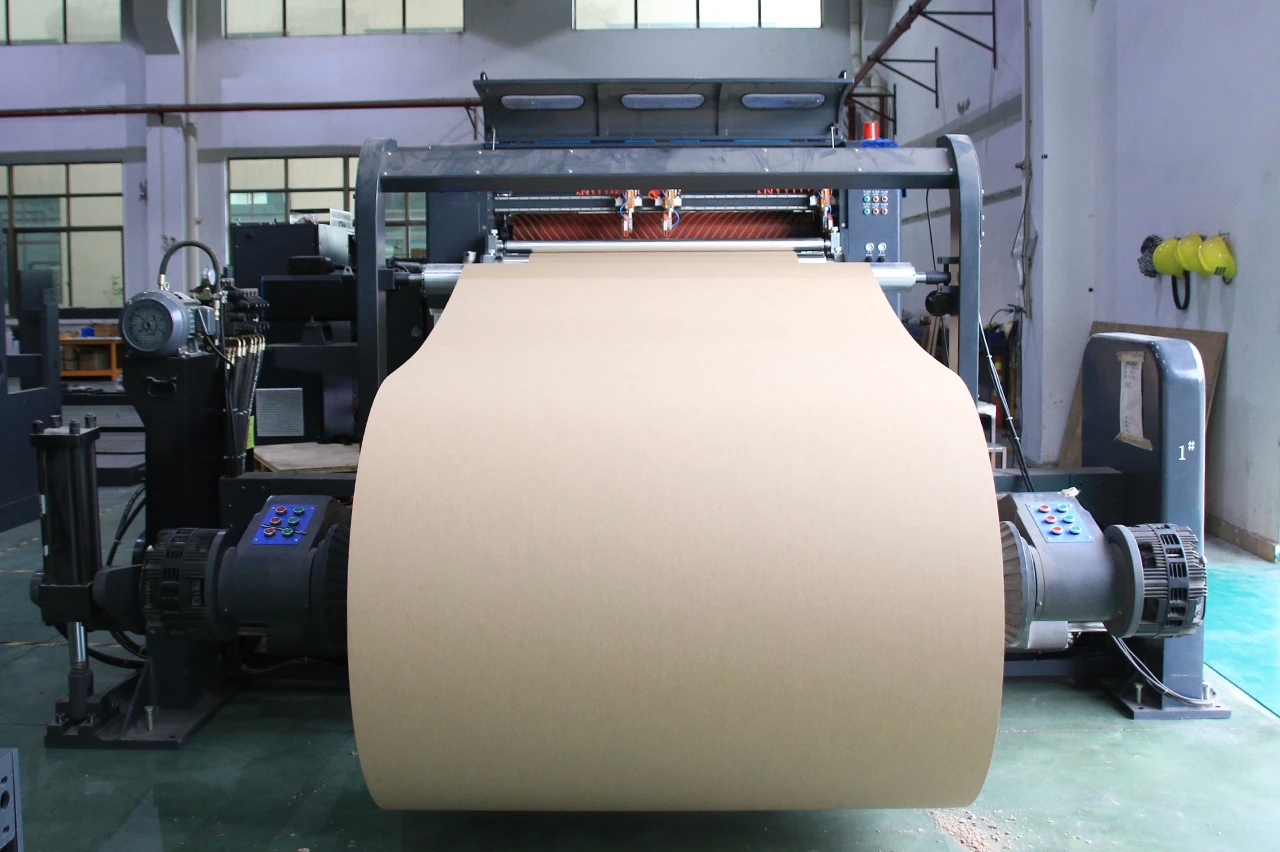
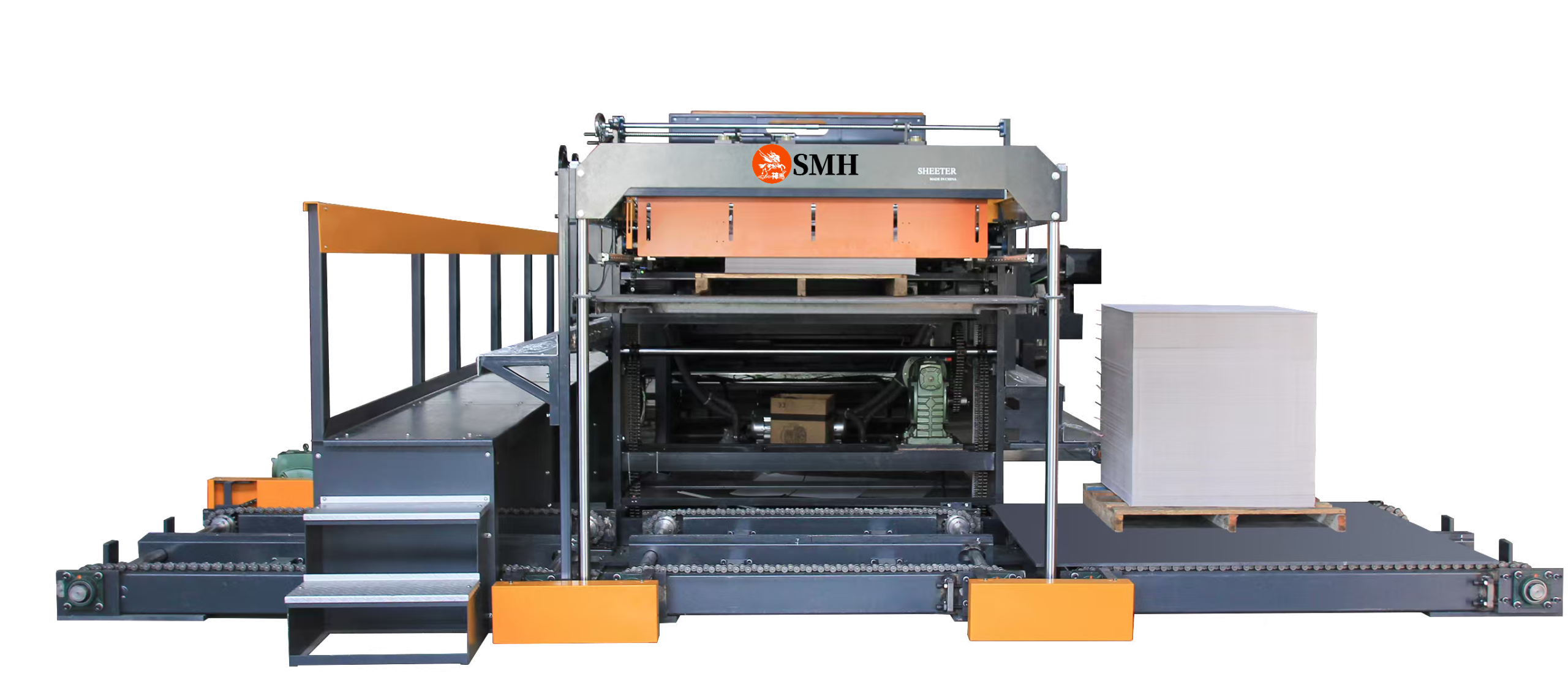
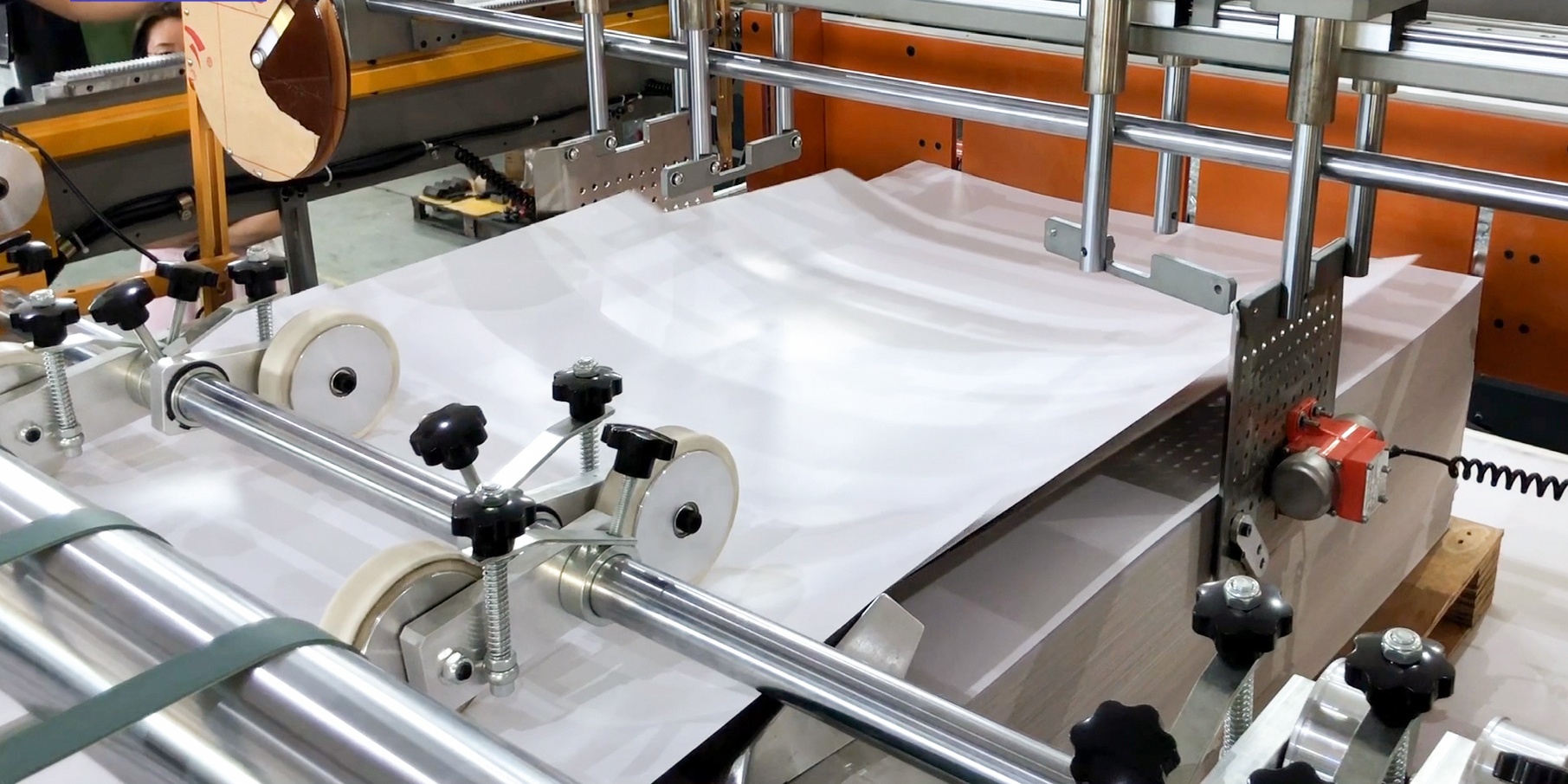
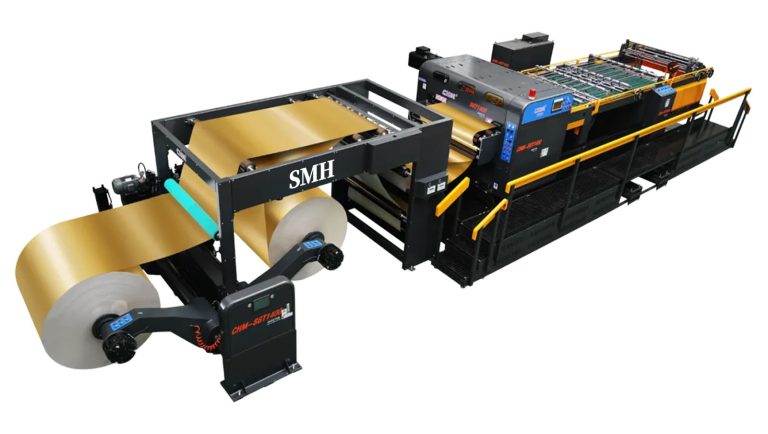
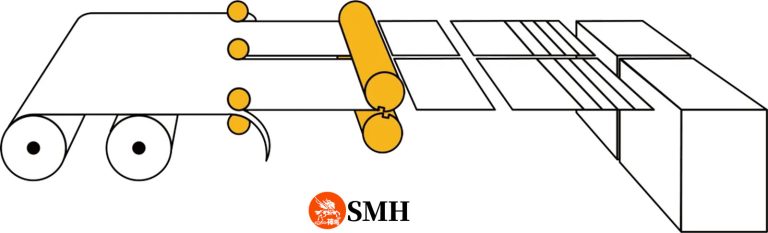
The first one is the paper production main equipment, such as production lines for cultural paper, packaging paper, and household paper, as well as toilet paper machines, tissue machines, rewinding machines, and cutting machines. To be honest, these models do not have particularly stunning features, but they are mature and robust. I have visited many customers, and the feedback is mostly the same: when operating continuously for ten days or half a month without shutting down, the failure rate is very low. Even if there are minor issues, the workers in the factory can handle them themselves without needing to hire technicians. This is extremely important for small and medium-sized factories – they are most afraid of equipment shutdowns, as it leads to losses in production.
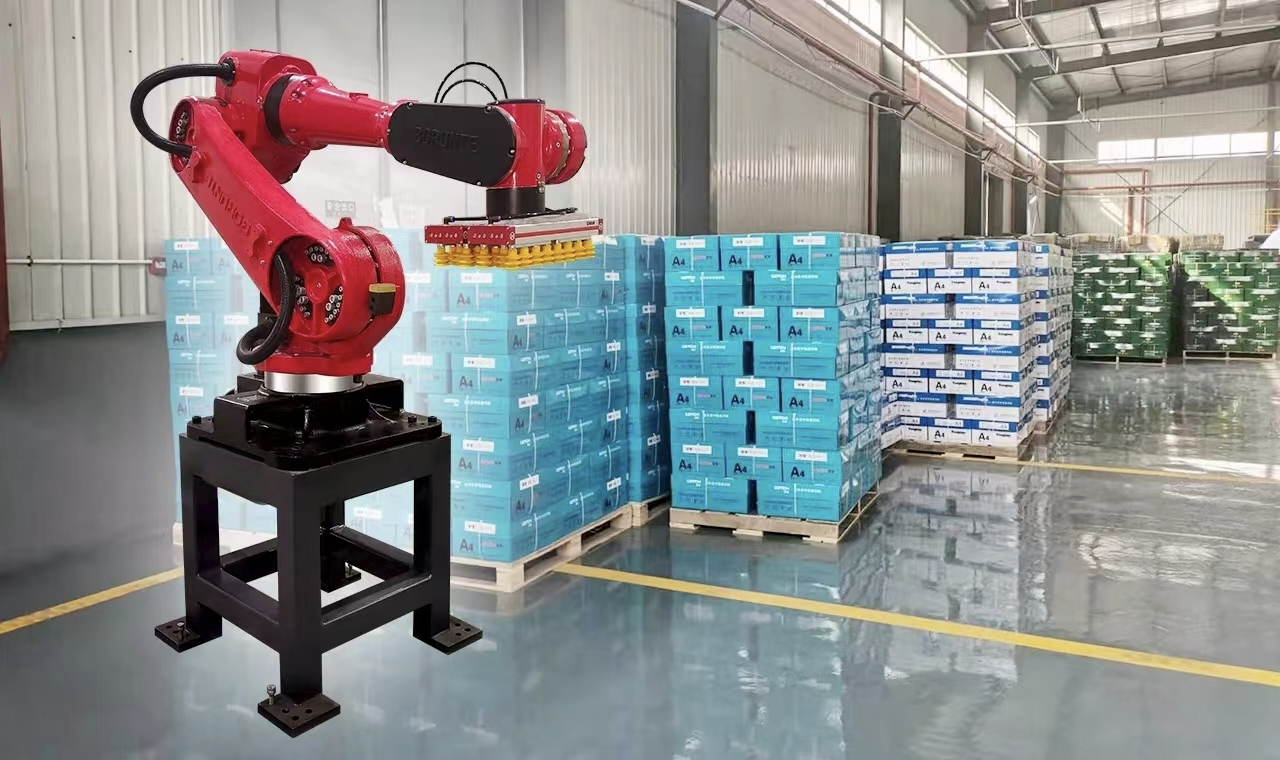
The second one is post-processing and supporting equipment, such as paper rope machines, paper tape machines,捆扎 equipment, cross-cutting machines, and rewinding and splitting integrated machines. These precisely match our business of making paper ropes and packaging consumables. When I run sales, I often bundle these equipment with our consumables for promotion. When customers purchase equipment, they directly order consumables at the same time, which is convenient and cost-effective, and the closing rate can be significantly increased.
There is also a differentiation advantage, which is my core focus when promoting: First, batch production with guaranteed delivery time. When customers order equipment, they don’t have to wait for one or two months; most of the time, it can be delivered within half a month to one month. This is much more reliable than many small factories. Second, universal parts. No matter in which city, you can easily find a mechanical parts store to purchase SMH equipment parts. Unlike some brands, parts can only be sent from the manufacturer, which is expensive and slow. Third, customization. For example, if the customer has special paper product specifications, the factory can modify the model according to the requirements without the customer having to make additional modifications themselves. Finally, the price. It is more than half cheaper than imported equipment, and the operation and maintenance costs are also lower. Small and medium-sized factories can all afford it.
Let’s talk about the market positioning and competition situation. This is very crucial and directly relates to how we find customers and promote sales. The target customers of Changjiang Machinery are those small and medium-sized paper mills, packaging printing factories, and enterprises engaged in post-processing of paper products, including some packaging consumables producers that export packaging. They need matching equipment for their export packaging, and Changjiang Machinery’s equipment has a high cost-performance ratio, which is very appealing to them.
Compared with competing brands, I have summarized three points when talking to customers: This is the most straightforward: Compared with imported equipment, our prices are cheaper, and the response to after-sales service is faster. When the imported equipment breaks down, technicians need to wait for several days before arriving. SMH can arrive on the same day or the next day, whether in the local area or in the surrounding cities. Compared with those small factories with inferior quality, our products have stable quality and the equipment can be used for five or even more years. The equipment of small factories may have major problems after only one or two years of use, and repairing them would not be cost-effective. Our core strength lies in the mature processes we have accumulated over the years, which allow us to reduce production costs through mass production. Coupled with local after-sales services, customers can trust us.
Here are the core selling points of my 30-year sales summary. There are no flowery words, but all are the points that customers care about. When promoting sales, just say these and the hit rate will be the highest:
First, stable. This is what customers value most. The equipment can run continuously and stably, reducing downtime, and for each additional day of production, the customer earns an additional day’s profit. Especially for paper product processing, a day of downtime can cause significant losses.
Second, cost-saving. The procurement cost is low, much cheaper than imported equipment, and small factories can afford it. Energy consumption is low, unlike some equipment, which consumes an excessive amount of electricity. Components are cost-effective and easy to purchase, and there is no need to spend a lot on maintenance later.
Third, fast. The delivery time is fast, not delaying the expansion or technological transformation of the customer. Installation and commissioning are fast, technicians come to install, and it can be completed in a few days. Workers can start working quickly, without the need for long training.
Fourth, comprehensive. For paper ropes and packaging consumables, we can perfectly match SMH’s post-processing equipment, presenting a one-stop solution. Customers don’t have to look for equipment suppliers and consumable suppliers separately, which is convenient and we can also earn more money.
Fifth, service. Over the years, SMH’s after-sales network has been well established. No matter where the customer is, if there is a problem, a call from the after-sales service team will arrive immediately, not delaying production. This is also the key reason why old customers are willing to come back and recommend new customers.
Finally, based on our business, I will give you several practical implementation suggestions. They are all verified during my sales trips and are easy to use:
First, focus on promoting SMH’s slitting machines and paper rope equipment, combining them with our paper rope consumables for bundled sales. When customers purchase the equipment, we offer discounts on consumables, which can not only increase the sales rate of the equipment but also drive the sales of consumables.
Second, for packaging factories in overseas markets, promote the overall solution of “equipment + consumables”, highlighting our supply chain advantages and the high cost-effectiveness of SMH equipment, solving the problem for customers of having to find both equipment and consumables.
Third, when communicating with customers, emphasize SMH’s 30-year brand heritage and tell them our own real customer cases. For example, a certain customer used SMH’s equipment and it ran stably for several years without any major problems. Using real cases to impress the customer is more effective than using any more professional terms.
Overall, SMH is not a perfect brand, but it is definitely a good helper for us to serve small customers and the market with cost-effectiveness. As long as we find the right customers and have the right sales promotion ideas, making money with it is not difficult.