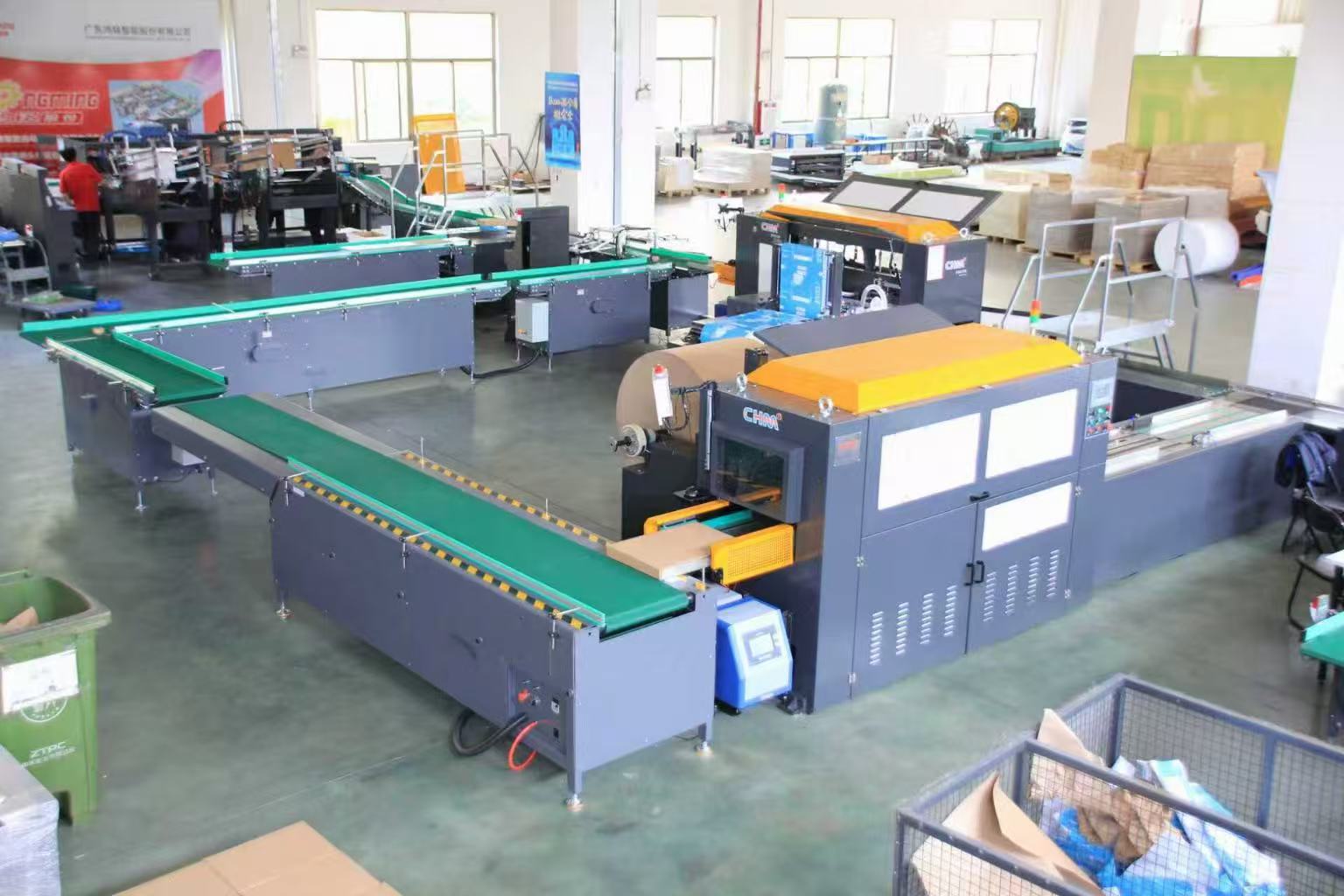
Labor costs continue to rise in the global manufacturing industry. To remain competitive, paper converting factories are investing in fully automatic production lines.
Integrated automation reduces manual handling and improves production efficiency.
What Makes a Production Line Fully Automatic?
A fully automatic A4 paper production line includes:
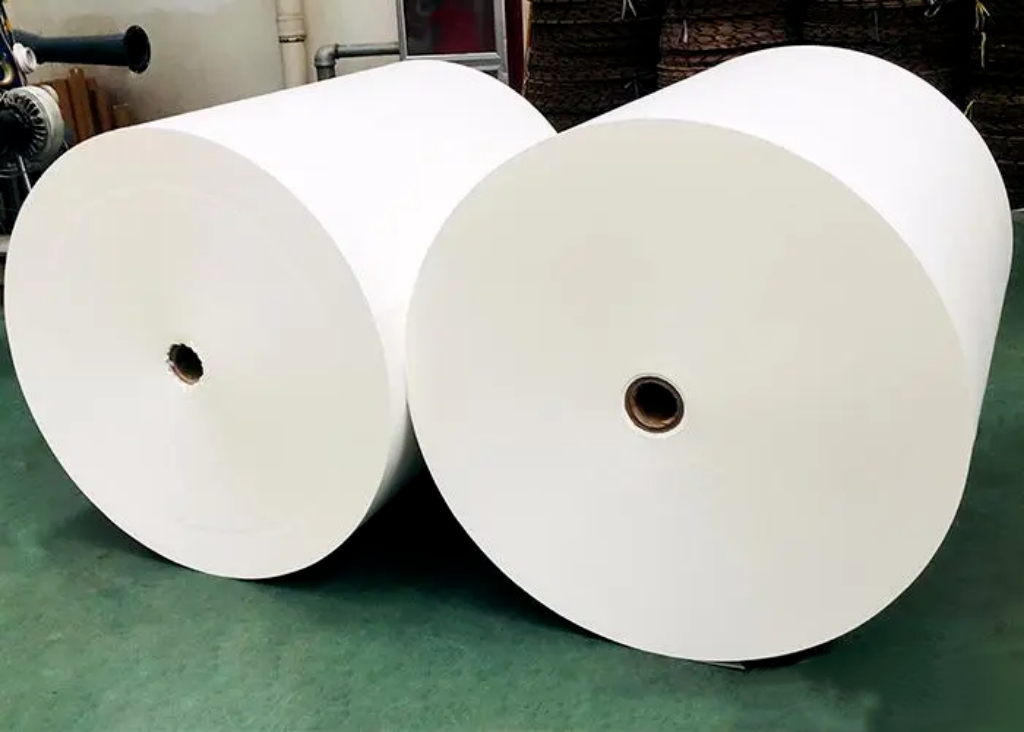
Automatic unwinding
Web guiding
Slitting
Rotary cutting
Automatic stacking
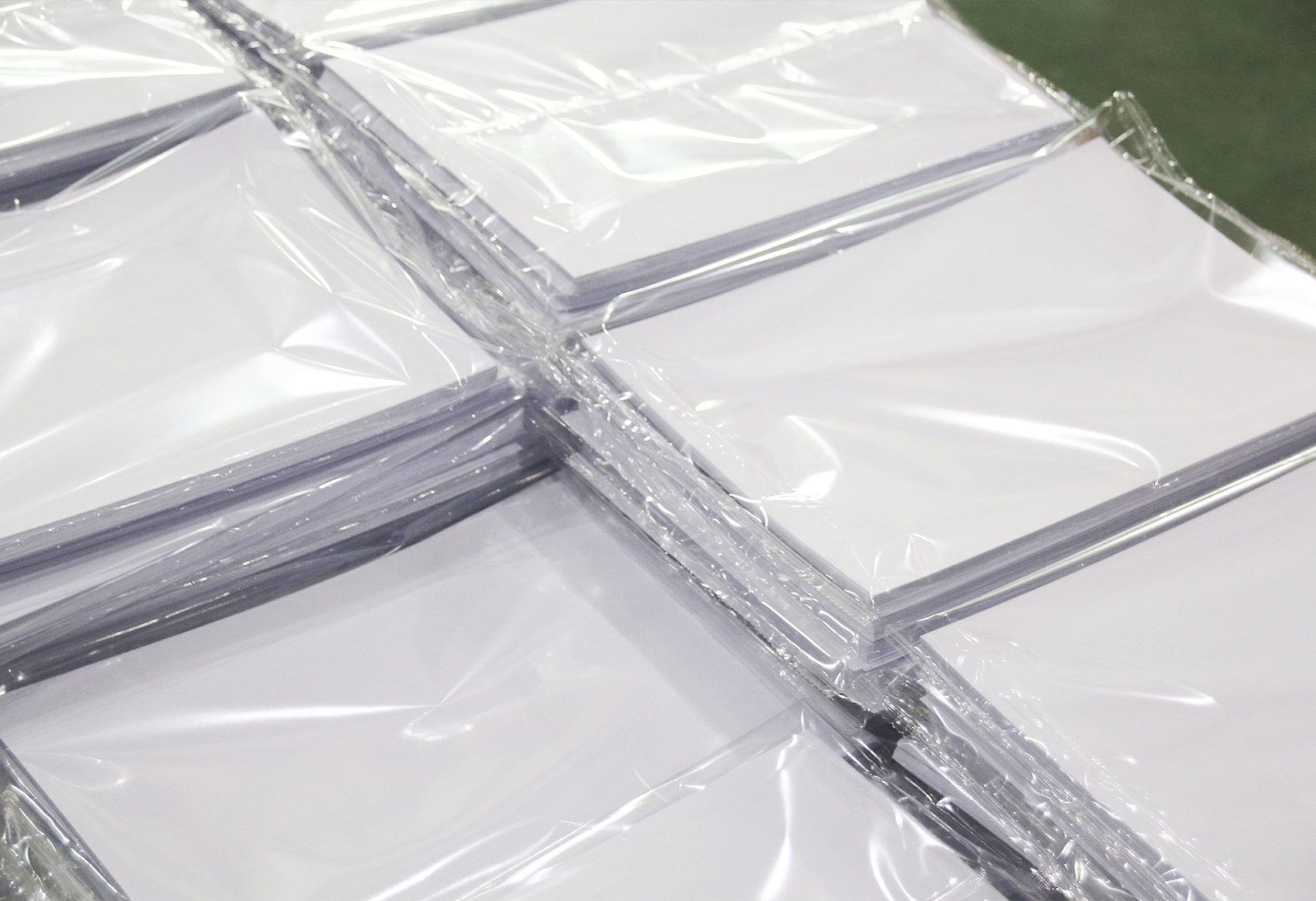
Ream wrapping
Carton packing
Robotic palletizing
Reduced Manual Operation
Traditional production lines require multiple workers for:
With optimized automation, staffing can be reduced while maintaining high productivity.
Fully automatic A4 paper production lines provide significant advantages in labor savings, efficiency, and production consistency. As factories move toward smart manufacturing, automation will continue to play a central role in the paper industry.
Robots maintain consistent stacking patterns and carton alignment.
3. Higher Production Efficiency
The robot can operate continuously with minimal interruption.
4. Improved Safety
Automation reduces manual handling risks and workplace injuries.
Integration with A4 Production Lines
Modern A4 paper lines integrate:
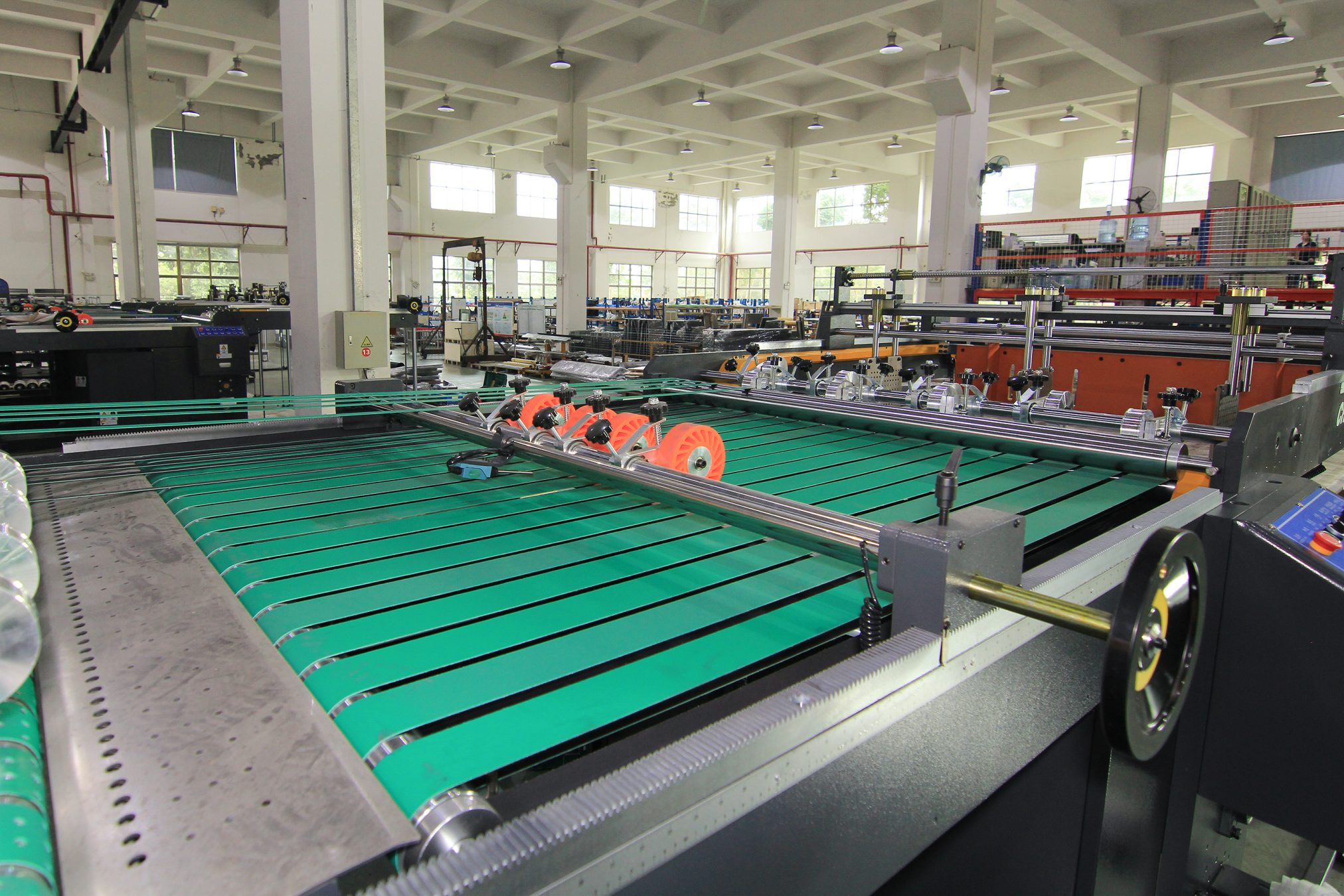
Sheeting machine
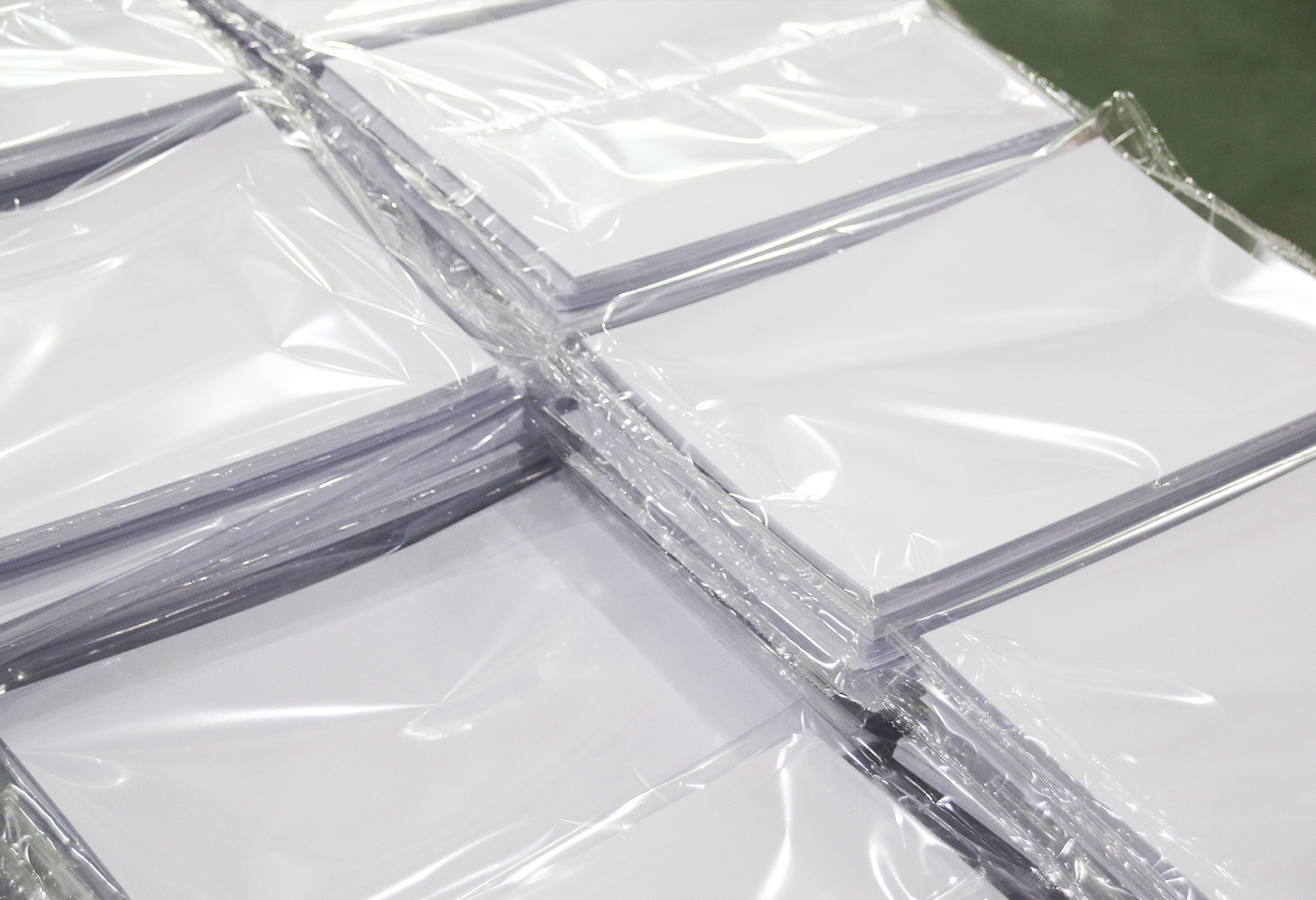
Ream wrapping machine
Carton packing machine
Strapping system
Robotic palletizer
This creates a fully automatic production workflow.
Automatic palletizing robots are becoming standard equipment in high-capacity A4 paper factories. By improving efficiency, reducing labor costs, and increasing consistency, robotic systems help manufacturers achieve smarter and more competitive production.
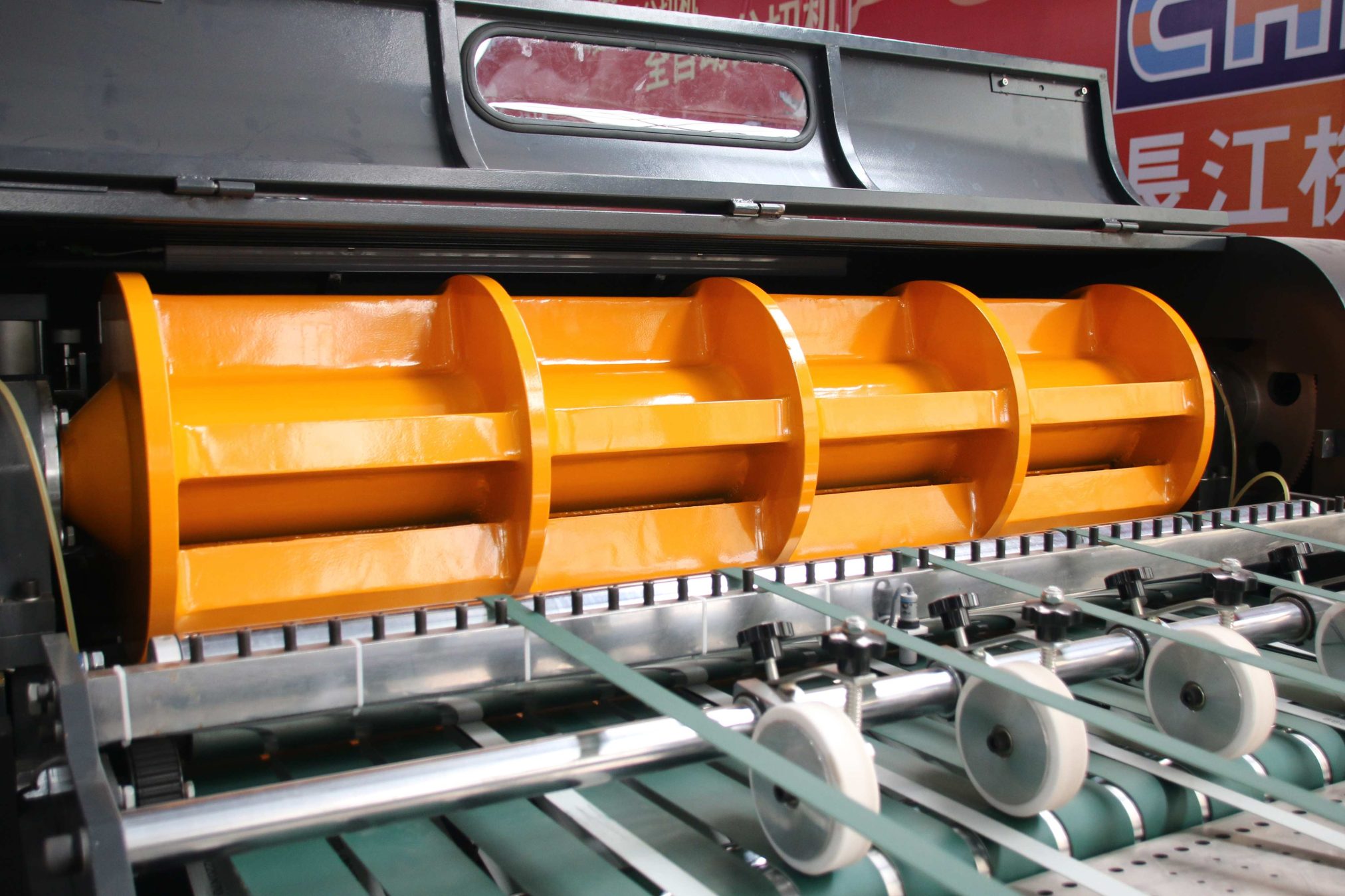
Paper burrs and rough edges are common problems in copy paper manufacturing. Poor cutting quality affects packaging appearance, printing performance, and customer satisfaction.
Understanding the root causes can help factories reduce waste and improve product quality.
Main Causes of Burr Problems
1. Worn Knife Blades
Blunt blades cannot produce clean cuts.
Solution:
Regular blade inspection
Timely blade sharpening
Replace damaged knives immediately
2. Incorrect Knife Clearance
Improper clearance between upper and lower knives can cause tearing instead of cutting.
Solution:
Adjust knife gap precisely
Maintain proper alignment
3. Poor Web Tension
Unstable tension causes paper movement during cutting.
Solution:
Calibrate tension systems regularly
Inspect tension rollers
4. Encoder Problems
Encoder errors can create unstable cutting lengths.
Solution:
Check encoder signals
Inspect electrical connections
5. Feeding Belt Slippage
Slipping belts affect synchronization.
Solution:
Replace worn belts
Adjust belt pressure
Importance of Knife Shaft Synchronization
In double rotary cutting systems, synchronization is extremely important.
Gapless gears and servo synchronization ensure:
Smooth cutting
Stable operation
Reduced vibration
Better edge quality
Preventive Maintenance Tips
Factories should establish routine maintenance plans including:
Lubrication checks
Knife inspection
Gear inspection
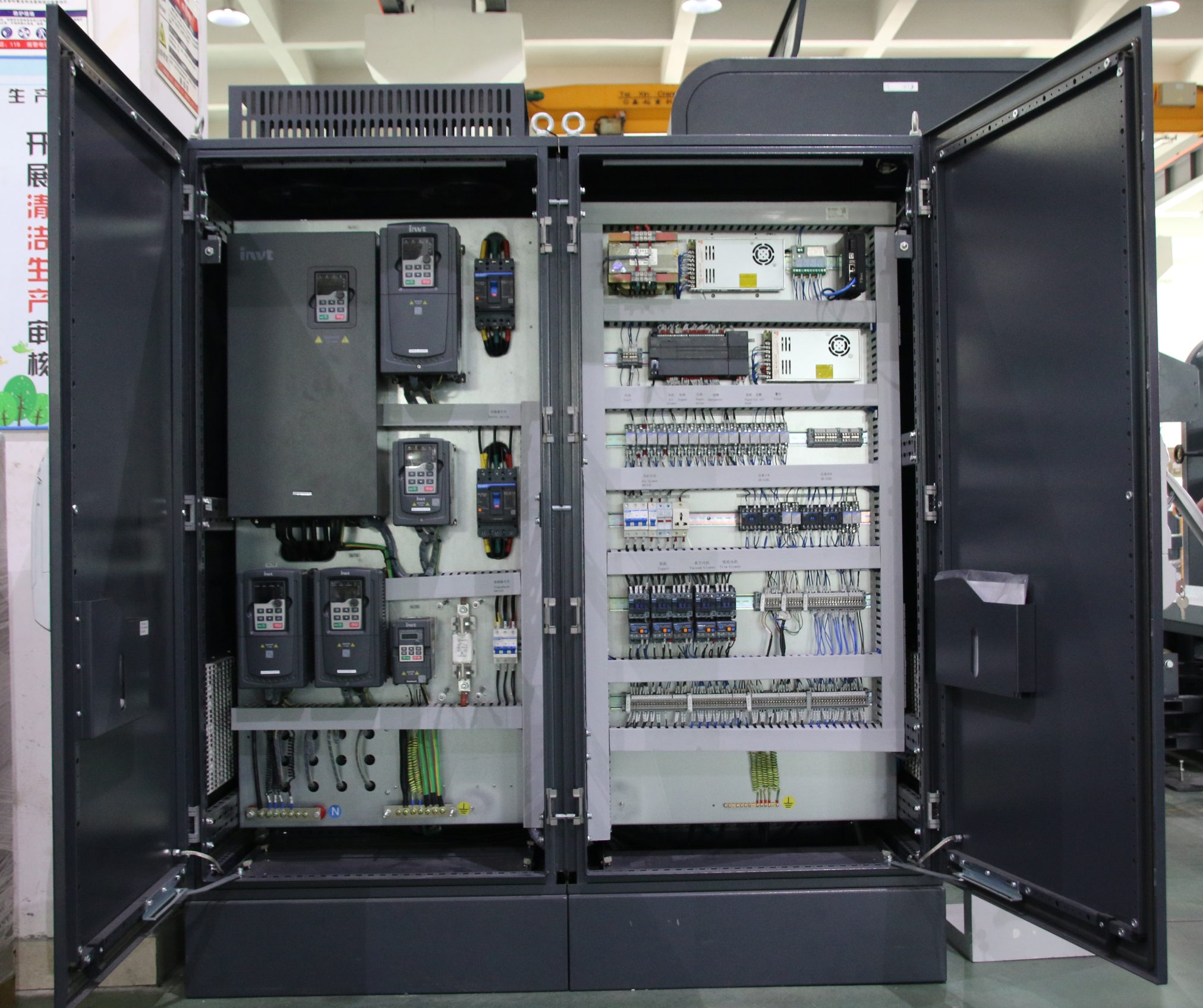
PLC monitoring
Tension calibration
Paper burrs and rough edges are usually caused by mechanical wear, improper adjustment, or unstable synchronization. Through regular maintenance and accurate machine setup, manufacturers can significantly improve cutting quality and production efficiency.
If you’ve ever opened a ream of copy paper that felt damp or saw the wrapper wrinkled and loose, you know how frustrating bad packaging can be. Moisture gets in, the paper curls, and customers complain. That’s why most A4 packaging lines today use PE laminated wrapping paper – not because it’s fancy, but because it actually works.
So what is PE laminated paper?
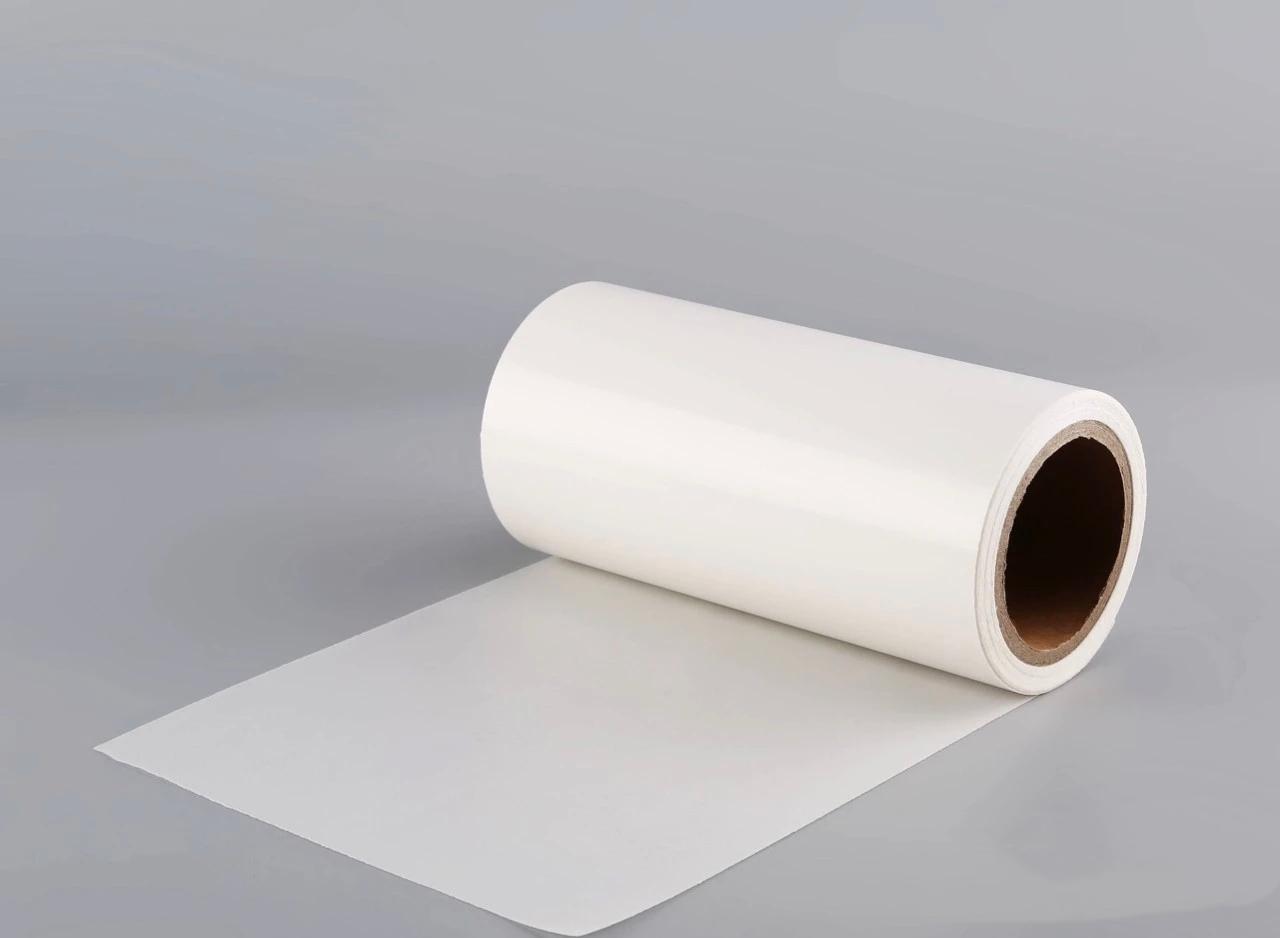
PE film sheet
It’s just regular paper with a thin polyethylene coating on one or both sides. The coating does two things: it blocks moisture, and it lets heat seal the wrapper shut on automatic machines. Without that coating, plain paper would soak up humidity from the air like a sponge, and you’d need tape or glue to close the package.
Why copy paper specifically?
Copy paper is thirsty. It absorbs moisture quickly. In humid climates or during long sea freight, uncoated wrapping paper becomes damp and transfers that moisture to the ream inside. The result? Wavy edges, jamming in printers, and unhappy customers. PE lamination stops that.
Also, automatic wrapping machines (like the SMH-A4B) rely on heat sealing. The machine folds the paper around the ream, applies heat and pressure, and the PE layer melts slightly to bond the overlap. It’s fast, clean, and consistent. You can’t do that with plain paper.
What about other benefits?
The PE coating also gives the wrapper a smoother, more professional look. It resists tearing during handling, so reams don’t show corner damage on the shelf. And because the surface is sealed, ink printing (brand logos, batch numbers) stays sharp – no ink bleeding into the paper fibers.
What paper weight should you use?
From what we’ve seen on actual lines, 70 to 100 gsm works best. 70–80 gsm is fine for standard office copy paper. Go heavier (90–100 gsm) if you’re exporting or stacking pallets high – the extra stiffness helps. The machine needs to handle that range, but most modern packers do.
One thing to watch
Make sure the PE coating is applied properly – not too thin (otherwise sealing fails) and not too thick (else it gets sticky). Also, some suppliers offer “PE laminated” vs. “PE coated.” Lamination is a separate film glued on; coating is directly applied. Coated paper usually performs better on high-speed lines because it doesn’t delaminate.
Bottom line
If you’re setting up an A4 packaging line or troubleshooting wrapper issues, don’t overlook the wrapping paper itself. PE laminated paper is the standard for a reason: it keeps moisture out, seals reliably, and looks good. Cheap paper will cost you more in waste and complaints than you save on material.