Automation Is Reshaping the Paper Converting Industry
As labor costs continue increasing worldwide, more paper converting factories are accelerating automation upgrades. Traditional production methods that rely heavily on manual operation are gradually being replaced by intelligent production systems.
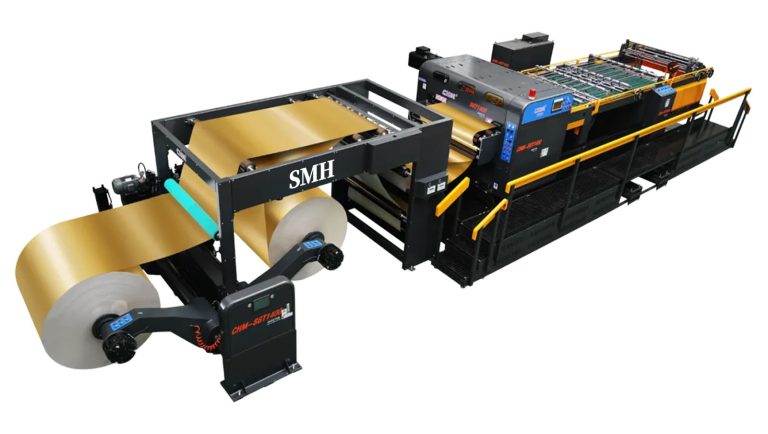
SMH continues developing automatic paper converting solutions that help factories improve production efficiency while reducing labor dependency.
Robotic Stacking Improves Production Efficiency
In traditional production lines, manual stacking and material handling require significant labor and can reduce production continuity.
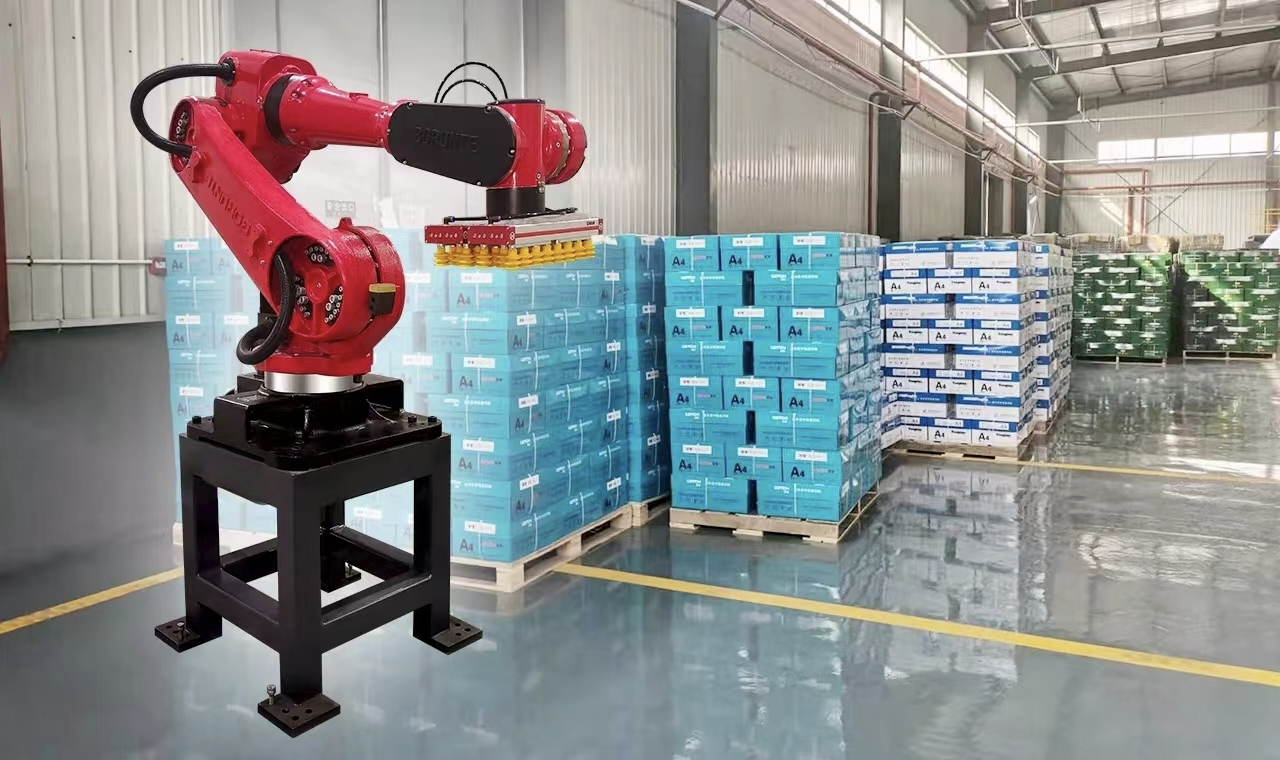
SMH robotic stacking systems automatically organize and stack finished products after packaging. The system improves:
Production efficiency
Stacking consistency
Labor cost control
Factory workflow automation
Automatic operation also reduces the risk of product damage during handling.
Automatic Pallet Changing Reduces Downtime
During continuous production, manual pallet replacement often interrupts machine operation.
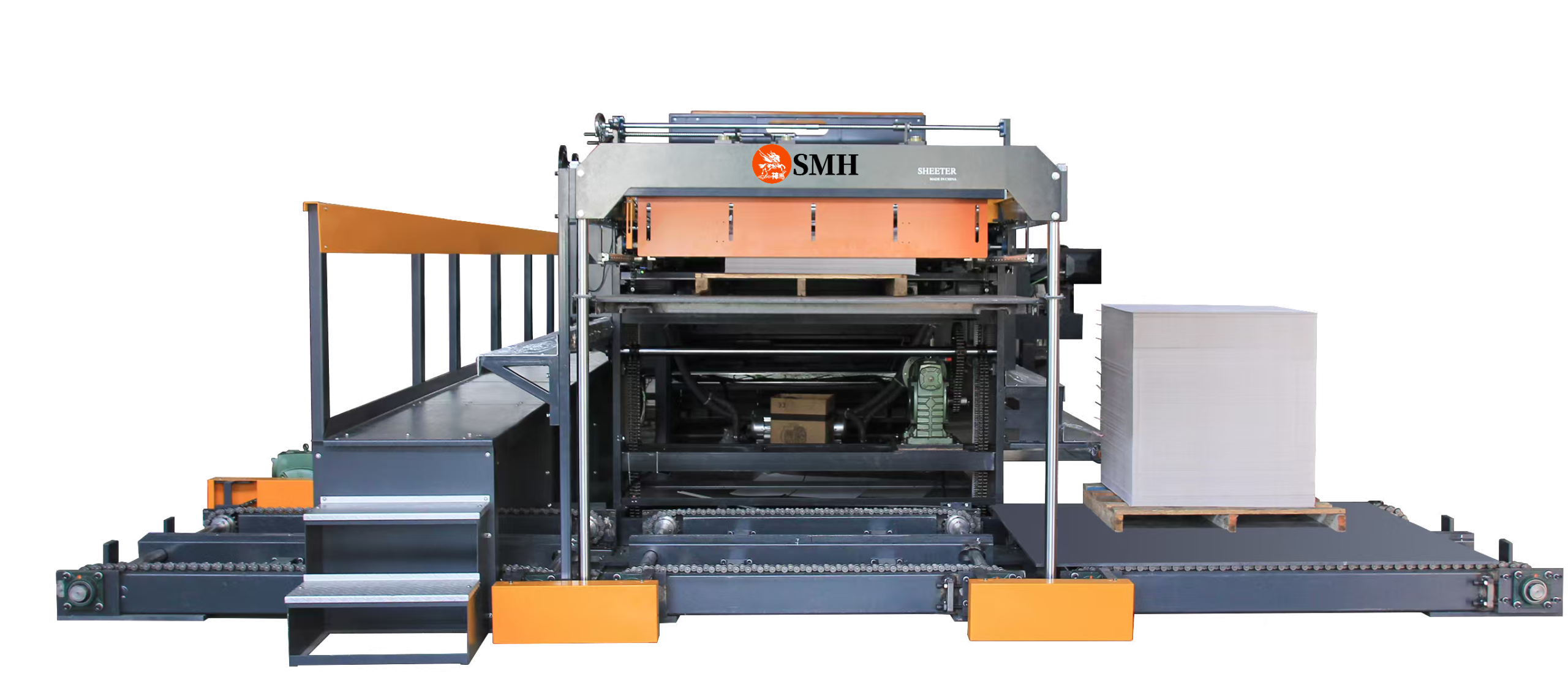
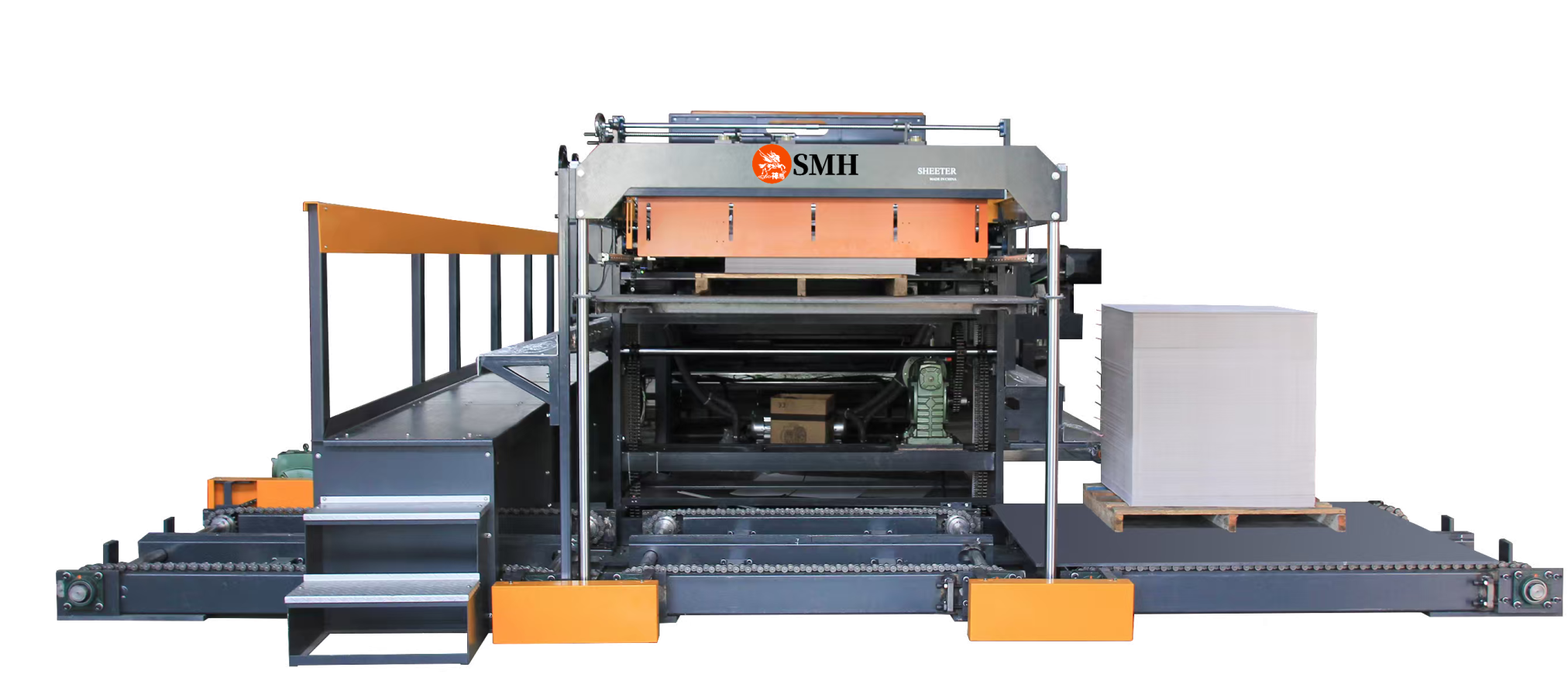
SMH automatic pallet changing systems allow production lines to continue operating during pallet replacement, helping factories maintain stable output during long production cycles.
Combined with automatic conveying systems, the equipment supports continuous production with minimal manual intervention.
Building Intelligent Production Lines
Modern paper converting factories increasingly require integrated automation systems that combine:
Automatic sheeting
Packaging
Stacking
Conveying
Pallet changing
SMH provides complete intelligent production solutions that help customers improve production stability and reduce operational costs.
The Future of Smart Manufacturing
As Industry 4.0 technologies continue developing, intelligent automation is becoming a key direction for the paper converting industry.
SMH remains committed to improving automation technology, intelligent control systems, and production efficiency to help customers build modern unmanned factories for future production demands.
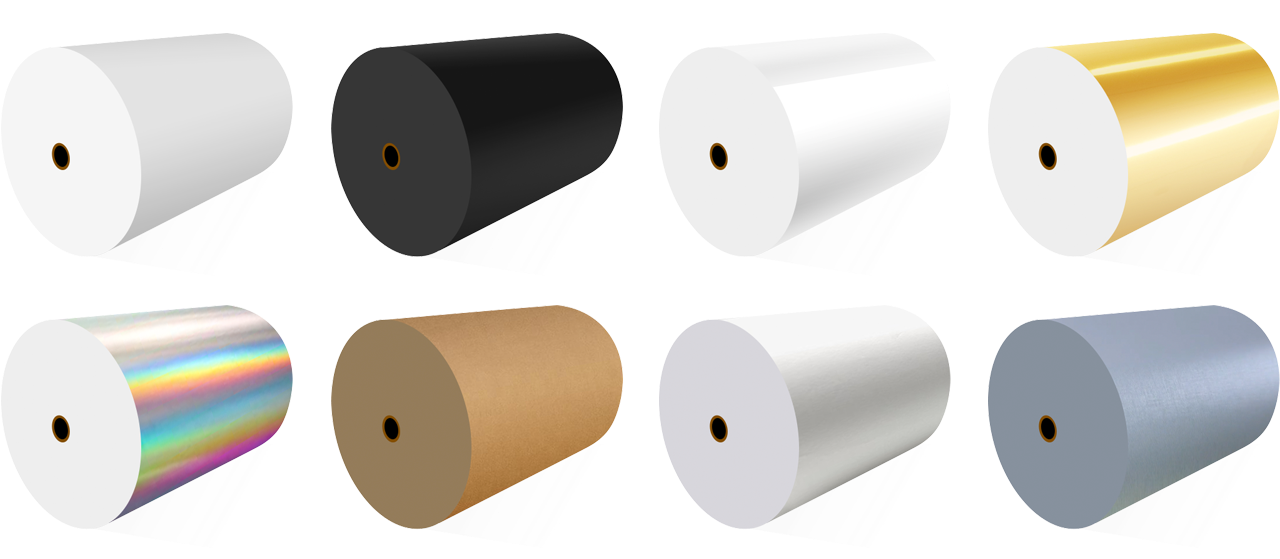
High GSM cardboard and premium packaging paper are widely used in luxury packaging, cigarette packaging, wine boxes, and high-end printing applications. Compared with standard paper grades, these materials require higher slitting precision and better edge quality.
If slitting quality is unstable, problems such as paper dust, rough edges, and coating damage can directly affect printing and packaging performance.
Why Heavy Paper Is More Difficult to Process
High-thickness paper materials place greater pressure on slitting systems during high-speed production. Traditional equipment may experience:
Blade vibration
Edge cracking
Dust generation
Uneven roll tension
These issues can reduce product quality and increase material waste.
SMH Precision Slitting Solutions
To improve cutting performance for heavy paper materials, SMH slitting machines integrate:
High-rigidity machine structures
Precision knife positioning systems
Stable servo-driven tension control
High-precision rewinding systems
The combination of stable tension and precise knife adjustment helps maintain clean cutting edges during continuous operation.
Reducing Paper Dust During Production
Paper dust is a major concern for premium packaging manufacturers. Excessive dust can affect printing quality, coating performance, and final product appearance.
SMH optimizes blade angle, slitting pressure, and web tension to reduce dust generation while improving edge smoothness.
The system is suitable for processing:
White cardboard
Duplex board
Cigarette packaging paper
Wine packaging paper
High-end coated paper
Meeting the Requirements of Modern Packaging Production
As packaging manufacturers demand higher production quality and efficiency, precision slitting technology becomes increasingly important.
SMH continues improving slitting stability, automation performance, and machine durability to help customers achieve stable production quality for premium packaging materials.
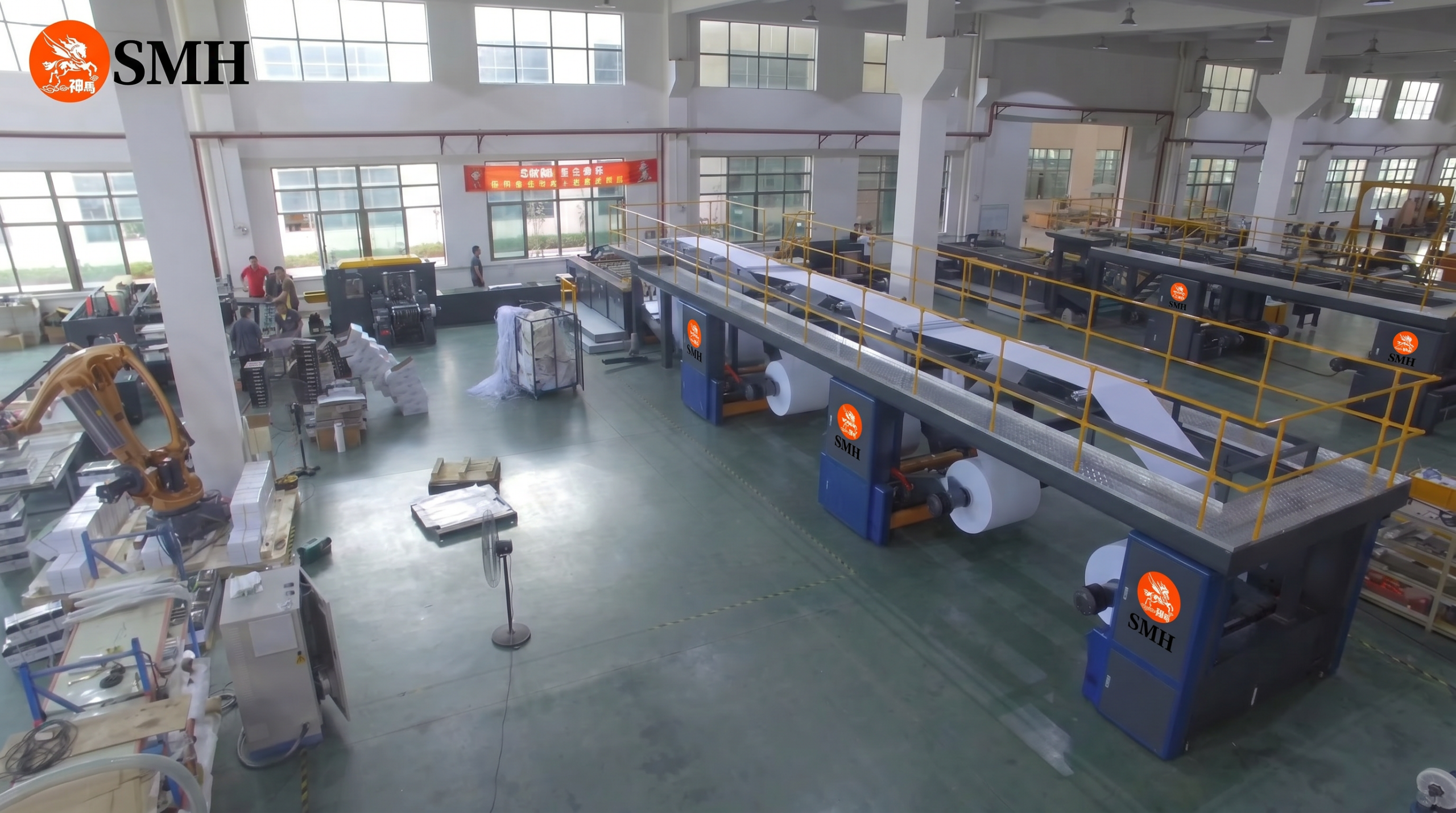
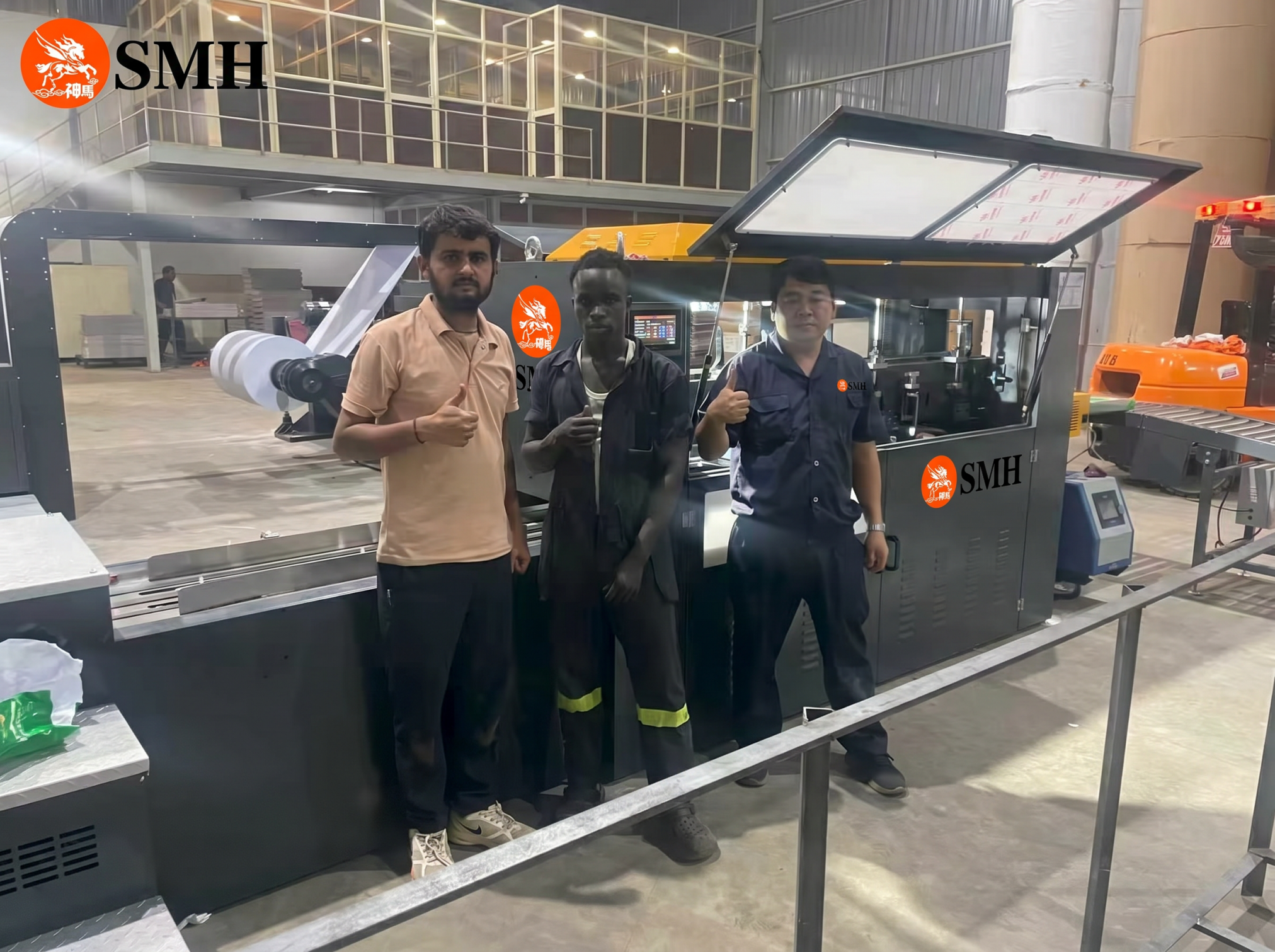
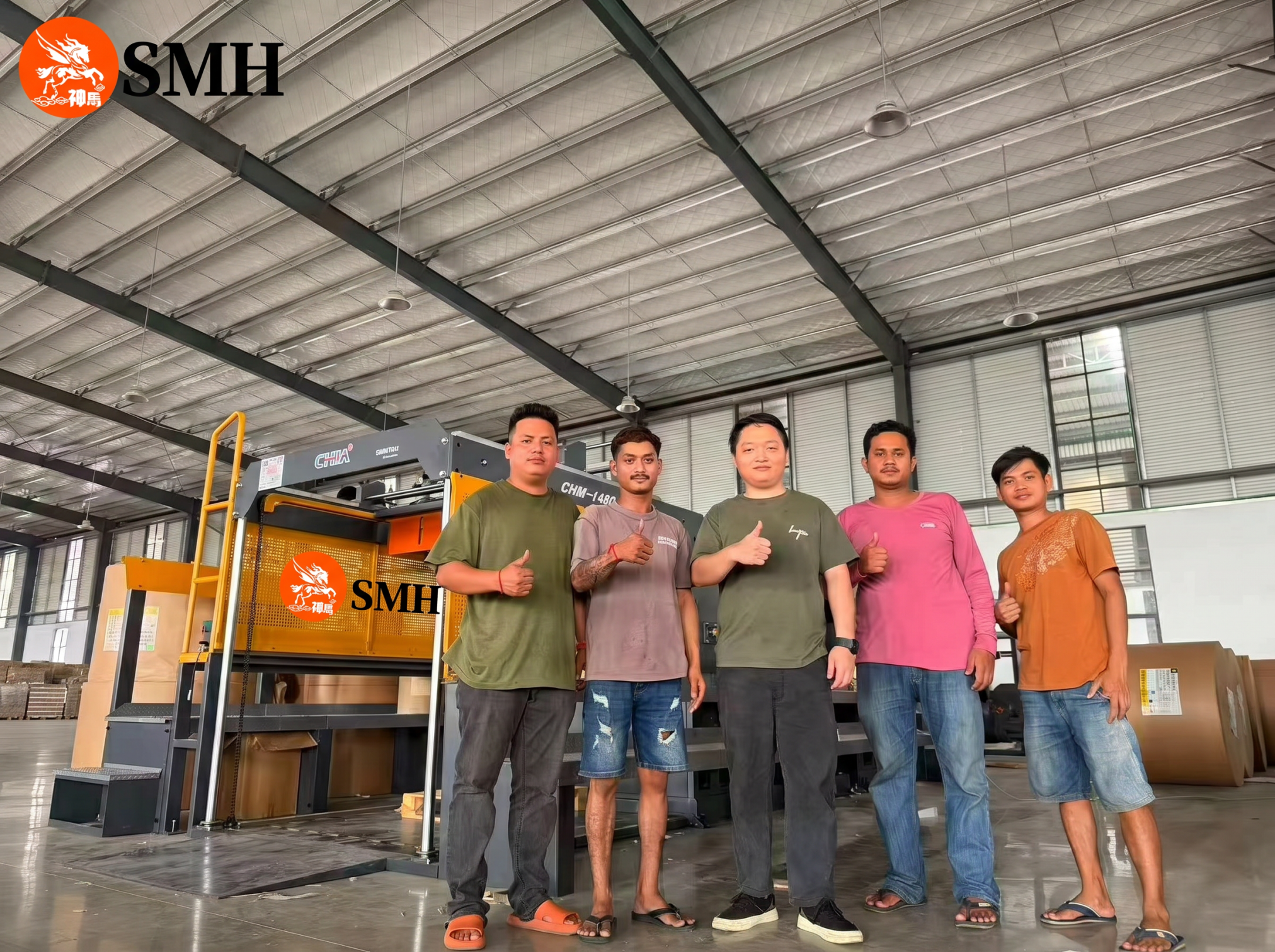
A large paper converting factory in Southeast Asia recently completed a production upgrade project using SMH automatic paper converting equipment. After installation and commissioning, the customer successfully improved production efficiency and significantly increased daily output capacity.
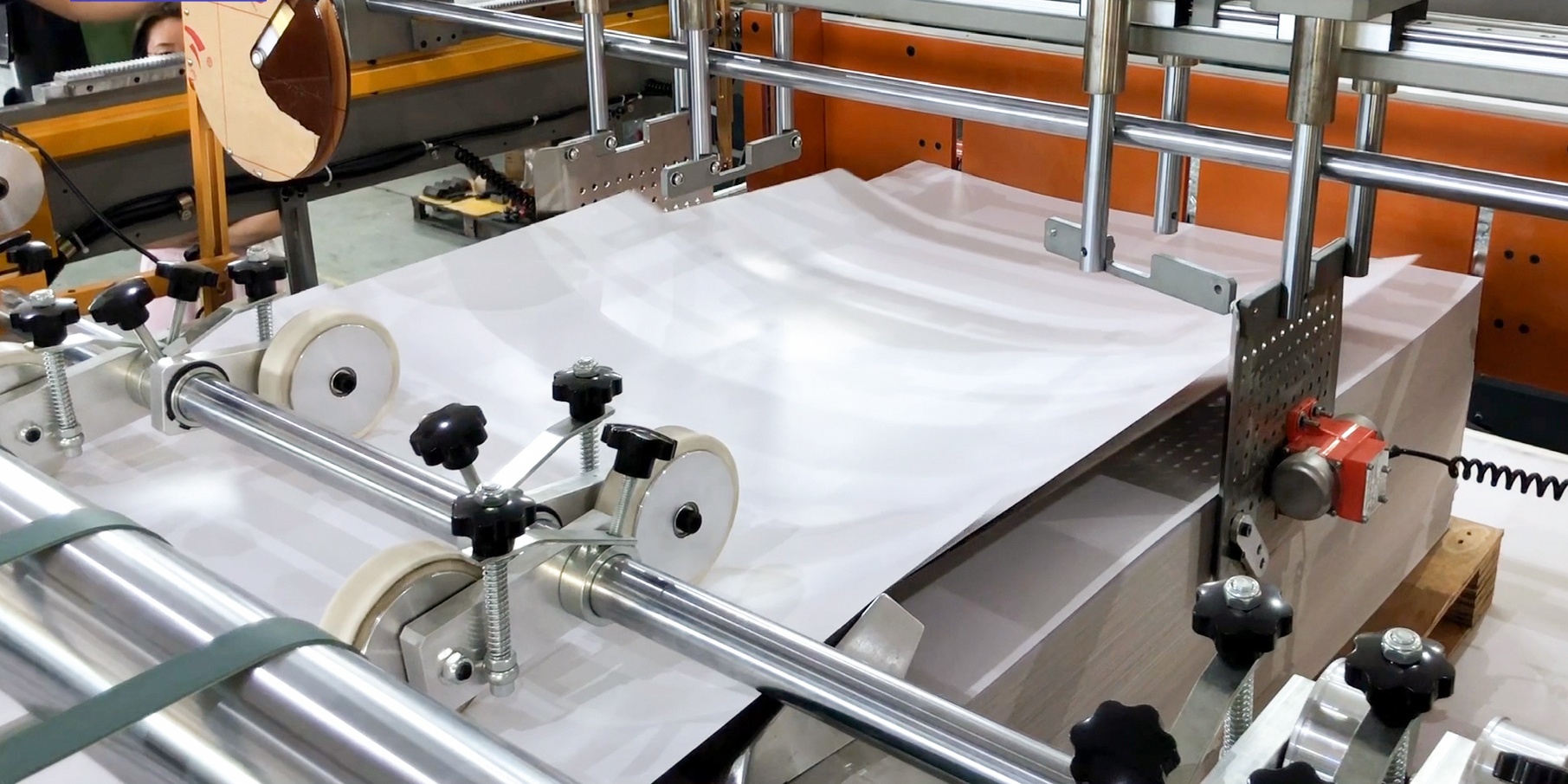
The project included automatic sheeting, ream packaging, conveying, and stacking systems designed for continuous high-speed operation.
Replacing Traditional Manual Production
Before the upgrade, the factory relied heavily on manual packaging and semi-automatic production methods. Frequent stoppages, labor dependency, and unstable production efficiency limited overall capacity growth.
After introducing the SMH automatic production line, the factory optimized multiple production processes including:
Automatic paper feeding
High-speed sheeting
Automatic counting
Ream packaging
Finished product conveying
The integrated system helped reduce manual intervention while improving production continuity.
Stable Operation Improves Production Efficiency
One of the key challenges for large-scale paper manufacturers is maintaining stable machine operation during long production cycles.
During commissioning, the SMH production line demonstrated:
Stable cutting precision
Smooth paper conveying
Accurate ream counting
Reliable packaging performance
The factory also benefited from reduced paper waste and lower labor costs.
Technical Support During Installation
SMH engineers stayed at the customer’s factory throughout installation and startup. The team provided equipment commissioning, operator training, and maintenance guidance to ensure stable long-term production.
By optimizing machine settings according to local production requirements, the factory achieved faster production startup and improved operational efficiency.
Supporting Global Paper Manufacturers
Today, SMH equipment supports paper mills and packaging factories across Asia, Europe, Africa, and South America. As demand for automatic paper converting equipment continues growing, more manufacturers are investing in intelligent production systems to improve competitiveness and production stability.
Thin Paper Processing Requires Higher Equipment Stability
Thin paper materials such as Bible paper, silicone release paper, and lightweight specialty paper are widely used in printing, packaging, food packaging, and industrial applications. However, these materials are extremely sensitive during slitting and rewinding.
Problems such as paper wrinkles, unstable tension, edge damage, and web breakage often occur when traditional slitting systems process ultra-thin paper.
To improve production stability for thin paper converting, SMH developed the L-Type High-Low Unwind Stand solution.
Optimized Web Feeding for Thin Paper Materials
The SMH L-Type unwind structure is designed to improve paper feeding stability during high-speed operation. By optimizing the paper web path and reducing unnecessary tension fluctuations, the system helps maintain smooth paper running throughout the slitting process.
Compared with traditional unwind structures, the L-Type design improves:
Web tension stability
Feeding smoothness
Paper roll alignment
Thin paper running control
This is especially important for lightweight papers that are highly sensitive to tension variation.
Stable Slitting for Sensitive Paper Grades
Bible paper and silicone-coated release paper require extremely clean cutting quality. Even small vibration or tension instability can affect final roll quality.
SMH slitting systems integrate:
Automatic tension control
Servo synchronization systems
High-precision knife positioning
Stable rewinding structures
These technologies help reduce edge damage, paper wrinkles, and roll deformation during production.
Supporting Multiple Specialty Paper Applications
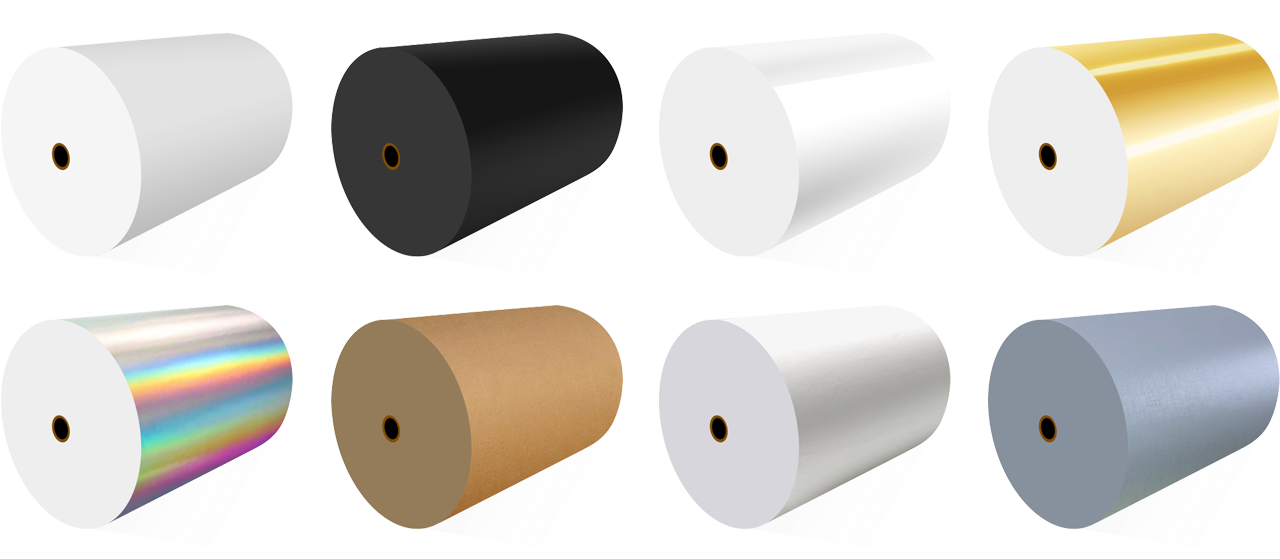
In addition to Bible paper and silicone release paper, SMH slitting machines are also widely used for:
Lightweight coated paper
Food packaging paper
Medical packaging paper
Thermal paper
Label base paper
As demand for specialty paper continues growing, stable thin paper processing equipment is becoming increasingly important for paper converting factories.
SMH continues developing precision slitting solutions that help customers improve efficiency, reduce waste, and maintain stable production quality for sensitive paper materials.
Thin Paper Processing Requires Higher Equipment Stability
Thin paper materials such as Bible paper, silicone release paper, and lightweight specialty paper are widely used in printing, packaging, food packaging, and industrial applications. However, these materials are extremely sensitive during slitting and rewinding.
Problems such as paper wrinkles, unstable tension, edge damage, and web breakage often occur when traditional slitting systems process ultra-thin paper.
To improve production stability for thin paper converting, SMH developed the L-Type High-Low Unwind Stand solution.
Optimized Web Feeding for Thin Paper Materials
The SMH L-Type unwind structure is designed to improve paper feeding stability during high-speed operation. By optimizing the paper web path and reducing unnecessary tension fluctuations, the system helps maintain smooth paper running throughout the slitting process.
Compared with traditional unwind structures, the L-Type design improves:
Web tension stability
Feeding smoothness
Paper roll alignment
Thin paper running control
This is especially important for lightweight papers that are highly sensitive to tension variation.
Stable Slitting for Sensitive Paper Grades
Bible paper and silicone-coated release paper require extremely clean cutting quality. Even small vibration or tension instability can affect final roll quality.
SMH slitting systems integrate:
Automatic tension control
Servo synchronization systems
High-precision knife positioning
Stable rewinding structures
These technologies help reduce edge damage, paper wrinkles, and roll deformation during production.
Supporting Multiple Specialty Paper Applications
In addition to Bible paper and silicone release paper, SMH slitting machines are also widely used for:
Lightweight coated paper
Food packaging paper
Medical packaging paper
Thermal paper
Label base paper
As demand for specialty paper continues growing, stable thin paper processing equipment is becoming increasingly important for paper converting factories.
SMH continues developing precision slitting solutions that help customers improve efficiency, reduce waste, and maintain stable production quality for sensitive paper materials.