
Archives March 2026

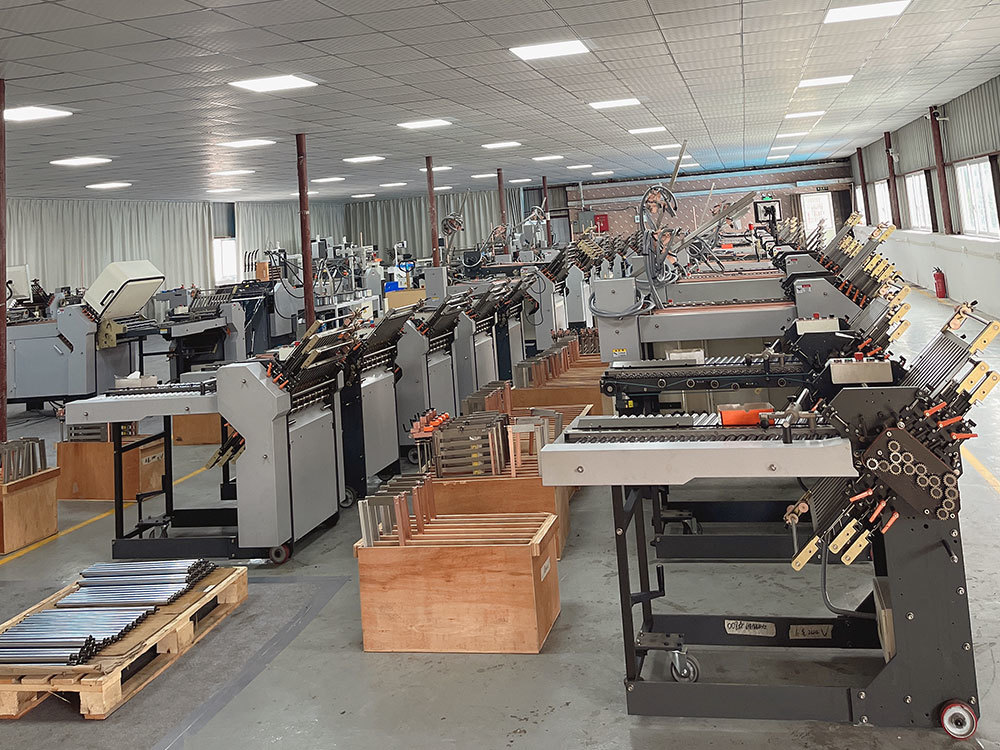
Folding machines offer various folding styles, including parallel, cross, and core folding.
The Essential Role of Folding Machines in the Printing Industry

Improve Production Efficiency:
Manual folding is slow and inefficient. Folding machines, however, drastically reduce folding time. For example, an advanced folding machine in a large printing plant can process tens of thousands of sheets per hour—dozens of times faster than manual folding. This allows printing companies to complete large orders quickly and meet the demand for fast delivery.
Ensure Folding Accuracy:
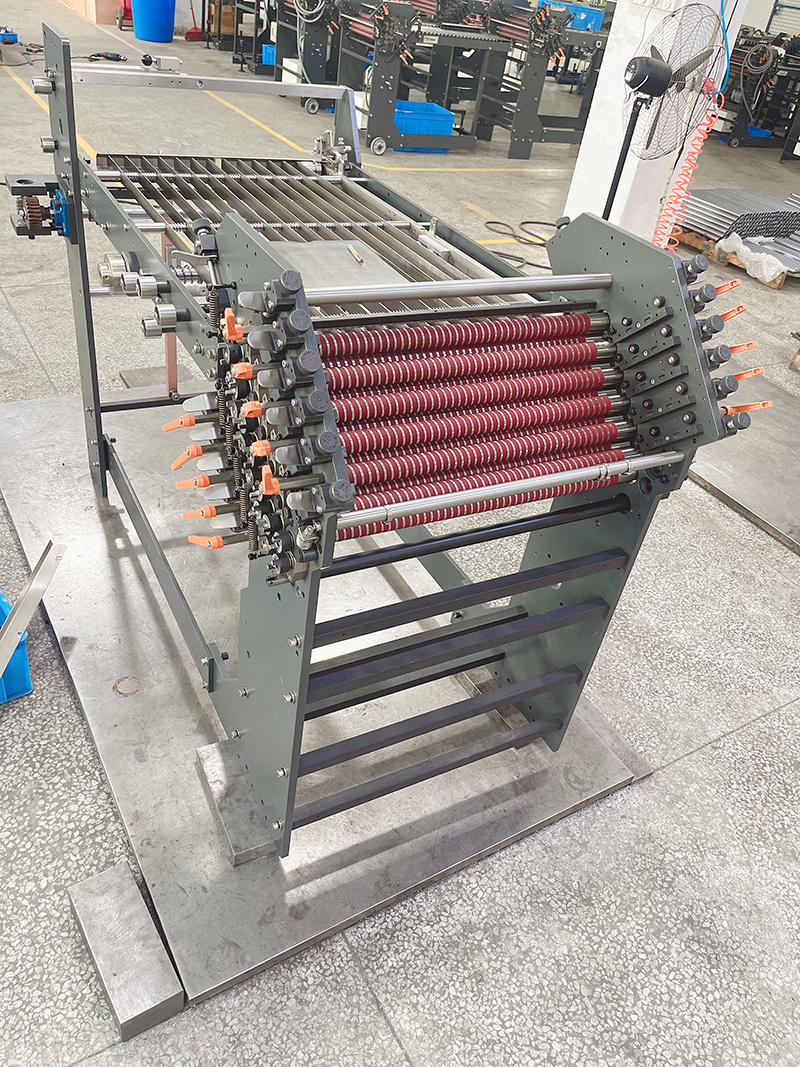
Manual folding often lacks consistency, while folding machines precisely control fold size and angle. For industries with high-quality standards—such as high-end publications and brochures—folding machines ensure uniform folds on every page, enhancing the overall quality and appearance of printed products.

Expand Business Opportunities:
Folding machines offer various folding styles, including parallel, cross, and core folding. Printing companies can leverage these options to create innovative products like promotional posters with unique folds and 3D greeting cards, attracting more customers and expanding their market reach.


Efficient Production of Drug Instructions:
Drug instructions are vital for pharmaceutical companies to communicate important information to patients. Folding machines can fold these instructions quickly and accurately, ensuring they meet quality standards. This not only boosts production efficiency but also prevents packaging issues caused by improper folding.

Compliance with Good Manufacturing Practice (GMP):
Modern folding machines are designed with hygiene and easy cleaning in mind. Their materials and structures facilitate thorough disinfection, enabling them to meet the strict hygiene standards required by pharmaceutical companies. This prevents contamination during drug production and packaging, ensuring compliance with GMP regulations.

Folding Machines Foster Collaboration Between the Printing and Pharmaceutical Industries:
Although the printing and pharmaceutical industries may seem unrelated, they are closely connected. Pharmaceutical companies require large quantities of printed materials, including drug instructions and promotional content. Folding machines enhance the efficiency and quality of printing, indirectly benefiting pharmaceutical companies with superior printed products and services. As the pharmaceutical industry grows, it drives the expansion of printing businesses, creating a positive feedback loop. Efficient use of folding machines supports the development of both industries, revitalizing printing while strengthening pharmaceutical operations.
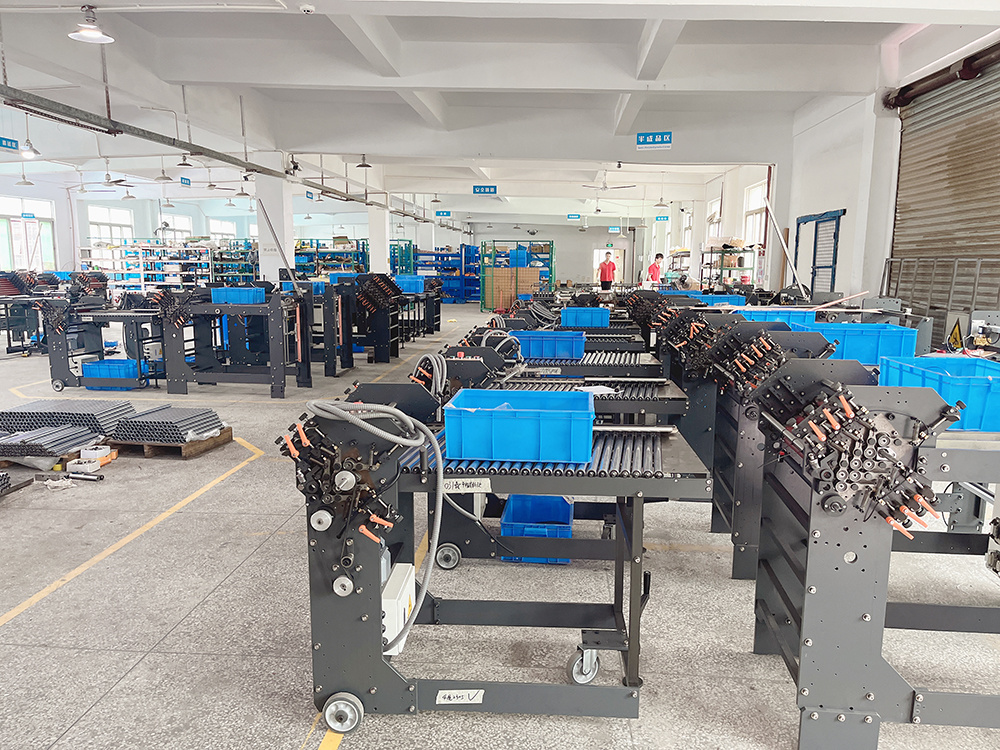
Folder Machine Parameter

1.High Efficiency and Precision

  • Utilizes an advanced automated control system for accurate folding with minimal errors.
  • Operates at high speeds, processing numerous instruction sheets per minute to significantly boost production efficiency.
  • Compatible with various paper types and sizes, offering flexible solutions for diverse production requirements.

2.Stability and Reliability for Continuous Operation

  • Built with a rugged, durable mechanical structure to ensure long-lasting, stable performance.
  • Features an intelligent fault detection system for quick problem identification and reduced downtime.
  • Designed for low maintenance, lowering operating costs and supporting uninterrupted production.

3.Easy Operation and Maintenance

    • User-friendly interface enables operators to learn and operate the machine quickly.
    • Modular design allows easy disassembly and maintenance, minimizing downtime and repair expenses.
    • Comes with comprehensive manuals and technical support to guarantee hassle-free use.

    4.Energy-Efficient and Environmentally Friendly

    • Equipped with energy-saving motors and eco-friendly materials to reduce power consumption and environmental impact.
    • Meets international pharmaceutical industry standards to ensure safe and compliant production processes.
    • Low noise design enhances the working environment and employee comfort.

    Use energy-saving motors and eco-friendly materials to minimize energy consumption and reduce environmental impact.
    Adhere to international pharmaceutical industry standards to ensure production safety and regulatory compliance.
    Low-noise design enhances the work environment and boosts employee comfort.

    1. Customized Services to Meet Individual Needs.
      Offer a range of configuration options tailored to diverse customer requirements.
      Provide custom design and manufacturing to ensure equipment fully aligns with specific production processes.
      Deliver comprehensive pre-sales, sales, and after-sales support to guarantee customer satisfaction.
    2. Versatile Applications Across Industries
      Ideal for folding instructions in pharmaceuticals, health products, cosmetics, and related sectors.
      Capable of handling various instruction sizes and materials to accommodate different production demands.
      Widely used by large pharmaceutical companies, small to medium-sized factories, and packaging and printing businesses.
    3. Intelligent and Scalable Upgrades
      Supports smart upgrades and seamless integration with other production line equipment.
      Includes expansion interfaces for future functionality enhancements and technological improvements.
      Offers ongoing technical support and software updates to keep equipment at the forefront of the industry.
    The key advantage of this system is its precise adaptation to medium-to-long-run processing needs, which require continuous, stable paper feeding.
    Long Sheets Of Work On Smh Folder Machines

    The key advantage of this system is its precise adaptation to medium-to-long-run processing needs, which require continuous, stable paper feeding. Traditional machines must stop frequently to change paper, disrupting workflow, increasing downtime, and complicating operations. This system solves these issues with a “non-stop paper feeding” mode: when one paper supply nears depletion, another is replenished without halting the machine, enabling seamless feeding. This approach eliminates the downtime and waiting periods typical of conventional feeders, ensuring continuous operation and minimizing efficiency losses.

    Additionally, the circulating paper feeder excels in handling a wide range of paper types, including “special” papers that challenge traditional systems. For wrinkled or uneven paper commonly seen in printing, its optimized suction mechanism and feeding path ensure smooth, stable paper transport, preventing jams and folding errors. It also effectively processes pre-folded, pre-cage-stamped, and pre-perforated papers, further expanding its versatility and reliability in diverse production scenarios.

    From an industry perspective, as printing and packaging demand higher production efficiency, better quality, and stricter cost control, the value of the recirculating paper feeder system becomes increasingly clear. It not only strengthens the market competitiveness of folding machines but also helps companies optimize processes and improve their core strengths. Whether serving the large-scale production needs of small and medium enterprises or the efficiency goals of large corporations, this stable, efficient, and flexible system revitalizes the paper processing industry and drives it toward greater productivity and quality.