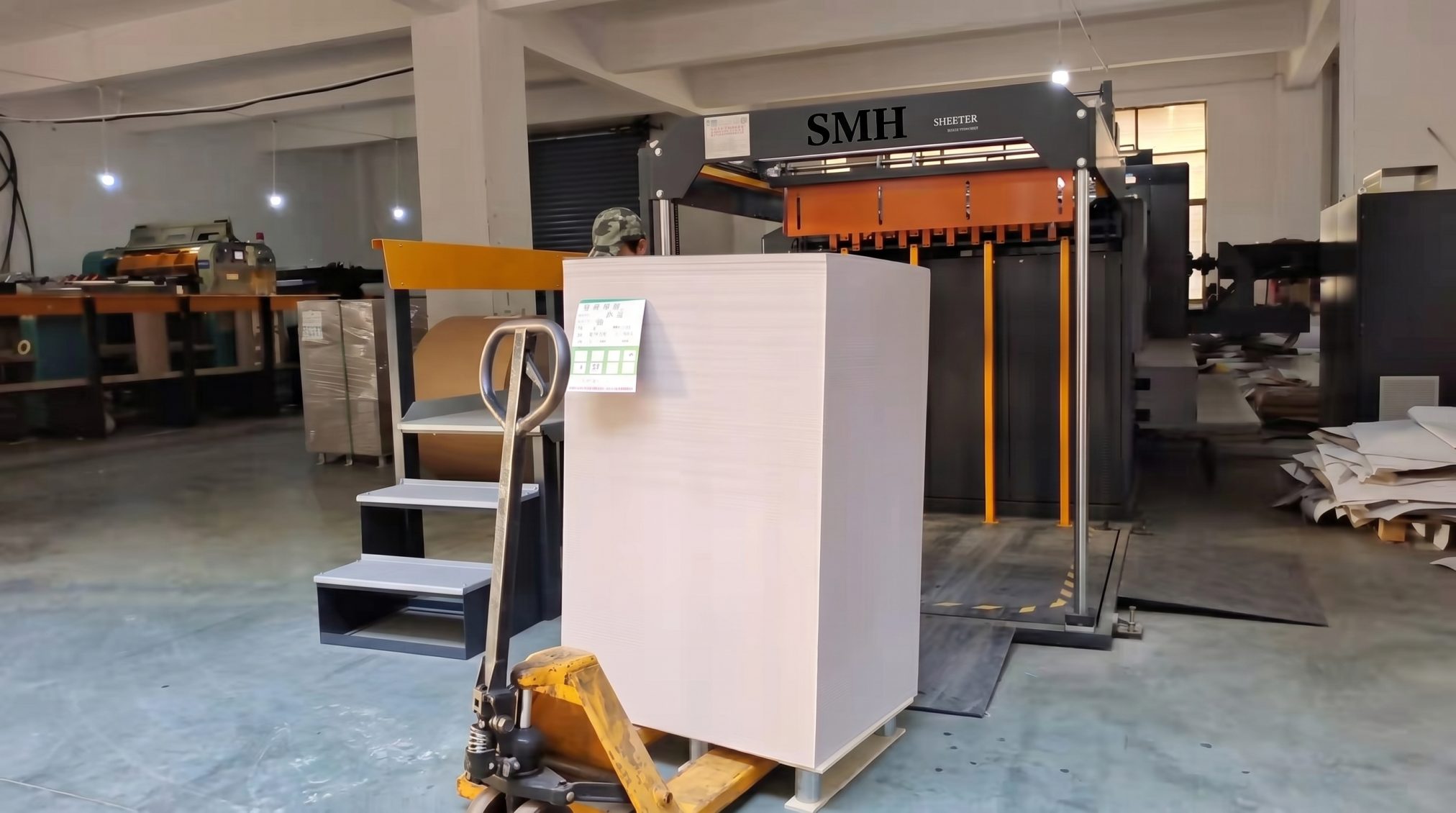
Why High-Speed Lines Still Generate Waste | Practical Insight

Many plant owners assume that increasing machine speed will directly increase output.
In practice, this is often not the case.

A line running faster does not automatically produce more saleable product.
If the system is not properly balanced, higher speed usually leads to more instability—and more waste.

The Real Problem: Lack of Synchronization

In most cases, waste at high speed is not caused by the cutting unit itself.
It comes from poor coordination between different sections of the line.
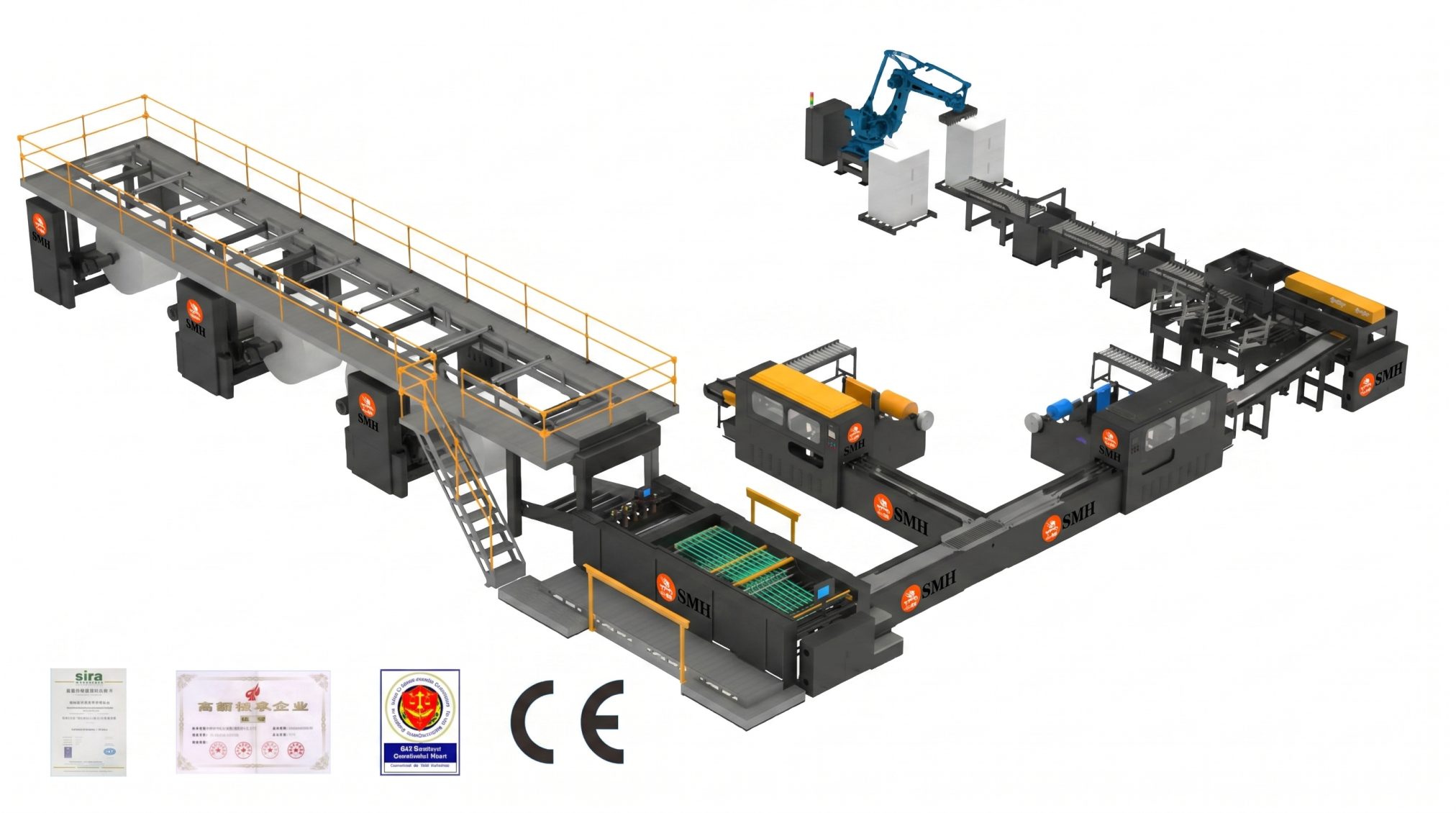
A typical converting line includes:

  • cutting
  • conveying
  • stacking
  • packing

If these parts are not synchronized, problems appear quickly.

For example:

  • sheets leave the cutter faster than the conveyor can handle
  • conveying speed does not match stacking rhythm
  • stacking cannot stabilize sheets before the next batch arrives

The result is predictable: misalignment, wrinkling, sheet overlap, or jams.

All of these become waste.

Why Speed Amplifies Small Problems

At lower speeds, minor issues are often manageable.
Operators can make adjustments, and the system has more tolerance.

At higher speeds, the situation changes.

Small deviations—such as slight timing differences or uneven sheet flow—are magnified.
What was once a minor fluctuation becomes a visible defect or a stop.

This is why some lines perform well at medium speed but struggle when pushed closer to their rated capacity.

Where Waste Typically Comes From

In high-speed production, waste is usually generated in three areas:

1. Transfer Between Sections
If sheet flow is not smooth between cutting and conveying, alignment is lost.

2. Stacking Stability
If sheets are not properly controlled during stacking, they shift, overlap, or become uneven.

3. Process Timing Mismatch
If one unit runs faster or slower than the others, the entire flow becomes unstable.

None of these are caused by speed alone.
They are caused by lack of coordination.

What a Balanced Line Looks Like

A stable high-speed line is not defined by how fast one machine runs, but by how well all sections work together.

In a properly configured system:

  • cutting speed matches conveying capacity
  • conveying speed matches stacking rhythm
  • stacking output matches packing capability

Each part supports the next, without forcing it.

This is what allows the line to run fast without increasing waste.

Conclusion

Higher speed does not guarantee higher efficiency.
Without synchronization, it often does the opposite.

Real efficiency comes from balance—where every part of the line operates in coordination.
Only then can higher speed translate into higher output, rather than higher loss.

How Automation Reduces Labor Cost — Without Limiting Output

Labor is one of the largest and most unpredictable costs in paper converting. Wages rise, availability fluctuates, and consistency depends on operator skill.

But cutting labor cost doesn’t have to mean cutting output. Done right, automation restructures production so you get more stability with fewer people.

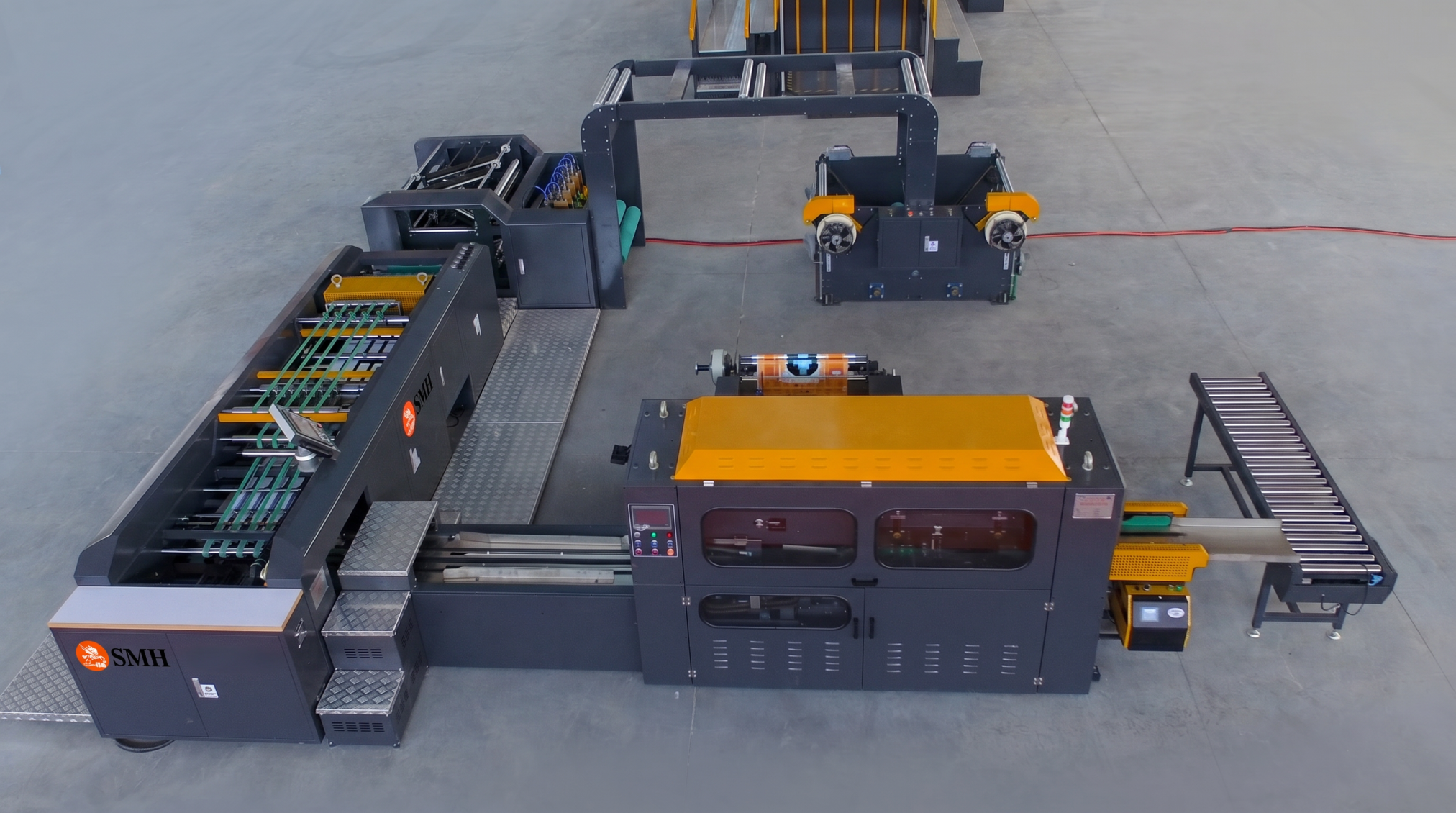
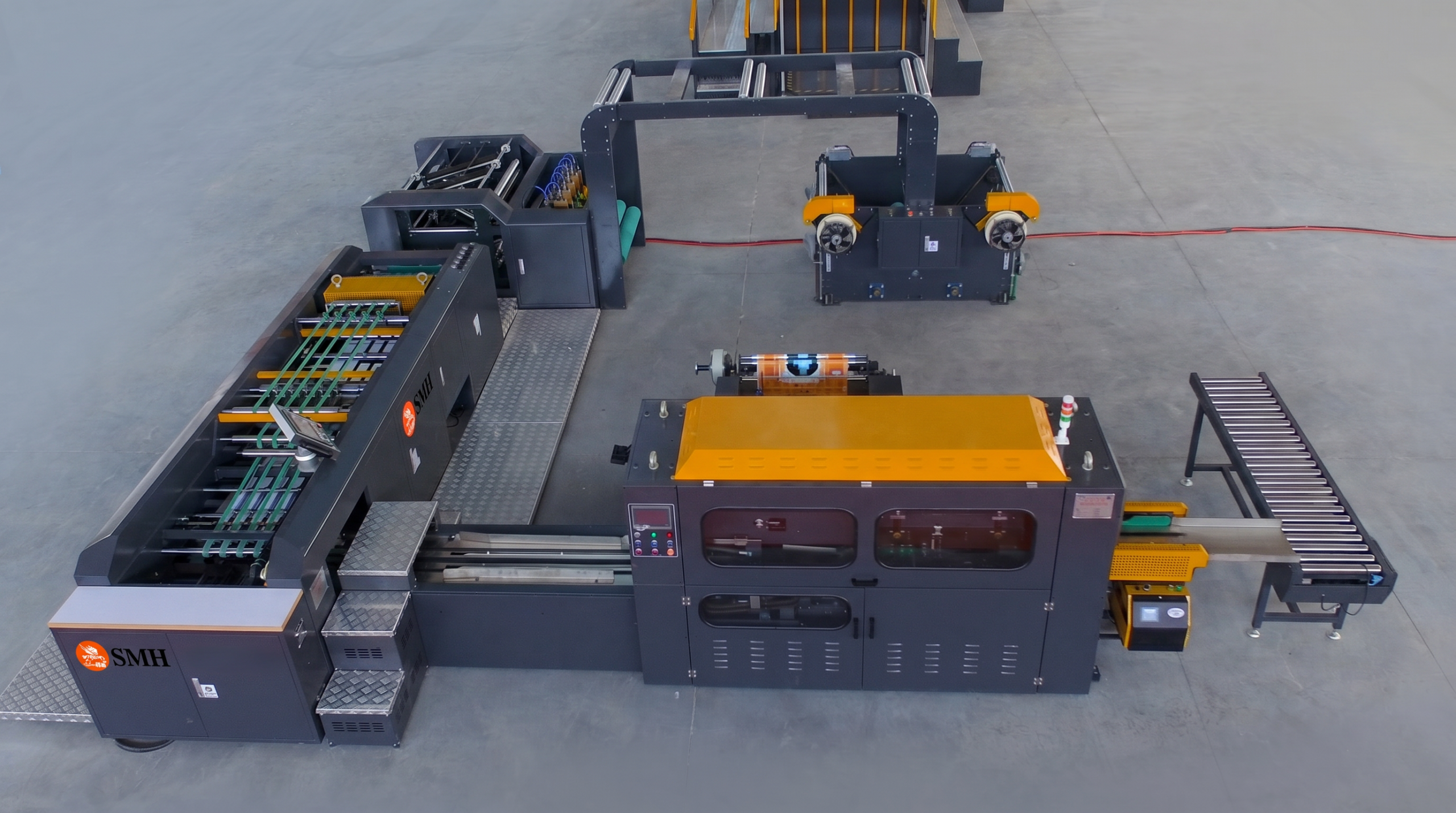
A4 paper cutting machine

Where Labor Cost Really Comes From

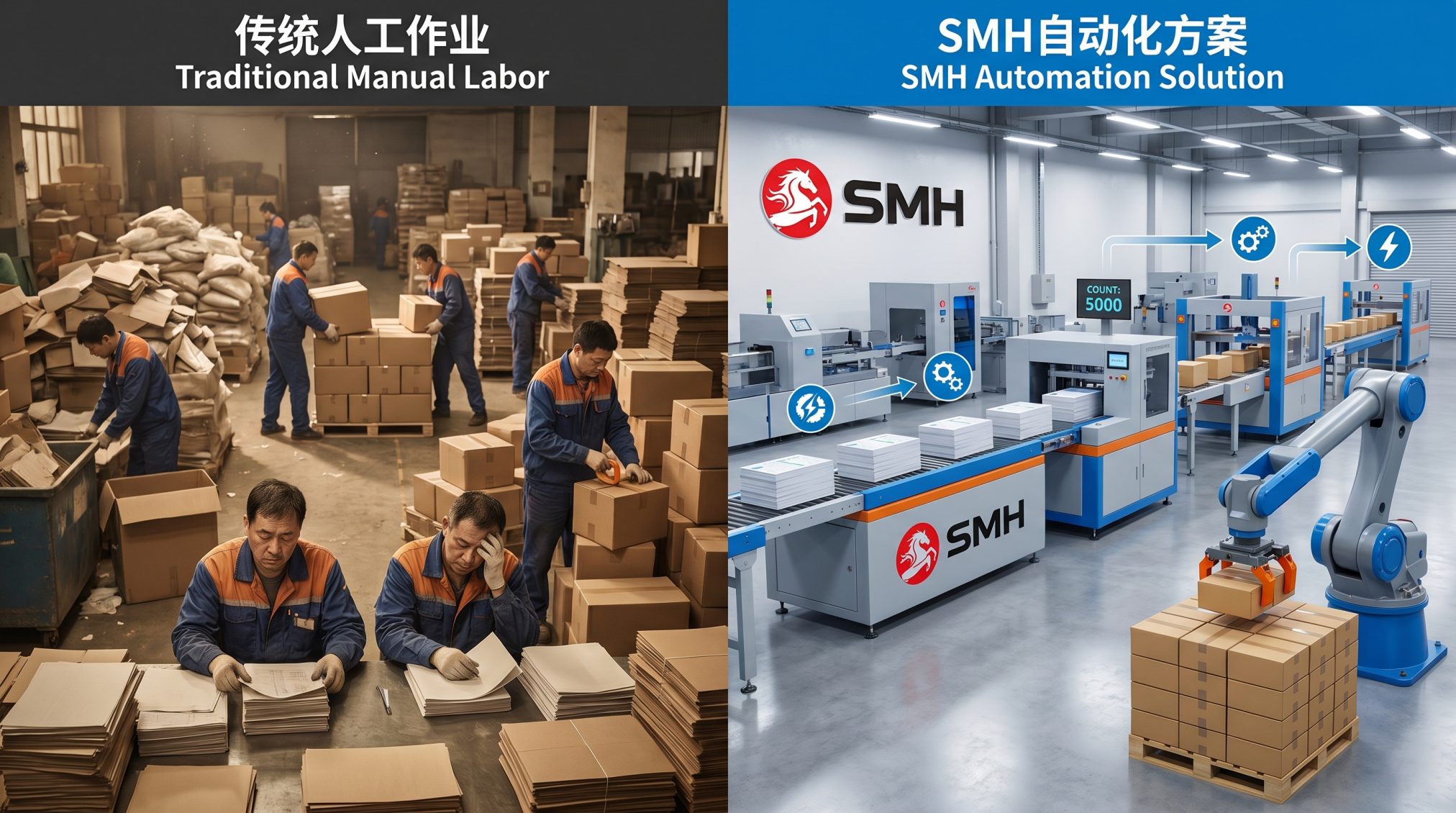
Labor cost isn’t just headcount. It adds up across material handling, sheet counting, packing, palletizing, and machine adjustments. In manual setups, more volume means adding more people – and cost grows with output.

What Automation Actually Replaces

Automation doesn’t simply “remove workers.” It replaces repetitive, variable tasks with controlled, repeatable processes:

  • Continuous sheet feeding and alignment
  • Precise counting and stacking
  • Uniform packing and sealing
  • Pallet transfer

Operators shift from physical handling to supervision. Fewer people per shift, and less dependency on manual coordination.

Stability Is Where Cost Reduction Happens

The biggest impact of automation isn’t fewer workers – it’s more stable production. Manual operations bring inconsistency: varying handling speed, fatigue errors, shift differences. Automation standardizes cycle times and execution, reducing hidden costs like rework, downtime, and waste.

Running at Designed Capacity

Many factories have upstream machines capable of higher speed, but manual downstream packing forces the line to slow down. Automation removes that bottleneck. When cutting, stacking, and packing are synchronized, machines run at stable speed, bottlenecks disappear, and output increases without adding labor. Cost per unit drops because productivity improves.

Reducing Long-Term Labor Pressure

Labor challenges aren’t just cost – they’re also availability and retention. Manual operations need continuous hiring, training, shift coordination. Automation reduces this pressure: fewer operators needed, skill requirements shift to system operation, production becomes less dependent on individual performance. Result: a more scalable, manageable operation.

Flexibility Without Complexity

Modern lines must handle different paper grades, order sizes, and job changes. Manual systems struggle – each change introduces delay and error risk. Automated systems allow parameter-based adjustments: quick format switching, consistent execution, minimal disruption. Better responsiveness without extra labor.

The Role of Equipment

Labor reduction depends on how well the system performs in real conditions. Key factors: stability at speed, consistency across paper types, low downtime, and good integration between stages. Well-designed sheeting, packing, and handling systems let you reduce labor while maintaining or increasing output.

Conclusion

Automation reduces labor cost not by simply cutting headcount, but by restructuring production:

  • From manual coordination to system control
  • From variable output to stable performance
  • From labor-driven capacity to equipment-driven efficiency

The result: lower labor cost, plus a more predictable and scalable operation.

Need to reduce labor cost without losing output?

If you’re evaluating how to cut labor dependency while maintaining production, SMH can help assess your current line and define a practical automation upgrade.

Contact SMH – improve efficiency, reduce manual labor, and stabilize your output.

How to Improve Yield from Each Jumbo Roll | SMH Expert Tips

It’s common in the industry: two factories using the same brand and size of jumbo roll end up with completely different yield rates. The difference isn’t luck—it’s planning.

From what we’ve seen in stable, high-yield plants, the gap usually comes from three areas:

  • Poor layout planning: Cutting sizes that don’t fit the roll width leave large, unusable trim edges.
  • Unoptimized slitting setup: Wrong width combinations create leftover strips that can’t be sold or reused.
  • Order-stock mismatch: Cutting rolls without matching upcoming orders leads to overstock and waste.

Improving yield isn’t about cutting faster—it’s about cutting smarter. SMH provides professional slitting layout planning, order matching strategies, and width optimization to help you make the most of every jumbo roll, lower material cost, and improve profit per ton.

Why Sheet Length Drifts Over Time & How to Stabilize Accuracy

Nearly every sheeter runs with accurate sheet length when first started up. But after hours of continuous production, sheets start coming out slightly longer or shorter, causing rejections and material waste. This slow drift is easy to miss but becomes very costly over long production runs.

Based on our after-sales team’s field records, the most common causes of sheet length variation are:

1. Encoder signal drift or instability

Small electronic errors in the encoder add up gradually during long-time operation. This leads to consistent sheet length variation that is hard to detect in early stages.

2. Worn or slipping rubber rollers

Worn rollers lose surface friction and grip. Unstable feeding makes length counting unreliable, resulting in inconsistent sheet length even under the same settings.

3. Mechanical thermal expansion

As the machine warms up, key parts expand slightly. This changes the actual cutting position and feeding distance, causing slow but steady length drift over shifts.

Stable cutting accuracy needs more than just initial calibration. It requires a system designed to resist drift.

SMH equips its sheeters with high-precision, anti-drift encoders and thermally stable mechanical structures. We also provide clear periodic verification guidelines to keep sheet length consistent across entire shifts, reduce waste, and maintain stable cutting accuracy.