Thin Paper Processing Requires Higher Equipment Stability
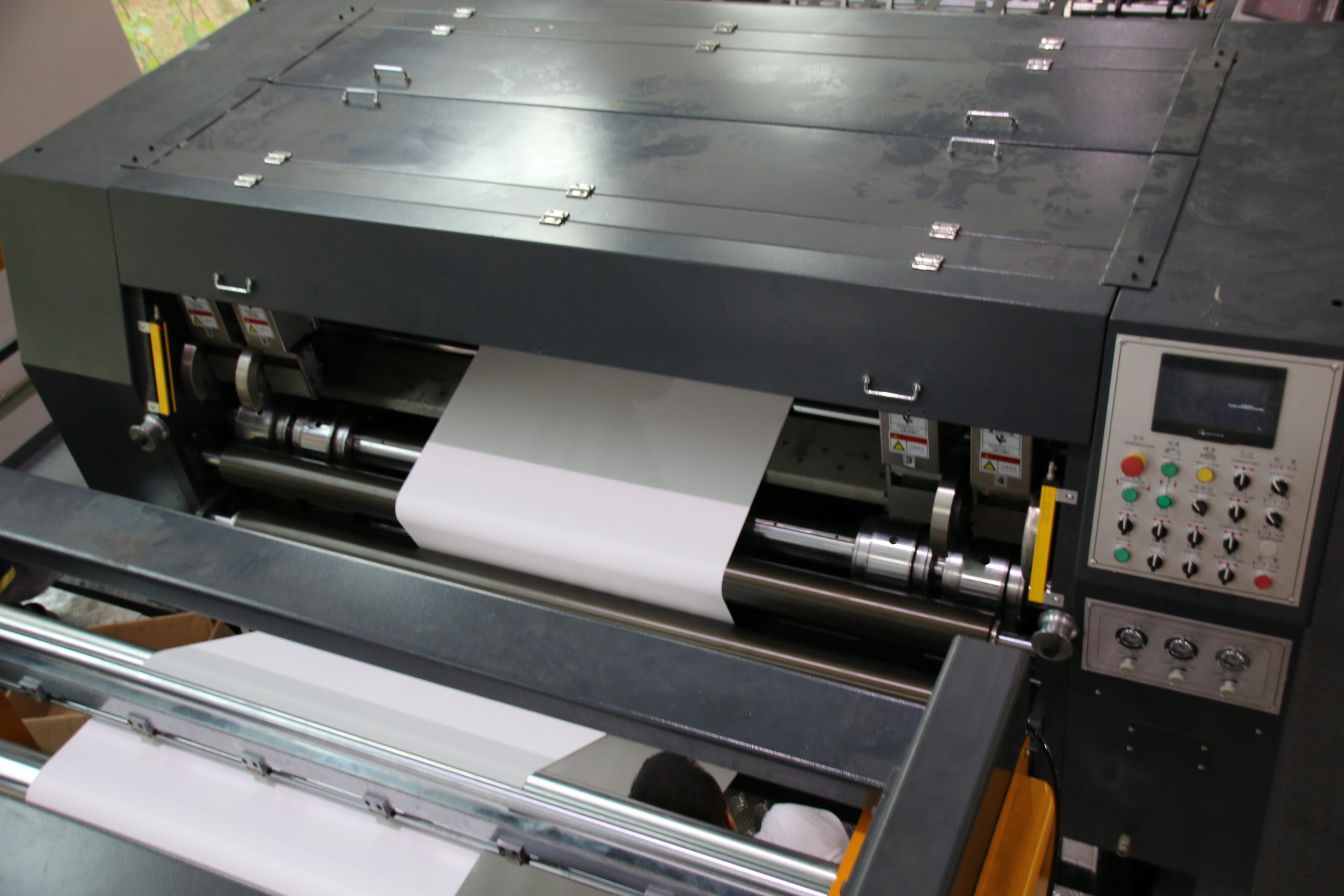
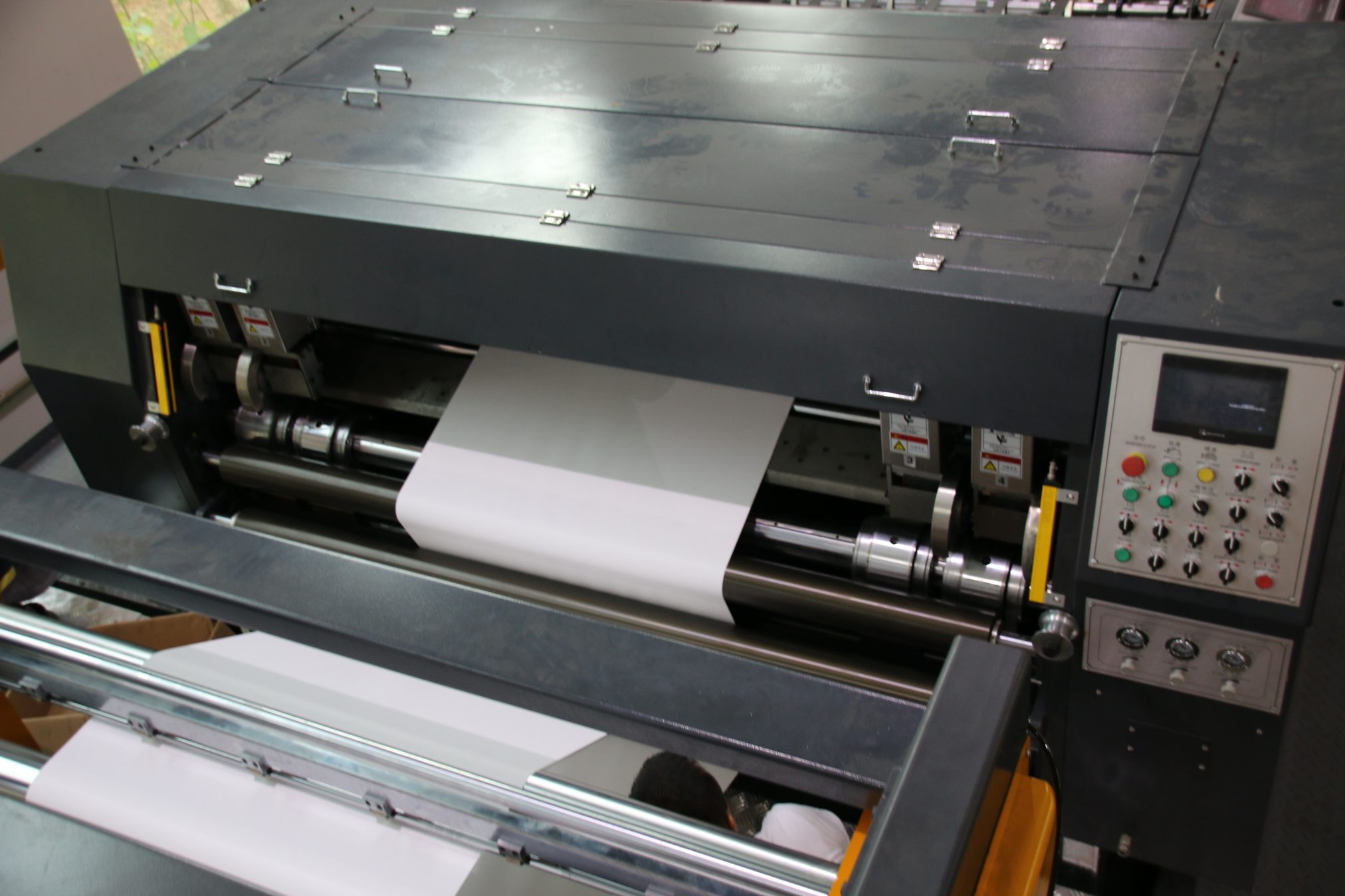
Thin paper materials such as Bible paper, silicone release paper, and lightweight specialty paper are widely used in printing, packaging, food packaging, and industrial applications. However, these materials are extremely sensitive during slitting and rewinding.
Problems such as paper wrinkles, unstable tension, edge damage, and web breakage often occur when traditional slitting systems process ultra-thin paper.
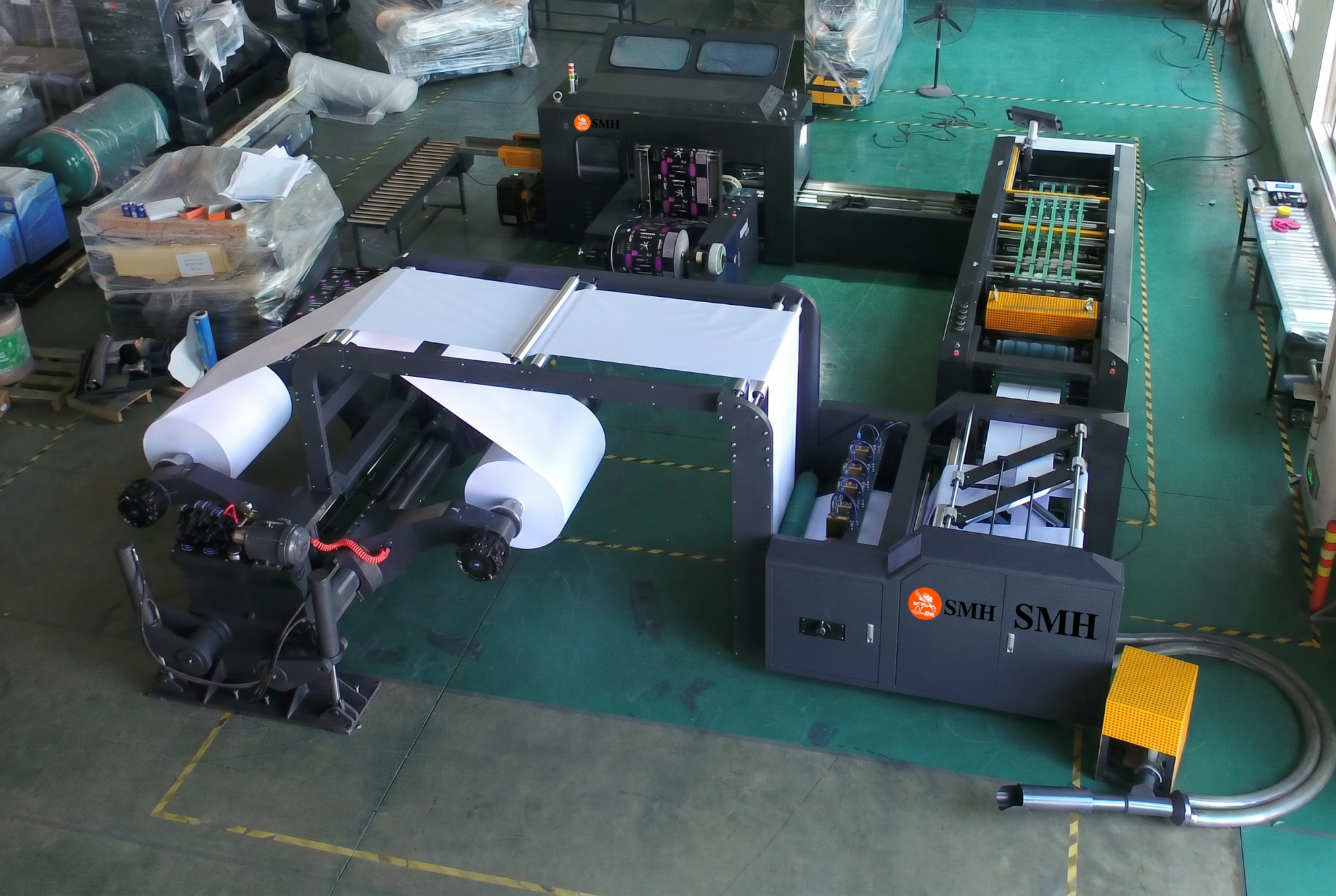
To improve production stability for thin paper converting, SMH developed the L-Type High-Low Unwind Stand solution.
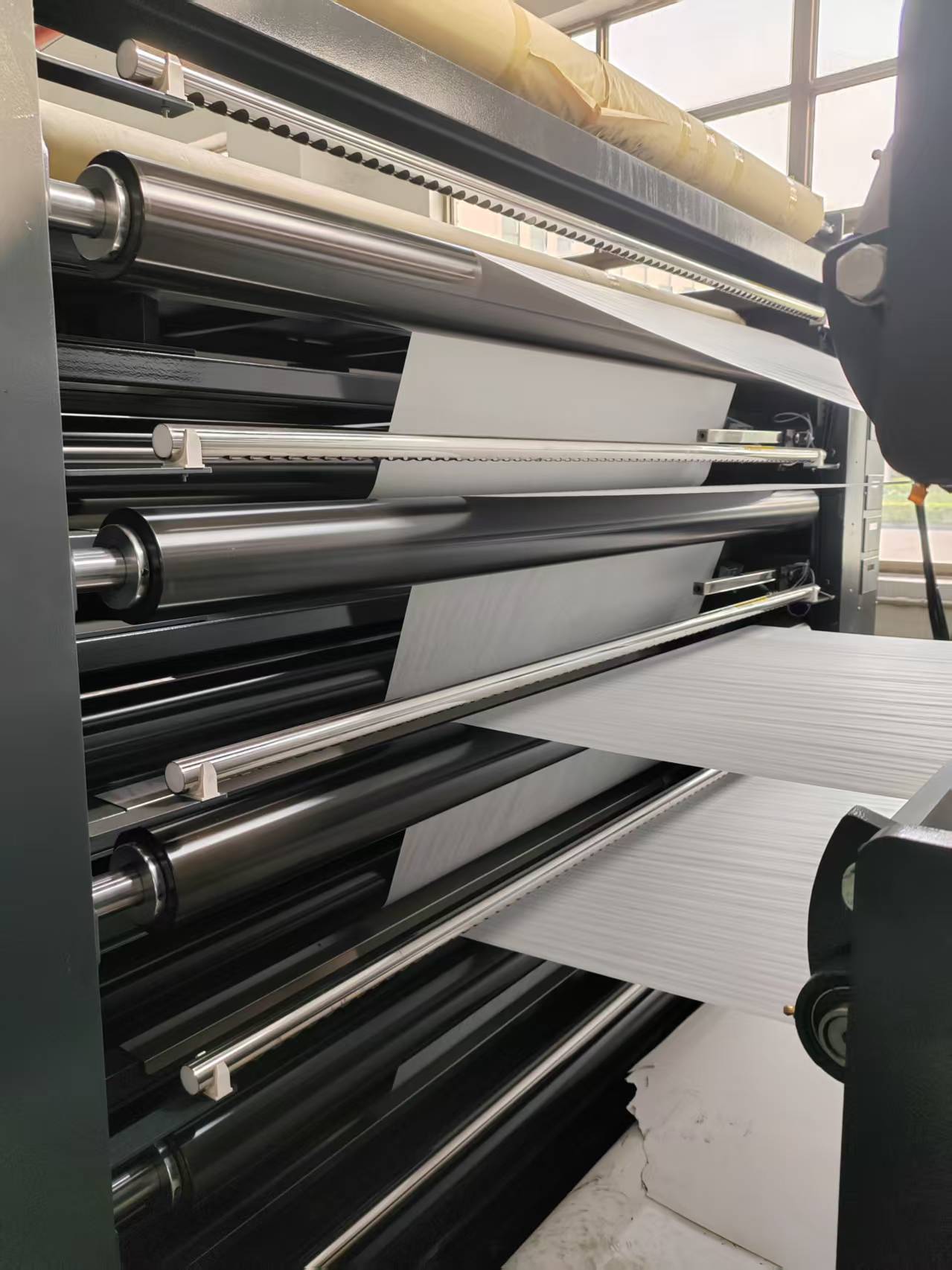
Optimized Web Feeding for Thin Paper Materials
The SMH L-Type unwind structure is designed to improve paper feeding stability during high-speed operation. By optimizing the paper web path and reducing unnecessary tension fluctuations, the system helps maintain smooth paper running throughout the slitting process.
Compared with traditional unwind structures, the L-Type design improves:
- Web tension stability
- Feeding smoothness
- Paper roll alignment
- Thin paper running control
This is especially important for lightweight papers that are highly sensitive to tension variation.
Stable Slitting for Sensitive Paper Grades
Bible paper and silicone-coated release paper require extremely clean cutting quality. Even small vibration or tension instability can affect final roll quality.
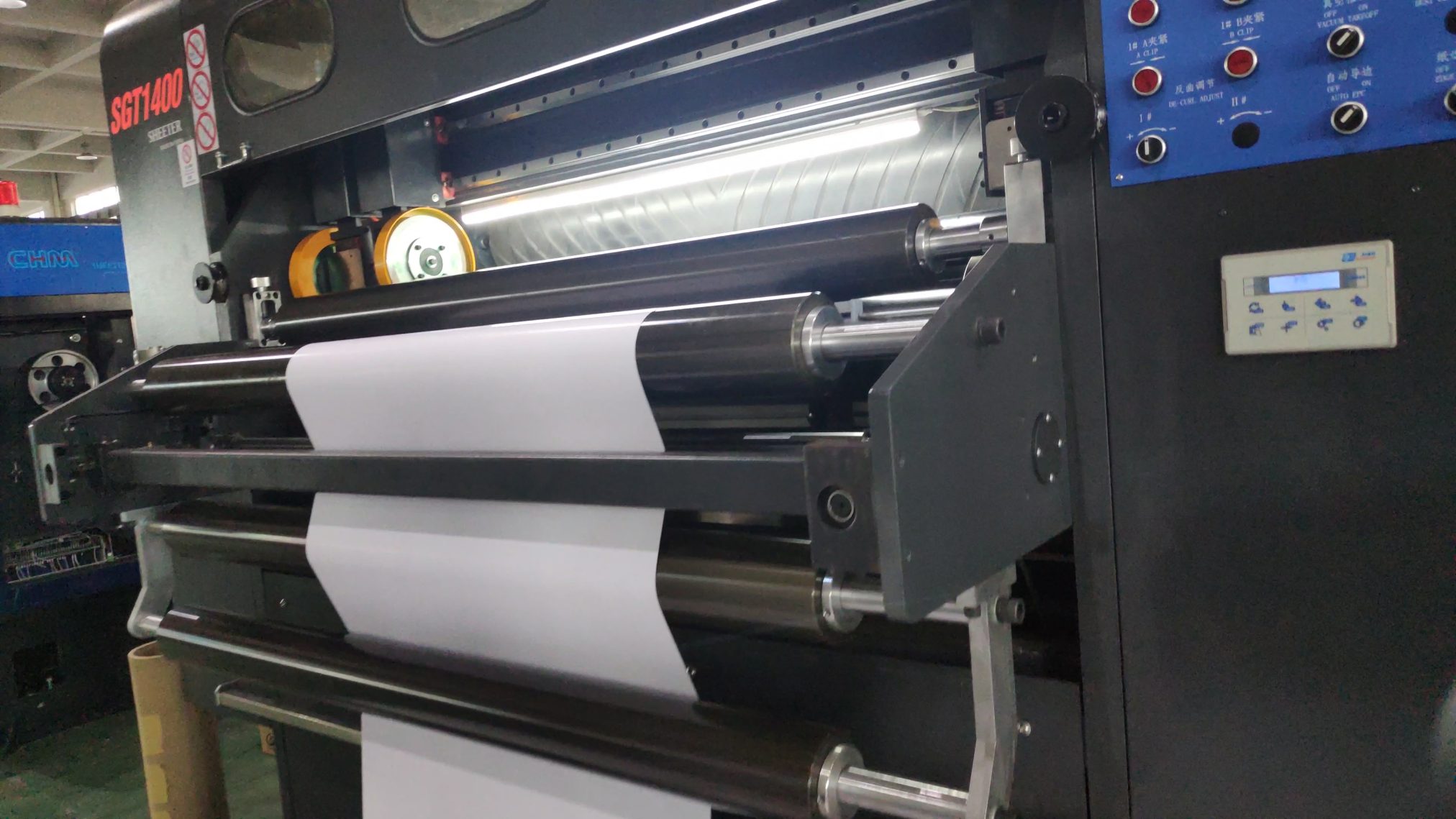
SMH slitting systems integrate:
- Automatic tension control
- Servo synchronization systems
- High-precision knife positioning
- Stable rewinding structures
These technologies help reduce edge damage, paper wrinkles, and roll deformation during production.
Supporting Multiple Specialty Paper Applications
In addition to Bible paper and silicone release paper, SMH slitting machines are also widely used for:
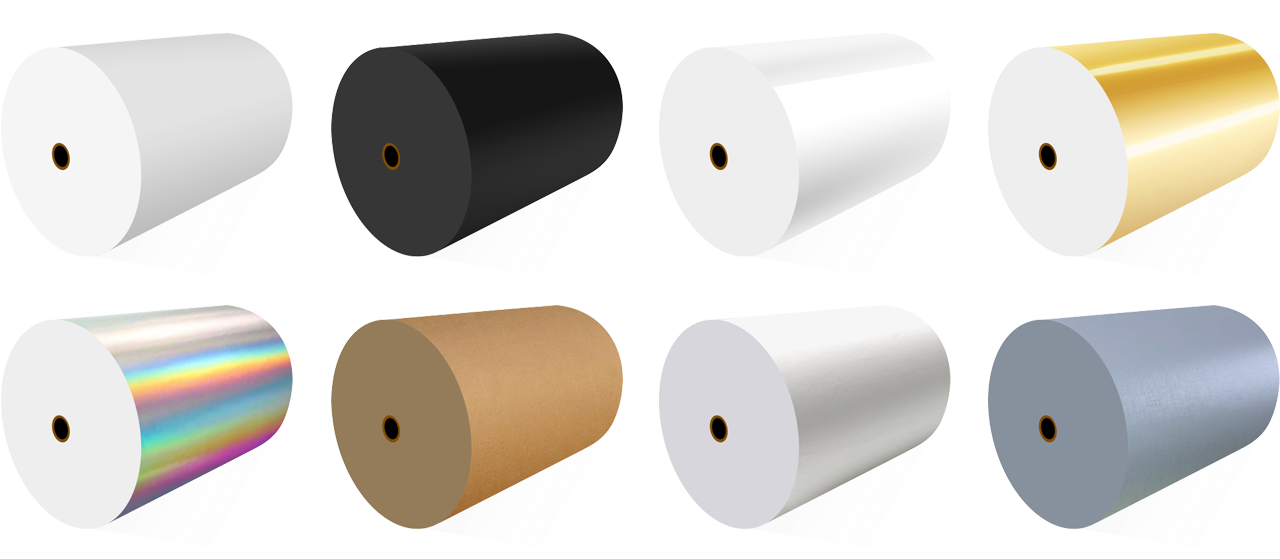
- Lightweight coated paper
- Food packaging paper
- Medical packaging paper
- Thermal paper
- Label base paper
As demand for specialty paper continues growing, stable thin paper processing equipment is becoming increasingly important for paper converting factories.
SMH continues developing precision slitting solutions that help customers improve efficiency, reduce waste, and maintain stable production quality for sensitive paper materials.
Thin Paper Processing Requires Higher Equipment Stability
Thin paper materials such as Bible paper, silicone release paper, and lightweight specialty paper are widely used in printing, packaging, food packaging, and industrial applications. However, these materials are extremely sensitive during slitting and rewinding.
Problems such as paper wrinkles, unstable tension, edge damage, and web breakage often occur when traditional slitting systems process ultra-thin paper.
To improve production stability for thin paper converting, SMH developed the L-Type High-Low Unwind Stand solution.
Optimized Web Feeding for Thin Paper Materials
The SMH L-Type unwind structure is designed to improve paper feeding stability during high-speed operation. By optimizing the paper web path and reducing unnecessary tension fluctuations, the system helps maintain smooth paper running throughout the slitting process.
Compared with traditional unwind structures, the L-Type design improves:
- Web tension stability
- Feeding smoothness
- Paper roll alignment
- Thin paper running control
This is especially important for lightweight papers that are highly sensitive to tension variation.
Stable Slitting for Sensitive Paper Grades
Bible paper and silicone-coated release paper require extremely clean cutting quality. Even small vibration or tension instability can affect final roll quality.
SMH slitting systems integrate:
- Automatic tension control
- Servo synchronization systems
- High-precision knife positioning
- Stable rewinding structures
These technologies help reduce edge damage, paper wrinkles, and roll deformation during production.
Supporting Multiple Specialty Paper Applications
In addition to Bible paper and silicone release paper, SMH slitting machines are also widely used for:
- Lightweight coated paper
- Food packaging paper
- Medical packaging paper
- Thermal paper
- Label base paper
As demand for specialty paper continues growing, stable thin paper processing equipment is becoming increasingly important for paper converting factories.
SMH continues developing precision slitting solutions that help customers improve efficiency, reduce waste, and maintain stable production quality for sensitive paper materials.