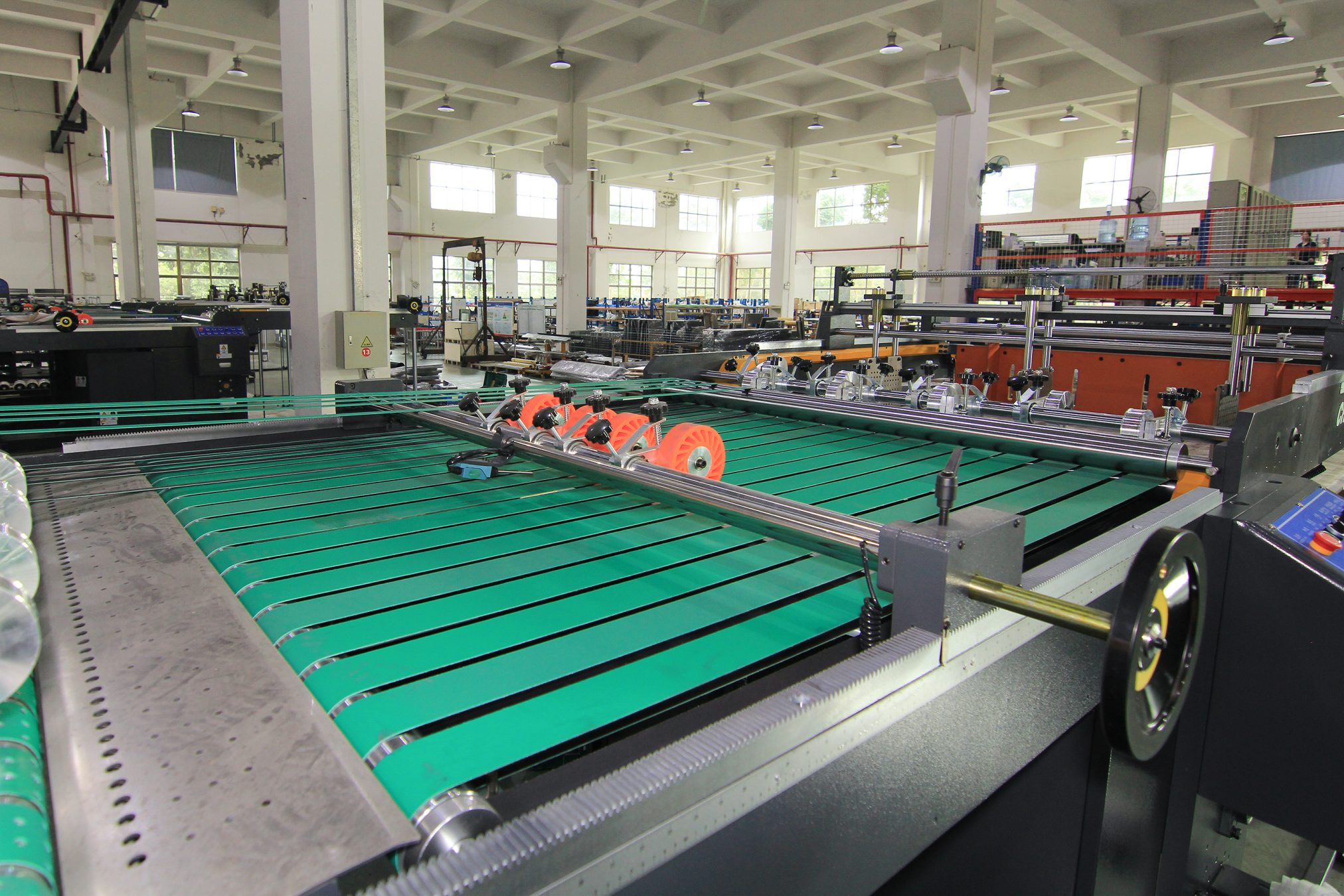
Paper Bag Paper Slitting: Eco-Friendly Packaging Solutions

Global Demand for Sustainable Packaging Continues Growing

As environmental regulations become stricter worldwide, more industries are replacing plastic packaging with recyclable paper materials. Demand for paper bag paper, food packaging paper, and eco-friendly packaging materials continues increasing rapidly.

For paper converting manufacturers, this trend creates new opportunities as well as higher production requirements.

Eco-Friendly Packaging Materials Require Stable Processing
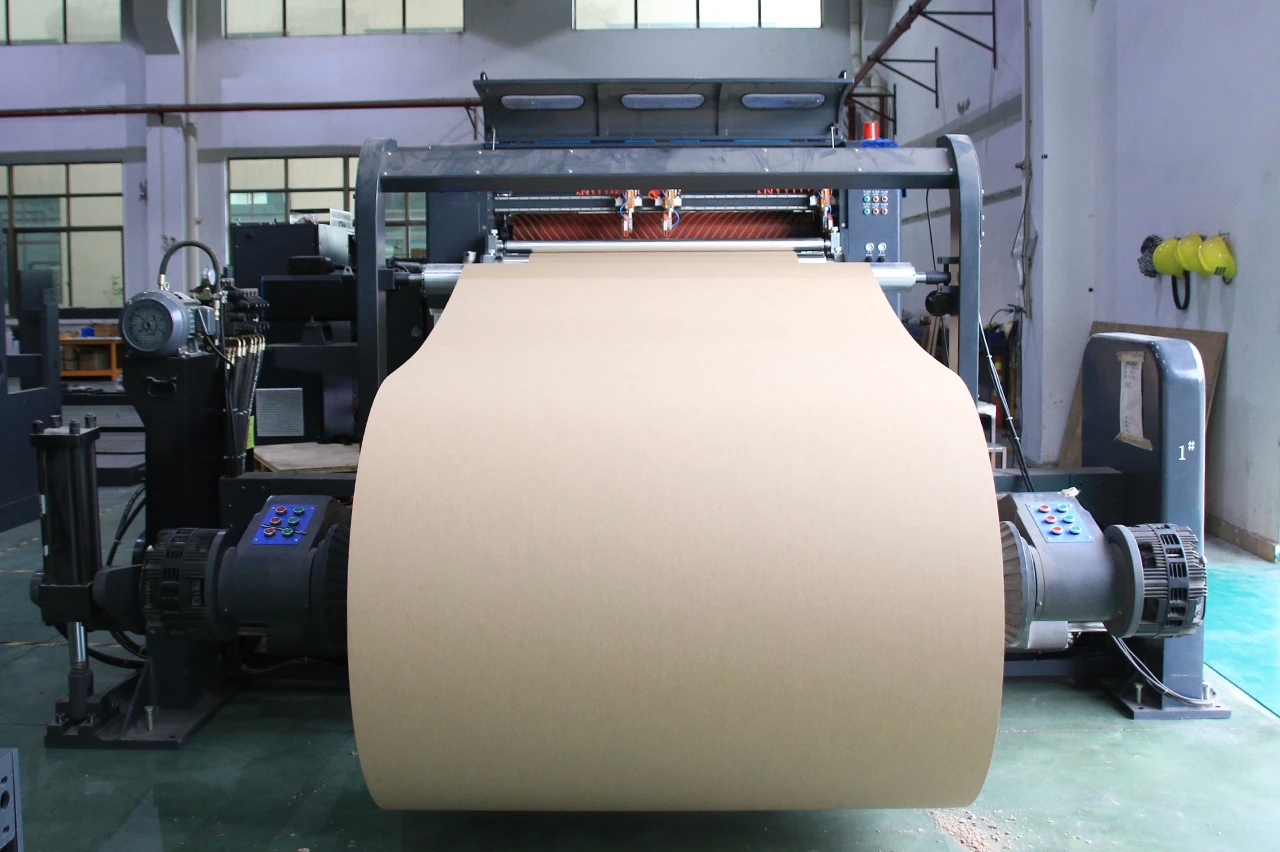
Compared with traditional packaging materials, many eco-friendly paper grades have unique characteristics such as:

  • High fiber content
  • Variable thickness
  • Surface coating sensitivity
  • Tension instability

These factors require more stable slitting and rewinding performance during production.

SMH Slitting Systems for Green Packaging Materials
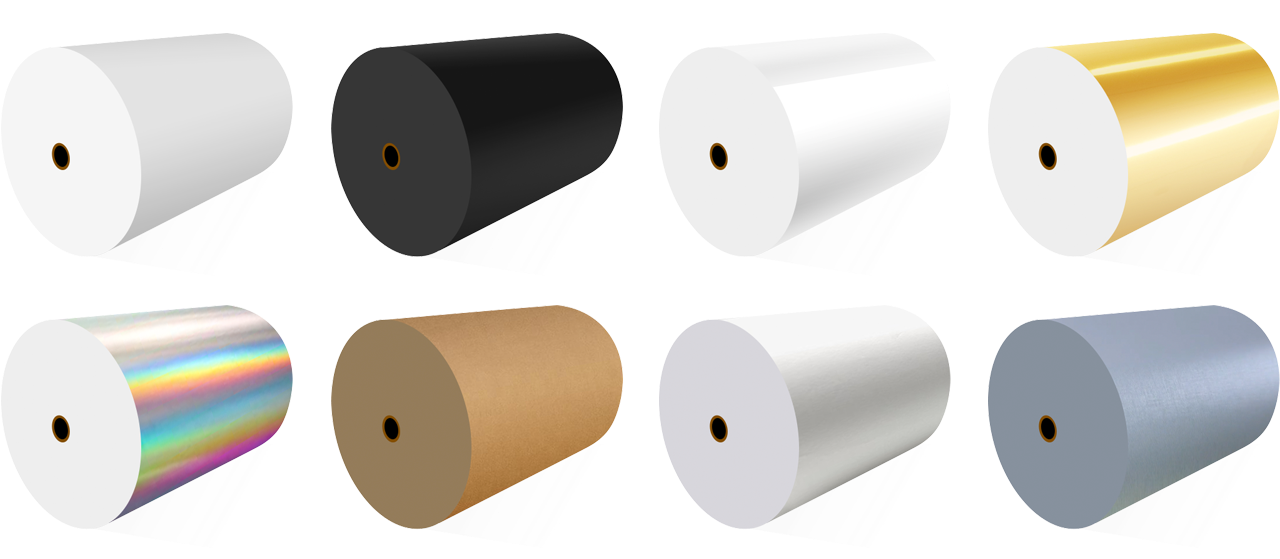
SMH slitting machines are designed to process multiple environmentally friendly paper grades including:

  • Paper bag paper
  • Food wrapping paper
  • Kraft paper
  • Recyclable packaging paper
  • Coated eco-friendly materials

The equipment integrates automatic tension control, precision slitting systems, and stable rewinding structures to maintain consistent roll quality.

Improving Production Efficiency While Reducing Waste

For large-scale packaging manufacturers, reducing material waste is essential for controlling production costs.

SMH focuses on:

  • Stable web tension
  • Accurate cutting
  • Reduced paper dust
  • Consistent rewinding quality

These technologies help improve finished product quality while reducing material loss during production.
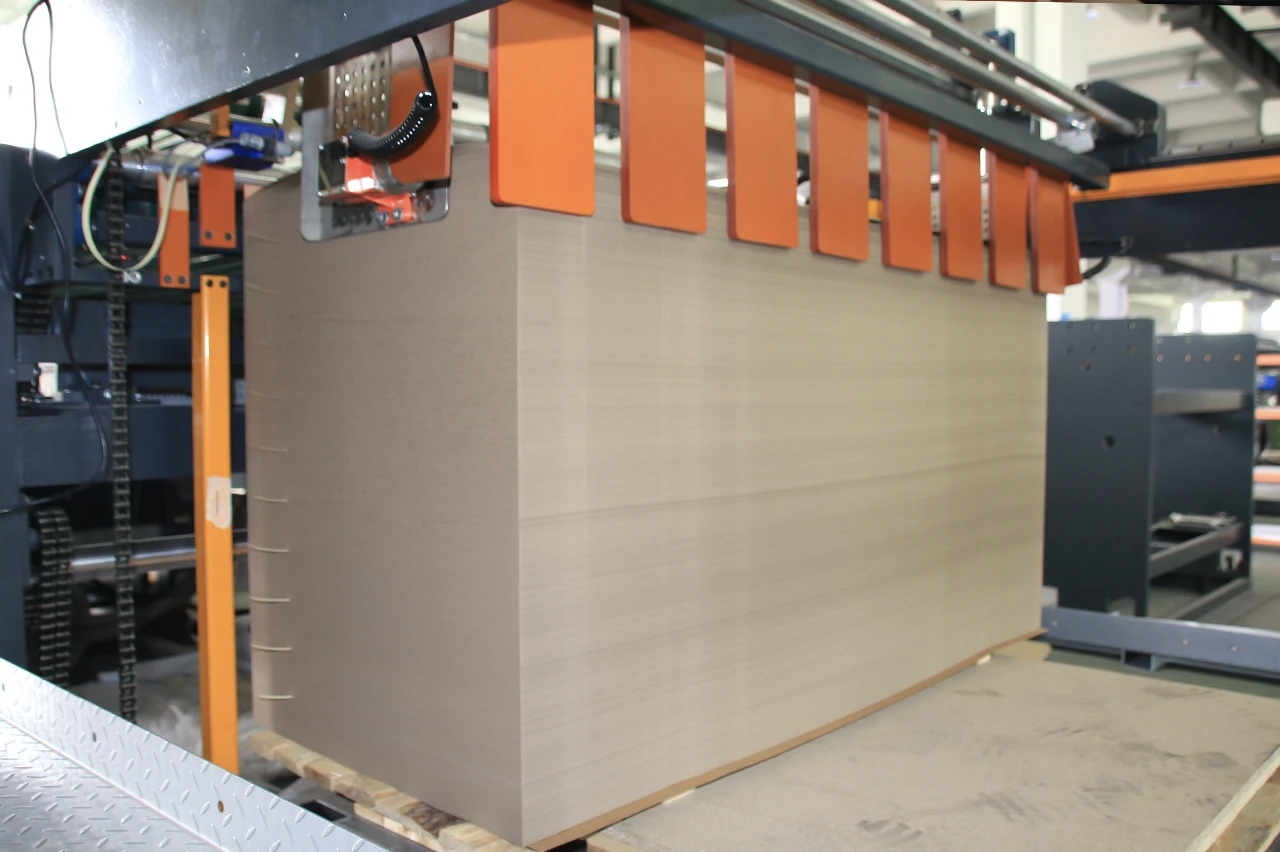
Supporting the Transition to Sustainable Packaging

As global packaging markets continue shifting toward environmentally friendly materials, intelligent converting equipment becomes increasingly important.

SMH continues developing efficient slitting solutions that help packaging manufacturers improve production capacity, maintain stable quality, and support sustainable manufacturing goals.
How Fully Automatic A4 Paper Production Lines Reduce Labor Costs

Labor costs continue to rise in the global manufacturing industry. To remain competitive, paper converting factories are investing in fully automatic production lines.

Integrated automation reduces manual handling and improves production efficiency.

What Makes a Production Line Fully Automatic?

A fully automatic A4 paper production line includes:

  • Automatic unwinding
  • Web guiding
  • Slitting
  • Rotary cutting
  • Automatic stacking
  • Ream wrapping
  • Carton packing
  • Robotic palletizing

Reduced Manual Operation

Traditional production lines require multiple workers for:

  • Material handling
  • Packing
  • Stacking
  • Palletizing

Automation significantly reduces labor requirements.

Stable Continuous Production

Automatic systems improve:

  • Production consistency
  • Packaging quality
  • Speed synchronization
  • Material flow stability

Typical Staffing Requirements

A traditional line may require 8 operators.

With optimized automation, staffing can be reduced while maintaining high productivity.

Fully automatic A4 paper production lines provide significant advantages in labor savings, efficiency, and production consistency. As factories move toward smart manufacturing, automation will continue to play a central role in the paper industry.

How Automatic Palletizing Robots Improve A4 Paper Packaging Efficiency

Automation is transforming the paper converting industry. One of the most important upgrades in modern A4 paper factories is robotic palletizing.

Automatic palletizing robots improve efficiency, reduce labor intensity, and ensure consistent stacking quality.

Role of the Palletizing Robot

The robotic palletizer automatically stacks finished cartons after packing.

Its main functions include:

  • Box positioning
  • Automatic lifting
  • Layer stacking
  • Pallet arrangement
  • Finished product handling

Key Robot Specifications

The BRTIRUS2550A palletizing robot features:

  • Arm reach: 2550 mm
  • Payload: 50 kg
  • Repeatability: ±0.1 mm
  • Protection level: IP54

These specifications allow stable operation in demanding industrial environments.

Benefits of Robotic Palletizing

1. Lower Labor Costs

Manual palletizing requires multiple workers. Robots reduce labor dependency.

2. Stable Stacking Quality

Robots maintain consistent stacking patterns and carton alignment.

3. Higher Production Efficiency

The robot can operate continuously with minimal interruption.

4. Improved Safety

Automation reduces manual handling risks and workplace injuries.

Integration with A4 Production Lines

Modern A4 paper lines integrate:

  • Sheeting machine
  • Ream wrapping machine
  • Carton packing machine
  • Strapping system
  • Robotic palletizer

This creates a fully automatic production workflow.

Automatic palletizing robots are becoming standard equipment in high-capacity A4 paper factories. By improving efficiency, reducing labor costs, and increasing consistency, robotic systems help manufacturers achieve smarter and more competitive production.

Common Causes of Paper Burrs and Rough Edges in A4 Cutting Machines

Paper burrs and rough edges are common problems in copy paper manufacturing. Poor cutting quality affects packaging appearance, printing performance, and customer satisfaction.

Understanding the root causes can help factories reduce waste and improve product quality.

Main Causes of Burr Problems

1. Worn Knife Blades

Blunt blades cannot produce clean cuts.

Solution:

  • Regular blade inspection
  • Timely blade sharpening
  • Replace damaged knives immediately

2. Incorrect Knife Clearance

Improper clearance between upper and lower knives can cause tearing instead of cutting.

Solution:

  • Adjust knife gap precisely
  • Maintain proper alignment

3. Poor Web Tension

Unstable tension causes paper movement during cutting.

Solution:

  • Calibrate tension systems regularly
  • Inspect tension rollers

4. Encoder Problems

Encoder errors can create unstable cutting lengths.

Solution:

  • Check encoder signals
  • Inspect electrical connections

5. Feeding Belt Slippage

Slipping belts affect synchronization.

Solution:

  • Replace worn belts
  • Adjust belt pressure

Importance of Knife Shaft Synchronization

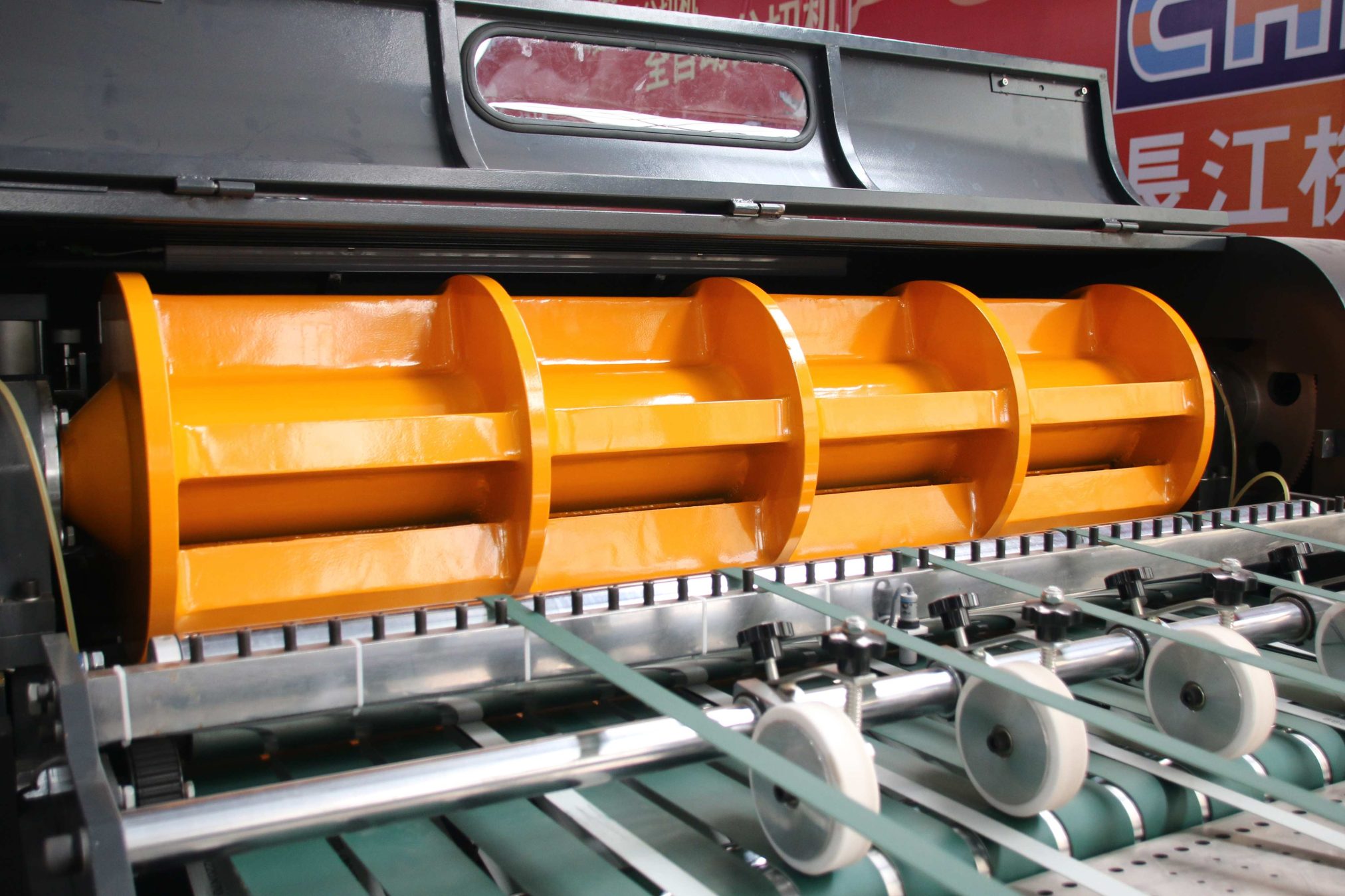
In double rotary cutting systems, synchronization is extremely important.

Gapless gears and servo synchronization ensure:

  • Smooth cutting
  • Stable operation
  • Reduced vibration
  • Better edge quality

Preventive Maintenance Tips

Factories should establish routine maintenance plans including:

  • Lubrication checks
  • Knife inspection
  • Gear inspection
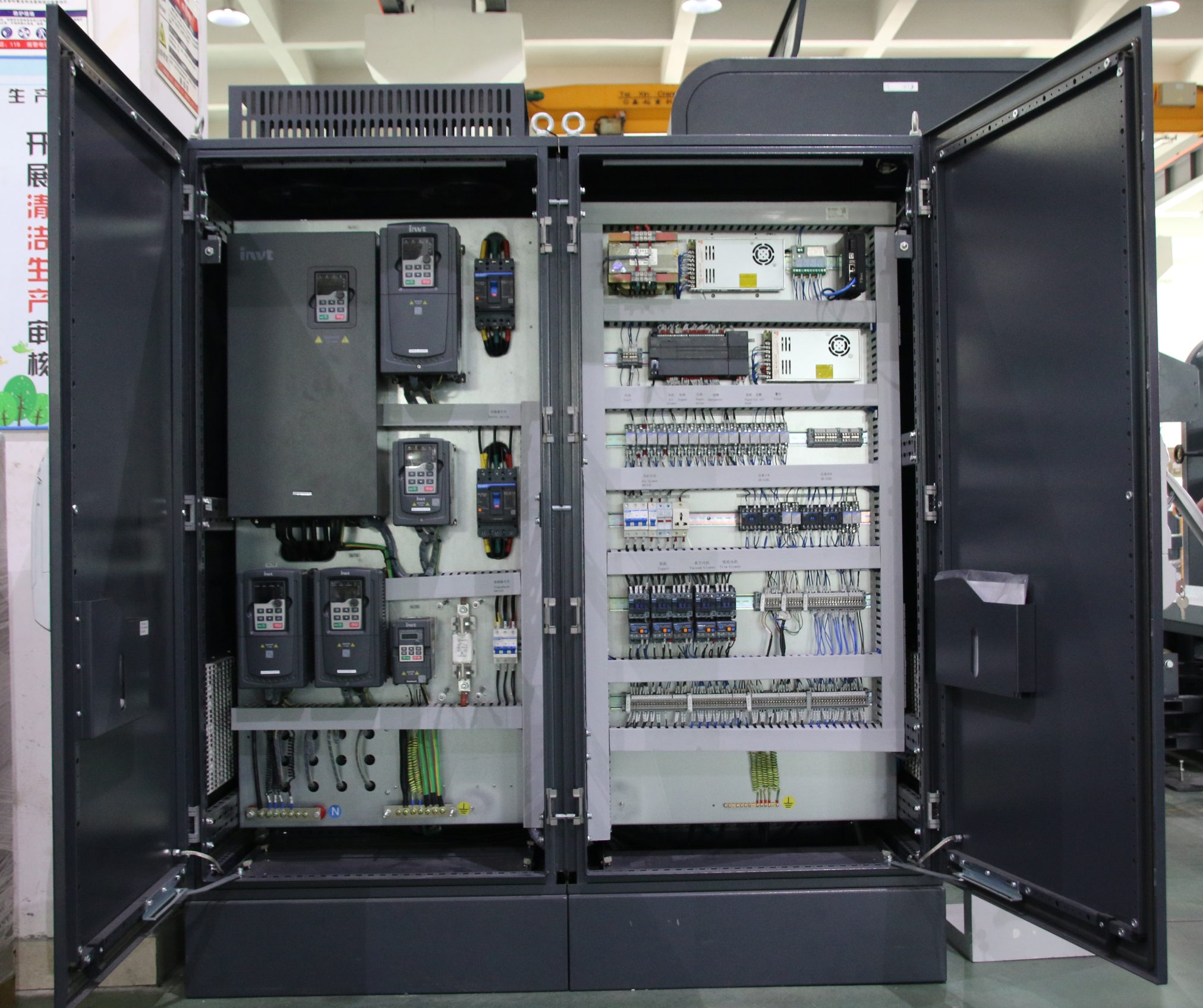
  • PLC monitoring
  • Tension calibration

Paper burrs and rough edges are usually caused by mechanical wear, improper adjustment, or unstable synchronization. Through regular maintenance and accurate machine setup, manufacturers can significantly improve cutting quality and production efficiency.