Why Use PE Laminated Paper for Copy Paper Packaging?

If you’ve ever opened a ream of copy paper that felt damp or saw the wrapper wrinkled and loose, you know how frustrating bad packaging can be. Moisture gets in, the paper curls, and customers complain. That’s why most A4 packaging lines today use PE laminated wrapping paper – not because it’s fancy, but because it actually works.
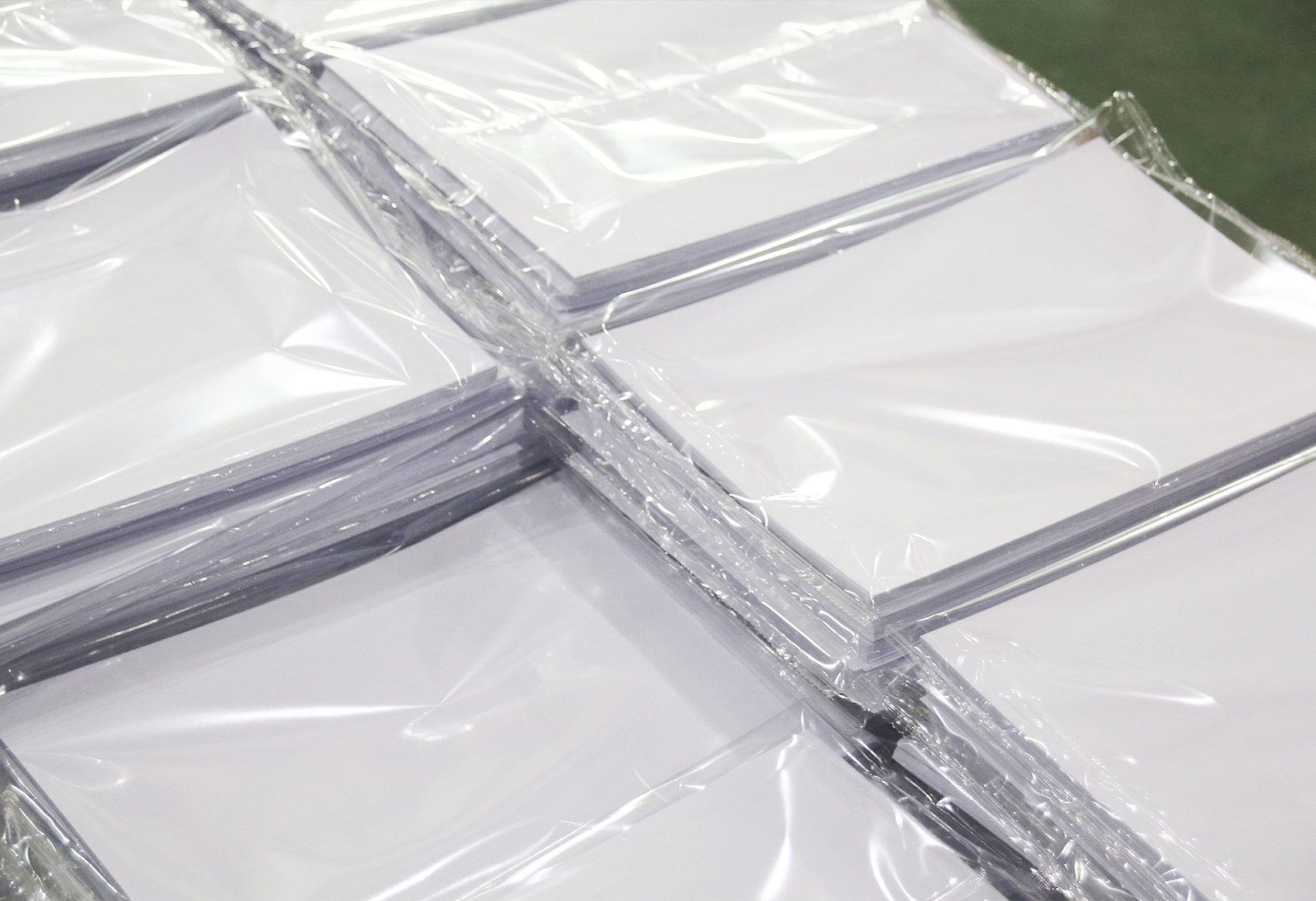
So what is PE laminated paper?
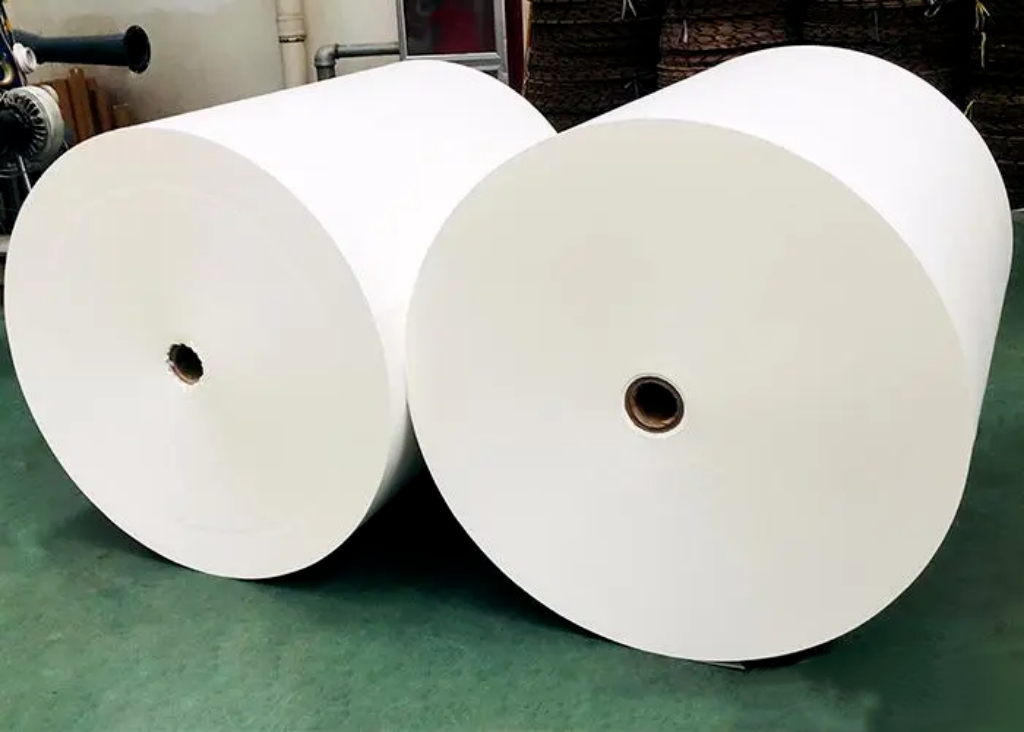
PE film sheet

It’s just regular paper with a thin polyethylene coating on one or both sides. The coating does two things: it blocks moisture, and it lets heat seal the wrapper shut on automatic machines. Without that coating, plain paper would soak up humidity from the air like a sponge, and you’d need tape or glue to close the package.

Why copy paper specifically?

Copy paper is thirsty. It absorbs moisture quickly. In humid climates or during long sea freight, uncoated wrapping paper becomes damp and transfers that moisture to the ream inside. The result? Wavy edges, jamming in printers, and unhappy customers. PE lamination stops that.
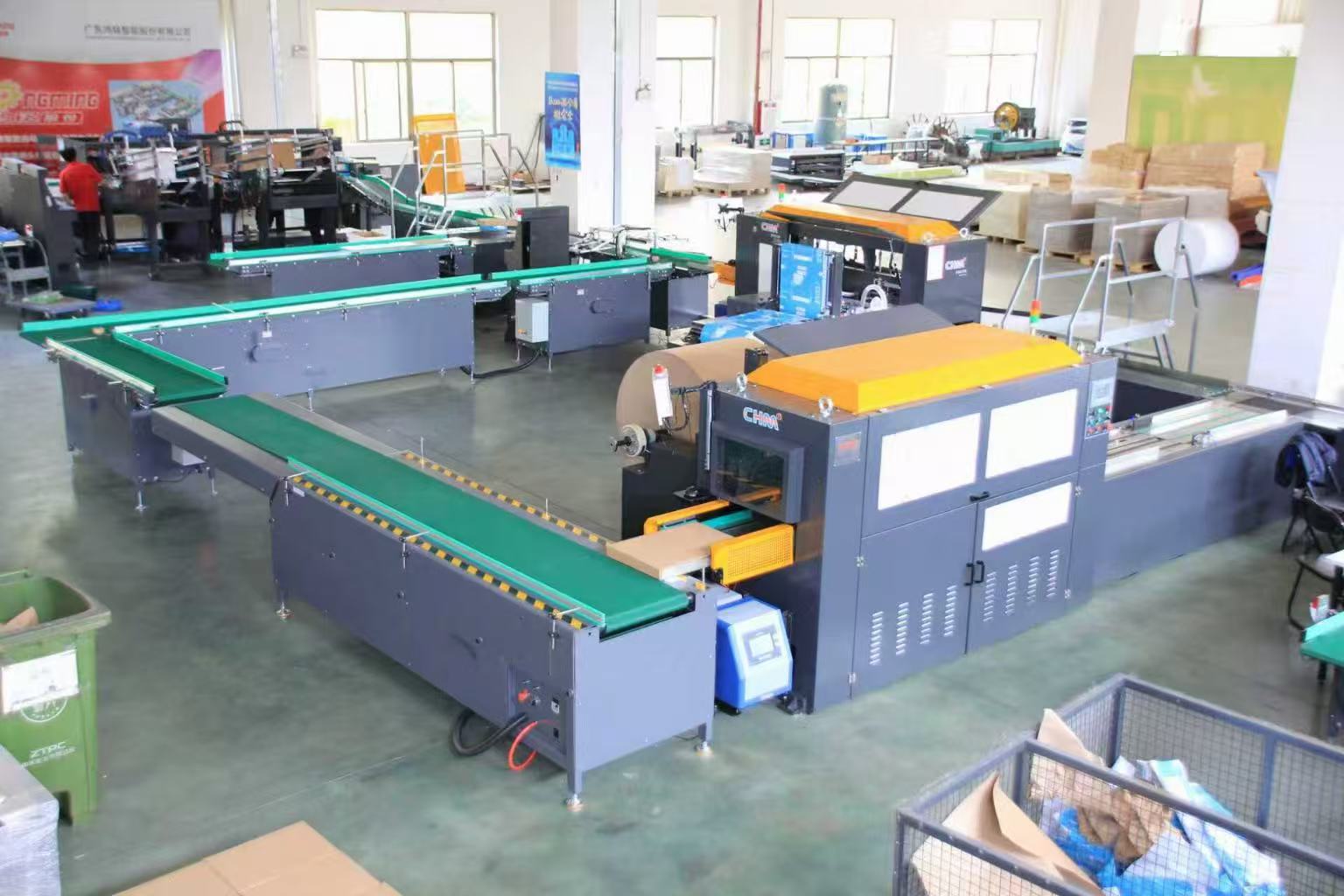
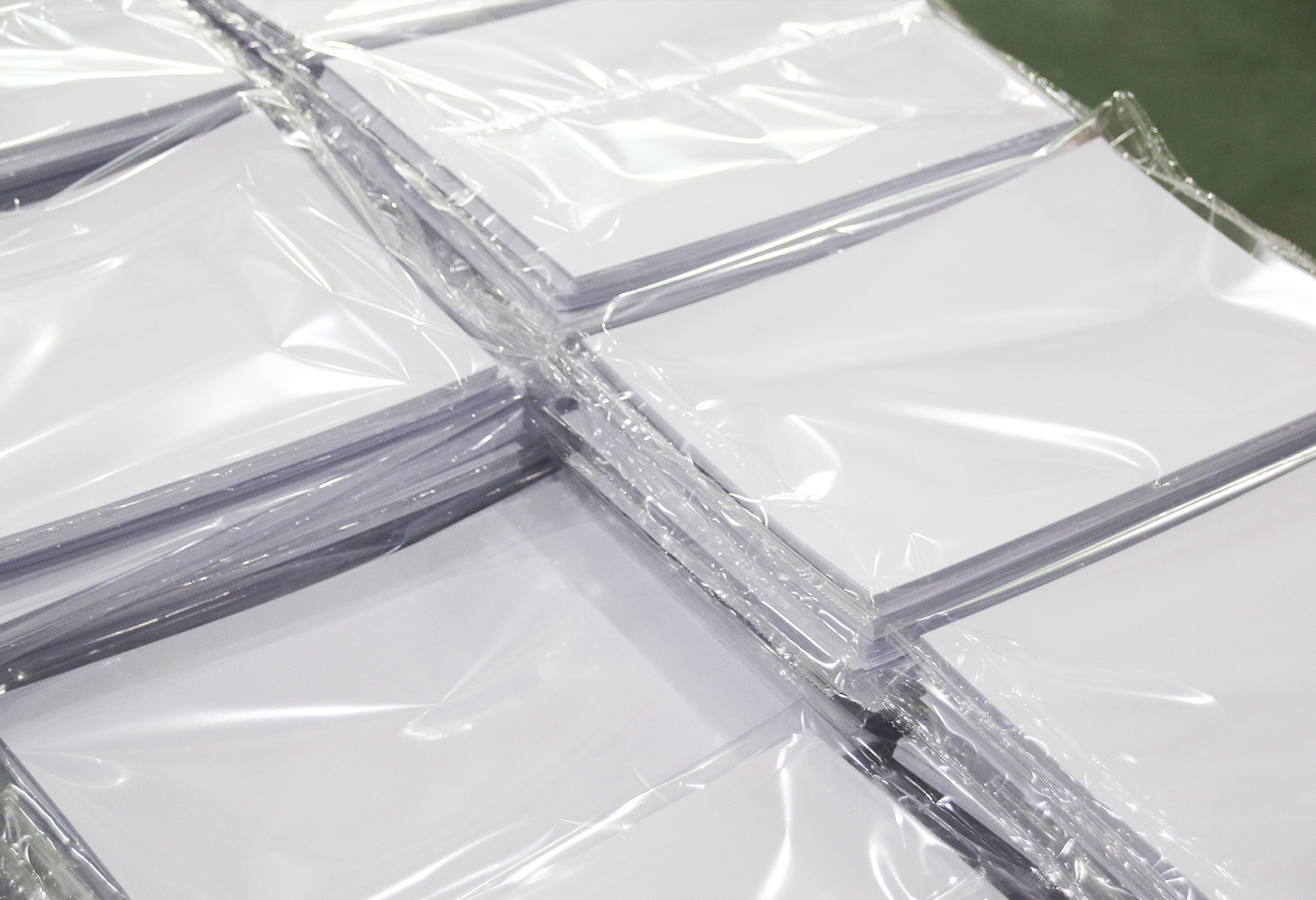
Also, automatic wrapping machines (like the SMH-A4B) rely on heat sealing. The machine folds the paper around the ream, applies heat and pressure, and the PE layer melts slightly to bond the overlap. It’s fast, clean, and consistent. You can’t do that with plain paper.

What about other benefits?

The PE coating also gives the wrapper a smoother, more professional look. It resists tearing during handling, so reams don’t show corner damage on the shelf. And because the surface is sealed, ink printing (brand logos, batch numbers) stays sharp – no ink bleeding into the paper fibers.

What paper weight should you use?
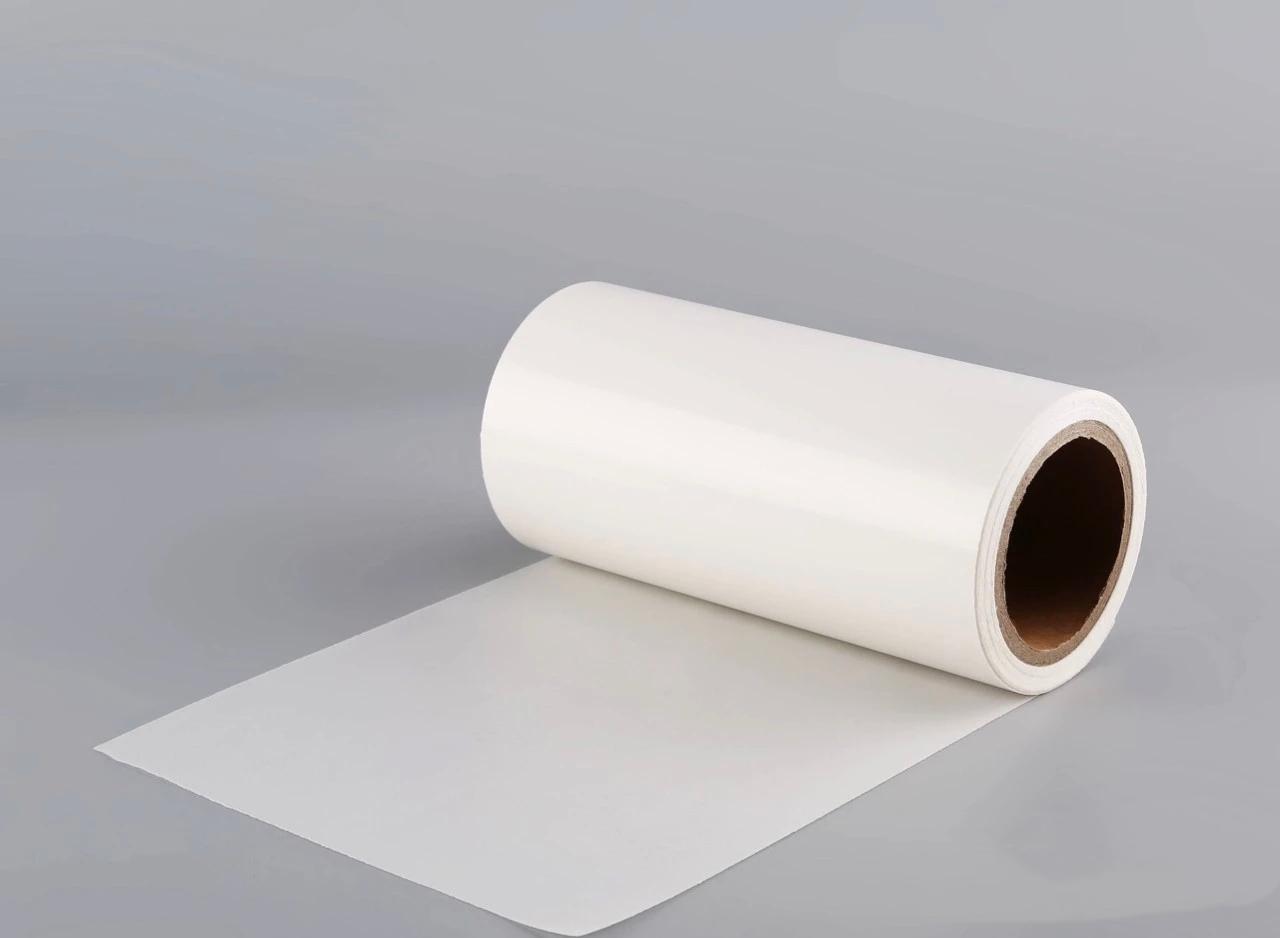
From what we’ve seen on actual lines, 70 to 100 gsm works best. 70–80 gsm is fine for standard office copy paper. Go heavier (90–100 gsm) if you’re exporting or stacking pallets high – the extra stiffness helps. The machine needs to handle that range, but most modern packers do.

One thing to watch

Make sure the PE coating is applied properly – not too thin (otherwise sealing fails) and not too thick (else it gets sticky). Also, some suppliers offer “PE laminated” vs. “PE coated.” Lamination is a separate film glued on; coating is directly applied. Coated paper usually performs better on high-speed lines because it doesn’t delaminate.

Bottom line

If you’re setting up an A4 packaging line or troubleshooting wrapper issues, don’t overlook the wrapping paper itself. PE laminated paper is the standard for a reason: it keeps moisture out, seals reliably, and looks good. Cheap paper will cost you more in waste and complaints than you save on material.
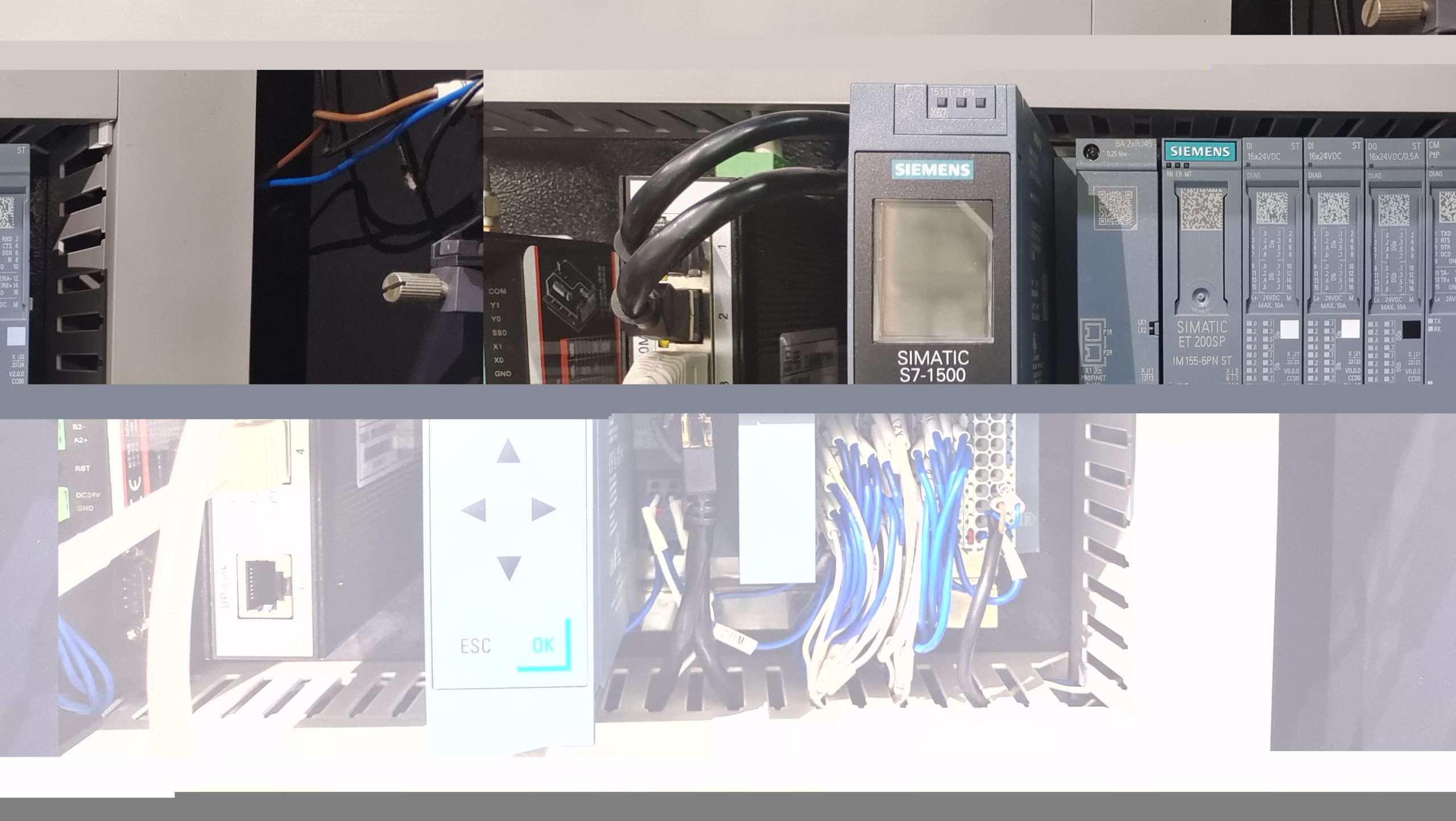
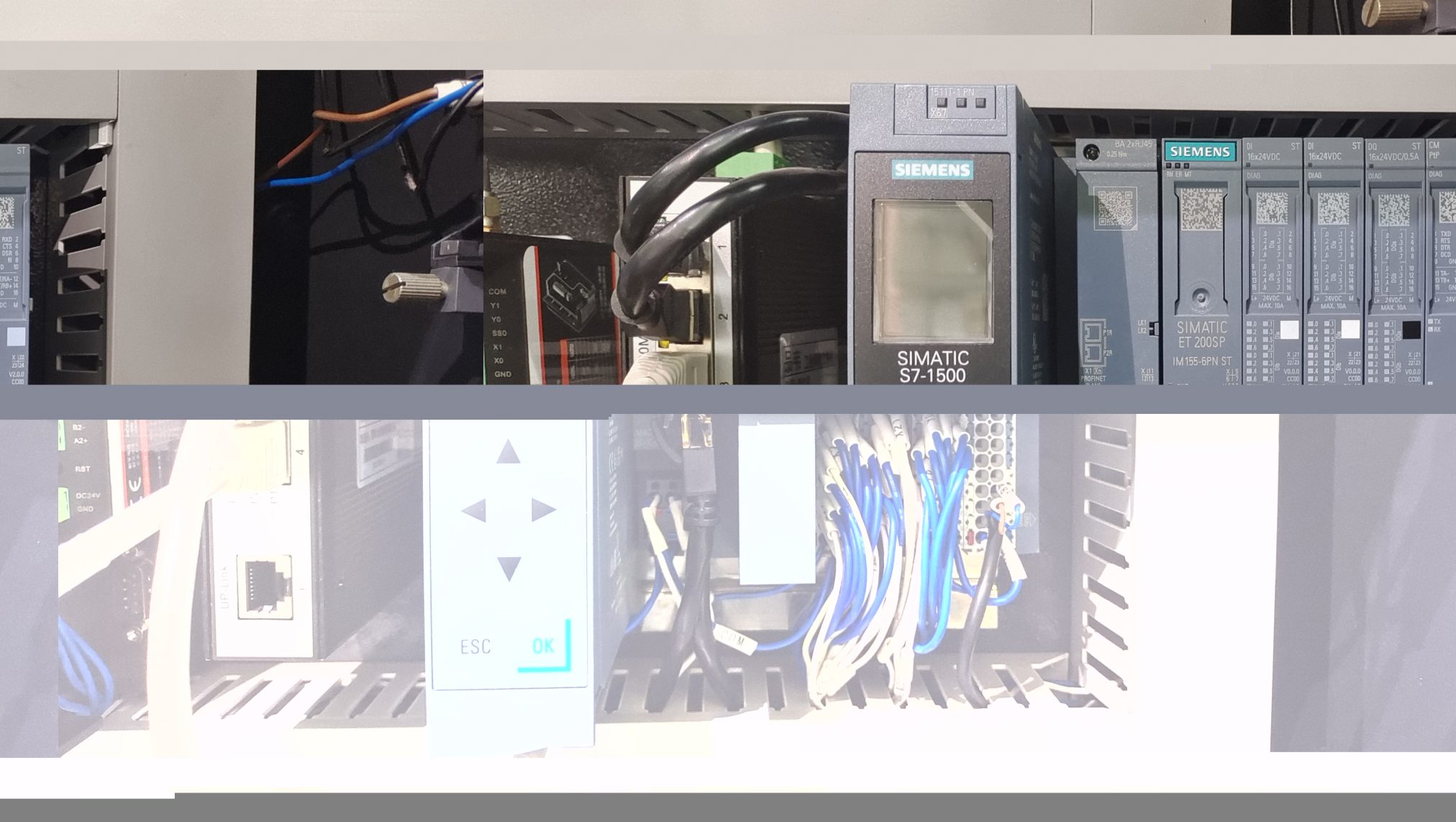
Why PLC Closed-Loop Control Is Important in A4 Paper Production Lines

Automation has become a major driving force in the paper converting industry. High-speed A4 paper production requires accurate synchronization between multiple machine sections.

PLC closed-loop control systems help modern production lines achieve stable performance, consistent quality, and reduced downtime.

What Is PLC Closed-Loop Control?

PLC

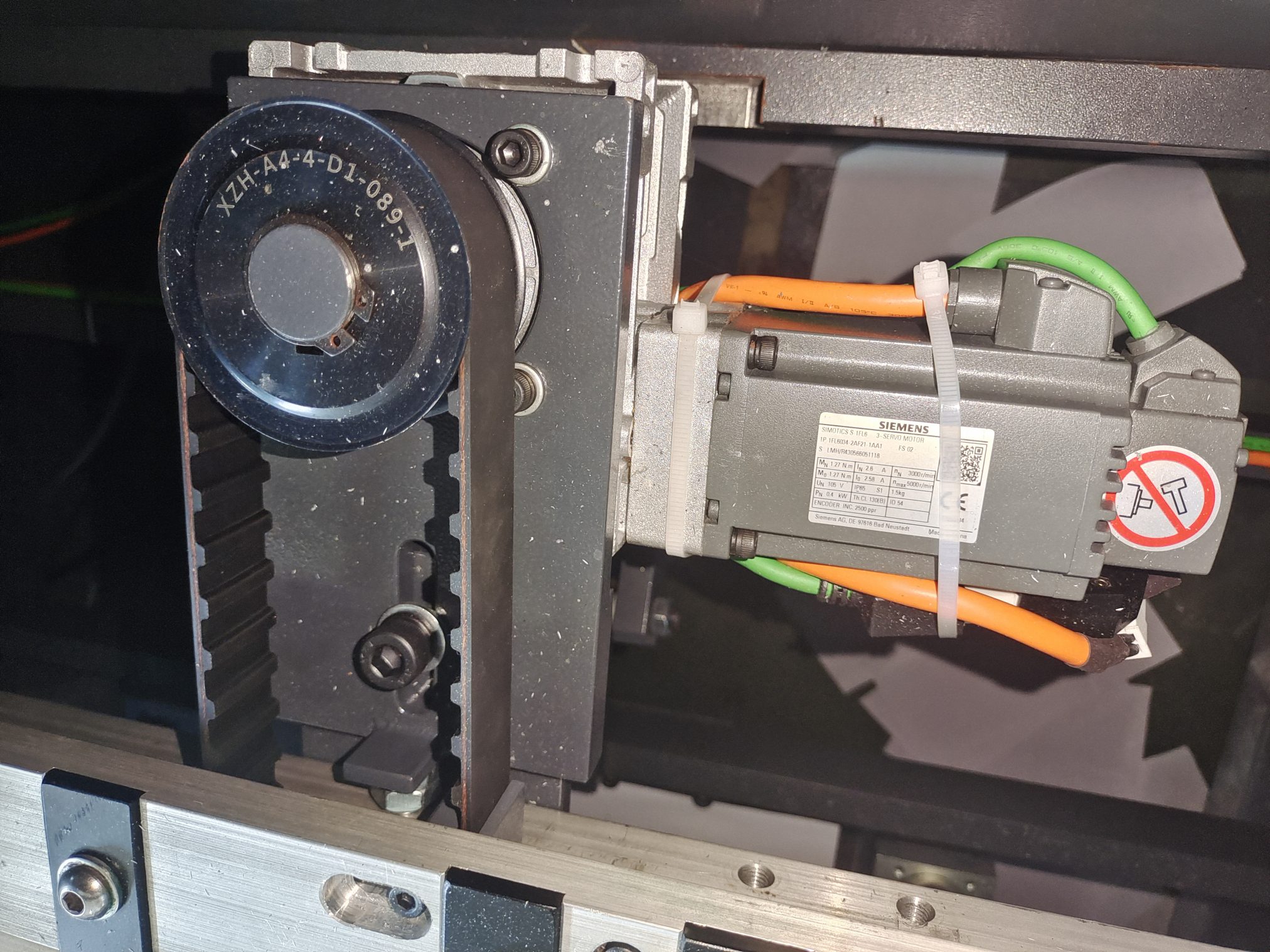
A PLC closed-loop system continuously monitors machine operation through sensors and feedback devices.

The system automatically adjusts:

  • Motor speed
  • Web tension
  • Knife synchronization
  • Feeding accuracy
  • Conveyor timing

This ensures that all machine sections remain synchronized during operation.

Why Closed-Loop Control Matters

Without accurate synchronization, production lines may experience:

  • Length instability
  • Misaligned stacking
  • Cutting errors
  • Paper wrinkles
  • Production stoppages

Closed-loop control minimizes these problems.

Key Areas Controlled by PLC Systems

1. Paper Tension

Stable tension prevents web drifting and uneven cutting.

2. Knife Shaft Synchronization

The PLC maintains synchronization between upper and lower rotary knife shafts.

3. Feeding Speed

The system adjusts feeding speed according to cutting and packaging requirements.

4. Packaging Coordination

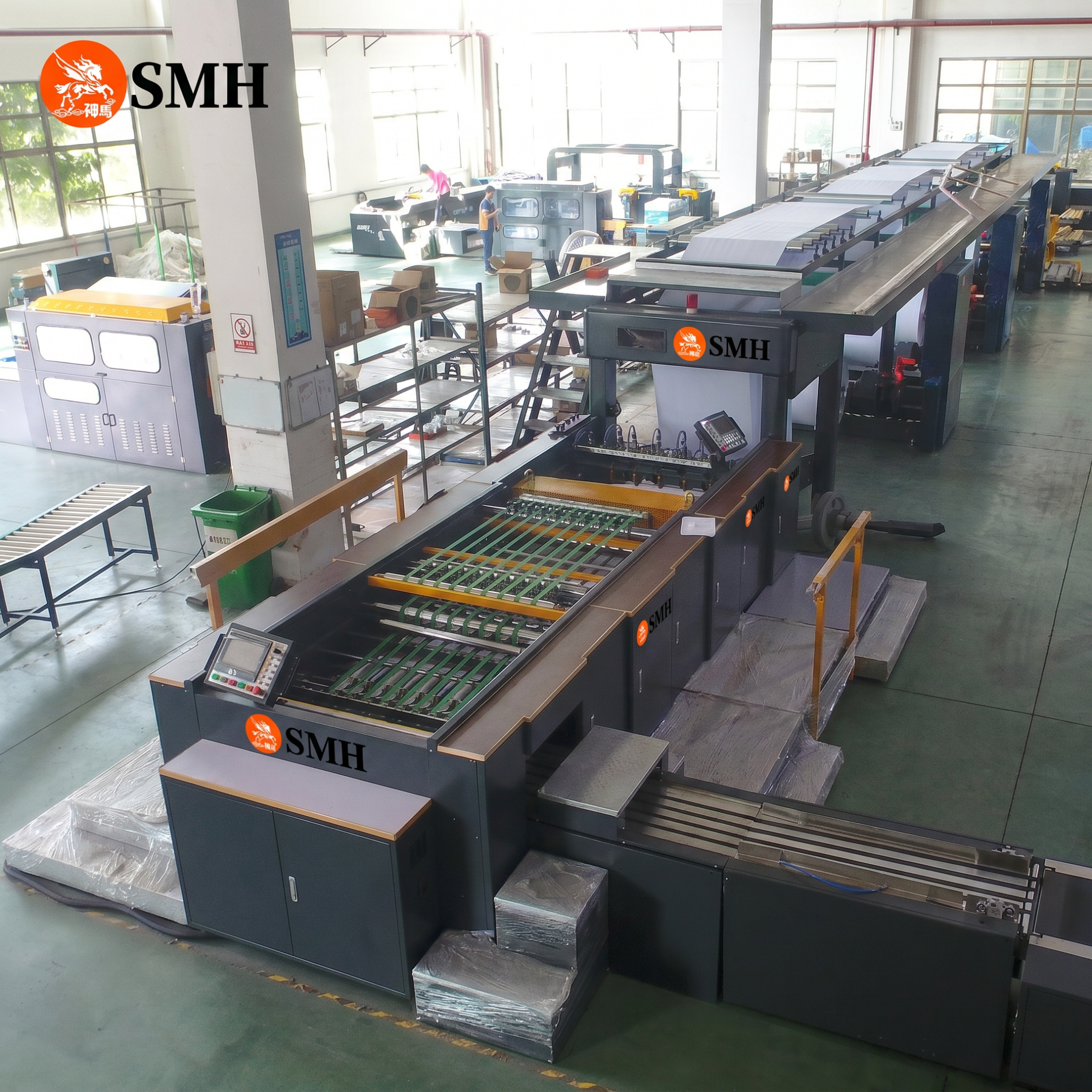
The packaging machine and carton packing machine remain synchronized with the sheeter.

Benefits for Manufacturers

Advanced PLC control systems provide:

  • Better cutting precision
  • Higher machine stability
  • Faster production speed
  • Lower waste rates
  • Reduced operator dependency

For large-scale copy paper factories, these benefits improve overall production efficiency.

Conclusion

PLC closed-loop control technology has become essential for modern A4 paper production lines. By maintaining synchronization across the entire production process, manufacturers can achieve higher productivity, better quality, and more reliable operation.

A4-4 vs A4-5 Production Line: Which Copy Paper Machine Is Better?

Choosing the right A4 paper production line is critical for paper converting factories. Production capacity, paper width, factory layout, and automation requirements all influence machine selection.

The CHM A4-4 and A4-5 production lines are both designed for automatic A4 copy paper manufacturing, but they serve different production needs.

Main Difference Between A4-4 and A4-5

The biggest differences include:

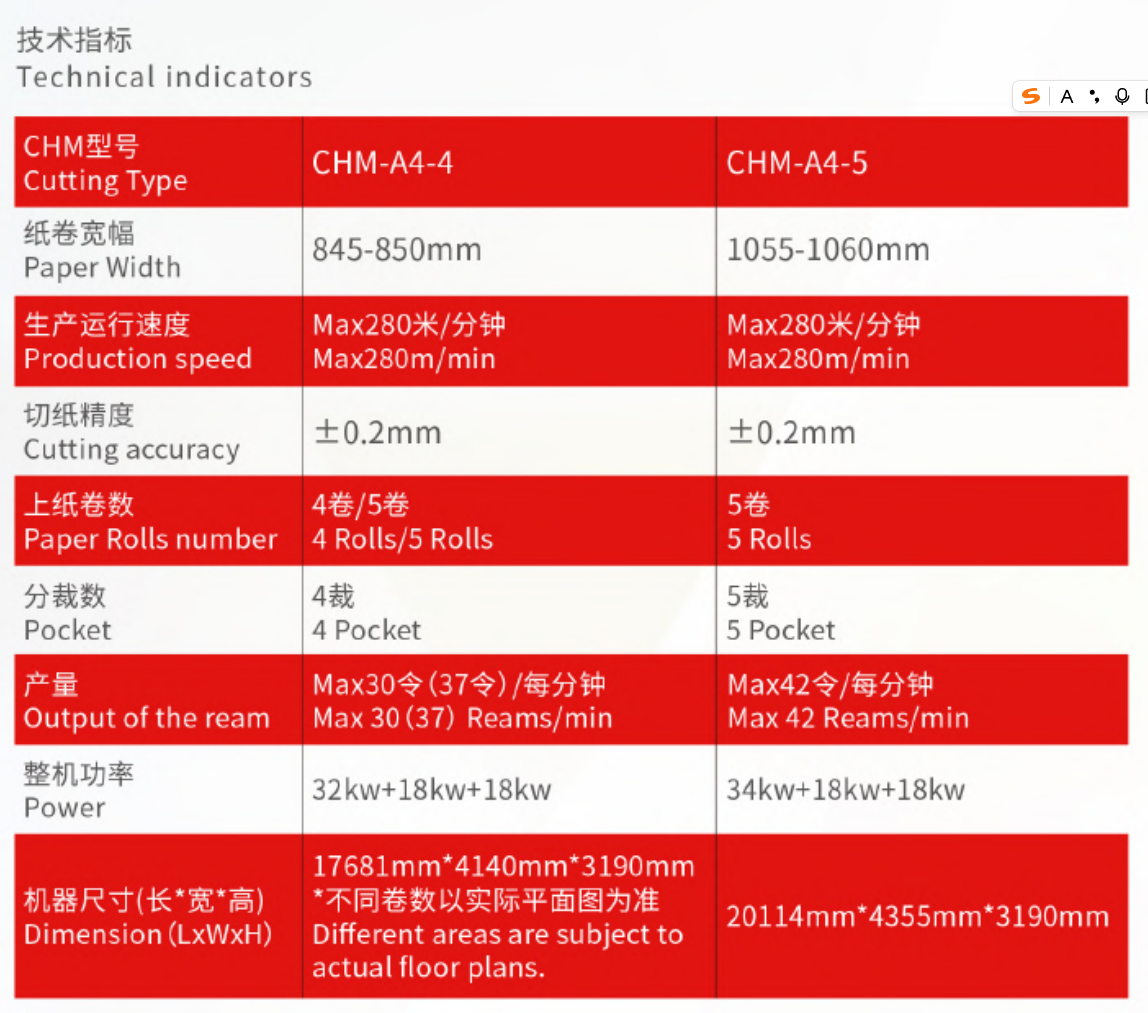
  • Paper width
  • Cutting lanes
  • Production output
  • Machine dimensions
  • Power configuration

The A4-5 model supports wider paper rolls and higher production capacity.

Production Capacity Comparison

CHM A4-4

  • Output: 30–37 reams per minute
  • Main power: 32 kW
  • Suitable for medium-volume production

CHM A4-5

  • Output: 42 reams per minute
  • Main power: 34 kW
  • Suitable for high-volume production

For factories requiring maximum productivity, A4-5 provides stronger capacity advantages.

Machine Size Comparison

A4-4 Dimensions

17681 × 4140 × 3190 mm

A4-5 Dimensions

20114 × 4355 × 3190 mm

Factories with limited workshop space may prefer the more compact A4-4 model.

Automation Configuration

Both models support:

  • Automatic unwinding
  • Web guiding
  • Slitting
  • Cross cutting
  • Automatic stacking
  • Ream wrapping
  • Carton packing
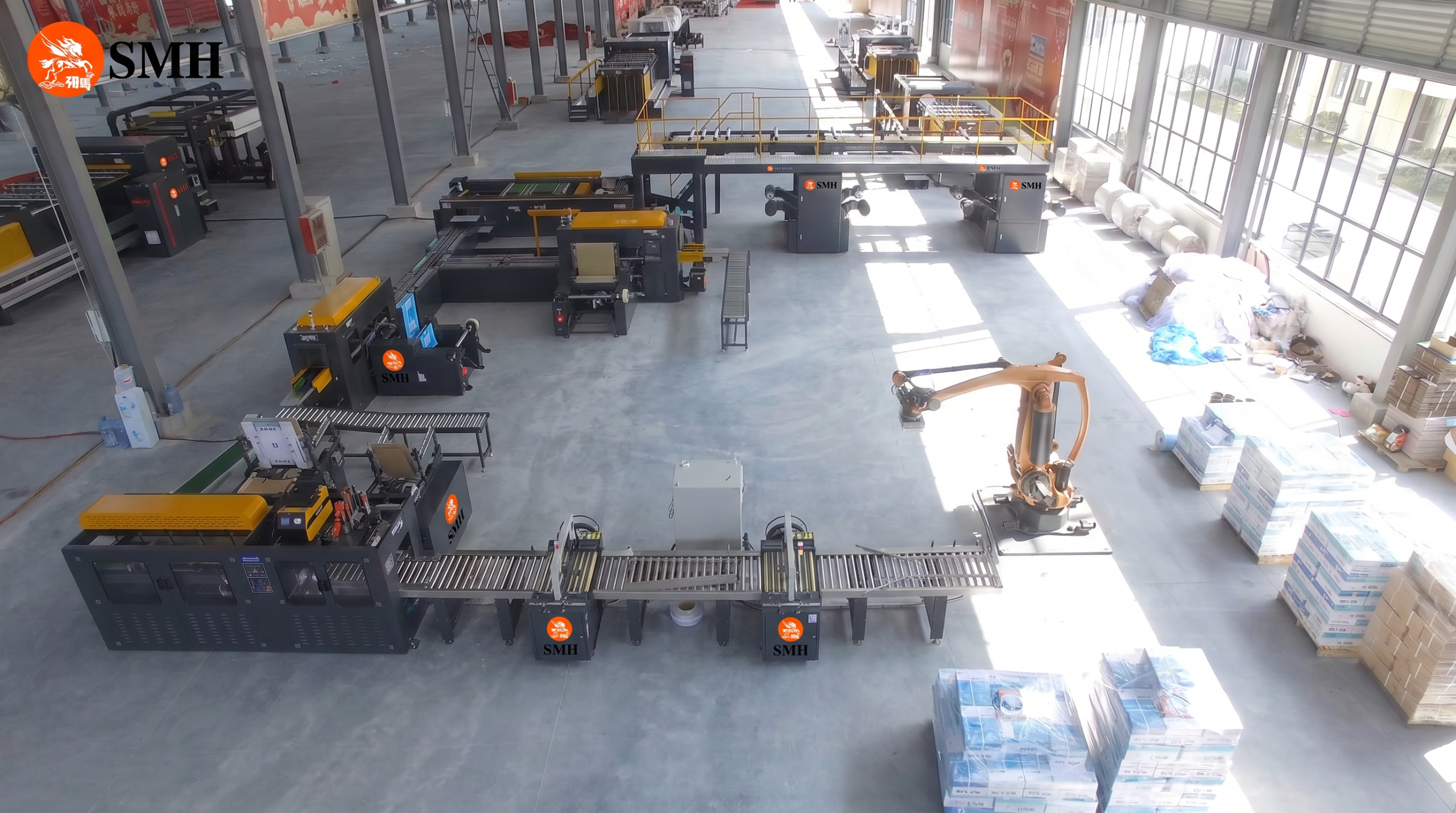
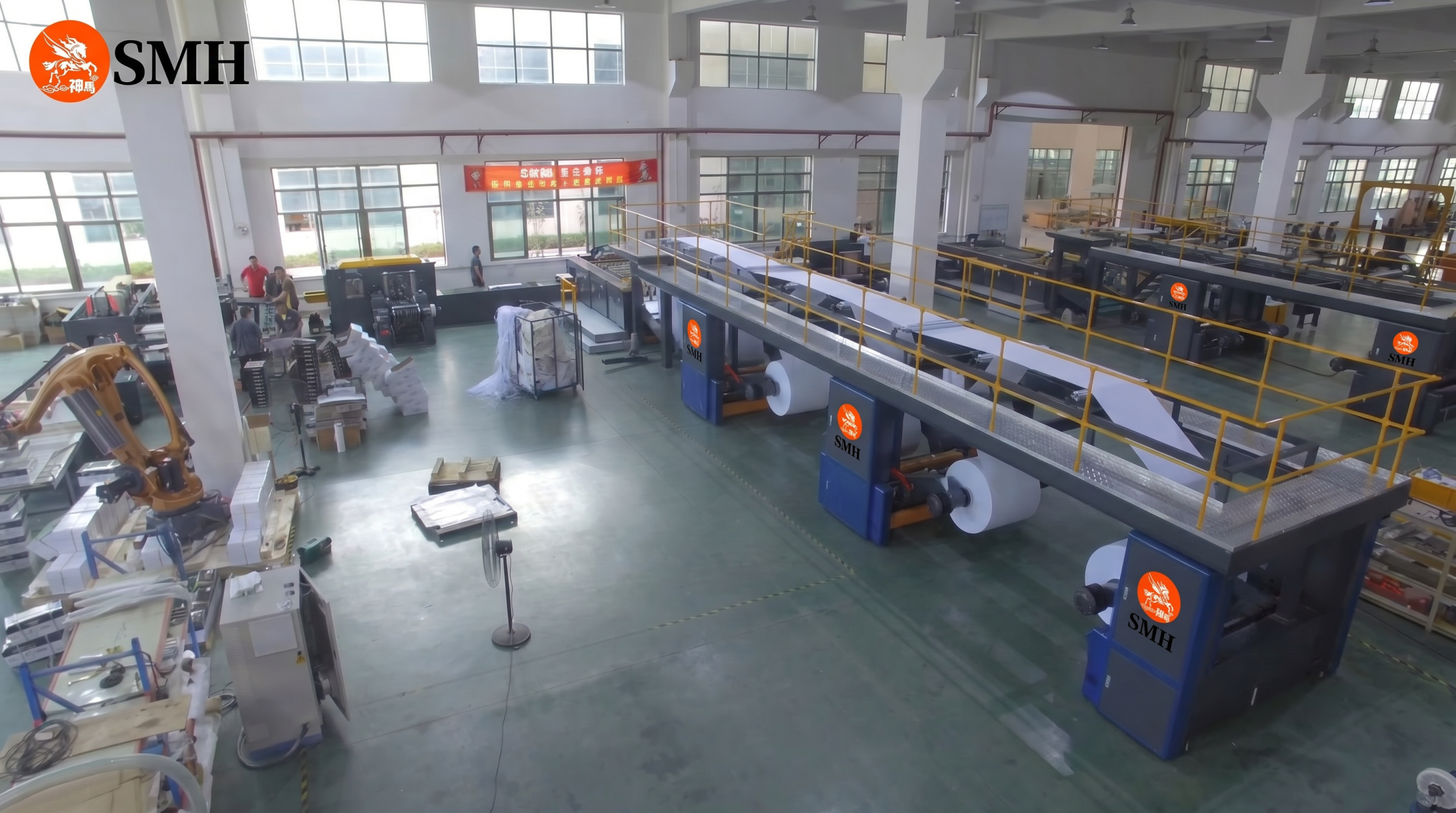
  • Robotic palletizing

The fully automatic closed-loop system reduces manual operation and improves production stability.

Which Machine Should You Choose?

Choose A4-4 If:

  • You have limited factory space
  • You run medium production volumes
  • You require stable and flexible production
  • You have lower initial investment requirements

Choose A4-5 If:

  • You need maximum production output
  • You process wider paper rolls
  • You focus on large-scale copy paper manufacturing
  • You require high-speed continuous operation

Conclusion

Both A4-4 and A4-5 production lines provide advanced automation and high cutting precision. The final choice depends on production goals, factory conditions, and expected output.

For high-capacity factories, A4-5 delivers stronger productivity. For balanced production and flexible operation, A4-4 remains an excellent solution.