
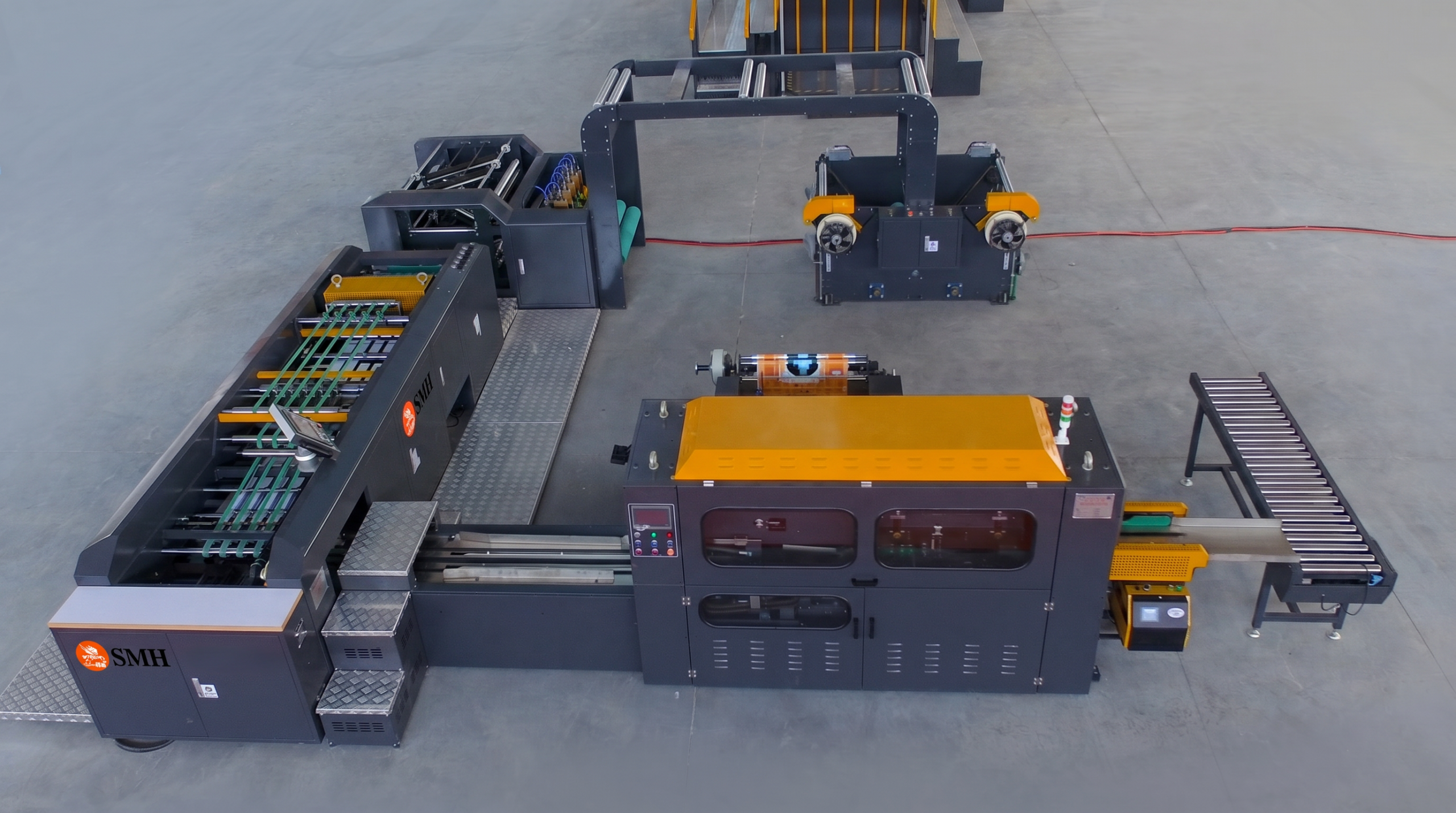
Labor is one of the largest and most unpredictable costs in paper converting. Wages rise, availability fluctuates, and consistency depends on operator skill.
But cutting labor cost doesn’t have to mean cutting output. Done right, automation restructures production so you get more stability with fewer people.
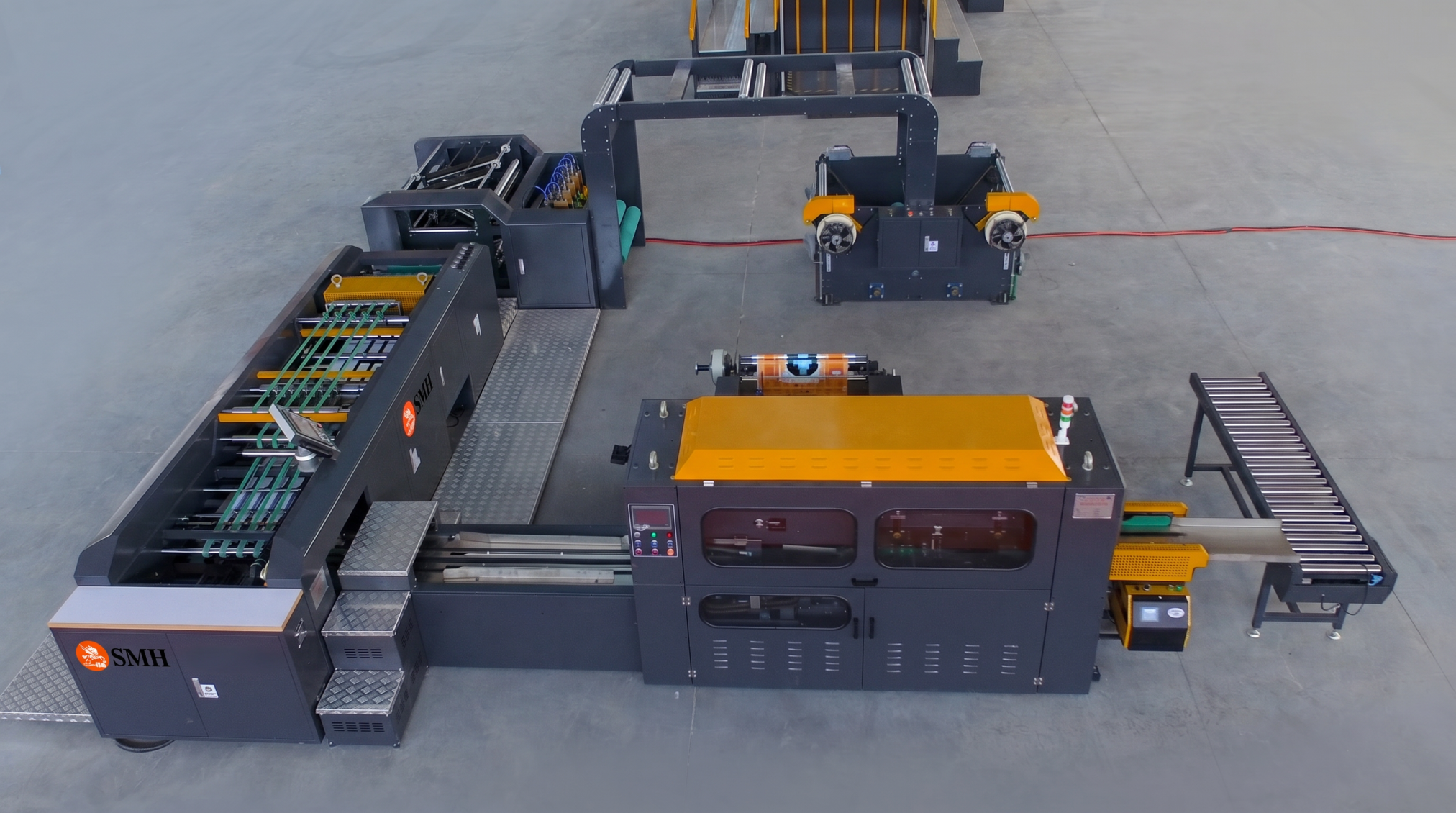
Where Labor Cost Really Comes From
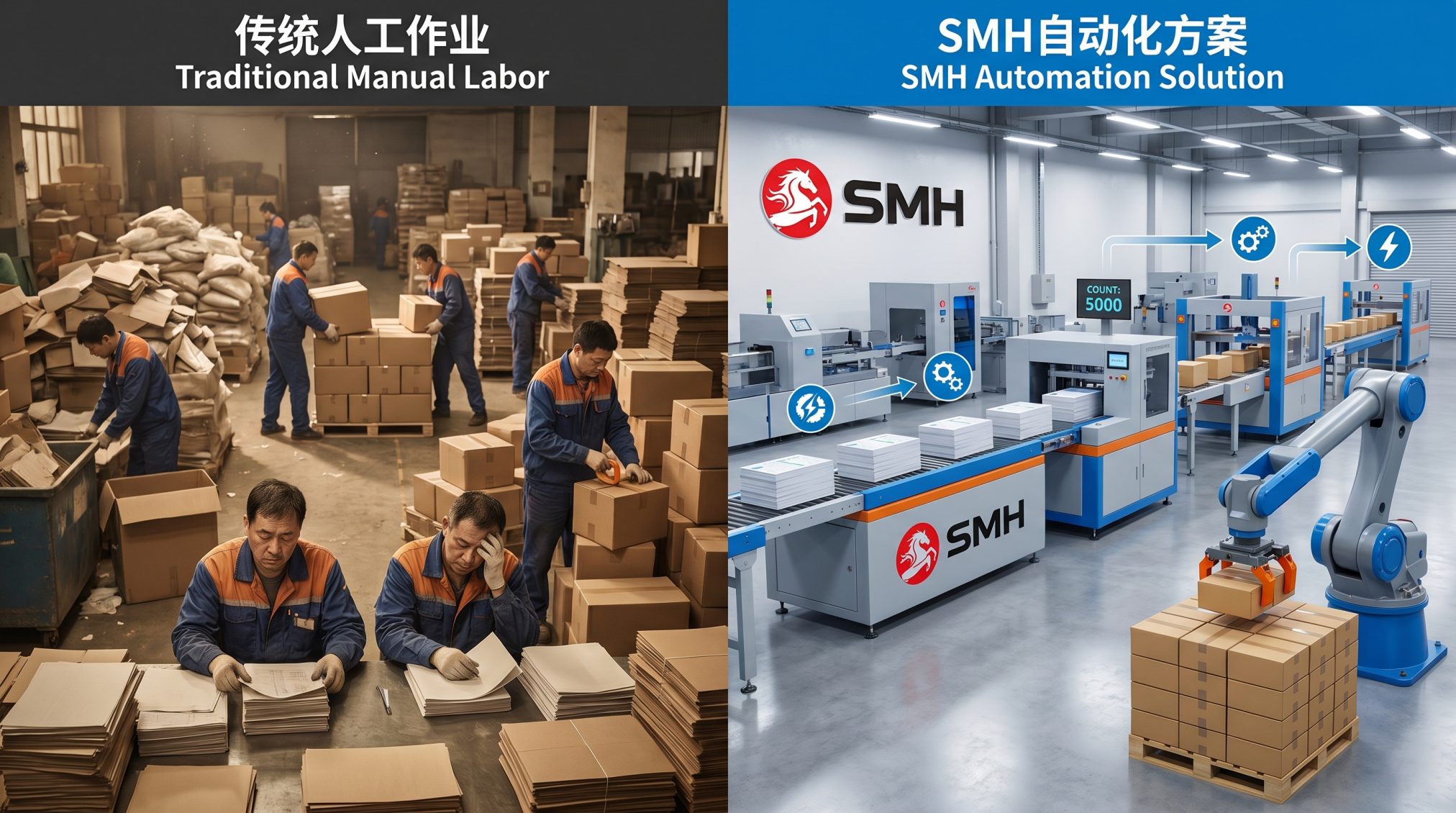
Labor cost isn’t just headcount. It adds up across material handling, sheet counting, packing, palletizing, and machine adjustments. In manual setups, more volume means adding more people – and cost grows with output.
What Automation Actually Replaces
Automation doesn’t simply “remove workers.” It replaces repetitive, variable tasks with controlled, repeatable processes:
- Continuous sheet feeding and alignment
- Precise counting and stacking
- Uniform packing and sealing
- Pallet transfer
Operators shift from physical handling to supervision. Fewer people per shift, and less dependency on manual coordination.
Stability Is Where Cost Reduction Happens
The biggest impact of automation isn’t fewer workers – it’s more stable production. Manual operations bring inconsistency: varying handling speed, fatigue errors, shift differences. Automation standardizes cycle times and execution, reducing hidden costs like rework, downtime, and waste.
Running at Designed Capacity
Many factories have upstream machines capable of higher speed, but manual downstream packing forces the line to slow down. Automation removes that bottleneck. When cutting, stacking, and packing are synchronized, machines run at stable speed, bottlenecks disappear, and output increases without adding labor. Cost per unit drops because productivity improves.
Reducing Long-Term Labor Pressure
Labor challenges aren’t just cost – they’re also availability and retention. Manual operations need continuous hiring, training, shift coordination. Automation reduces this pressure: fewer operators needed, skill requirements shift to system operation, production becomes less dependent on individual performance. Result: a more scalable, manageable operation.
Flexibility Without Complexity
Modern lines must handle different paper grades, order sizes, and job changes. Manual systems struggle – each change introduces delay and error risk. Automated systems allow parameter-based adjustments: quick format switching, consistent execution, minimal disruption. Better responsiveness without extra labor.
The Role of Equipment
Labor reduction depends on how well the system performs in real conditions. Key factors: stability at speed, consistency across paper types, low downtime, and good integration between stages. Well-designed sheeting, packing, and handling systems let you reduce labor while maintaining or increasing output.

Conclusion
Automation reduces labor cost not by simply cutting headcount, but by restructuring production:
- From manual coordination to system control
- From variable output to stable performance
- From labor-driven capacity to equipment-driven efficiency
The result: lower labor cost, plus a more predictable and scalable operation.
Need to reduce labor cost without losing output?
If you’re evaluating how to cut labor dependency while maintaining production, SMH can help assess your current line and define a practical automation upgrade.
Contact SMH – improve efficiency, reduce manual labor, and stabilize your output.