Why High-Speed Slitting Machines Need Better Stability

High Speed Alone Does Not Guarantee Higher Output
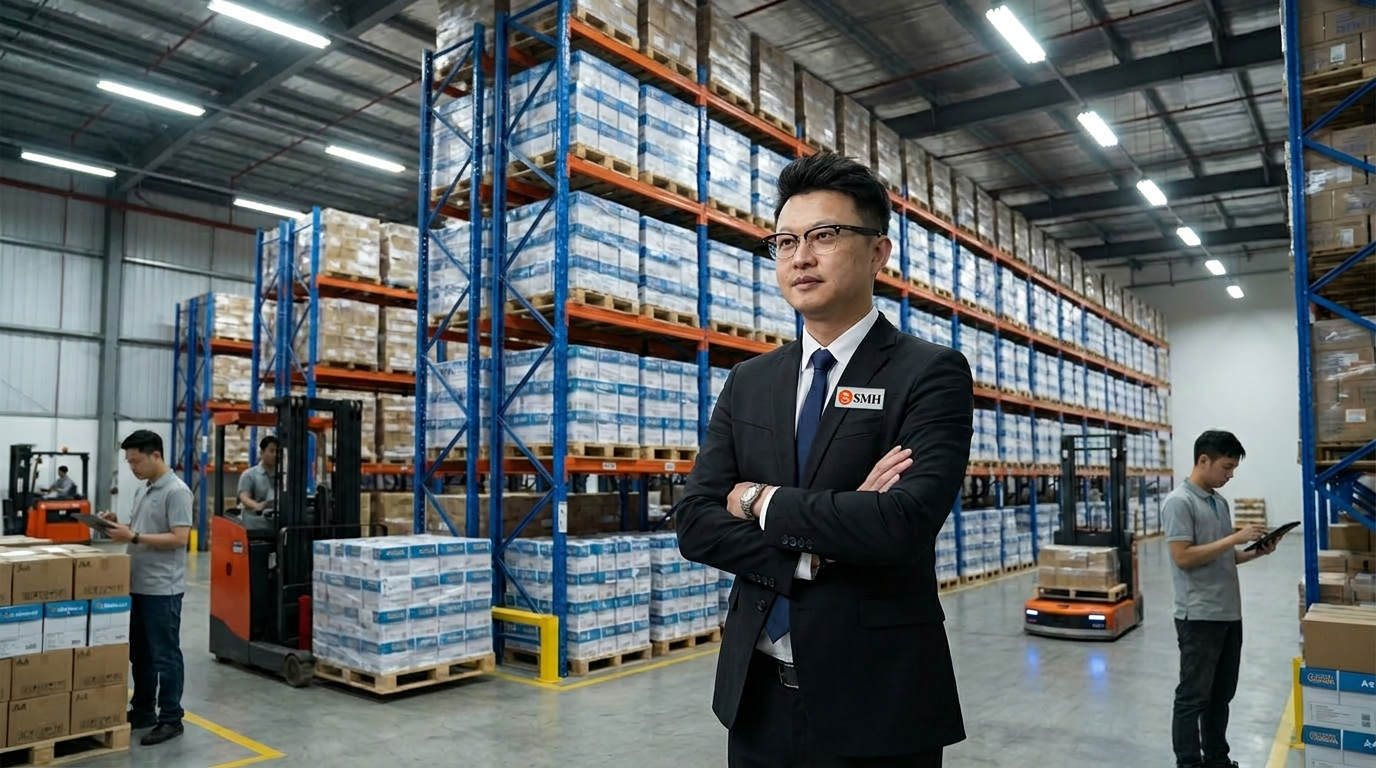
warehouse
warehouse

Many factories want faster production. That is normal.

But after increasing machine speed, some lines actually produce more waste instead of more good products.

The paper starts drifting. Stacking becomes messy. Edge quality changes. Operators begin slowing the line down again.

This happens because high-speed production magnifies small mechanical problems.

Small Errors Become Bigger at High Speed

At low speed, slight tension changes may not be obvious. Minor vibration may also go unnoticed.

At high speed, those same problems become much more serious.

A tiny knife vibration can affect cutting accuracy. Small tension fluctuations can change sheet length. Slight roller slipping can cause feeding instability.

The faster the line runs, the less room there is for error.

That is why stable high-speed production depends heavily on machine rigidity and synchronized control.

The Machine Structure Matters More Than Operators Think

In many factories, operators try solving instability by adjusting parameters repeatedly. Sometimes they change tension. Sometimes they reduce speed. Sometimes they increase knife pressure.

But if the machine structure itself is unstable, adjustments only provide temporary improvement.

A stable high-speed slitting machine usually includes:

  • rigid machine frame
  • stable roller system
  • synchronized servo control
  • accurate guiding system
  • consistent tension control

Without these conditions, running faster only increases instability.

Why Double Knife Systems Run More Smoothly
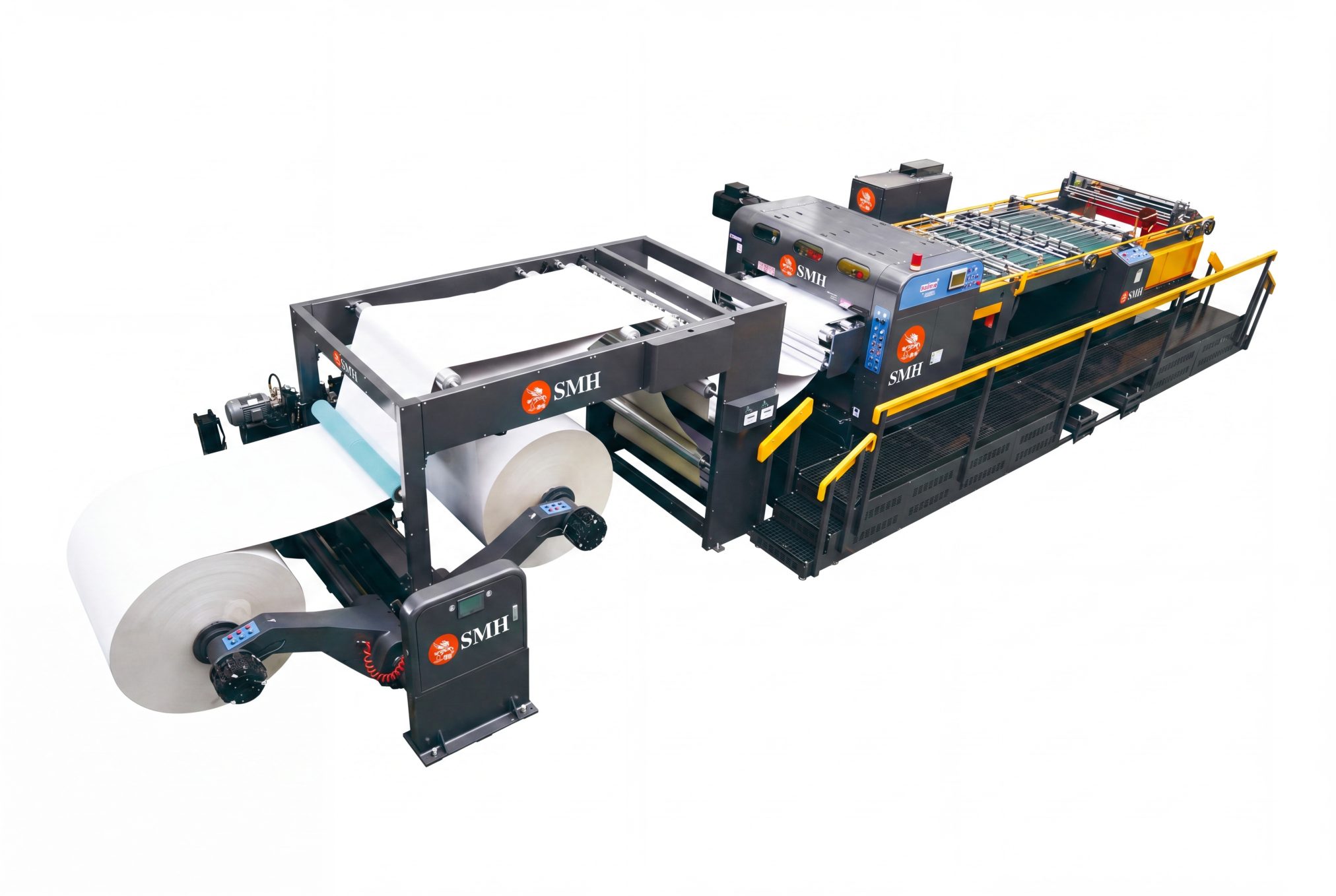
double rotary sheeter

Double knife systems are widely used in high-speed applications because the cutting process stays more balanced.

Both knife rollers rotate synchronously. The material receives cutting force from both sides. The paper movement becomes smoother.

Compared with impact-style cutting, vibration is lower. That helps maintain edge quality during long production runs.

This is especially important in:

  • coated paper production
  • packaging board converting
  • high GSM paper processing
  • large-volume paper mills

Stable Production Is More Valuable Than Peak Speed
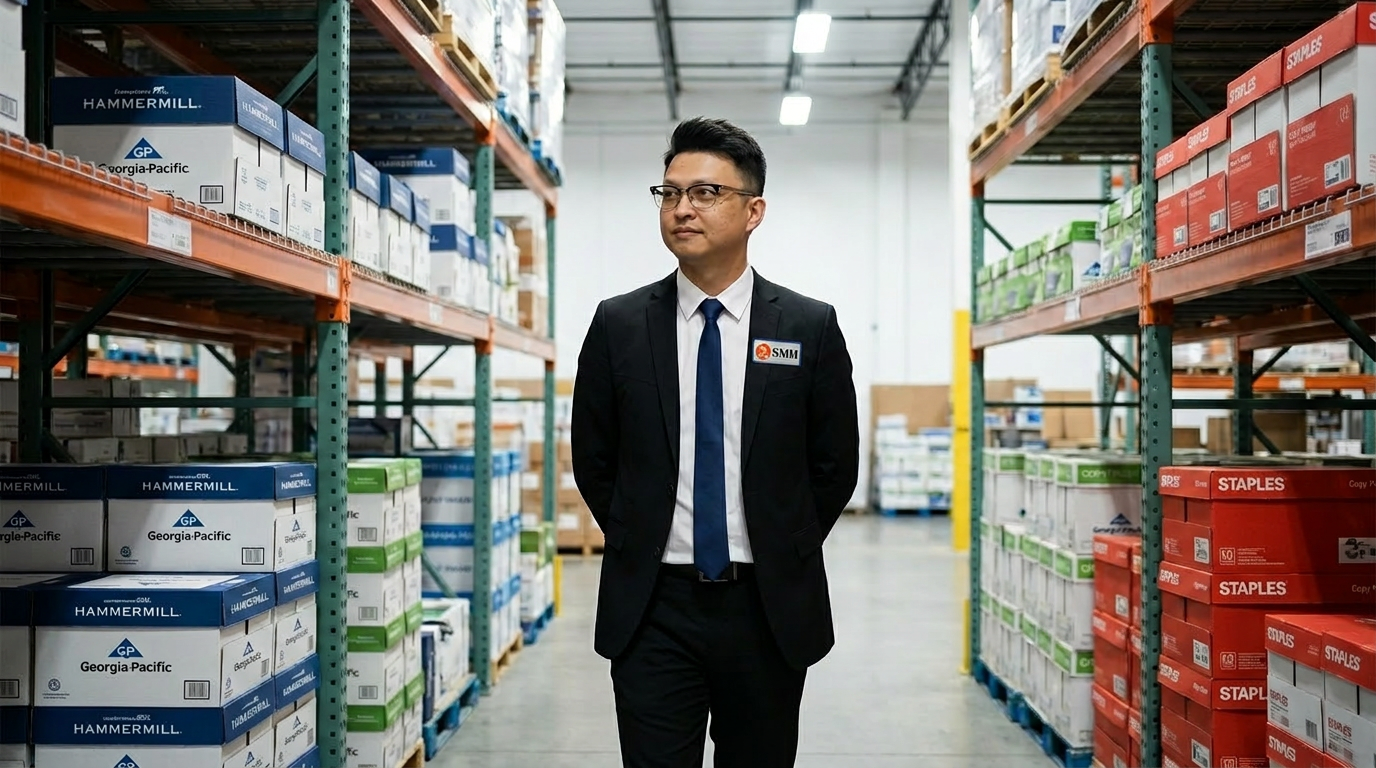
In real factory operation, customers care more about consistent production than temporary peak speed.

A line that runs steadily for hours is usually more profitable than a line that reaches very high speed but stops constantly.

That is why experienced factories focus on:

  • stable output
  • lower waste
  • repeatable quality
  • reduced operator intervention

The real goal is not simply running fast. It is running fast without losing control.
Why Your Line Looks Busy but Output Is Low | Practical Analysis

It’s common to see a production line running all day with operators constantly moving, adjusting, and handling materials.
On the surface, everything looks active. But when you check the actual output, the numbers don’t match the effort.

This gap between activity and real productivity is a frequent issue in paper converting plants.

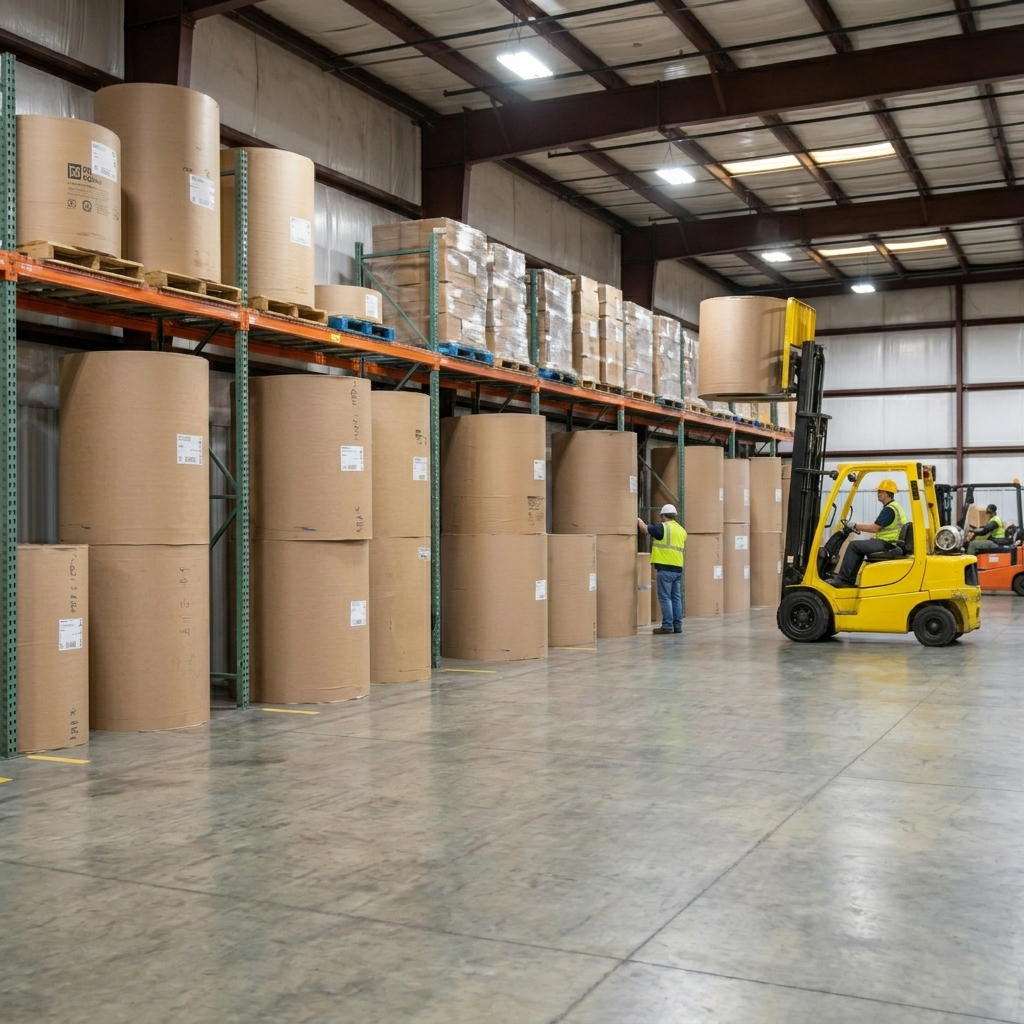
Pallet truck for transporting roll paper

Activity Does Not Equal Output

A line can be “busy” for many reasons that don’t contribute to finished product.
Operators may be:

  • moving stacks between sections
  • correcting alignment issues
  • waiting for the next step to catch up
  • handling small interruptions

All of this creates motion, but not necessarily usable output.

Where Efficiency Is Actually Lost

Based on practical production observations, low output in a busy line usually comes from three areas.

1. Excessive Manual Handling
When too many steps depend on manual work, speed becomes limited by people rather than machines.

Typical examples include:

  • manual counting and sorting
  • repositioning stacks
  • repeated adjustments between processes

Even if each step only takes a short time, the cumulative effect reduces overall throughput.

2. Unbalanced Workflow Layout
Layout design directly affects how materials move through the factory.

If the process is not well arranged:

  • raw materials travel longer distances than necessary
  • semi-finished products are temporarily stored and moved again
  • finished goods require additional handling before shipment

These extra movements do not add value but consume time and labor.

3. Frequent Small Interruptions
Short stops are often overlooked because they seem minor.

In reality, they are one of the biggest sources of lost efficiency.
These include:

  • minor jams
  • repeated parameter adjustments
  • sample checks and corrections
  • coordination delays between sections

Individually, each stop may last only a few minutes. Over a full shift, they significantly reduce effective production time.

Why the Problem Persists

Many operations try to solve these issues by adding more operators or increasing machine speed.
In most cases, this does not improve output.

If the process itself is not smooth, increasing speed only creates more instability, and adding labor increases complexity without fixing the root cause.

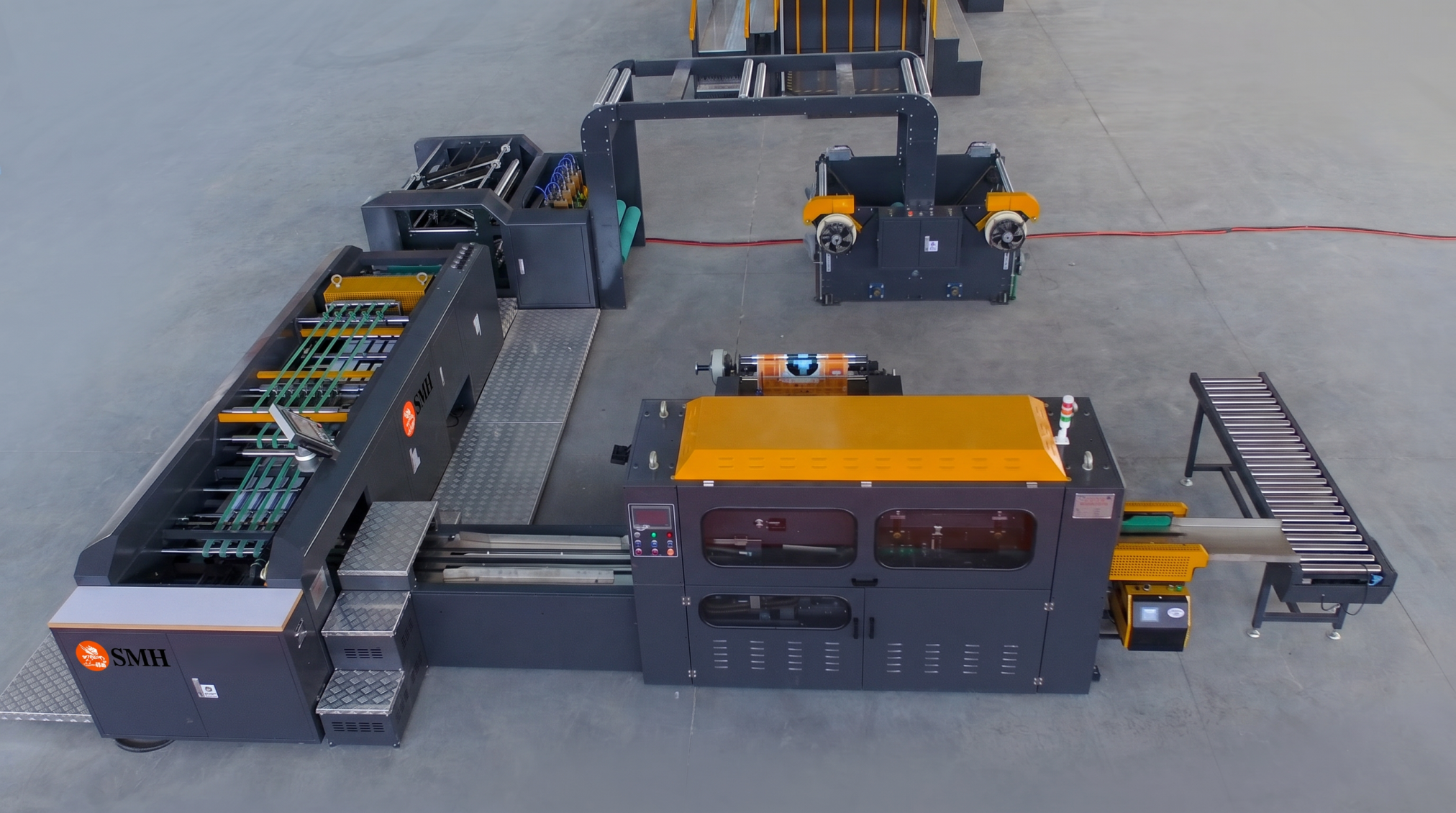
SMH A4 Paper Cutting and Packaging Machine

What an Efficient Line Looks Like

A high-efficiency line is not defined by how busy it appears, but by how smoothly it runs.

In a well-structured process:

  • material flows continuously from one step to the next
  • each section is matched in capacity
  • manual intervention is minimized
  • interruptions are rare and controlled

The result is steady, predictable output rather than fluctuating performance.

Practical Outcome

When workflow and process balance are improved:

  • total output increases without raising nominal speed
  • operator workload becomes more manageable
  • product quality becomes more consistent
  • planning and delivery become more reliable

Efficiency comes from reducing unnecessary actions, not increasing activity.

Conclusion

A busy production line is not always a productive one.
If output remains low despite constant activity, the issue lies in process design, not effort.

Real efficiency is achieved when the entire line operates as a coordinated system, where each step supports continuous flow rather than interrupting it.