
High GSM Cardboard Slitting: Smooth Edges Without Dust

High-Quality Packaging Requires Precision Slitting

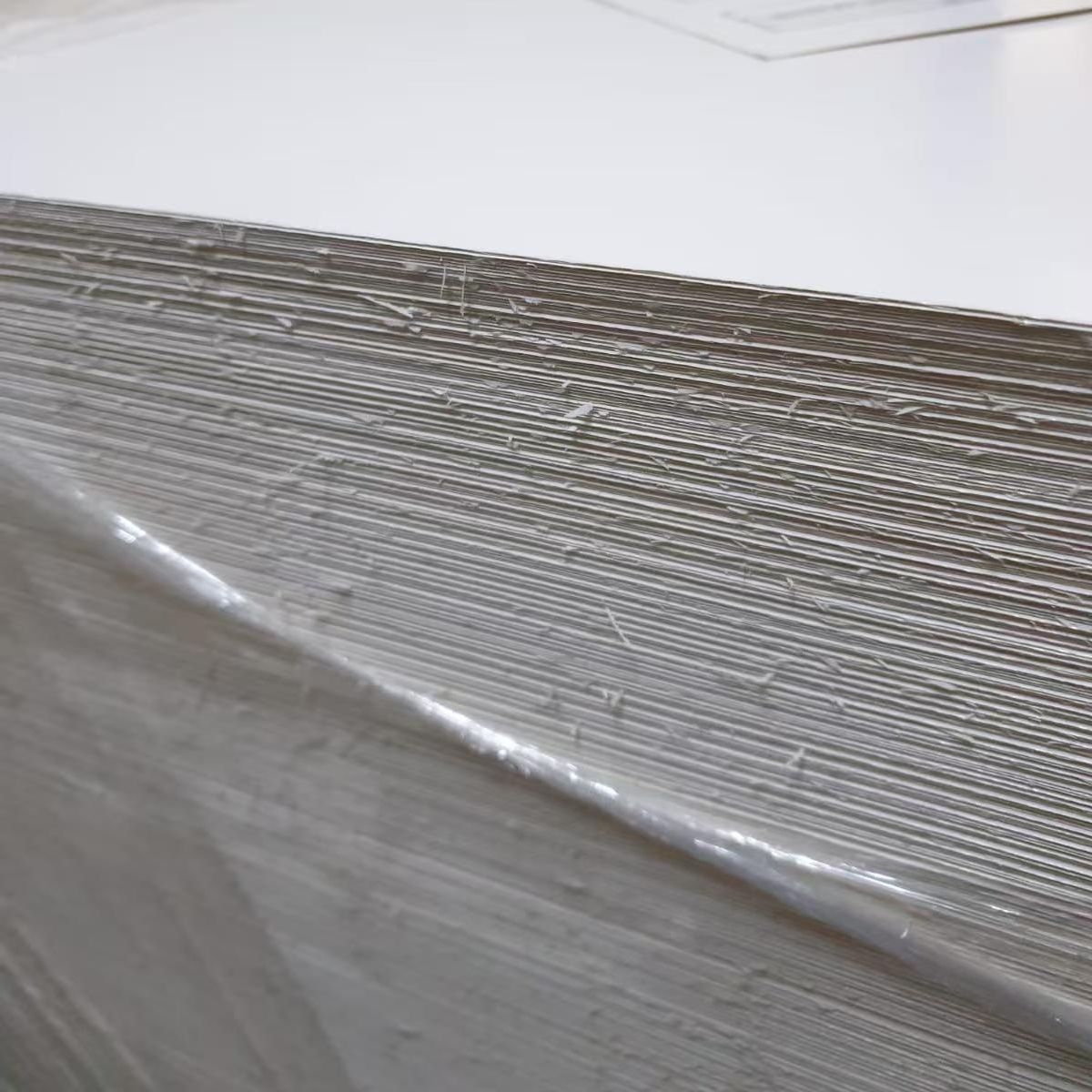
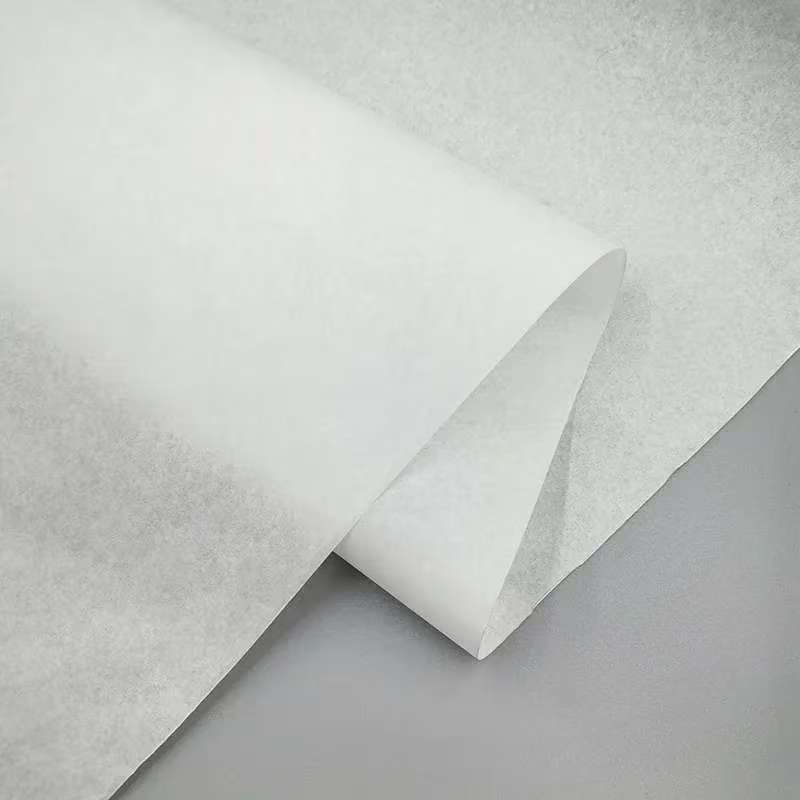
High GSM cardboard and premium packaging paper are widely used in luxury packaging, cigarette packaging, wine boxes, and high-end printing applications. Compared with standard paper grades, these materials require higher slitting precision and better edge quality.

If slitting quality is unstable, problems such as paper dust, rough edges, and coating damage can directly affect printing and packaging performance.

Why Heavy Paper Is More Difficult to Process

High-thickness paper materials place greater pressure on slitting systems during high-speed production. Traditional equipment may experience:

  • Blade vibration
  • Edge cracking
  • Dust generation
  • Uneven roll tension

These issues can reduce product quality and increase material waste.
SMH Precision Slitting Solutions

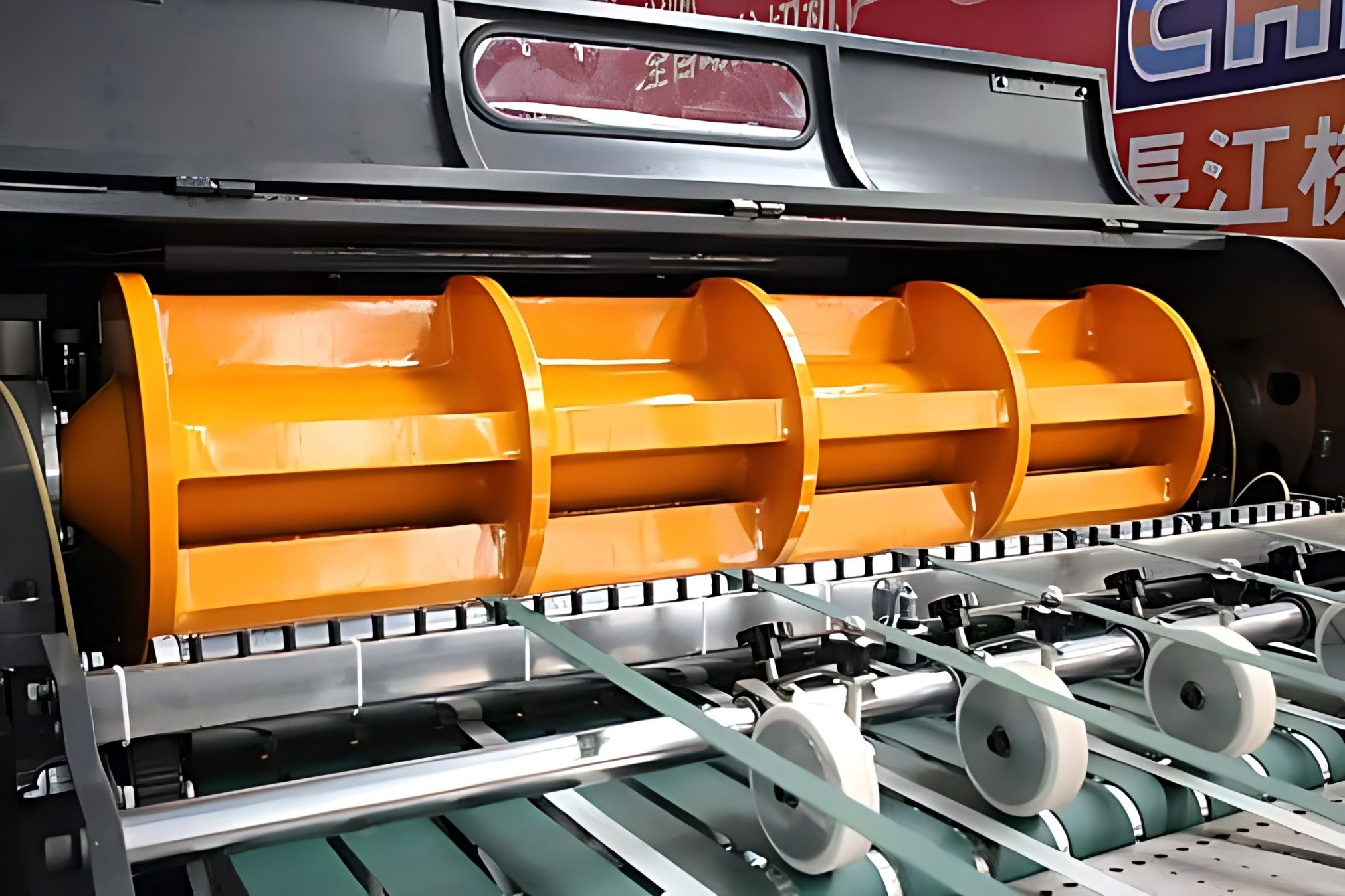
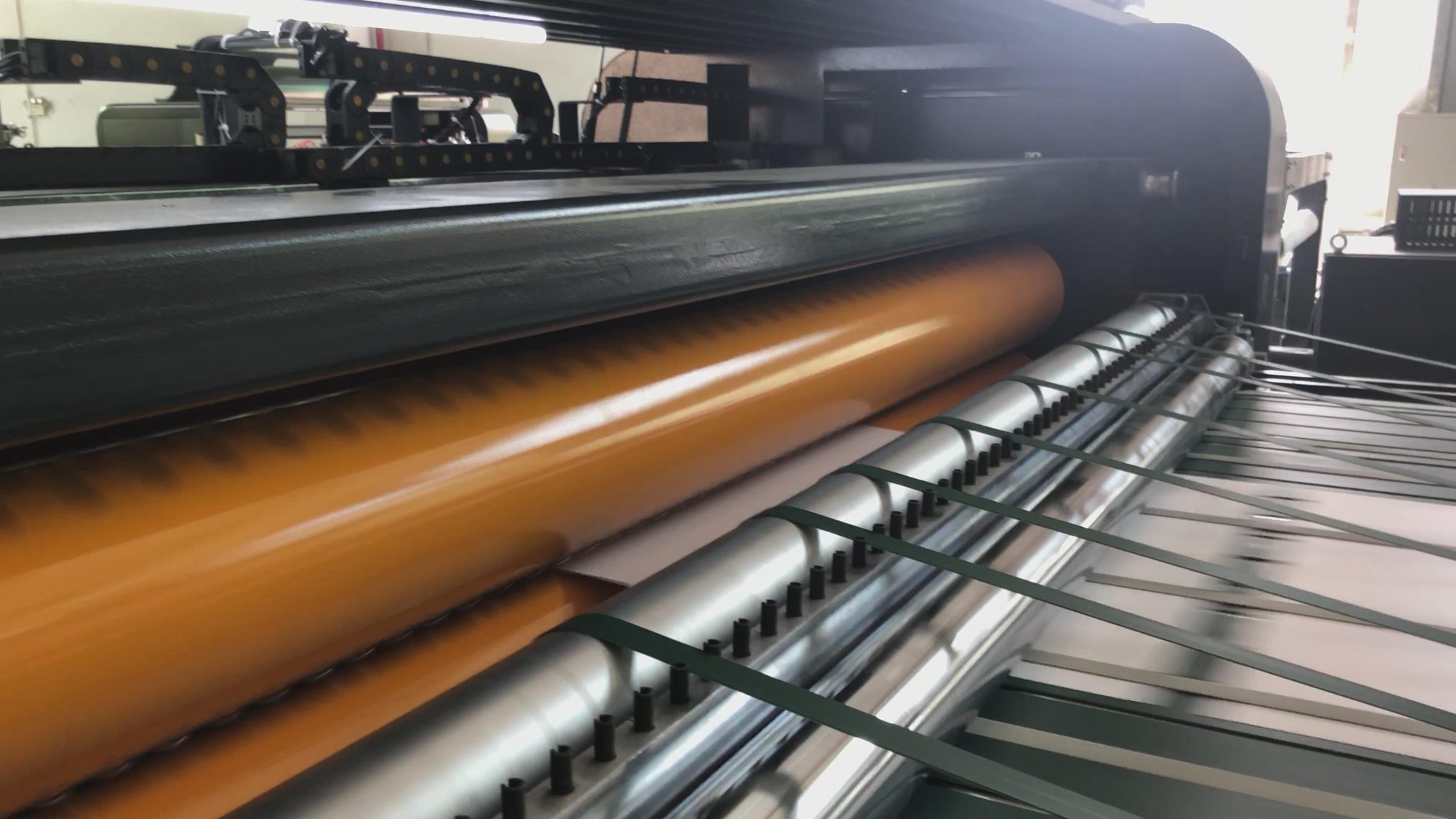
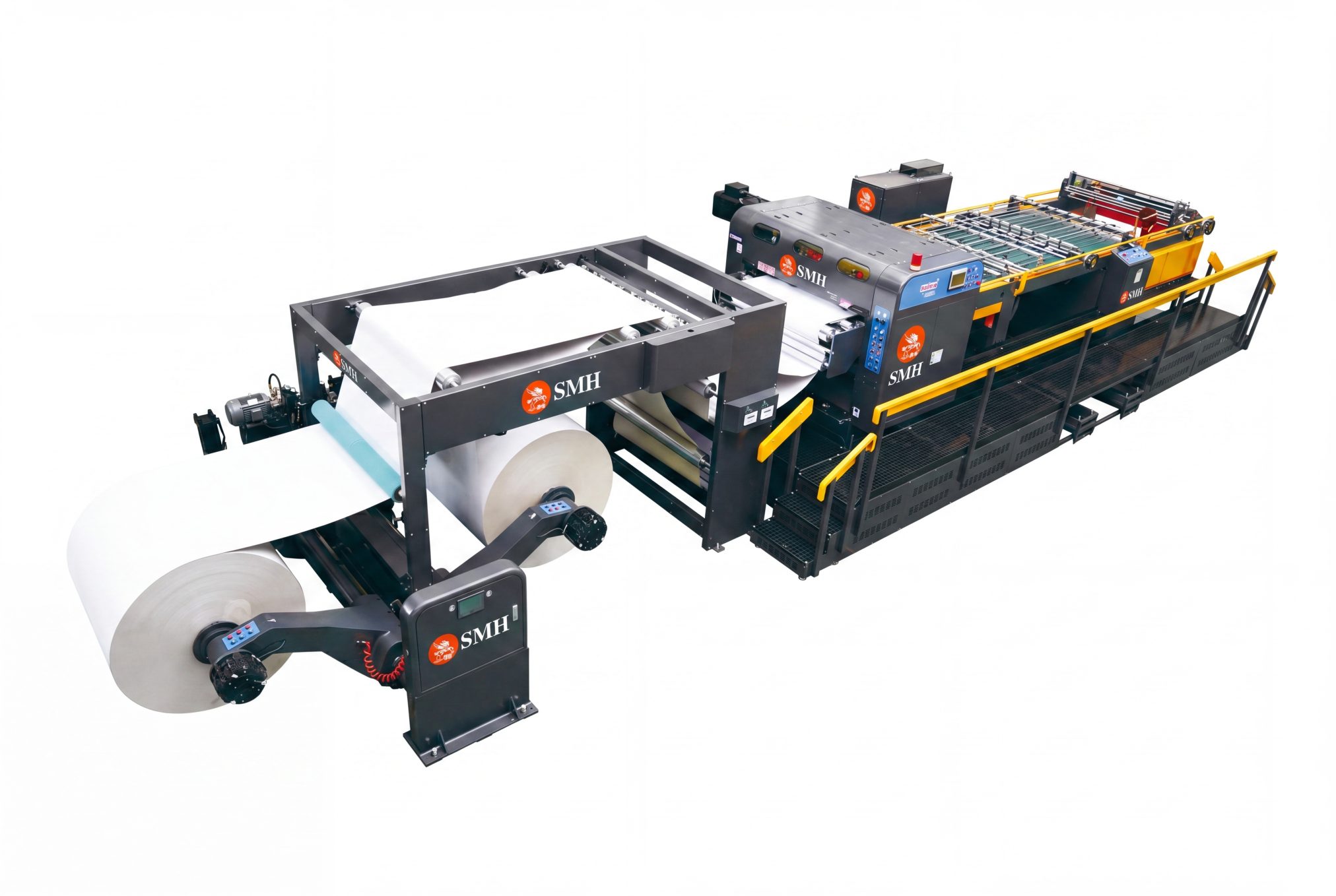
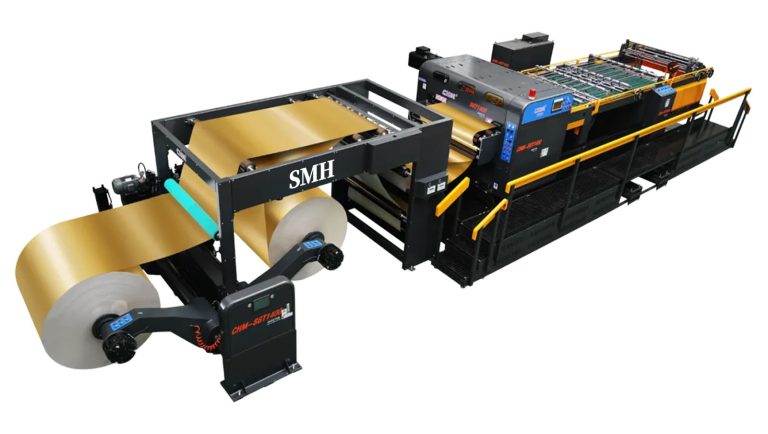
To improve cutting performance for heavy paper materials, SMH slitting machines integrate:
  • High-rigidity machine structures
  • Precision knife positioning systems
  • Stable servo-driven tension control
  • High-precision rewinding systems

The combination of stable tension and precise knife adjustment helps maintain clean cutting edges during continuous operation.

Reducing Paper Dust During Production

Paper dust is a major concern for premium packaging manufacturers. Excessive dust can affect printing quality, coating performance, and final product appearance.

SMH optimizes blade angle, slitting pressure, and web tension to reduce dust generation while improving edge smoothness.

The system is suitable for processing:
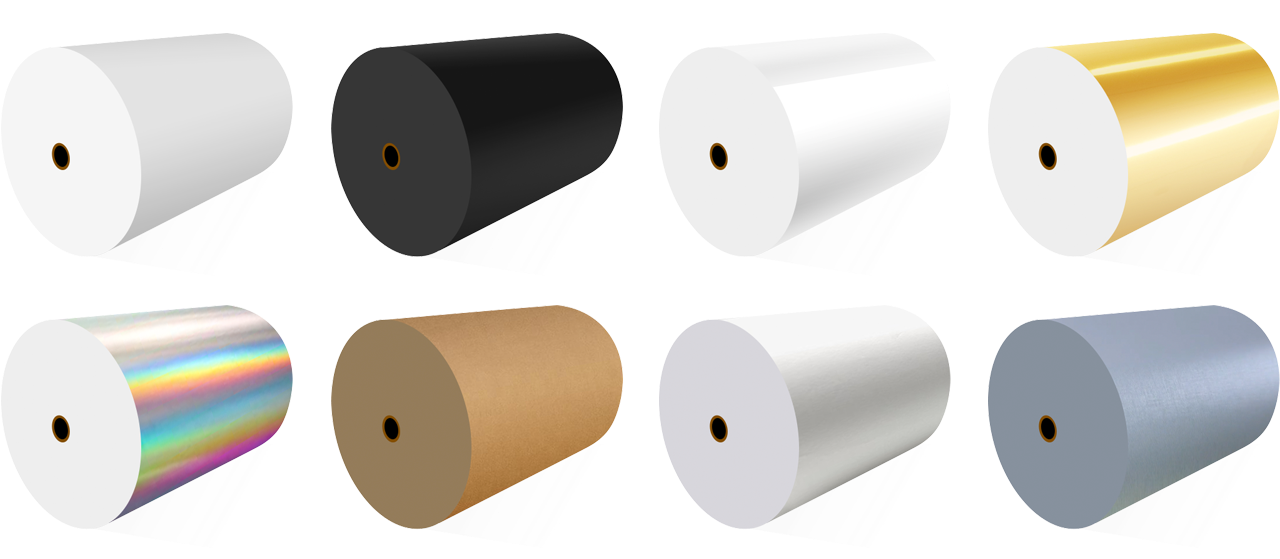
  • White cardboard
  • Duplex board
  • Cigarette packaging paper
  • Wine packaging paper
  • High-end coated paper

Meeting the Requirements of Modern Packaging Production

As packaging manufacturers demand higher production quality and efficiency, precision slitting technology becomes increasingly important.

SMH continues improving slitting stability, automation performance, and machine durability to help customers achieve stable production quality for premium packaging materials.
Southeast Asian Paper Mill Doubles Production Capacity with SMH Equipment Upgrade

Growing Demand Drives Production Expansion

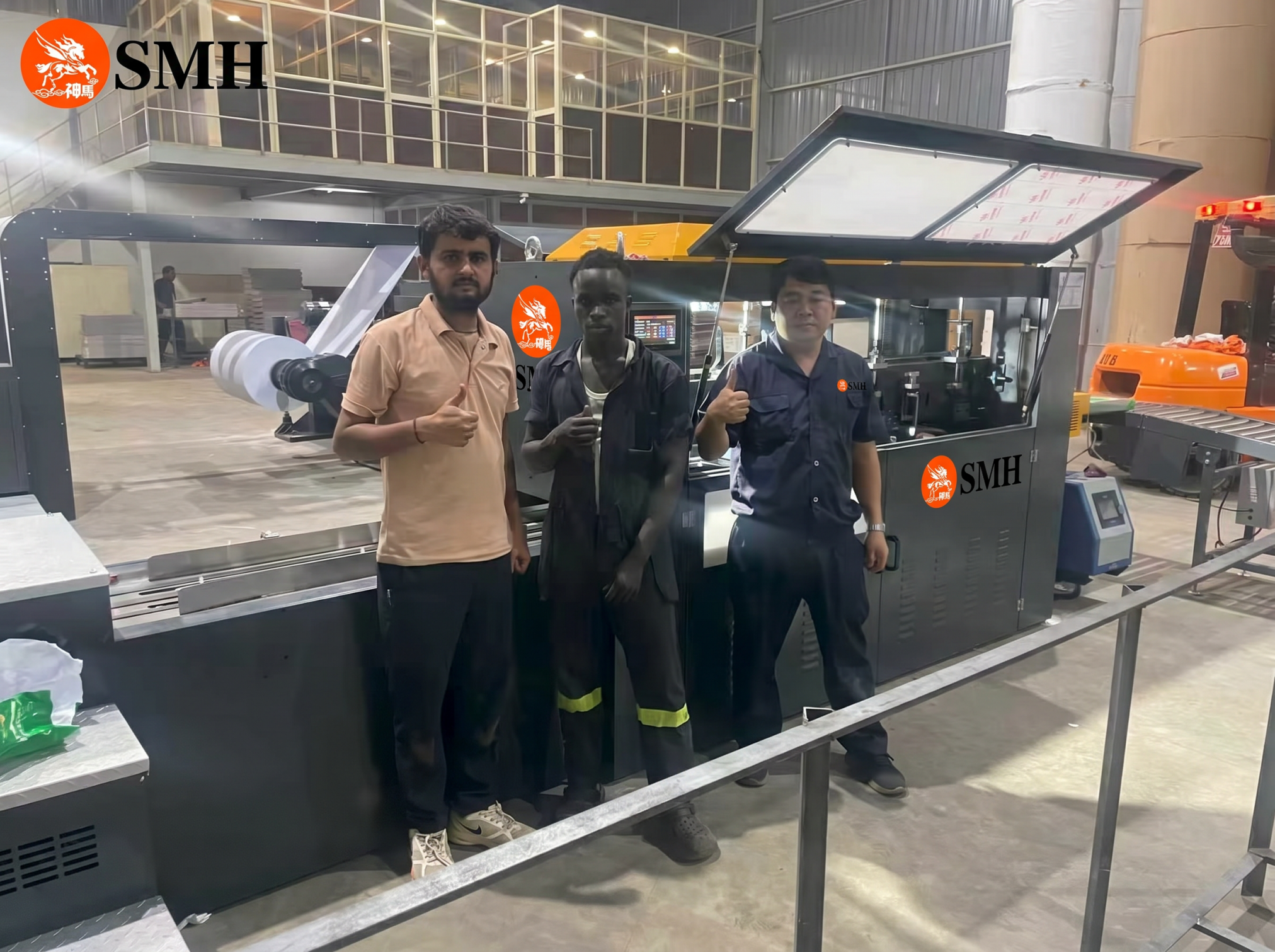
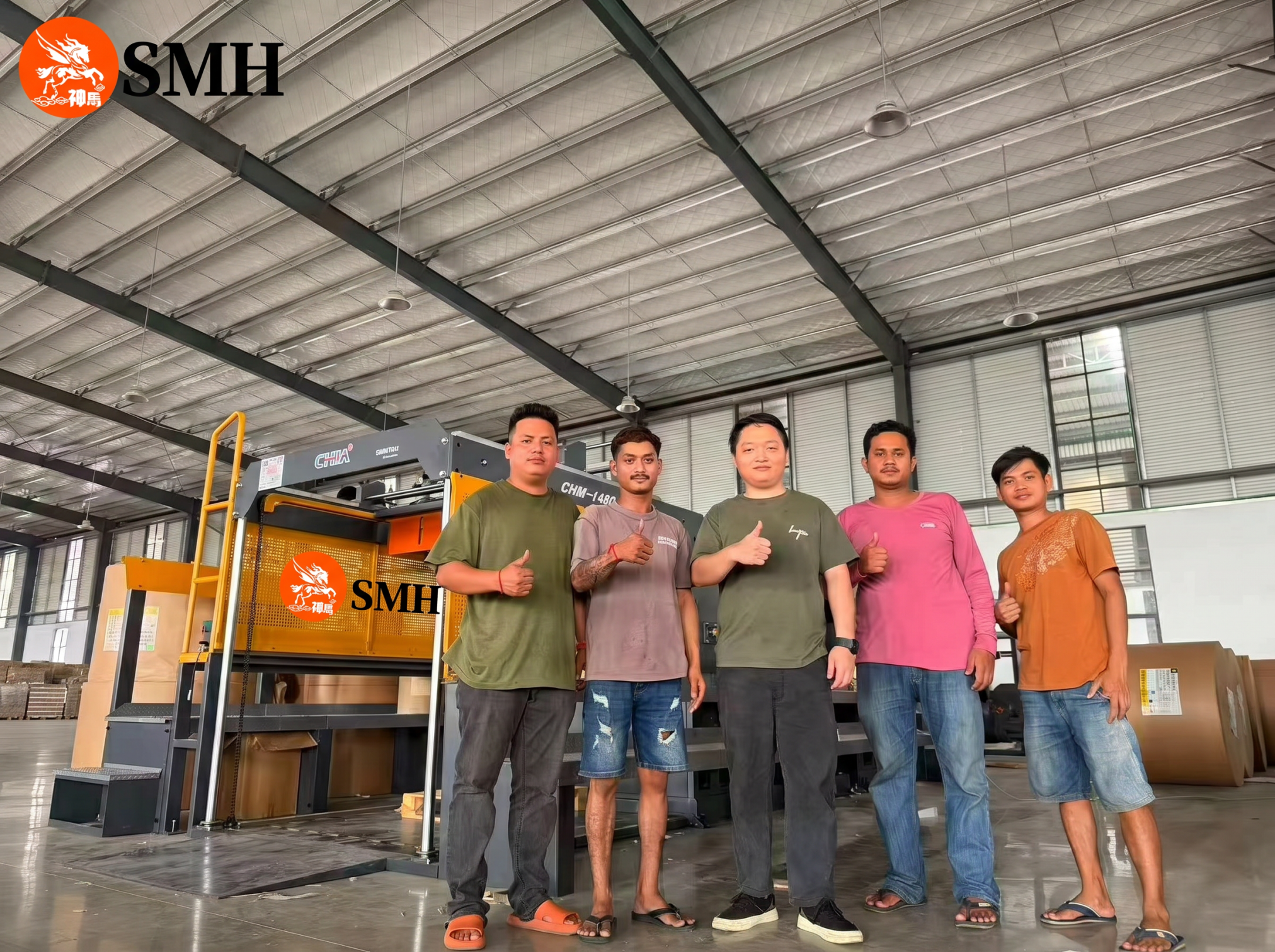
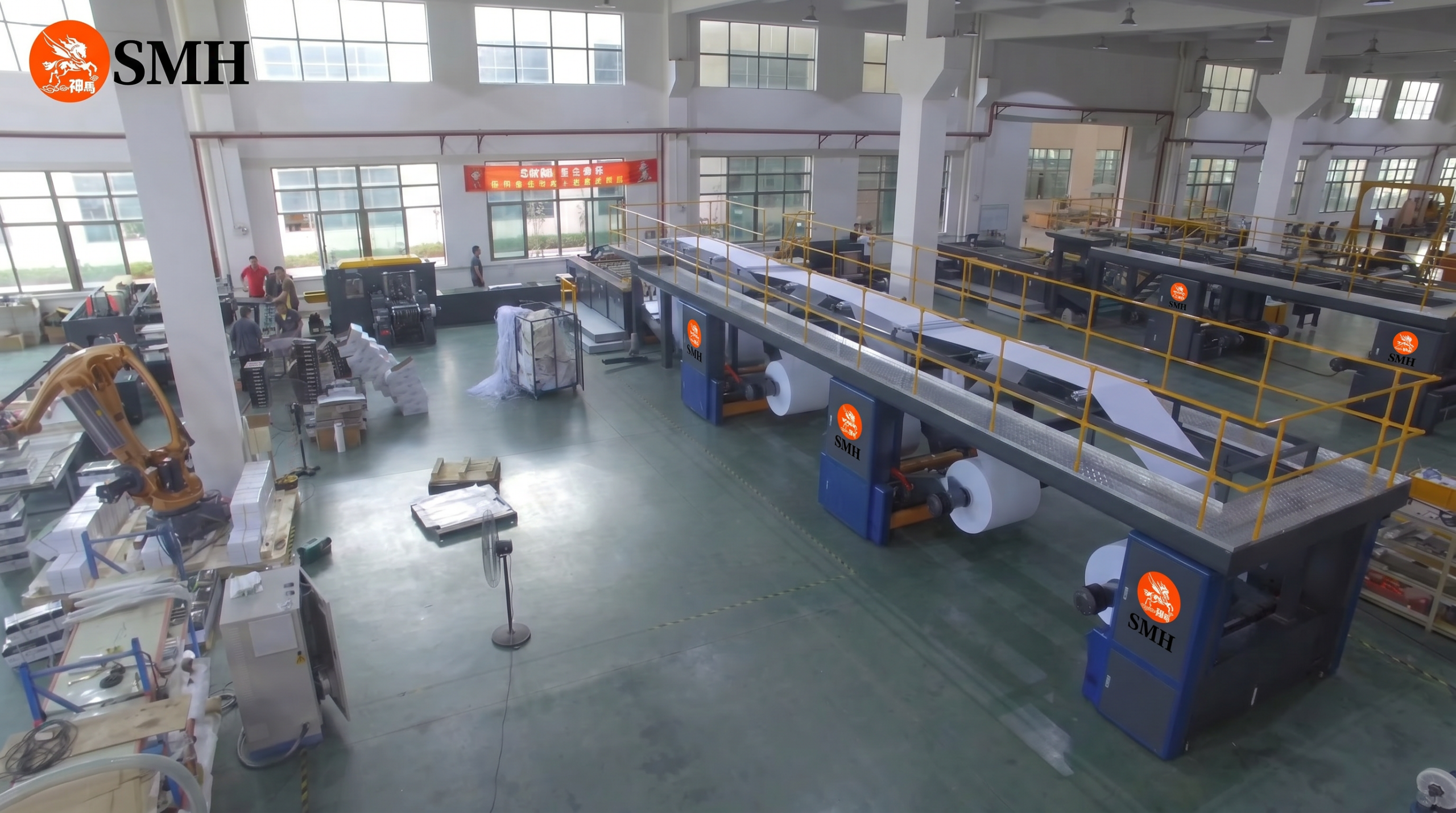
A large paper converting factory in Southeast Asia recently completed a production upgrade project using SMH automatic paper converting equipment. After installation and commissioning, the customer successfully improved production efficiency and significantly increased daily output capacity.

The project included automatic sheeting, ream packaging, conveying, and stacking systems designed for continuous high-speed operation.

Replacing Traditional Manual Production

Before the upgrade, the factory relied heavily on manual packaging and semi-automatic production methods. Frequent stoppages, labor dependency, and unstable production efficiency limited overall capacity growth.

After introducing the SMH automatic production line, the factory optimized multiple production processes including:

  • Automatic paper feeding
  • High-speed sheeting
  • Automatic counting
  • Ream packaging
  • Finished product conveying

The integrated system helped reduce manual intervention while improving production continuity.

Stable Operation Improves Production Efficiency

One of the key challenges for large-scale paper manufacturers is maintaining stable machine operation during long production cycles.

During commissioning, the SMH production line demonstrated:

  • Stable cutting precision
  • Smooth paper conveying
  • Accurate ream counting
  • Reliable packaging performance

The factory also benefited from reduced paper waste and lower labor costs.

Technical Support During Installation

SMH engineers stayed at the customer’s factory throughout installation and startup. The team provided equipment commissioning, operator training, and maintenance guidance to ensure stable long-term production.

By optimizing machine settings according to local production requirements, the factory achieved faster production startup and improved operational efficiency.

Supporting Global Paper Manufacturers

Today, SMH equipment supports paper mills and packaging factories across Asia, Europe, Africa, and South America. As demand for automatic paper converting equipment continues growing, more manufacturers are investing in intelligent production systems to improve competitiveness and production stability.

How Knife Structure Affects Slitting Quality

Many Cutting Problems Start From the Knife Structure

When edge quality becomes unstable, many factories immediately replace the blade.

Sometimes the new blade helps. Sometimes nothing changes.

The reason is simple. The knife itself is not always the main issue. The cutting structure behind the knife matters just as much.

Different knife systems create completely different cutting behavior.

Impact Cutting and Pure Shear Cutting Are Not the Same

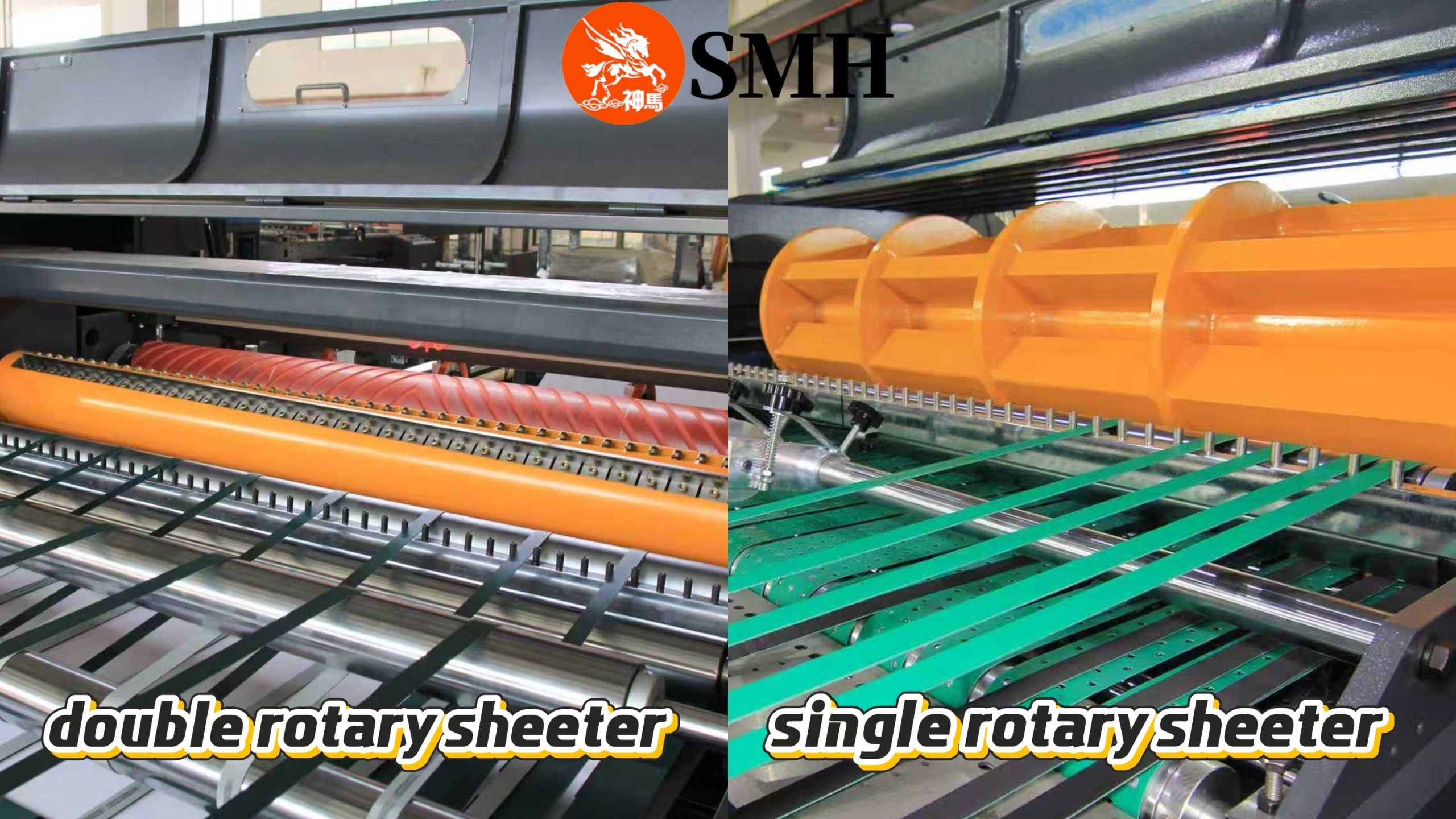
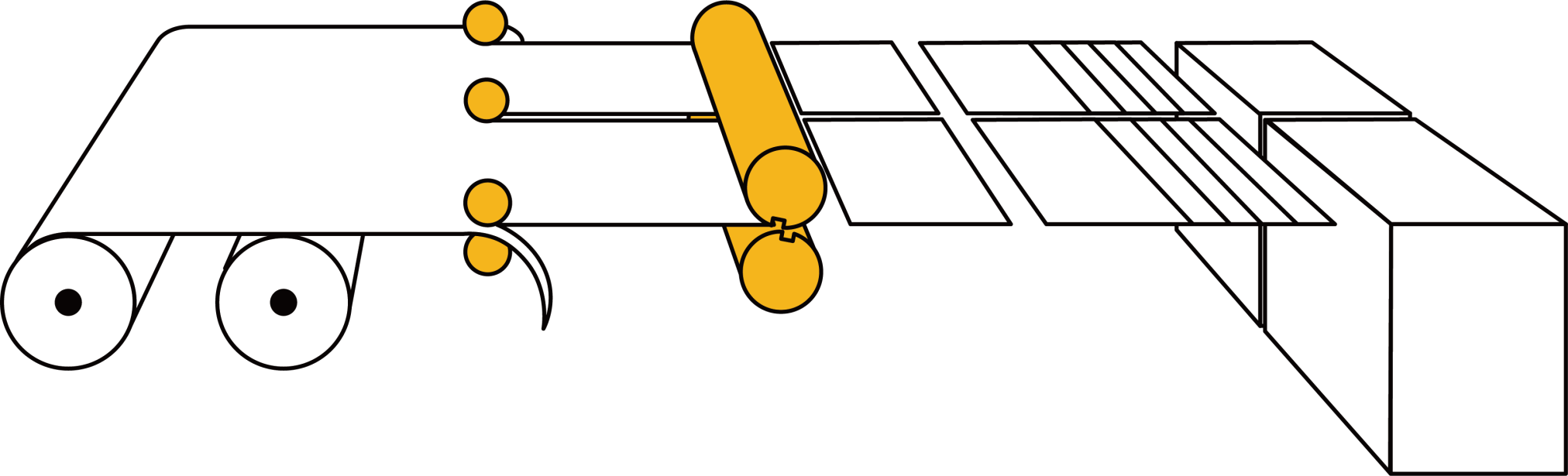
Single knife machines mainly use impact-style cutting. The rotating upper knife cuts against a fixed bottom knife.

single rotary sheeter

This structure is simple and flexible. It works well for thin materials and small batch production.

But during cutting, the material receives force mainly from one side. That creates concentrated stress at the cutting point.

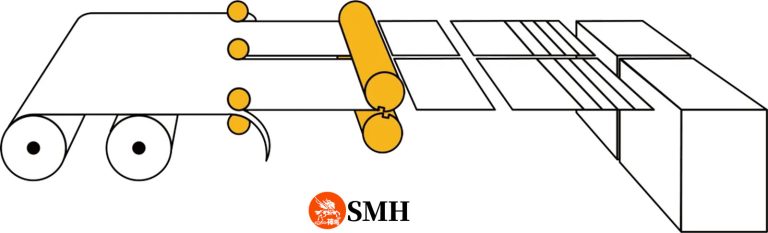
Double knife systems work differently. Both knife rollers rotate together. The paper is cut gradually from both sides.

double rotary sheeter

The cutting force stays more even. The cutting process becomes smoother.

In actual production, this difference directly affects:

  • edge smoothness
  • paper dust level
  • cutting stability
  • vibration control
  • knife life

Why Knife Vibration Becomes a Serious Problem

At higher speed, vibration becomes one of the biggest hidden problems.

Even slight knife movement can create:

  • uneven edges
  • unstable width accuracy
  • paper dust
  • cutting marks

Factories sometimes try increasing knife pressure to compensate. But excessive pressure creates more friction and heat. That shortens blade life.

The better solution is reducing vibration at the structural level.

This is why rigid machine frames and synchronized knife systems matter so much in high-speed production.

Knife Life Depends on Cutting Stability

Many operators think blade life depends only on blade material. Actually, machine stability affects knife wear heavily.

When the cutting force stays balanced:

  • blade wear becomes slower
  • edge quality stays stable longer
  • replacement frequency decreases

In unstable systems, knife wear becomes uneven. That causes edge quality to deteriorate more quickly.

Choosing the Right Knife Structure Matters Long Term

For factories processing thin paper with frequent order changes, single knife systems still offer good flexibility.

For factories running thick materials, long production hours, or high-speed converting, double knife systems usually provide better long-term consistency.

The important thing is understanding how the cutting structure affects real production behavior.

Why Thick Paper Produces Burrs During Slitting

Burr Problems Usually Start When Material Changes

Edge of the paper
Edge of the paper

A production line may run perfectly with thin paper. Then one day the factory switches to heavier board. Suddenly the edge quality changes.

Paper dust increases. Small burrs appear. Sometimes the cut edge even feels rough by hand.

Many operators first suspect the knife. But in real production, the knife is often only part of the reason.

The bigger issue is that thick paper behaves completely differently during cutting.

Thick Paper Needs Different Cutting Force

thin paper
thin paper

Thin paper is flexible. It separates more easily during slitting.

Heavy board is different. The material is stiffer. The cutting resistance is much higher.

If the machine still uses impact-style cutting, the pressure concentrates on one side of the sheet. That creates stress around the cutting point.

At lower speed, the issue may not look serious. At higher speed, burrs become much more obvious.

This is why some factories notice edge problems only after increasing production speed.

Machine Structure Directly Affects Edge Quality

In single knife systems, the upper knife rotates while the lower knife stays fixed. The cutting process depends heavily on pressure and impact force.

For thin paper, this is usually acceptable. For thick board, the cutting process becomes less stable.

Double knife systems reduce this problem because both knife rollers rotate together. The material is cut from both sides simultaneously.

Double helical cross-cutting knife set

The cutting force stays more balanced. The paper deforms less. The edge quality becomes cleaner.

That is one reason why high-end packaging factories prefer double knife slitting machines for thick material production.

Burrs Are Not Caused by One Factor Alone

In actual factory production, burrs usually come from multiple small problems together.

Common causes include:

  • incorrect knife gap
  • worn knife edges
  • unstable tension
  • vibration at high speed
  • poor knife alignment
  • unsuitable machine structure

Operators sometimes keep adjusting knife pressure to solve the issue. But too much pressure can create more friction and shorten knife life.

The better solution is finding the real source of instability first.

Stable Production Depends on System Matching

SMH-SGT1400double rotary sheeter

Factories with stable thick paper production usually control several things carefully:

  • proper knife structure
  • stable web tension
  • synchronized feeding speed
  • correct knife clearance
  • rigid machine frame

When these conditions stay stable, burr problems reduce significantly.

The goal is not simply increasing pressure. The goal is maintaining stable cutting conditions throughout the entire run.