
High-Quality Packaging Requires Precision Slitting
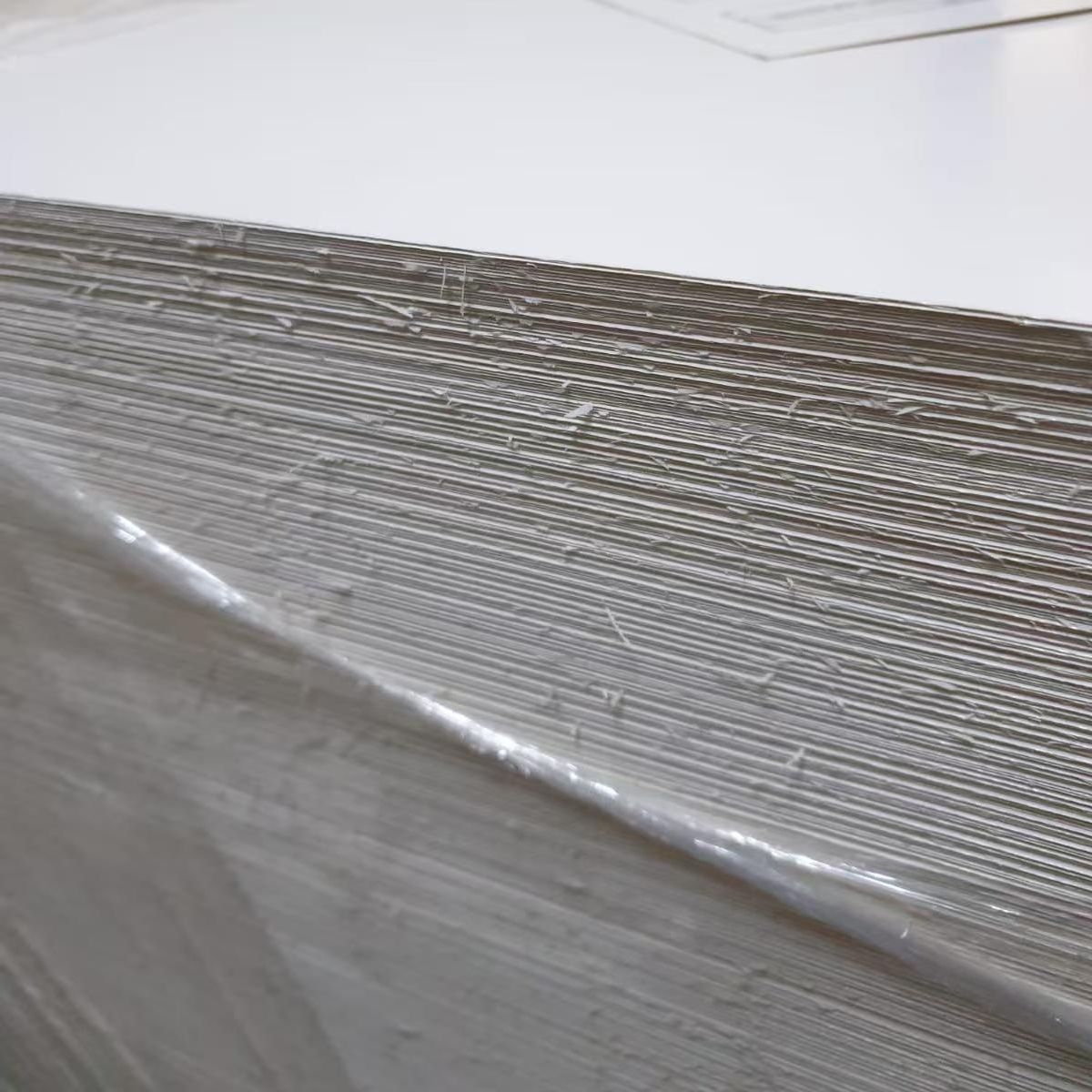
High GSM cardboard and premium packaging paper are widely used in luxury packaging, cigarette packaging, wine boxes, and high-end printing applications. Compared with standard paper grades, these materials require higher slitting precision and better edge quality.
If slitting quality is unstable, problems such as paper dust, rough edges, and coating damage can directly affect printing and packaging performance.
Why Heavy Paper Is More Difficult to Process
High-thickness paper materials place greater pressure on slitting systems during high-speed production. Traditional equipment may experience:
- Blade vibration
- Edge cracking
- Dust generation
- Uneven roll tension
These issues can reduce product quality and increase material waste.
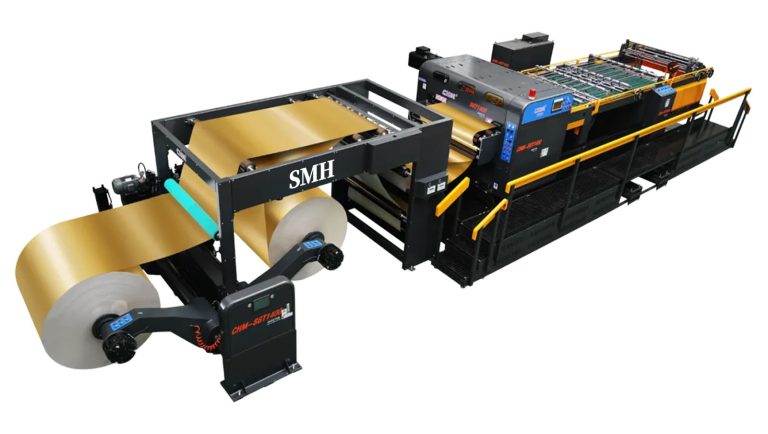
SMH Precision Slitting Solutions
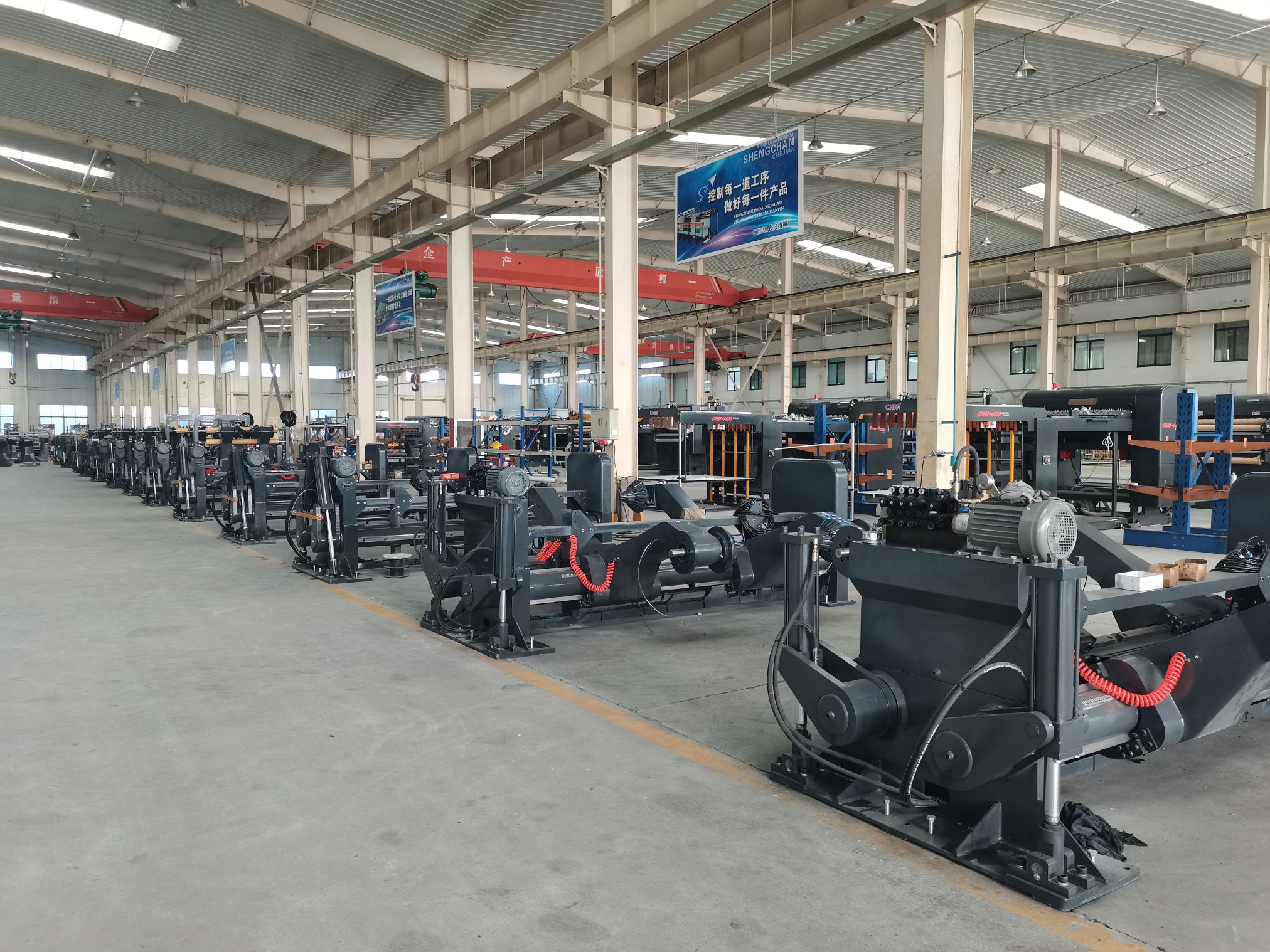
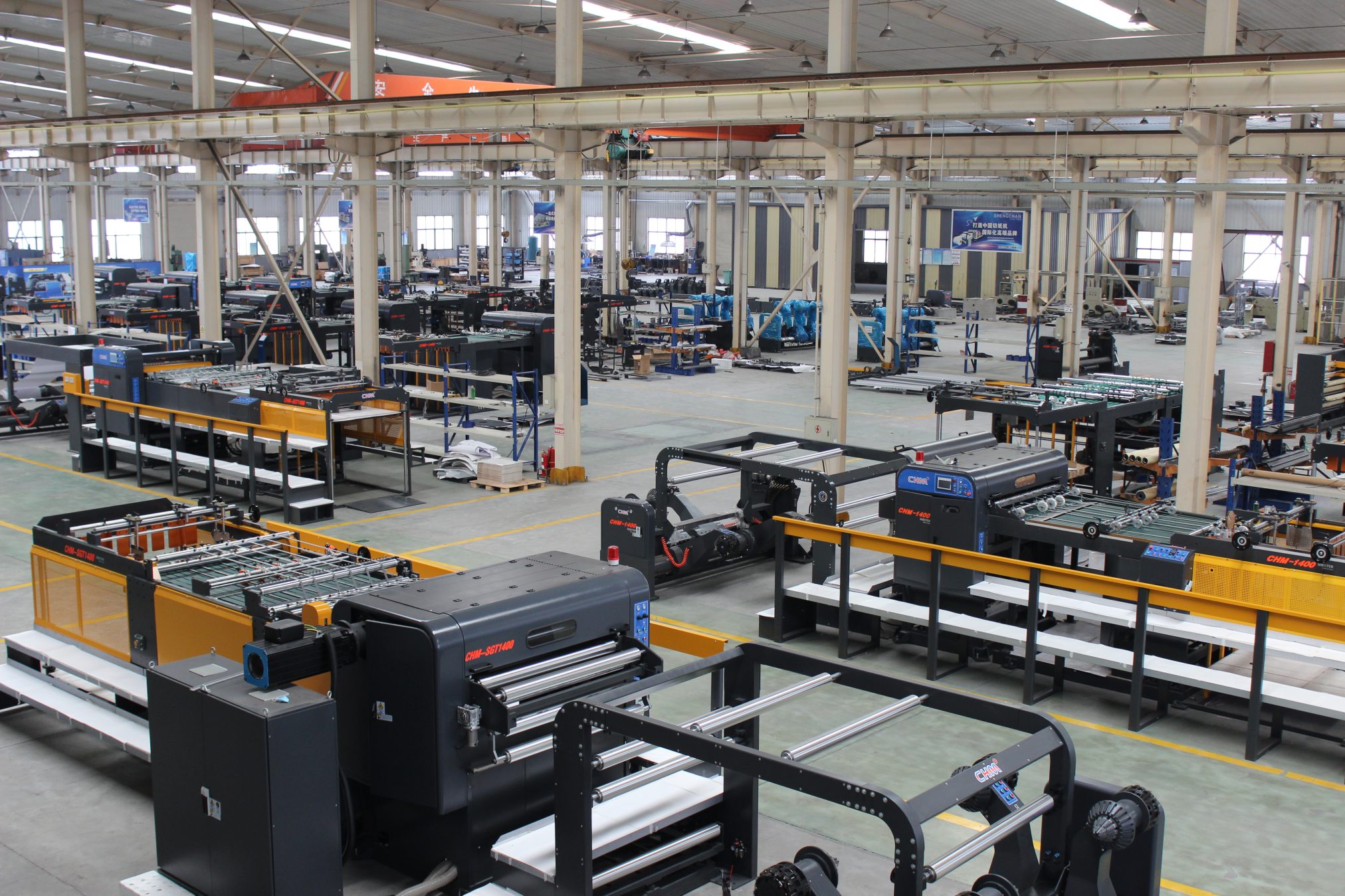
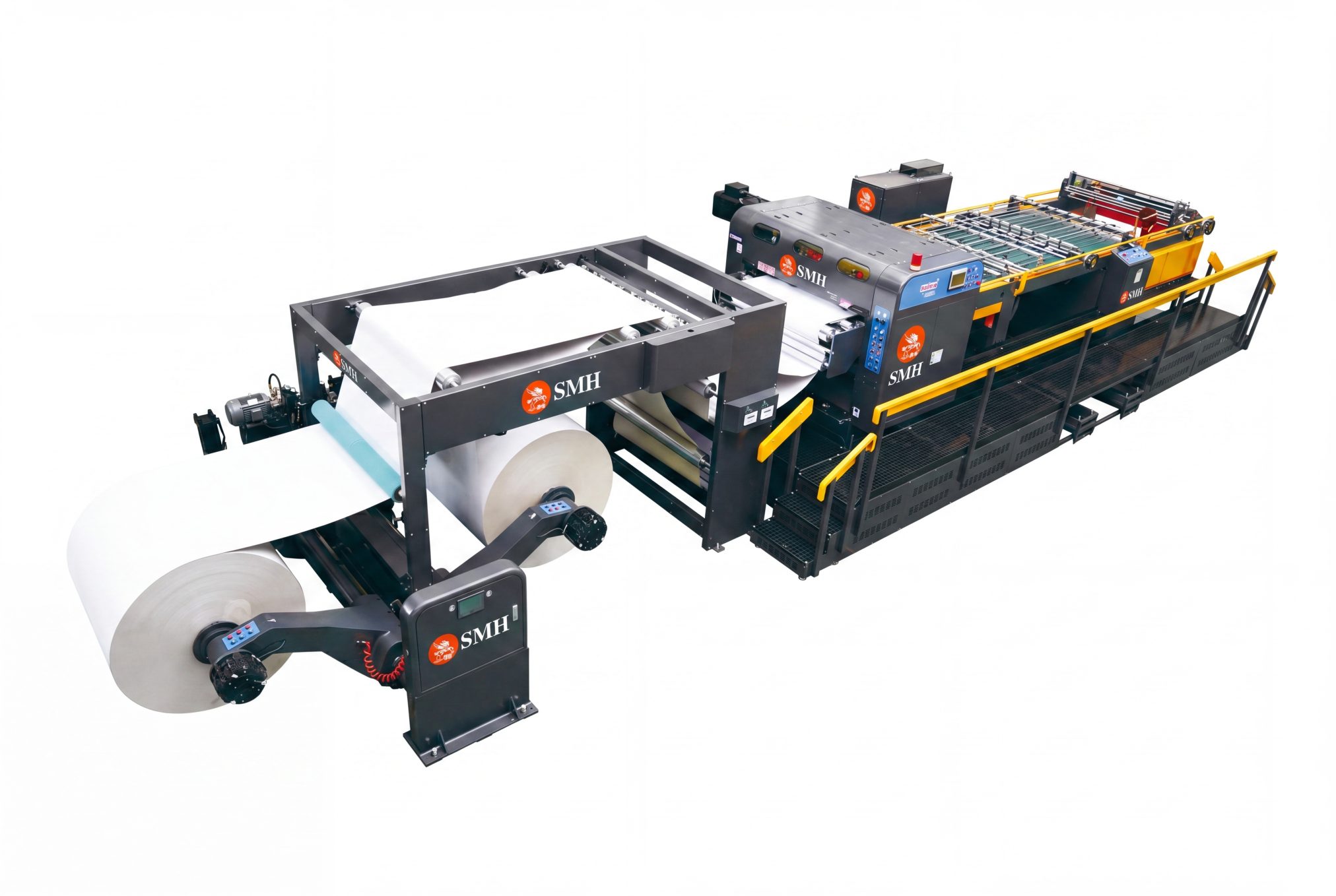
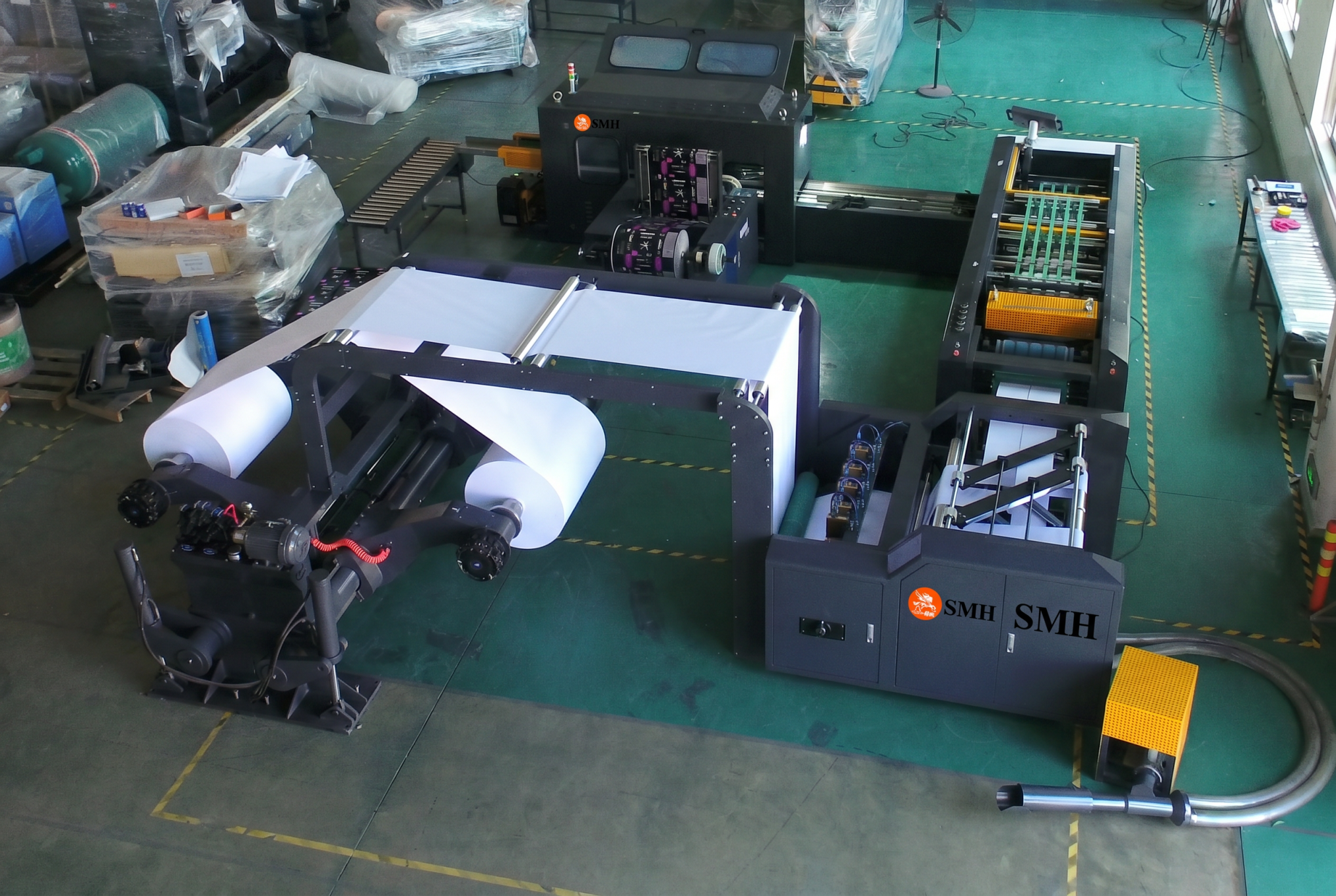
To improve cutting performance for heavy paper materials, SMH slitting machines integrate:
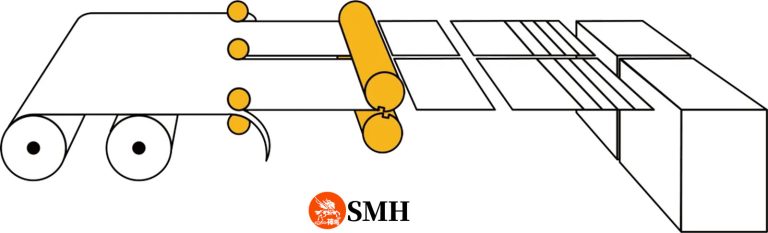
- High-rigidity machine structures
- Precision knife positioning systems
- Stable servo-driven tension control
- High-precision rewinding systems
The combination of stable tension and precise knife adjustment helps maintain clean cutting edges during continuous operation.
Reducing Paper Dust During Production
Paper dust is a major concern for premium packaging manufacturers. Excessive dust can affect printing quality, coating performance, and final product appearance.
SMH optimizes blade angle, slitting pressure, and web tension to reduce dust generation while improving edge smoothness.
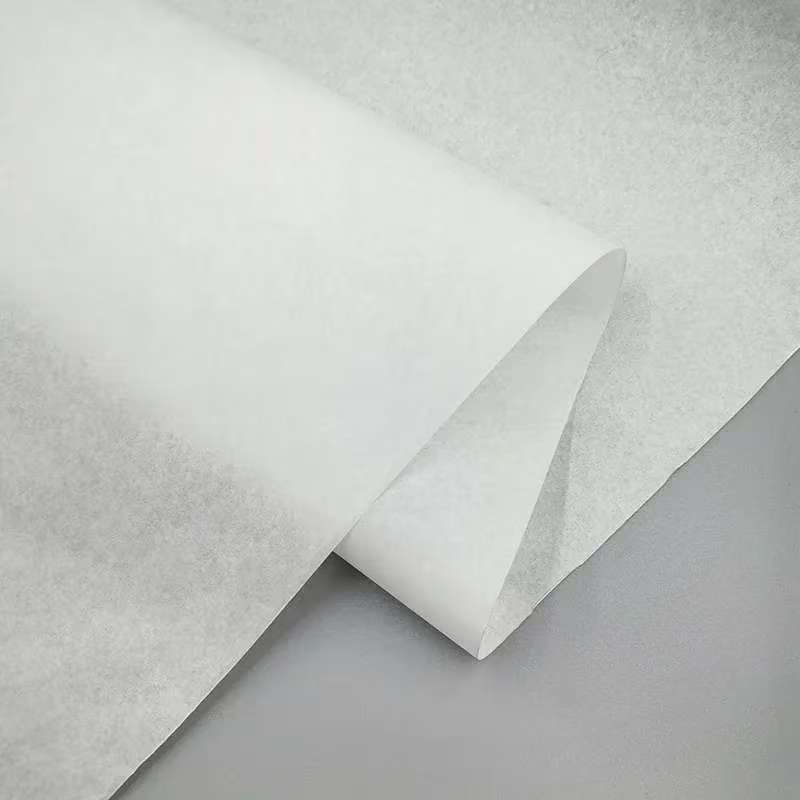
The system is suitable for processing:
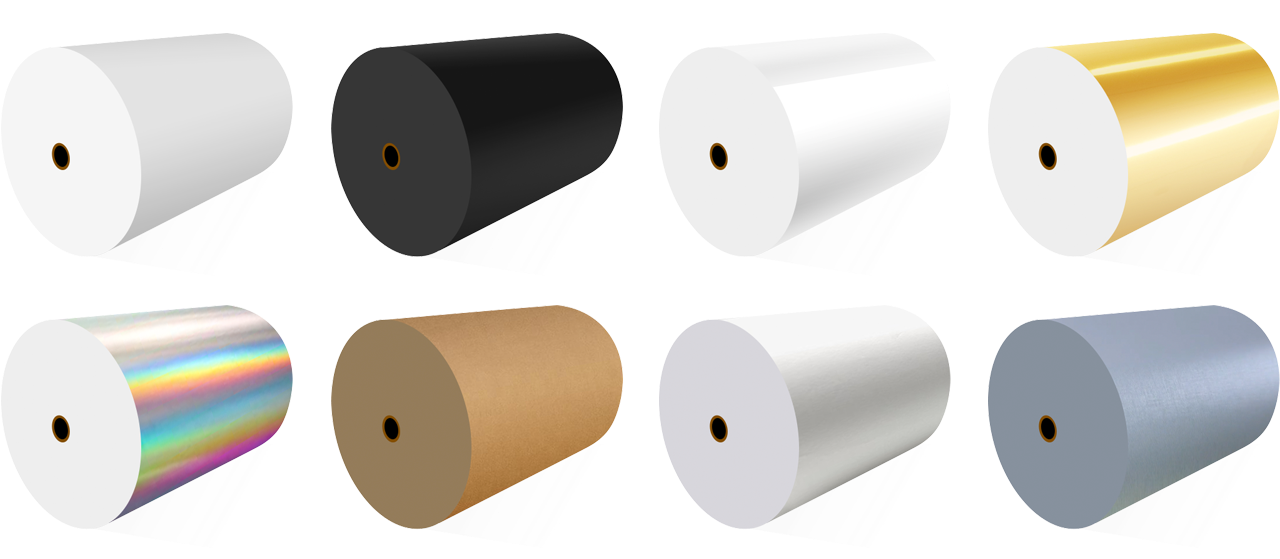
- White cardboard
- Duplex board
- Cigarette packaging paper
- Wine packaging paper
- High-end coated paper
Meeting the Requirements of Modern Packaging Production
As packaging manufacturers demand higher production quality and efficiency, precision slitting technology becomes increasingly important.
SMH continues improving slitting stability, automation performance, and machine durability to help customers achieve stable production quality for premium packaging materials.