Why High-Speed Slitting Machines Need Better Stability

High Speed Alone Does Not Guarantee Higher Output

warehouse
warehouse

Many factories want faster production. That is normal.

But after increasing machine speed, some lines actually produce more waste instead of more good products.

The paper starts drifting. Stacking becomes messy. Edge quality changes. Operators begin slowing the line down again.

This happens because high-speed production magnifies small mechanical problems.

Small Errors Become Bigger at High Speed

At low speed, slight tension changes may not be obvious. Minor vibration may also go unnoticed.

At high speed, those same problems become much more serious.

A tiny knife vibration can affect cutting accuracy. Small tension fluctuations can change sheet length. Slight roller slipping can cause feeding instability.

The faster the line runs, the less room there is for error.

That is why stable high-speed production depends heavily on machine rigidity and synchronized control.

The Machine Structure Matters More Than Operators Think

In many factories, operators try solving instability by adjusting parameters repeatedly. Sometimes they change tension. Sometimes they reduce speed. Sometimes they increase knife pressure.

But if the machine structure itself is unstable, adjustments only provide temporary improvement.

A stable high-speed slitting machine usually includes:

  • rigid machine frame
  • stable roller system
  • synchronized servo control
  • accurate guiding system
  • consistent tension control

Without these conditions, running faster only increases instability.

Why Double Knife Systems Run More Smoothly

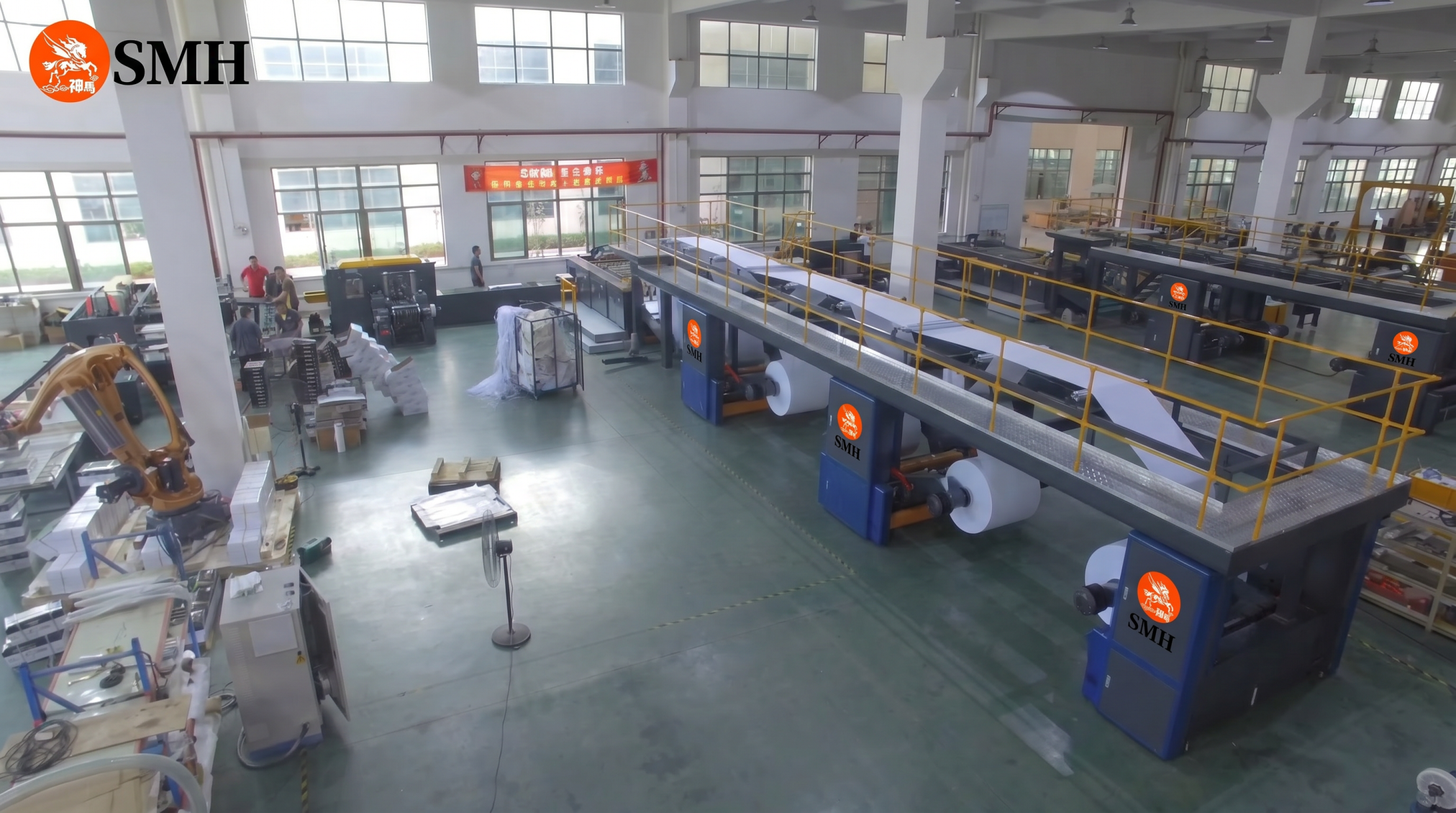
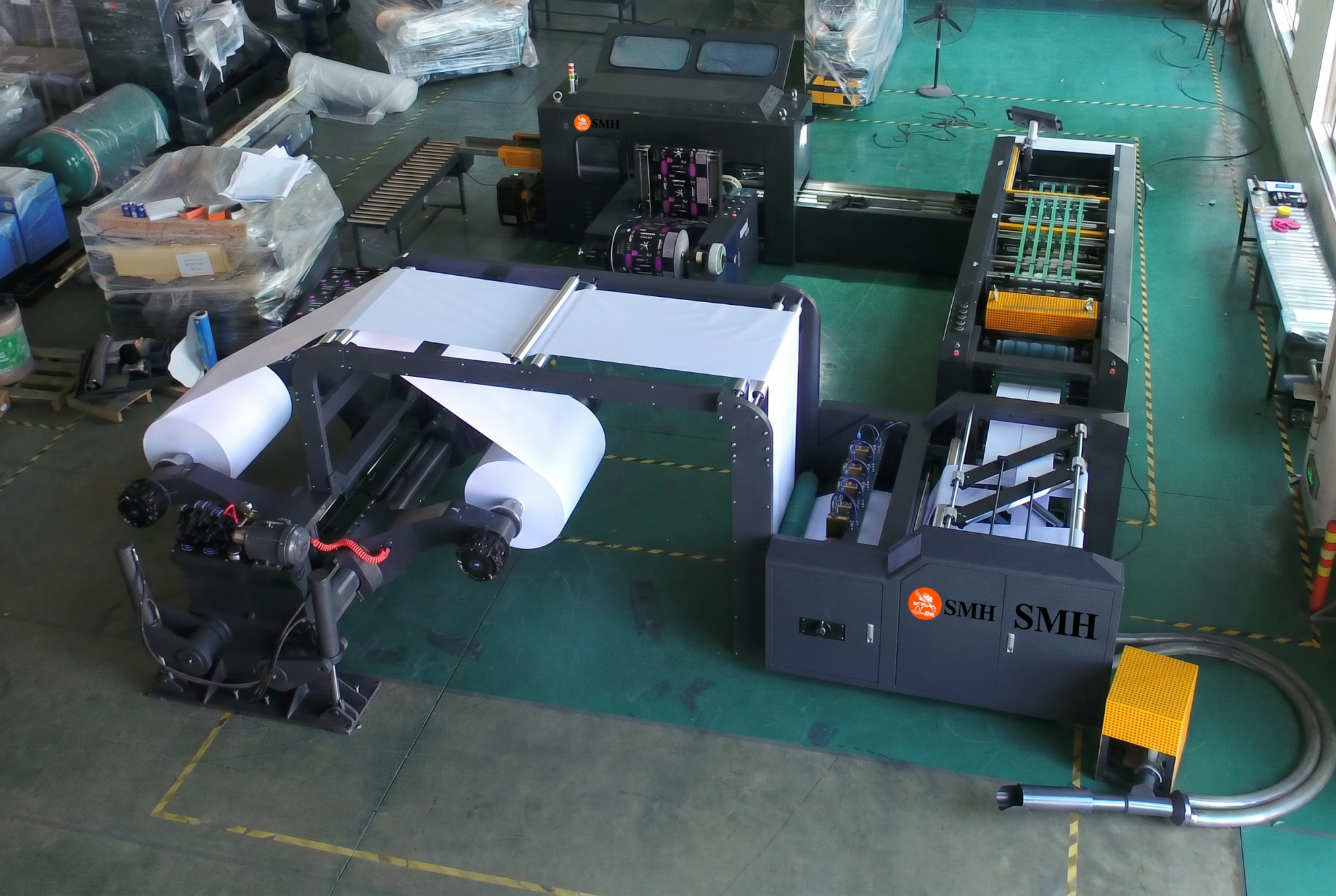
double rotary sheeter

Double knife systems are widely used in high-speed applications because the cutting process stays more balanced.

Both knife rollers rotate synchronously. The material receives cutting force from both sides. The paper movement becomes smoother.

Compared with impact-style cutting, vibration is lower. That helps maintain edge quality during long production runs.

This is especially important in:

  • coated paper production
  • packaging board converting
  • high GSM paper processing
  • large-volume paper mills

Stable Production Is More Valuable Than Peak Speed

In real factory operation, customers care more about consistent production than temporary peak speed.

A line that runs steadily for hours is usually more profitable than a line that reaches very high speed but stops constantly.

That is why experienced factories focus on:

  • stable output
  • lower waste
  • repeatable quality
  • reduced operator intervention

The real goal is not simply running fast. It is running fast without losing control.

Why Thick Paper Produces Burrs During Slitting

Burr Problems Usually Start When Material Changes

Edge of the paper
Edge of the paper

A production line may run perfectly with thin paper. Then one day the factory switches to heavier board. Suddenly the edge quality changes.

Paper dust increases. Small burrs appear. Sometimes the cut edge even feels rough by hand.

Many operators first suspect the knife. But in real production, the knife is often only part of the reason.

The bigger issue is that thick paper behaves completely differently during cutting.

Thick Paper Needs Different Cutting Force

thin paper
thin paper

Thin paper is flexible. It separates more easily during slitting.

Heavy board is different. The material is stiffer. The cutting resistance is much higher.

If the machine still uses impact-style cutting, the pressure concentrates on one side of the sheet. That creates stress around the cutting point.

At lower speed, the issue may not look serious. At higher speed, burrs become much more obvious.

This is why some factories notice edge problems only after increasing production speed.

Machine Structure Directly Affects Edge Quality

In single knife systems, the upper knife rotates while the lower knife stays fixed. The cutting process depends heavily on pressure and impact force.

For thin paper, this is usually acceptable. For thick board, the cutting process becomes less stable.

Double knife systems reduce this problem because both knife rollers rotate together. The material is cut from both sides simultaneously.

Double helical cross-cutting knife set

The cutting force stays more balanced. The paper deforms less. The edge quality becomes cleaner.

That is one reason why high-end packaging factories prefer double knife slitting machines for thick material production.

Burrs Are Not Caused by One Factor Alone

In actual factory production, burrs usually come from multiple small problems together.

Common causes include:

  • incorrect knife gap
  • worn knife edges
  • unstable tension
  • vibration at high speed
  • poor knife alignment
  • unsuitable machine structure

Operators sometimes keep adjusting knife pressure to solve the issue. But too much pressure can create more friction and shorten knife life.

The better solution is finding the real source of instability first.

Stable Production Depends on System Matching

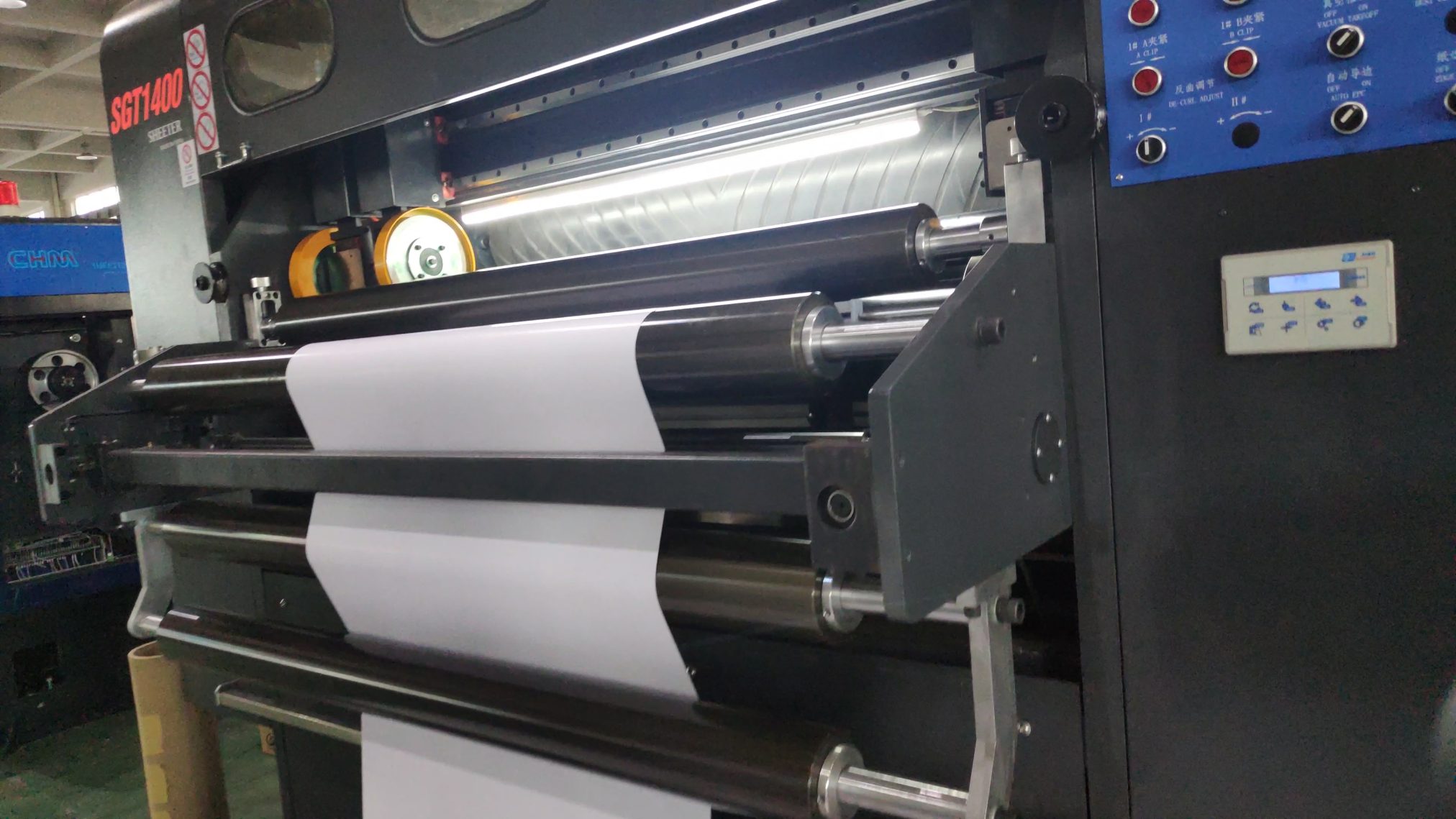
SMH-SGT1400double rotary sheeter

Factories with stable thick paper production usually control several things carefully:

  • proper knife structure
  • stable web tension
  • synchronized feeding speed
  • correct knife clearance
  • rigid machine frame

When these conditions stay stable, burr problems reduce significantly.

The goal is not simply increasing pressure. The goal is maintaining stable cutting conditions throughout the entire run.

Why PLC Closed-Loop Control Is Important in A4 Paper Production Lines

Automation has become a major driving force in the paper converting industry. High-speed A4 paper production requires accurate synchronization between multiple machine sections.

PLC closed-loop control systems help modern production lines achieve stable performance, consistent quality, and reduced downtime.

What Is PLC Closed-Loop Control?

PLC

A PLC closed-loop system continuously monitors machine operation through sensors and feedback devices.

The system automatically adjusts:

  • Motor speed
  • Web tension
  • Knife synchronization
  • Feeding accuracy
  • Conveyor timing

This ensures that all machine sections remain synchronized during operation.

Why Closed-Loop Control Matters

Without accurate synchronization, production lines may experience:

  • Length instability
  • Misaligned stacking
  • Cutting errors
  • Paper wrinkles
  • Production stoppages

Closed-loop control minimizes these problems.

Key Areas Controlled by PLC Systems

1. Paper Tension

Stable tension prevents web drifting and uneven cutting.

2. Knife Shaft Synchronization

The PLC maintains synchronization between upper and lower rotary knife shafts.

3. Feeding Speed

The system adjusts feeding speed according to cutting and packaging requirements.

4. Packaging Coordination

The packaging machine and carton packing machine remain synchronized with the sheeter.

Benefits for Manufacturers

Advanced PLC control systems provide:

  • Better cutting precision
  • Higher machine stability
  • Faster production speed
  • Lower waste rates
  • Reduced operator dependency

For large-scale copy paper factories, these benefits improve overall production efficiency.

Conclusion

PLC closed-loop control technology has become essential for modern A4 paper production lines. By maintaining synchronization across the entire production process, manufacturers can achieve higher productivity, better quality, and more reliable operation.

SMH-1400 High Precision Synchronize-fly Sheeter Shipped to Asian Customer

SMH shipped one SMH-1400 High Precision Synchronize-fly Sheeter to an Asian customer on May 7, 2026, highlighting its growing global paper converting equipment exports.

On May 7, 2026, SMH completed the loading and shipment of one SMH-1400 High Precision Synchronize-fly Sheeter for an important customer in Asia. After final inspection and running tests, the machine was officially prepared for overseas delivery.

The SMH-1400 is designed for high-speed and high-precision paper sheeting applications. Equipped with synchronize-fly cutting technology, the machine delivers stable operation, accurate cutting length, and smooth paper edges during continuous production. It is widely used for coated paper, kraft paper, duplex board, and other paper converting applications.

Before shipment, SMH engineers carried out detailed testing on the transmission system, cutting section, electrical components, and running stability to ensure reliable performance after installation.

In recent years, SMH machines have been exported not only to Asia, but also to customers in the Middle East, Africa, South America, and other international markets. More paper mills and packaging factories are choosing SMH.