

Over the past few years, many paper traders have noticed the same pattern: sales volume may be stable or even growing, but margins are getting thinner. In some cases, despite higher turnover, actual profit is lower than before. This isn’t an isolated issue—it reflects structural changes across the paper supply chain.
1. Price Transparency Is Eliminating Traditional Margins
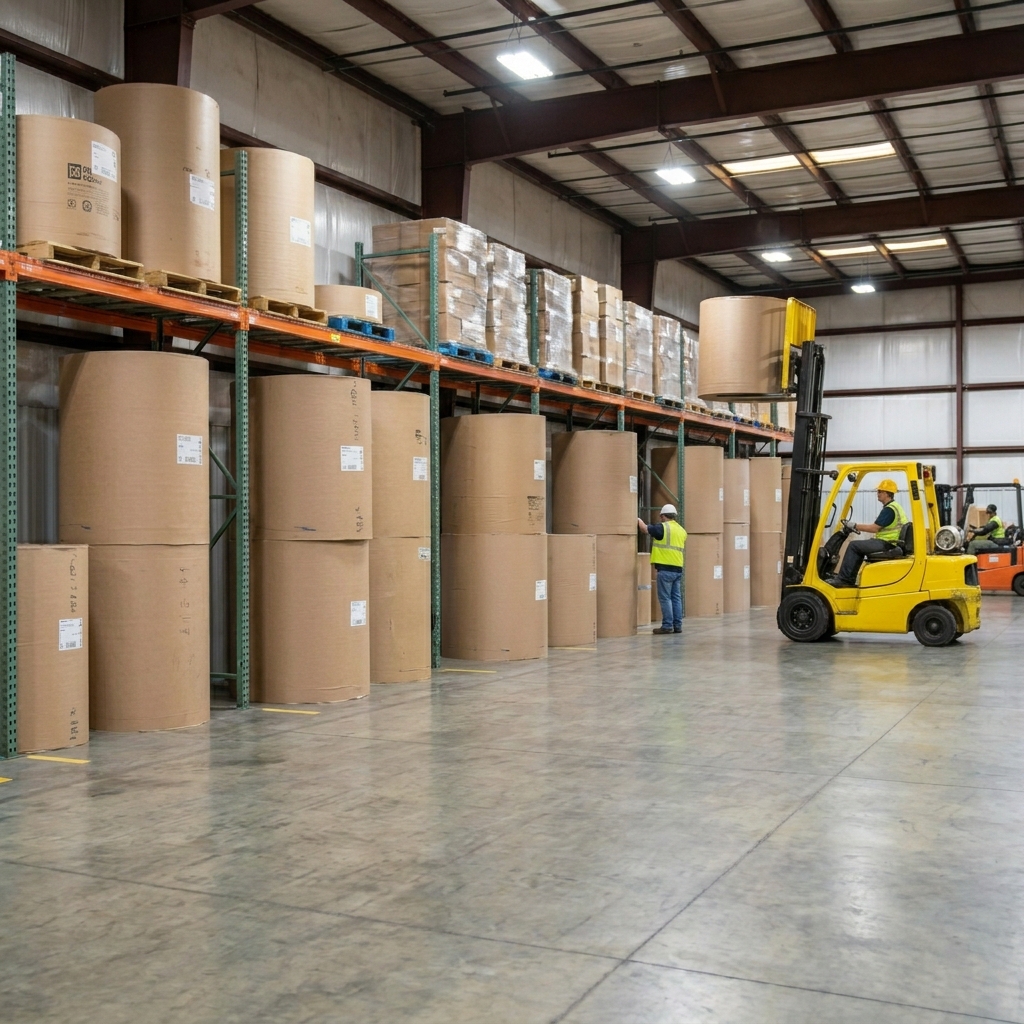
In the past, traders could rely on information gaps between mills and end users. Today, pricing is far more transparent. Buyers can compare offers from multiple suppliers within minutes. As a result, price competition has intensified, and the room for markup has narrowed significantly. For many traders, business has shifted from margin-driven to volume-driven—often without the operational scale to support it.
2. Rising Cost Pressure Across the Supply Chain
Freight, storage, and financing costs have all increased. At the same time, mills are adjusting pricing more frequently due to raw material fluctuations. This creates a situation where traders carry higher risk: inventory purchased at one price may need to be sold at a lower market rate. The traditional buffer between purchase and resale is no longer reliable.
3. Inventory Is Turning Into a Financial Burden
Holding stock used to be a competitive advantage. Now it often creates pressure on cash flow. Slow-moving grades, mismatched specifications, or sudden shifts in demand can lock up capital for months. In a low-margin environment, even small inefficiencies in inventory turnover can erase profit.
4. Customer Expectations Are Increasing
End users are no longer satisfied with just “paper supply.” They expect:
consistent quality
precise sizes
fast delivery
flexible order quantities
Traders who only supply jumbo rolls or standard sheets are finding it harder to meet these expectations. When customers demand customization, those without processing capability lose competitiveness.
5. Outsourcing Processing Is Eroding Profit
Many traders rely on third parties for cutting or converting. While this reduces upfront investment, it introduces new problems:
unstable quality
longer lead times
additional cost layers
In many cases, the profit margin is effectively shared—or lost—through outsourcing.
6. Competition Is Increasing, but Differentiation Is Weak
More players are entering the market, including traders, converters, and even mills selling directly. Without a clear differentiator, most traders compete on price alone. This is the fastest way to lose margin.
Where Is the Way Forward?
The shift we’re seeing is clear:
the industry is moving from pure trading → value-added processing.
Instead of only reselling paper, more companies are:
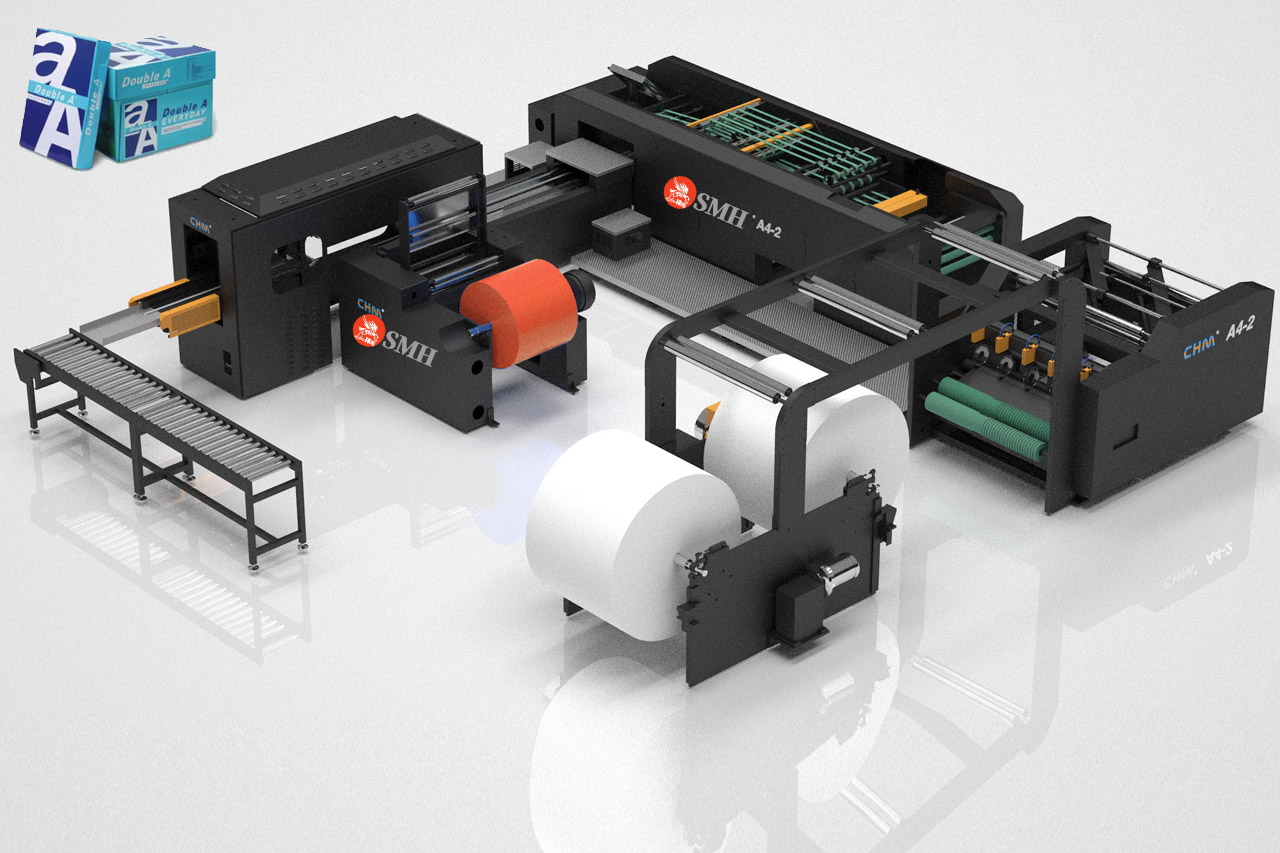
converting jumbo rolls into finished sizes
producing A4 copy paper
offering customized cutting services
integrating automated packaging
This doesn’t just improve margins—it also:
reduces inventory ris
shortens delivery time
strengthens customer relationships
In practical terms, it means moving closer to the end product, where value—and profit—are higher.
Conclusion
Declining profitability in paper trading is not a temporary fluctuation. It is the result of structural changes in pricing, competition, and customer demand. Companies that continue to operate purely as intermediaries will face increasing pressure.
Those that adapt—by adding processing capability and improving operational efficiency—are in a much stronger position to protect margins and grow sustainably.
CTA
If you are evaluating how to upgrade your paper business from trading to processing, SMH can support you with practical solutions based on real production scenarios.
Download a complete solution for paper converting and A4 production
Contact SMH to discuss a tailored equipment configuration for your operation