Modern Manufacturing Behind Precision Paper Converting Equipment
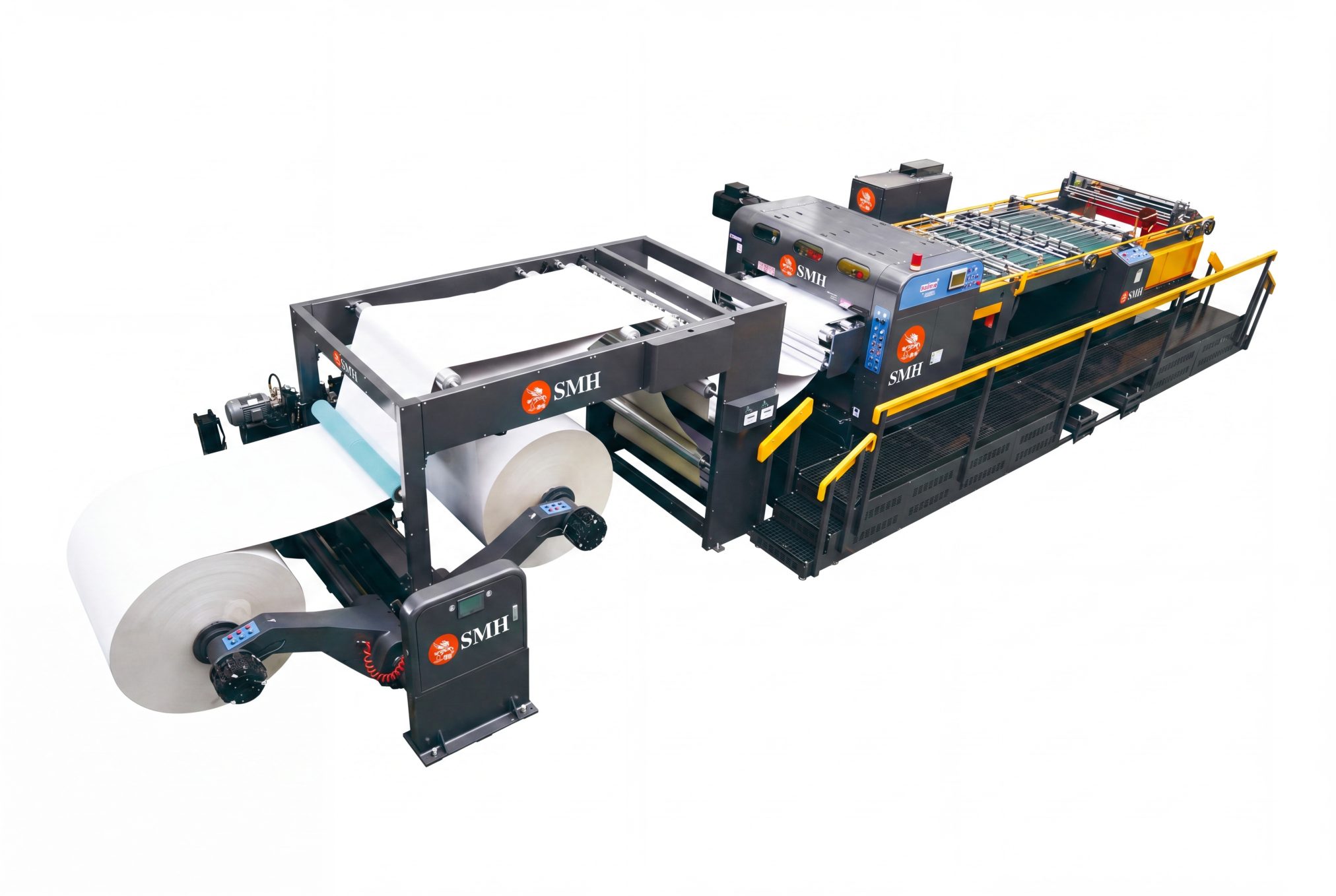
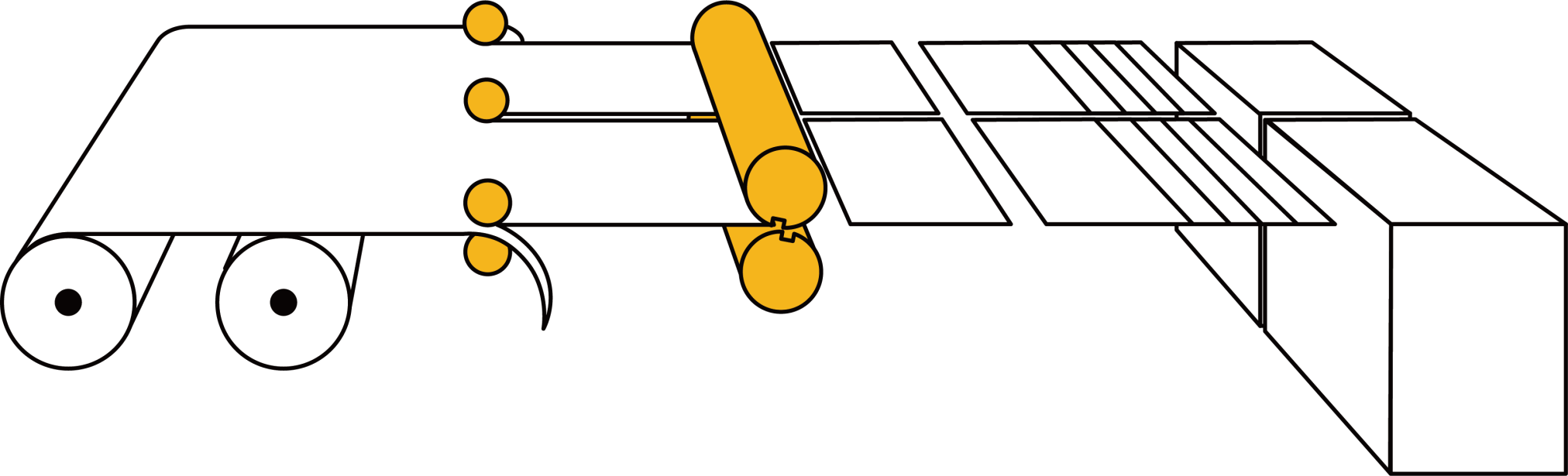
As the global paper converting industry continues moving toward automation and intelligent manufacturing, equipment precision and production stability have become key factors for paper mills and packaging factories. Behind every stable paper sheeter and slitting machine is a complete manufacturing system designed for accuracy, efficiency, and long-term operation.
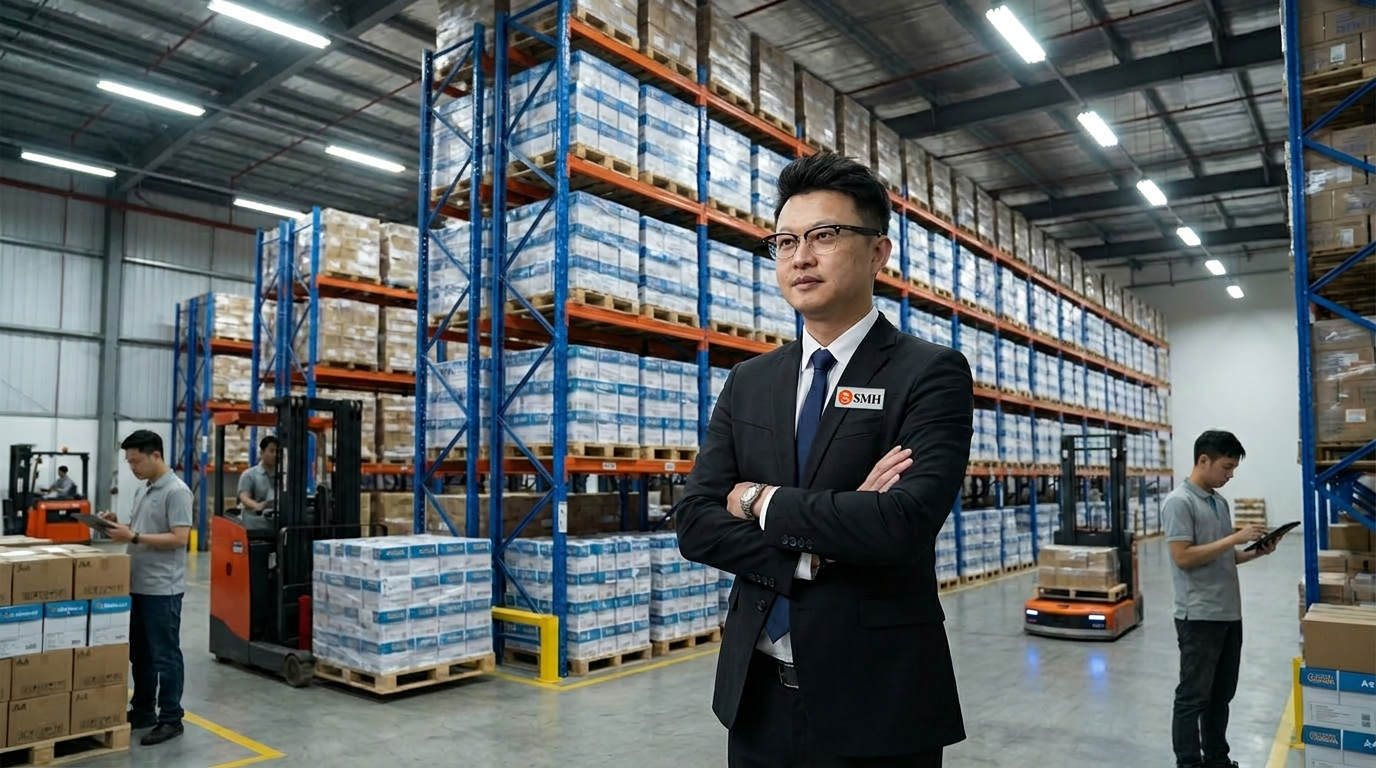
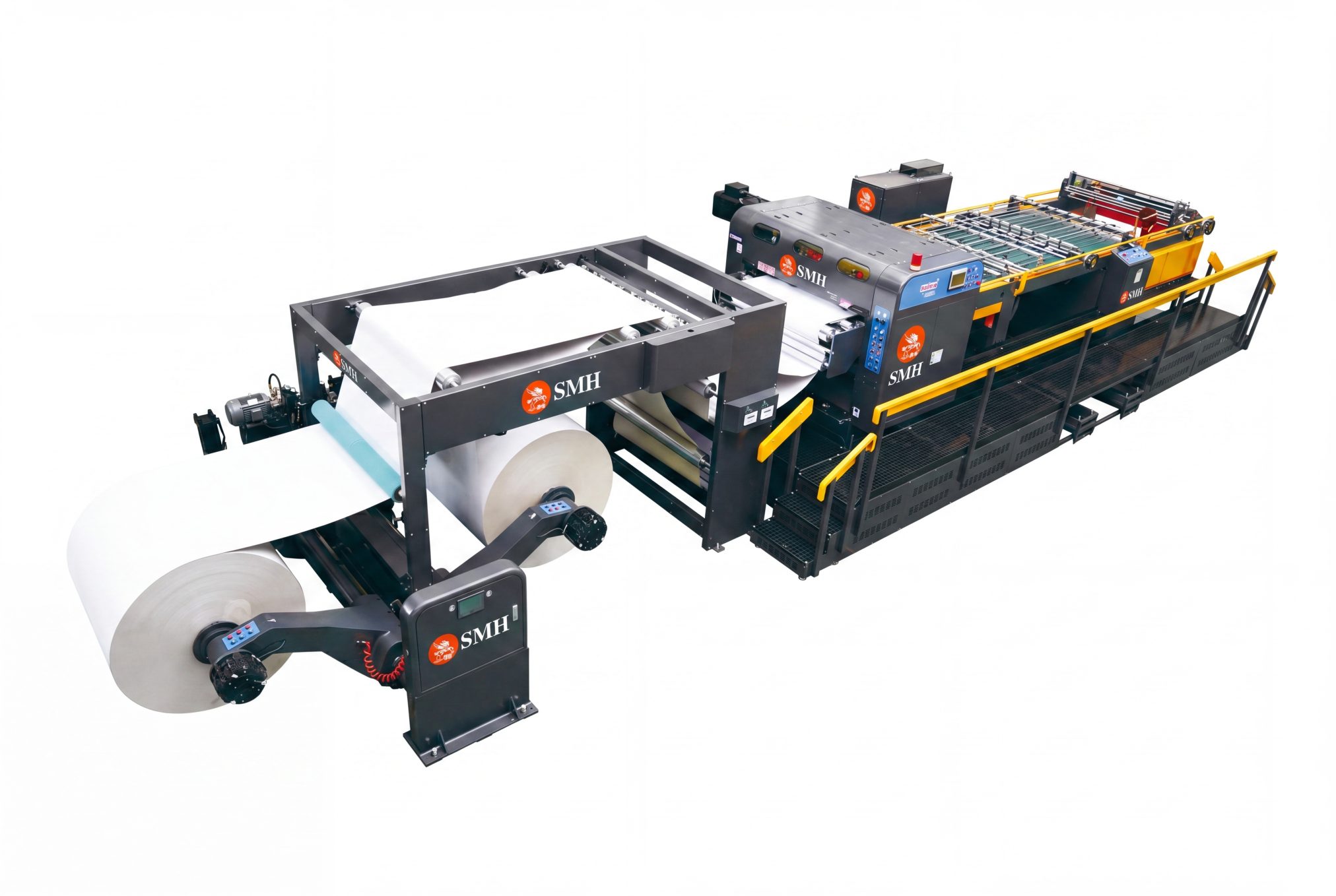
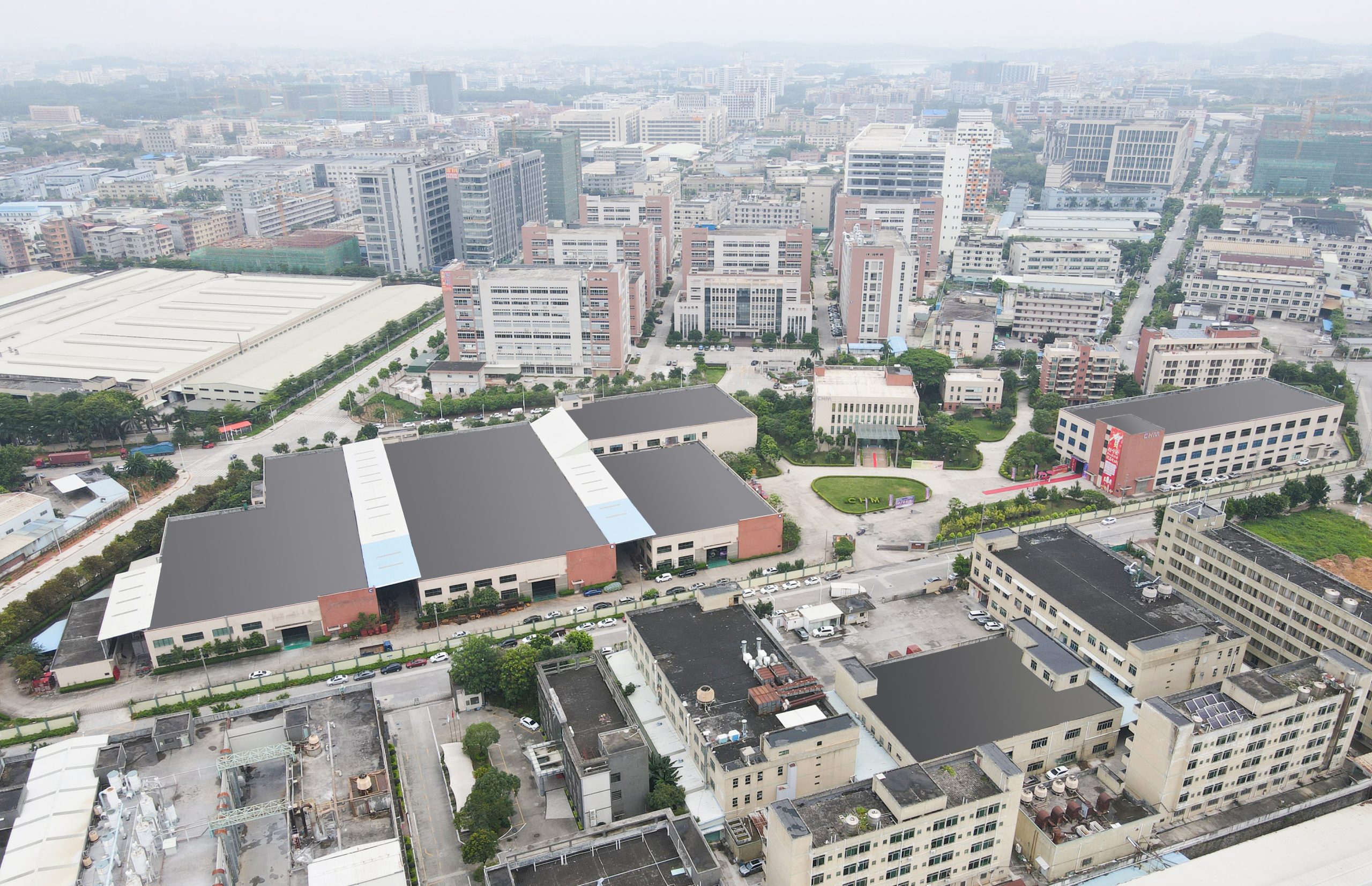
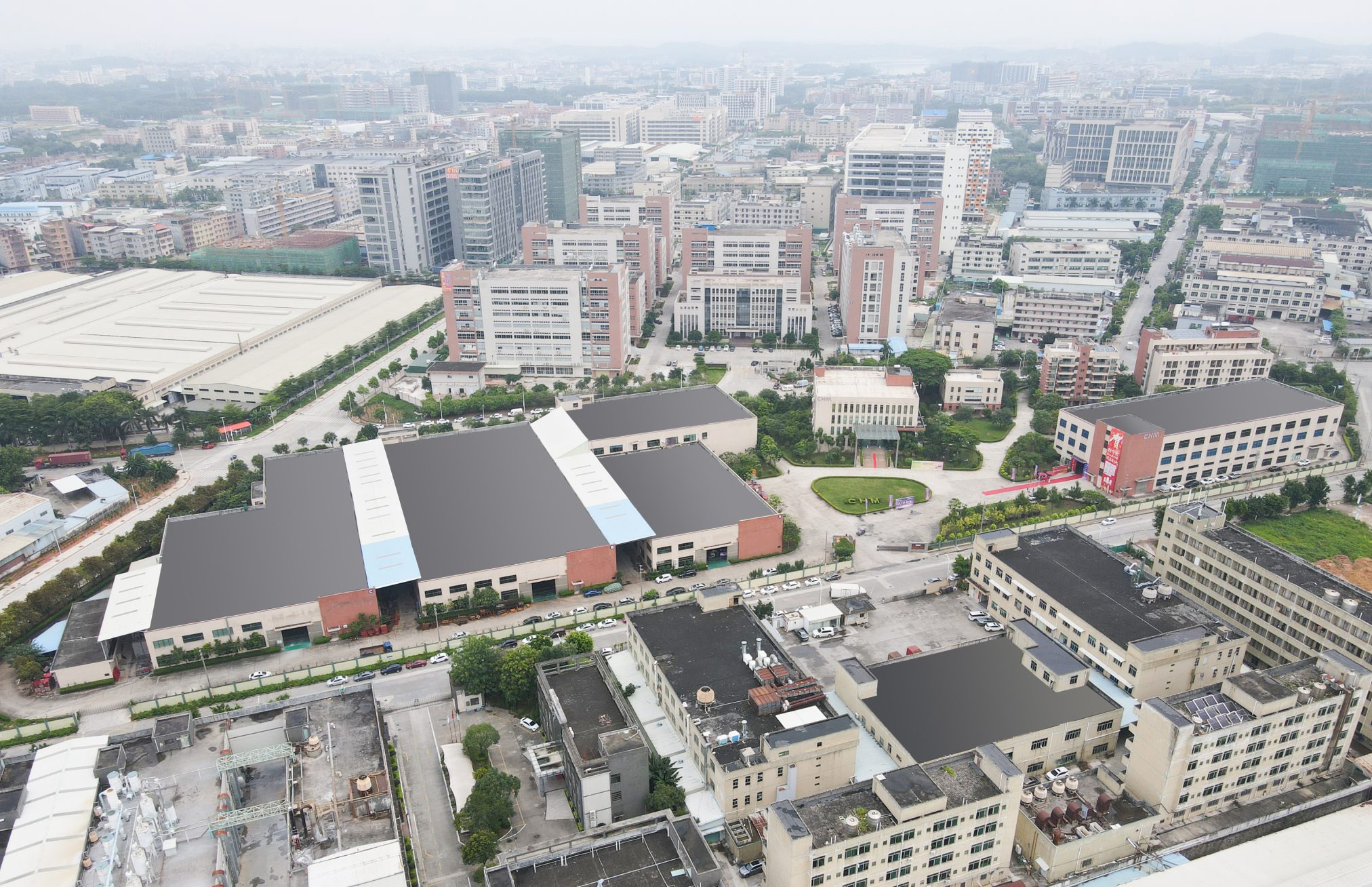
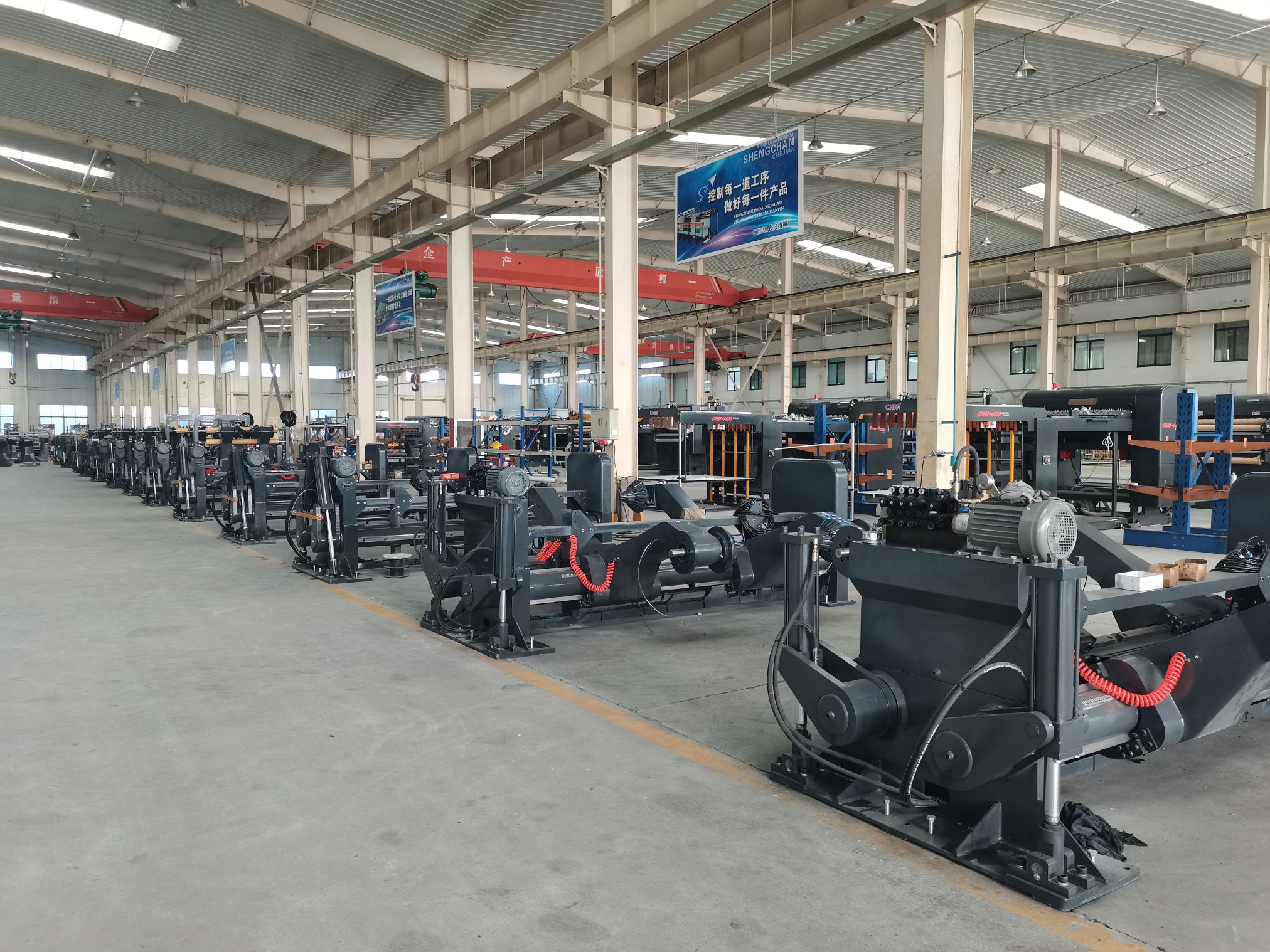
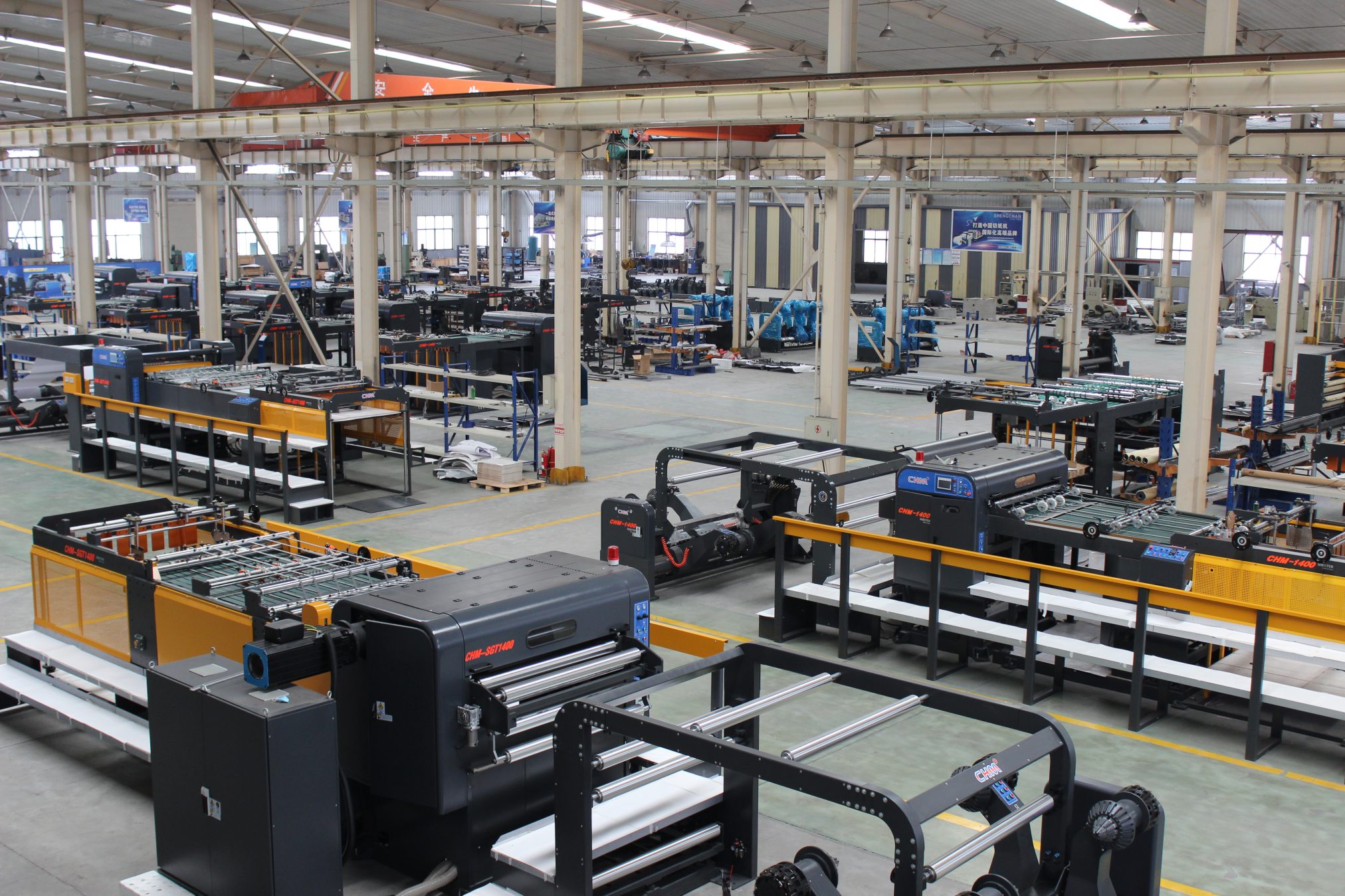
SMH operates a 140,000-square-meter manufacturing base dedicated to the production of paper sheeters, slitting machines, copy paper production lines, and automatic packaging systems. The facility integrates machining, welding, assembly, electrical integration, and machine testing into one complete manufacturing workflow.
From Raw Materials to Complete Machine Assembly
Inside the SMH factory, large CNC machining centers process key machine components with strict dimensional control. Machine frames, rollers, knife holders, and transmission systems are manufactured according to high-precision standards to ensure stable operation during high-speed production.
After machining, components enter the assembly workshop where engineers install PLC control systems, servo motors, automatic tension control systems, and synchronization modules. Every machine is assembled according to standardized production procedures to maintain consistent quality.
Strict Testing Before Delivery
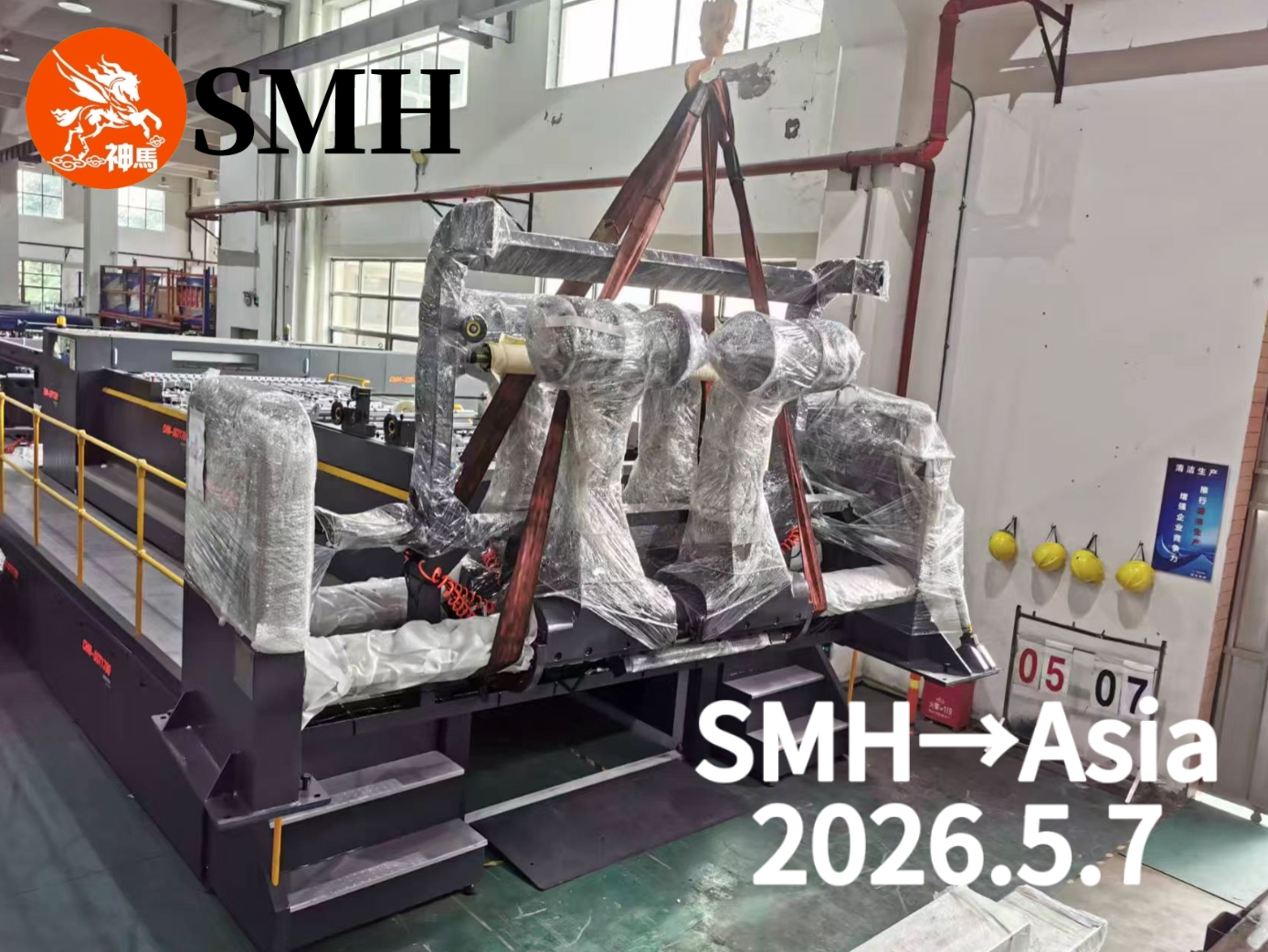
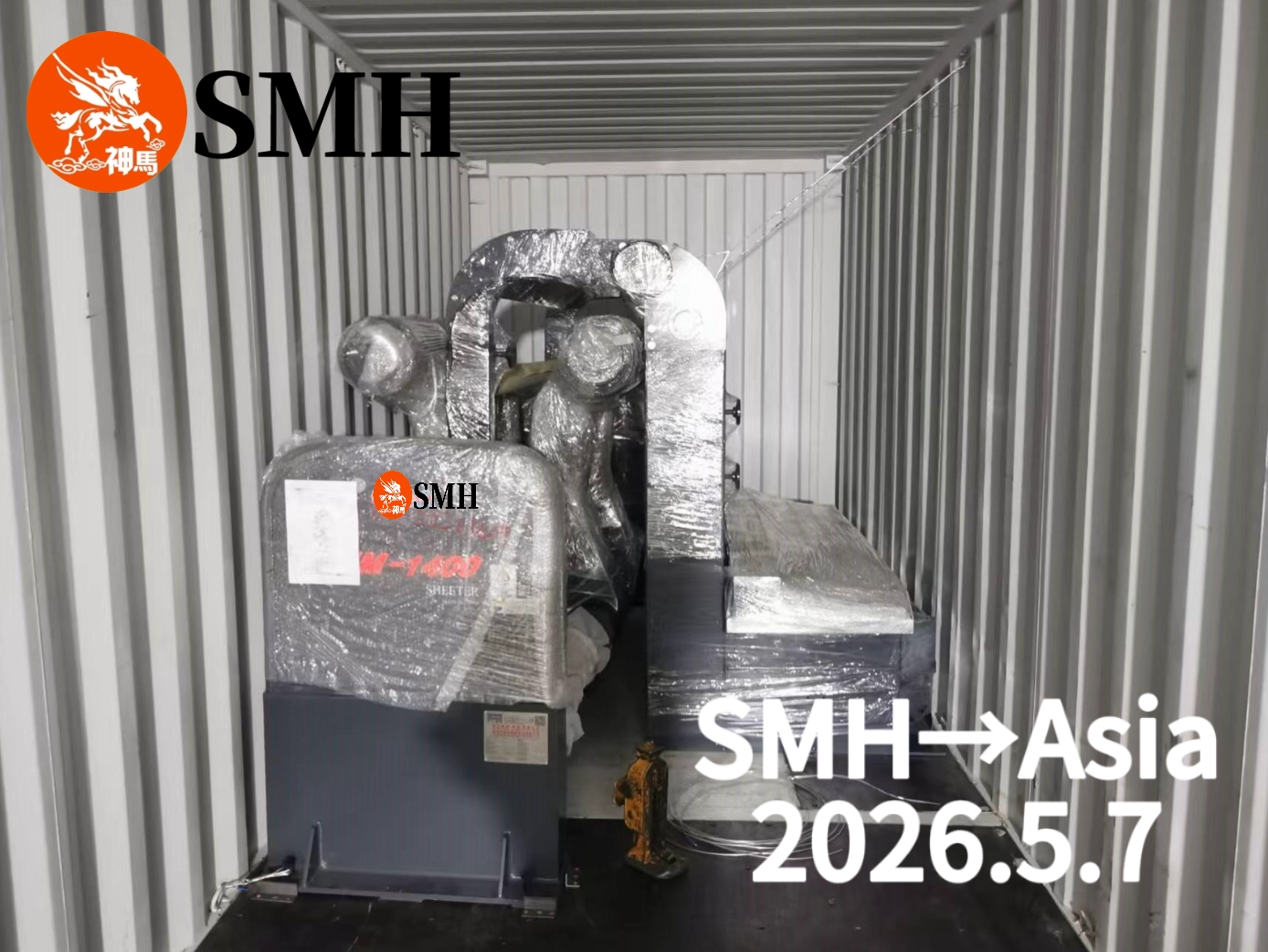
Before shipment, each SMH machine undergoes complete testing under simulated production conditions. Engineers test cutting accuracy, tension stability, running speed, and automatic control performance.
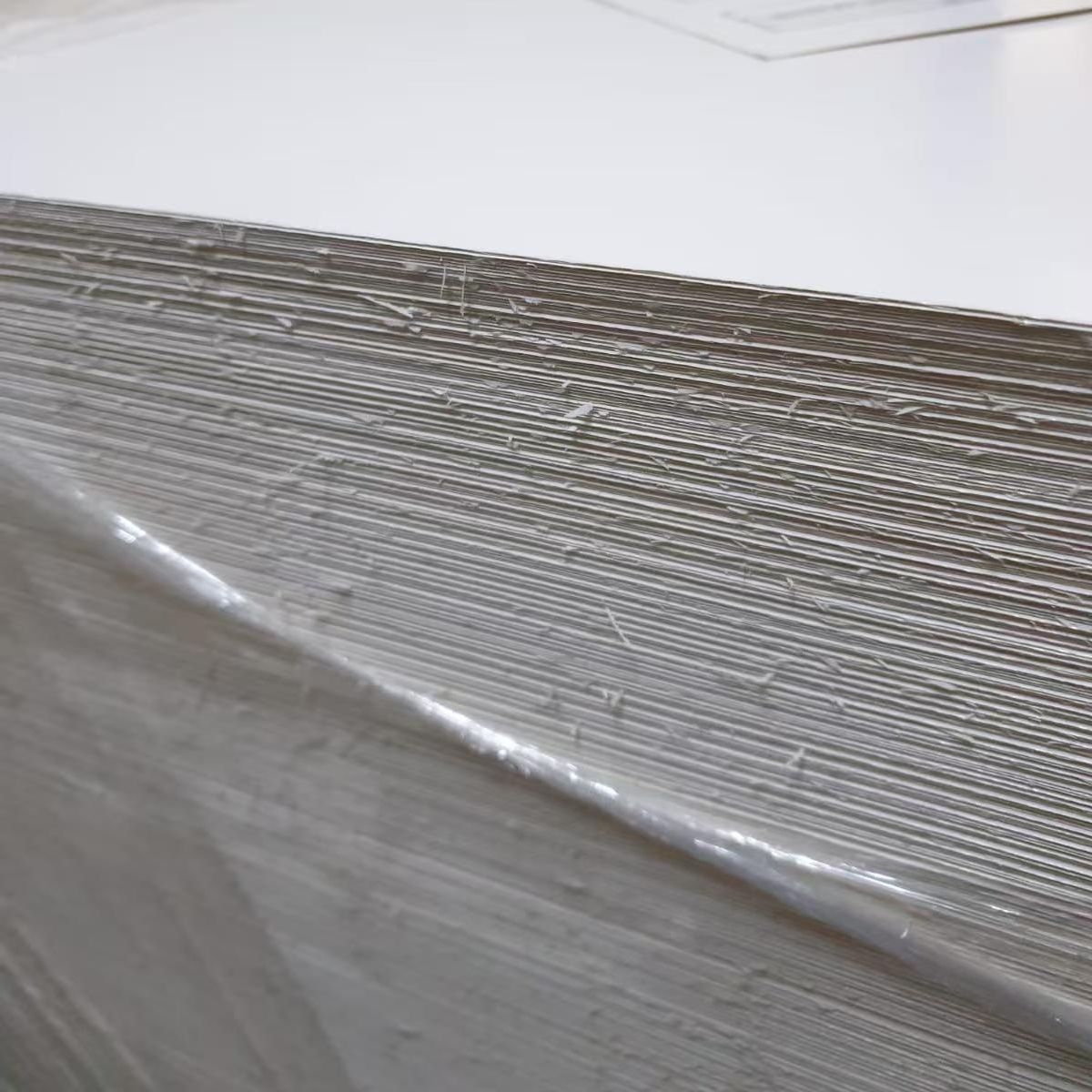
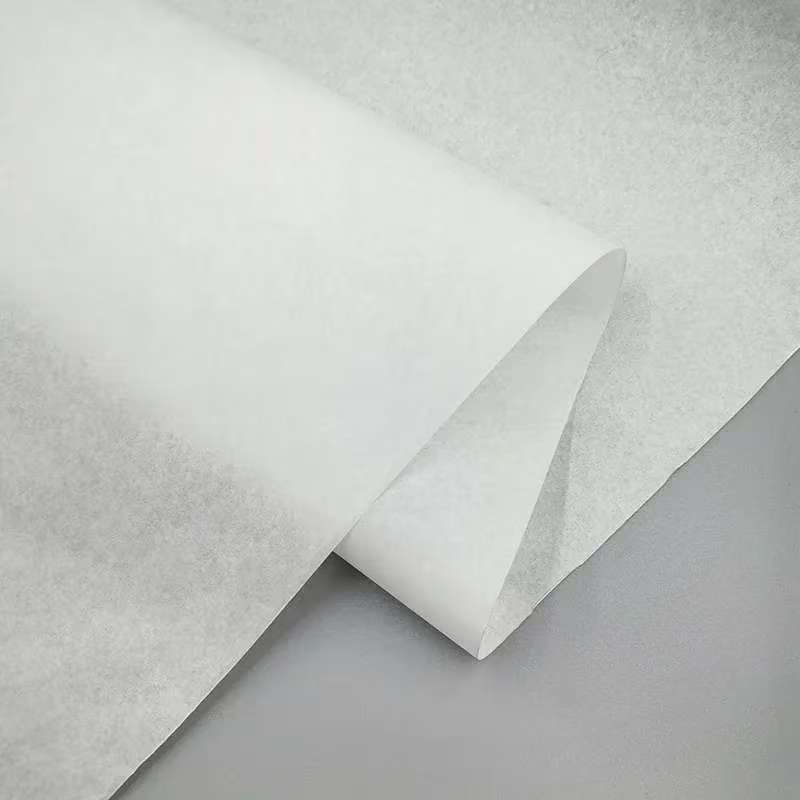
Machines are adjusted according to different paper grades including copy paper, kraft paper, coated paper, cardboard, and thin paper materials. This helps customers reduce installation time and improve production efficiency after delivery.
Supporting Global Paper Manufacturers
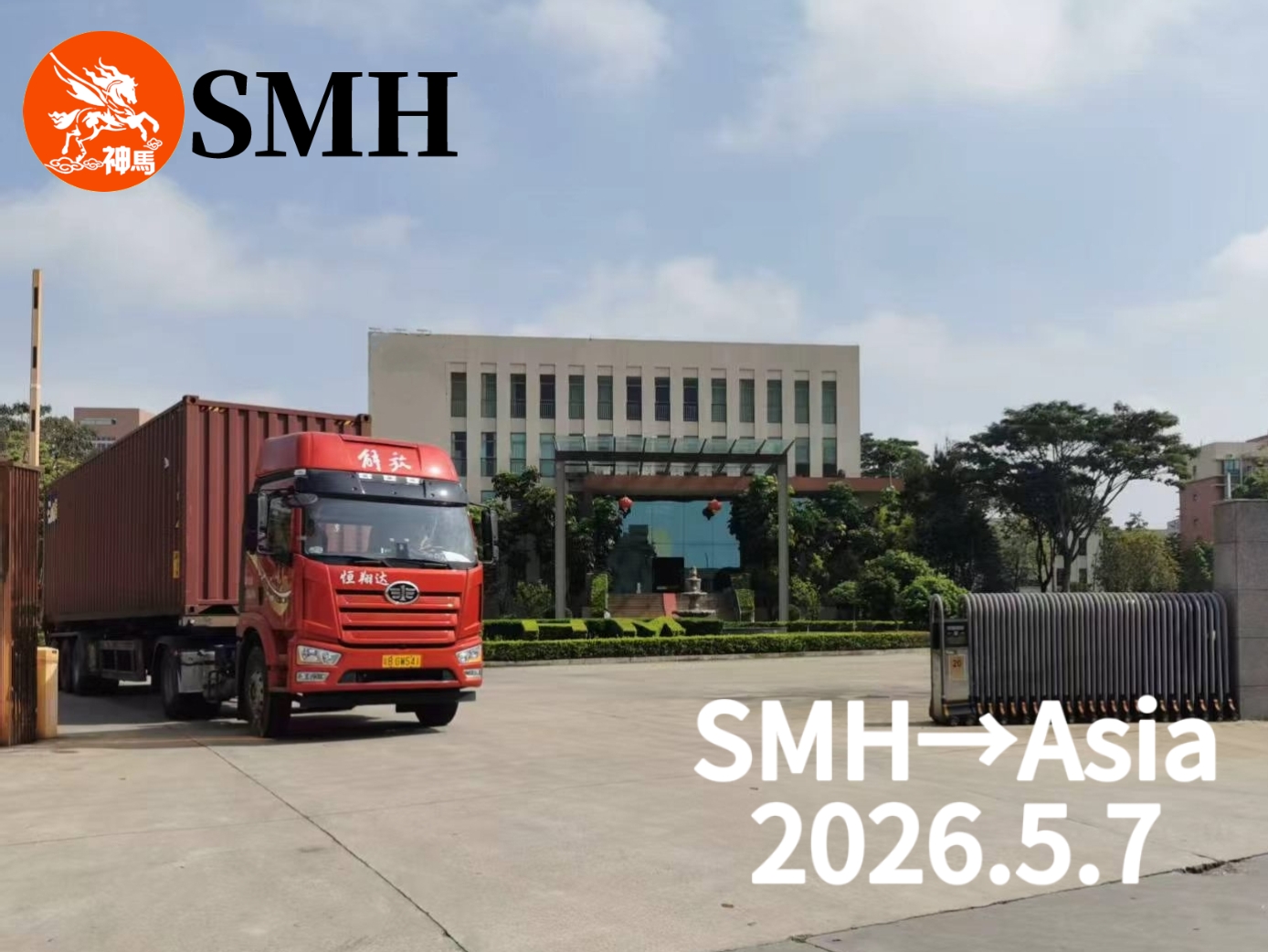
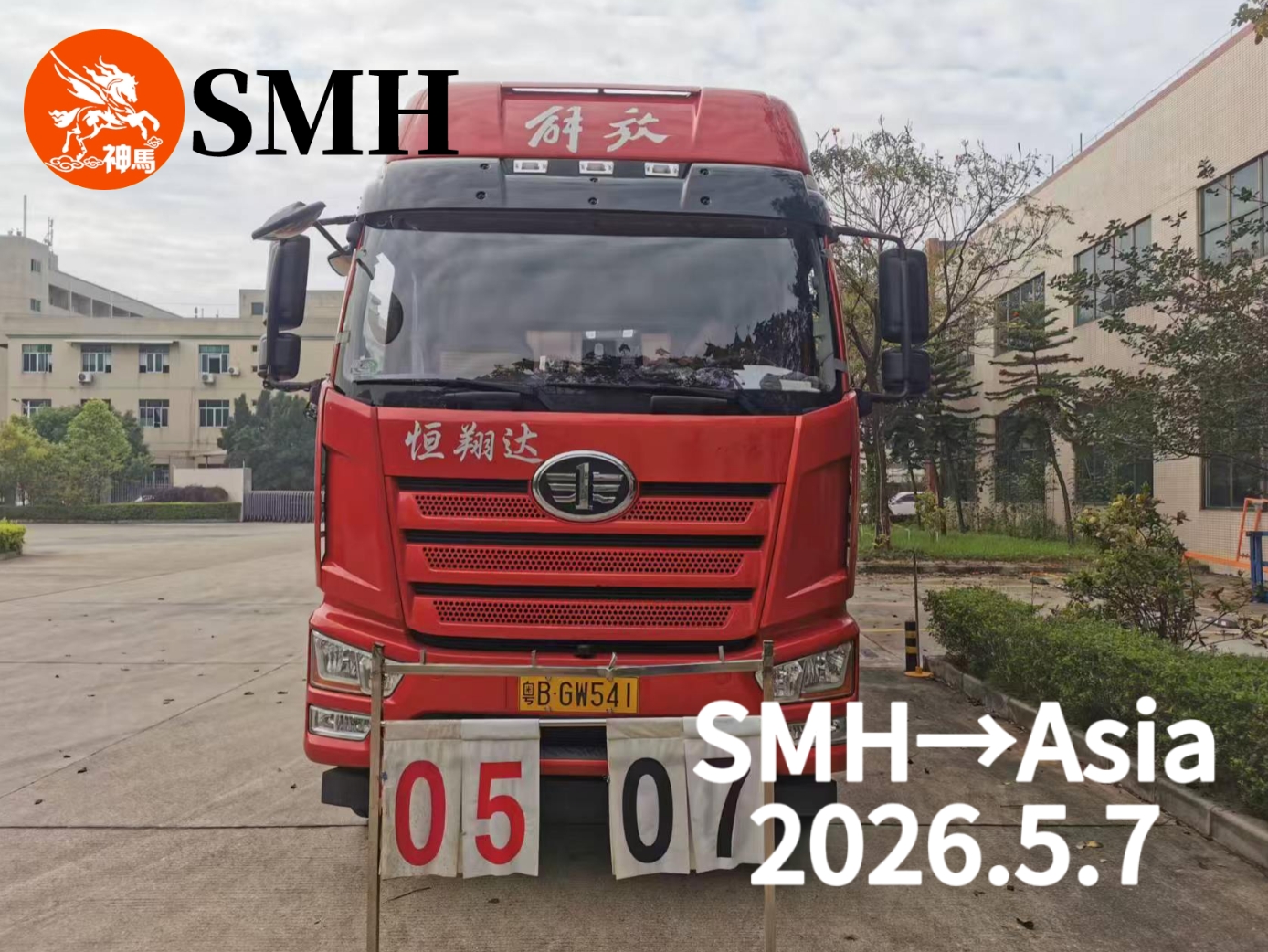
Today, SMH equipment has been exported to more than 80 countries and regions. From Asia to Europe and South America, SMH production lines continue supporting paper mills, printing factories, and packaging companies with reliable automation solutions.
As global demand for efficient paper converting equipment grows, SMH continues investing in manufacturing technology, engineering development, and intelligent automation systems to provide stable and efficient solutions for customers worldwide.