

Why Some Factories Enjoy Much Lower Waste Rates
In paper converting, some waste – trim loss or startup scrap – is expected. But when waste rates stay consistently high, the issue usually isn’t the material or even the machine. It’s how the process is controlled.
Interestingly, factories with the lowest waste rates aren’t always using the newest equipment. What sets them apart is how consistently they run their process.
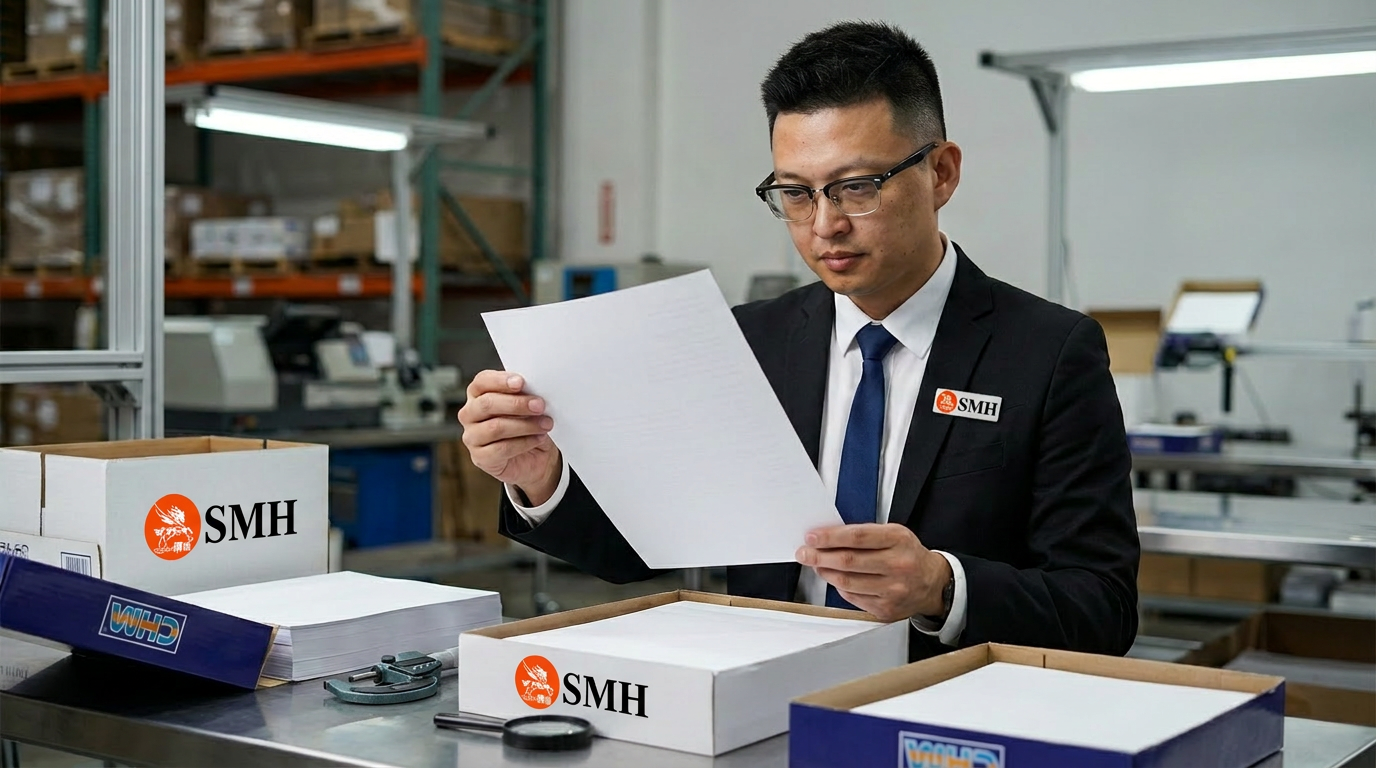
Waste Is Often a Control Problem
The gap in waste rates rarely comes from a single factor. Instead, it’s from small variations throughout production:
- Inconsistent setup between shifts
- Frequent parameter changes without clear standards
- Lack of repeatability between similar orders
Each variation may seem minor, but together they lead to higher reject rates, off-spec sheets, and increased material loss.
Three Habits of Low-Waste Operations
1. Strict Process Control
Once a set of conditions works for a specific paper grade, document it and follow it consistently. Changes are only made when necessary, based on clear reasons. This reduces trial‑and‑error and keeps results predictable.
2. Consistent Parameter Management
Treat parameter settings as production assets. Save job‑specific recipes, reuse proven settings, and record adjustments for future reference. This shortens setup time and reduces the risk of errors that cause waste.
3. Standardized Operator Practices
Operator behavior directly affects waste. In low‑waste plants, procedures are clearly defined, each step follows a standard method, and results depend less on individual experience. This ensures consistency across shifts.
Why Equipment Alone Does Not Solve the Problem
Upgrading machines can improve performance, but it doesn’t automatically reduce waste. If the process remains inconsistent, new equipment will face the same issues: unstable operation, repeated adjustments, inconsistent output. Waste reduction requires both capable equipment and disciplined process control.
Practical Impact on Production
When these habits are applied:
- Startup waste is reduced
- Fewer sheets are rejected during production
- Output becomes more stable
- Material utilization improves over time
Even small improvements in waste rate have a measurable impact on total production cost.
Conclusion
Lower waste isn’t the result of working harder or running faster. It comes from running the same process the same way, every time.
Factories that control parameters, standardize operations, and reduce unnecessary variation achieve consistently lower waste rates – regardless of equipment level.
Want to lower your waste rate?

If your waste levels are higher than they should be, SMH can help you assess your process control, parameter management, and operator practices.
Contact SMH – get a practical waste reduction plan based on real production habits, not just new hardware.