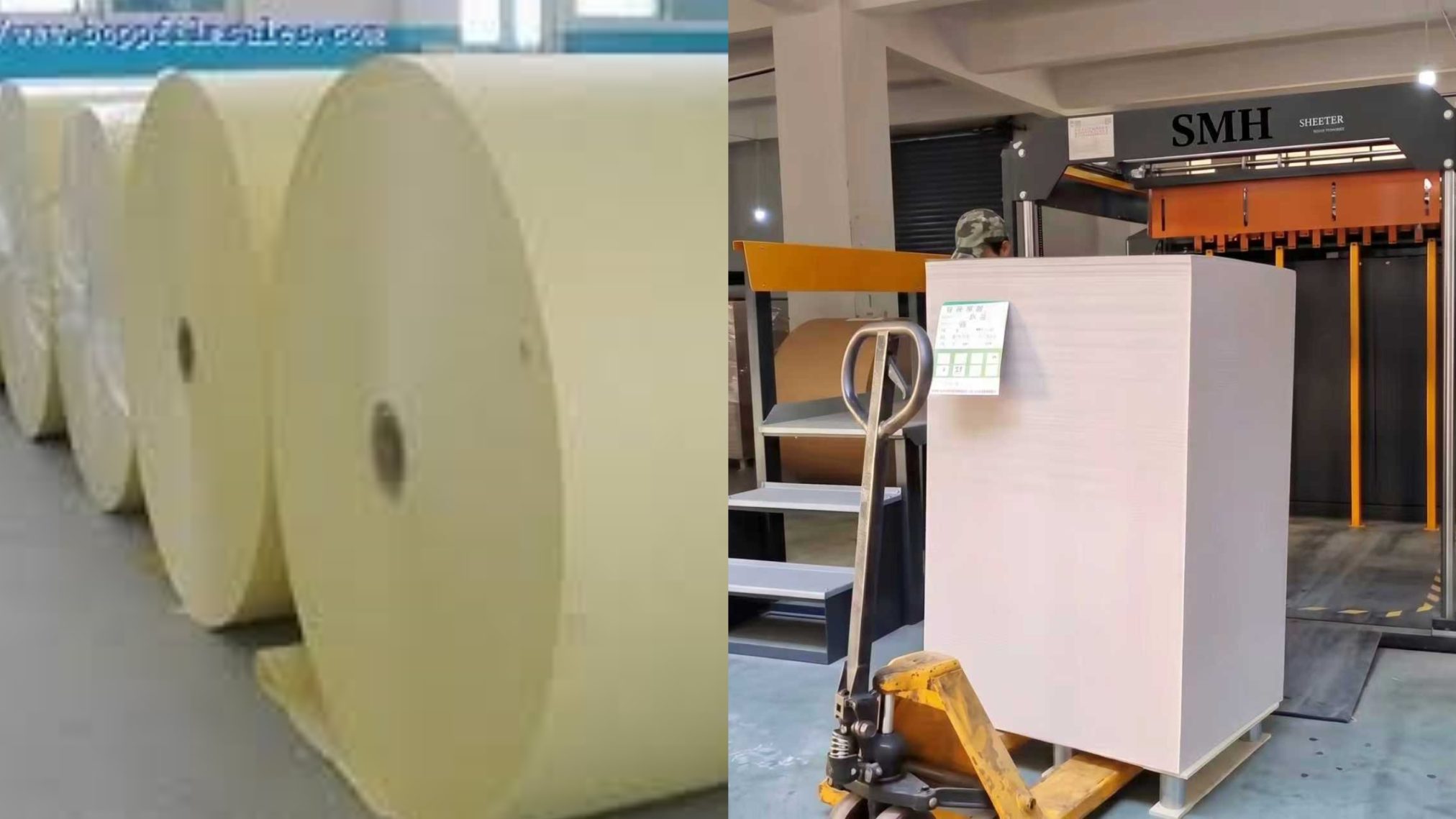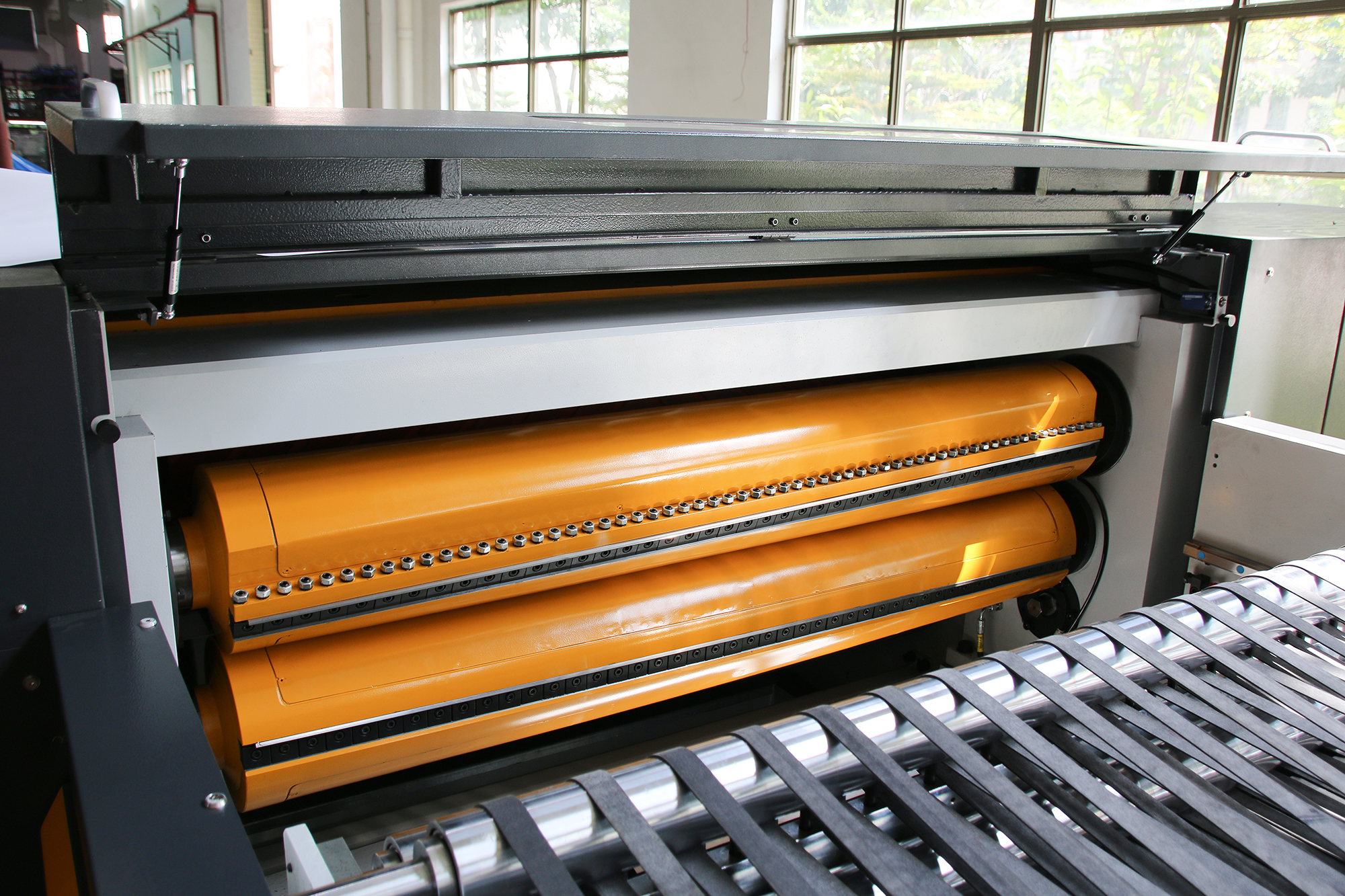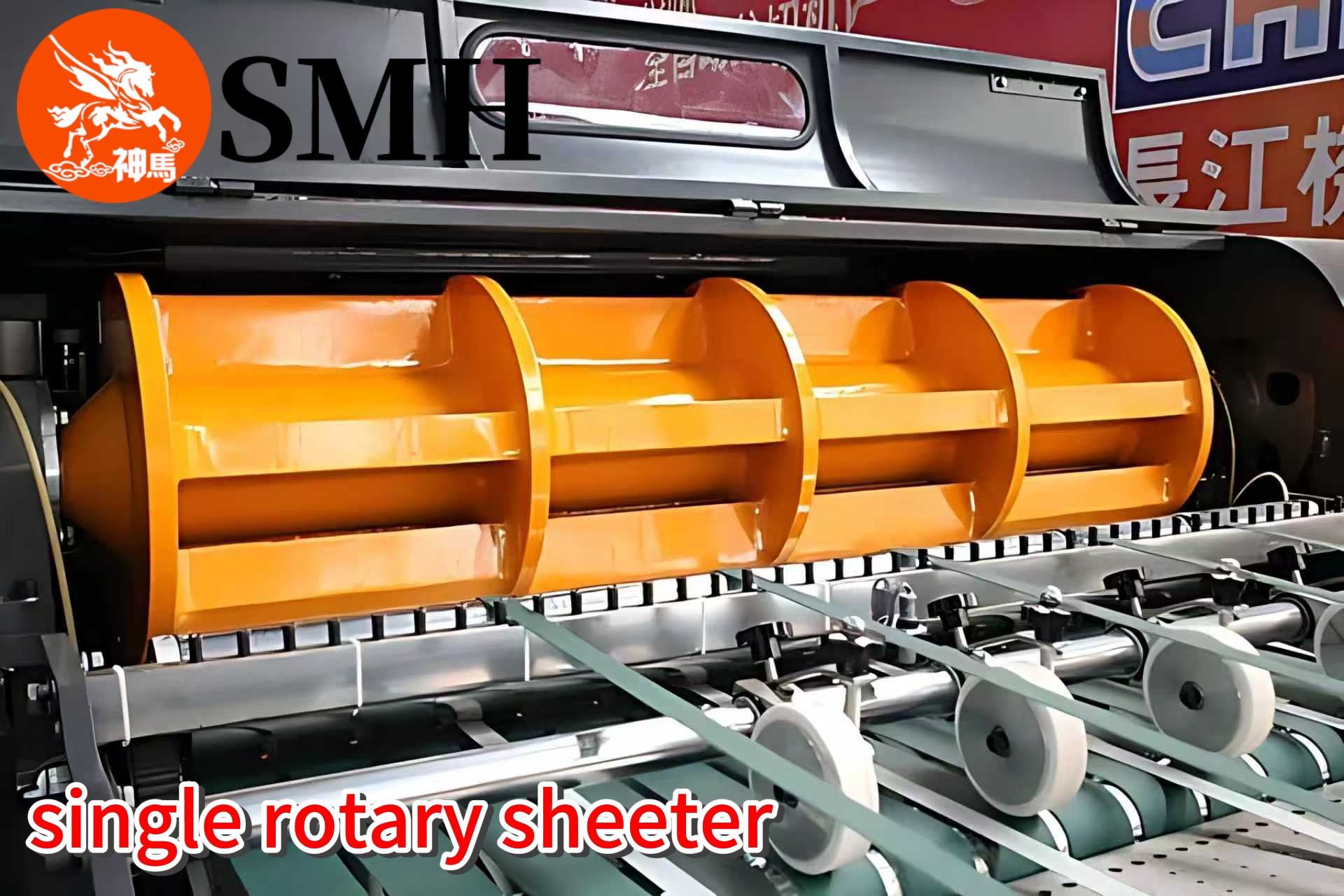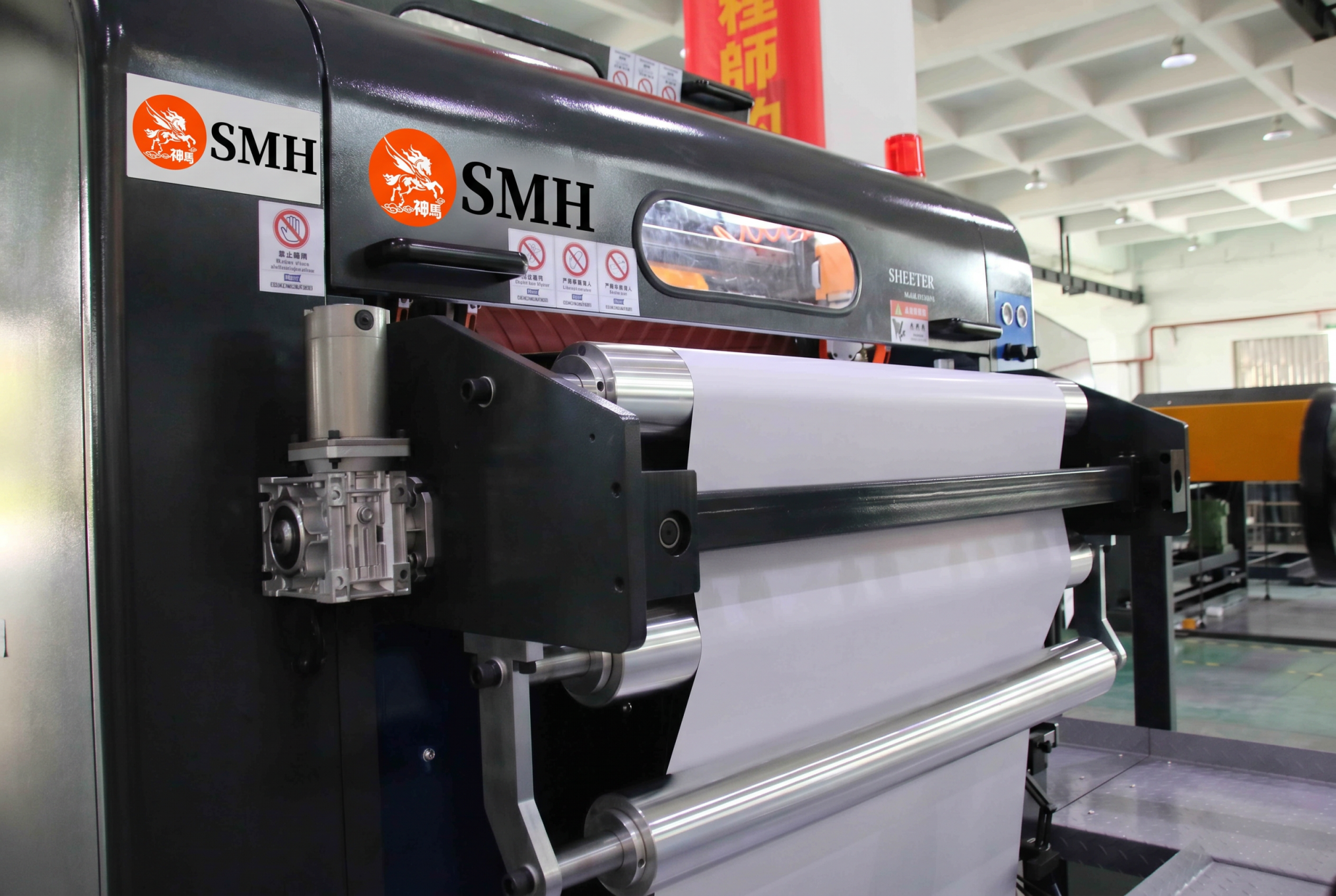
SHM A4-5 & A4B Line Installed in Tanzania

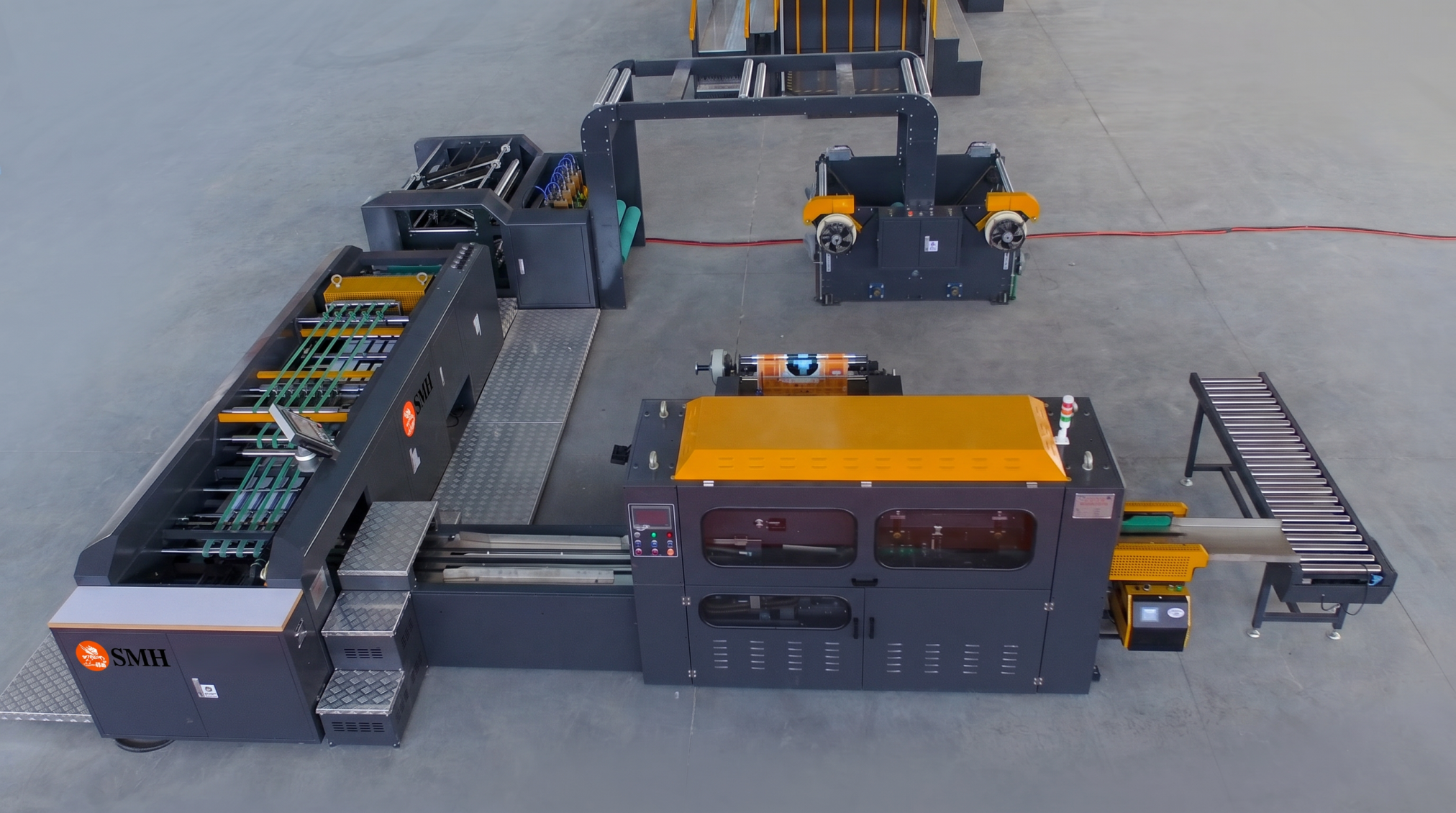
A new A4 paper production line featuring the SMH A4-5 sheeter and A4B packing machine has recently been installed and commissioned in Tanzania. The project marks a practical step for the local converter, moving from basic supply toward integrated, in-house processing.

From Manual to Continuous Production

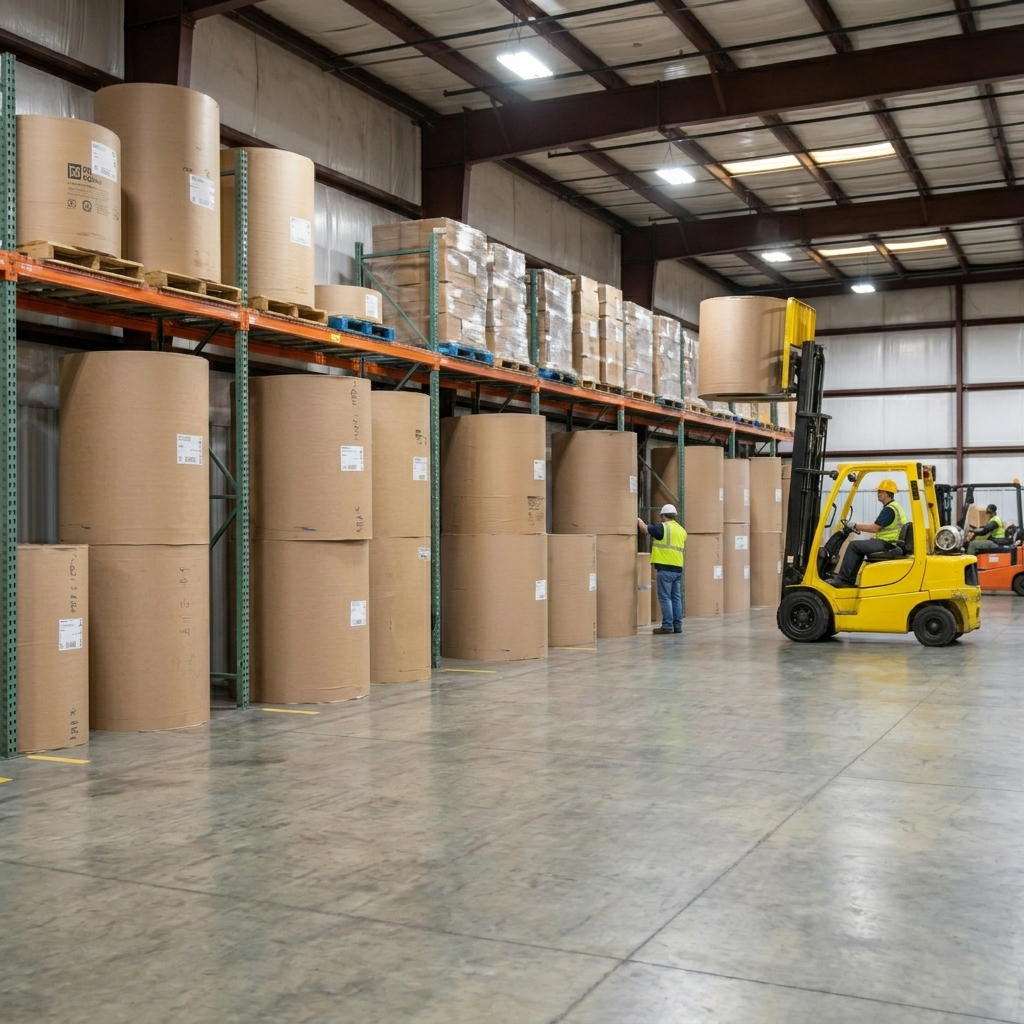
Before the upgrade, the factory relied heavily on semi-manual operations. Cutting speed was limited, packing consistency varied, and output depended on labor coordination.

Now, with the A4-5 and A4B running, the workflow is stable and continuous. Jumbo rolls convert directly into A4 sheets, then automatically counted and packed. Output stays consistent across shifts, with less manual intervention and better predictability.

Why A4-5 Was Selected

The factory chose the A4-5 to meet rising demand and support future growth. Its wider web handling and higher cutting capacity allow more paper processed in the same time.

Key benefits in daily operation:

  • Stable cutting accuracy at continuous speed
  • Consistent sheet size across large volumes
  • Less material waste from better control

For a market where both volume and reliability matter, these give a clear edge.

Packing Stability with A4B

The A4B packing machine solves a common bottleneck: end-of-line handling. Instead of manual counting and wrapping, the system delivers uniform ream packaging, stable sealing, and synchronized output with the sheeter. Finished products are ready for shipment without rework or delay.

Adapted to Local Conditions

The Tanzania installation was configured with three practical considerations:

  • Compatibility with local paper grades
  • Stable performance under variable power conditions
  • Simplified operation for local teams

SMH engineers supported installation and operator training, so the line ran reliably from the start.

Operational Impact

Since commissioning, the factory reports:

  • Higher daily output with fewer interruptions
  • More consistent product quality
  • Reduced dependence on manual labor
  • Better ability to handle bulk and repeat orders

The business no longer limits itself to trading or basic processing – it now controls a larger part of the value chain.

Conclusion

The A4-5 and A4B installation in Tanzania reflects a broader shift: moving from manual, fragmented operations to integrated, automated production. By stabilizing both cutting and packing, the line provides not only higher capacity but also the consistency needed to compete in a growing market.

Need to upgrade your A4 line?

If you’re planning to move toward in-house A4 converting, SMH can help design a solution based on your actual production conditions.

Contact SMH to evaluate your line setup and improve output stability.

What Causes Paper Dust During Cutting & How to Reduce It

Keywords: paper dust problem, cutting quality, knife conditionPaper dust is one of those issues many factories ignore until it’s too late. It builds up in motors, sensors, and gearboxes, shortens maintenance cycles, and leaves messy edges on finished sheets—directly hurting product quality and customer satisfaction.

From our on-site observations, paper dust almost always comes from three root causes:

  • Worn or blunt knives: Instead of making clean cuts, dull blades tear paper fibers, creating a lot of fine dust.
  • Wrong cutting angle or pressure: Too much friction during cutting heats the paper and breaks fibers unnecessarily.
  • Over-dry paper: Paper that’s too low in moisture becomes brittle and sheds dust easily when cut at high speed.

Controlling dust isn’t just about cleaning the machine more often. SMH uses precision-ground blades, optimized cutting geometry, and stable running parameters to minimize fiber tearing at the source, giving you cleaner cuts, less dust, and higher material yield.

Hidden Costs of Outsourcing Paper Cutting
SMH a4 paper packaging machine

Outsourcing cutting looks simple. No investment, no operators, less management.

But the cost doesn’t disappear—it shifts.

Quality Becomes Unstable

Cutting defines the final product. Once outsourced, consistency is harder to control.

Problems show up later:

  • uneven edges
  • size variation
  • customer complaints

Time Is No Longer in Your Hands

Your schedule depends on someone else.

Delays affect delivery, urgent orders become difficult, and planning becomes reactive.

Margins Get Thinner

You pay for cutting, logistics, and handling.

Individually small, together they reduce your profit space.

Flexibility Drops

Customers want small orders and fast turnaround.

Outsourcing slows response. Every change takes time.

Waste Increases

Cutting is not optimized for your real orders.

Material loss grows, and actual cost per ton increases.

Conclusion

Outsourcing may work short term.
Long term, it limits control, margin, and flexibility.

a4 paper packaging machine

CTA

SMH can help you evaluate whether to bring cutting in-house and improve overall efficiency.

Contact SMH for a practical solution

Why Paper Trading Profit Is Declining — And Why Converting Is Becoming the Next Step

Why Paper Trading Profit Is Declining — And Why Converting Is the Next Step

Margins in paper trading are getting tighter.
For many businesses, this isn’t temporary—it’s structural.

Volumes may still be there. But profit is under pressure.

What’s Changing

The old advantage in trading—price gaps—is disappearing.

Buyers compare prices instantly. Mills sell more directly. Competition is global.

At the same time, costs are rising:

  • freight and storage are higher
  • cash is tied up in inventory
  • paper prices change more frequently

Holding stock is no longer an advantage. Slow turnover and mismatched specs create pressure instead of flexibility.

A4 paper

Where the Problem Shows Up

Customer expectations have changed.

They want:

  • consistent quality
  • precise sizes
  • fast delivery

Pure trading struggles to meet this.

Many companies turn to outsourcing for cutting and packing. But this creates new issues—longer lead times, inconsistent quality, and additional cost layers.

Margins don’t just shrink. They get split.

SMH A4 Paper Cutting and Packaging Machine

Why More Companies Are Moving to Converting

The shift is clear: trading is moving closer to processing.

Instead of only reselling, companies start to:

  • convert jumbo rolls into sheets
  • produce A4 and cut-size products
  • offer customized formats

This changes where value is created.

What Converting Improves

Adding processing capability helps in practical ways:

  • better margin control
  • faster stock turnover
  • stronger customer retention
  • more predictable production

Instead of reacting to price, you control output.

What It Looks Like in Practice

Most transitions start small:

  • adding a sheeter
  • introducing slitting
  • improving packing

With the right setup, companies reduce manual work, improve consistency, and get more usable output from each roll.

Over time, the business shifts from trading to production-driven.

Conclusion

Declining profit in paper trading is not accidental.

It comes from transparency, rising costs, and changing demand.

Staying in pure trading means competing on price.

Moving into converting creates a different position—based on control, efficiency, and added value.

CTA

If you’re considering the move from trading to processing, SMH can help you plan a practical upgrade.

Get a tailored converting solution
Contact SMH to improve margins and production efficiency