Archives April 2026

Why Does Paper Web Drift During Slitting?

In paper converting, web drift is a common issue—but also one of the most costly.
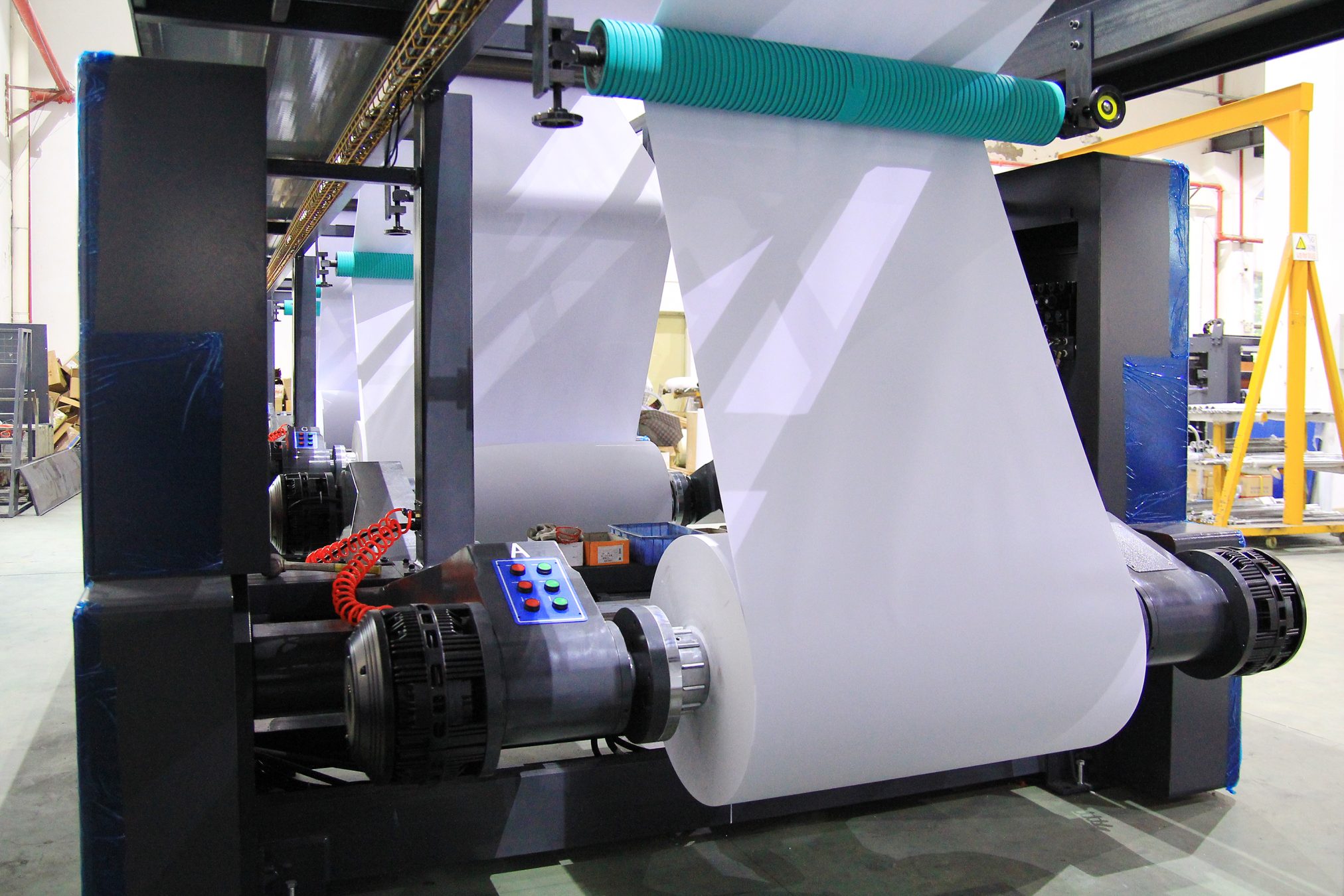
Auto web guide system

At the beginning of a run, everything may look stable.

But as speed increases, problems start to show:

the paper slowly shifts to one side

edges no longer align with the knives

slitting width becomes inconsistent

wrinkles or edge damage begin to appear

Many operators try to correct this manually, but the problem often comes back.

That’s because web drift is rarely caused by a single factor—it is usually the result of multiple system imbalances.

  1. Unstable Tension: The Root of Most Drift ProblemsPaper is not a rigid material. It stretches and reacts to force.If tension is not properly controlled:too loose → paper wanders and loses directiontoo tight → paper stretches and pulls unevenlyEven small fluctuations can cause the web to shift sideways over time.In high-speed production, unstable tension becomes the primary trigger for drift.
  2. Lack of Effective Edge GuidingWithout a proper guiding system, the machine has no way to correct position errors.Even if the paper starts centered, small deviations will accumulate:slight misalignment at unwindinguneven roller contactmaterial variationWithout correction, these small errors turn into visible drift.A properly configured edge guiding system continuously detects the paper edge and makes micro-adjustments to keep it aligned.
  3. Guiding and Tension Not Working TogetherMany production lines have both guiding and tension control—but still experience drift.Why?Because the two systems are not synchronized.For example:guiding system corrects position, but tension changes cause new deviationtension system stabilizes force, but guiding reacts too slowlyWhen these systems operate independently, they can even interfere with each other.Stable production requires coordinated control—where guiding and tension respond together.
  4. Mechanical Factors and Alignment IssuesDrift is not always a control problem. It can also come from the machine itself.Common causes include:misaligned rollersuneven wear on componentsinstallation inaccuraciesvibration at certain speedsThese factors create uneven forces across the web, pushing it off its intended path.
  5. Material DifferencesNot all paper behaves the same.Different grades have different:thicknessstiffnesssurface frictionThin or flexible paper is more sensitive to movement.Coated or smooth paper may slip more easily on rollers.If machine parameters are not adjusted to match the material, drift becomes more likely.
  6. Speed Changes and Dynamic ConditionsAt low speed, drift may not be obvious.As speed increases:system response time becomes criticaltension fluctuations amplifysmall alignment errors grow fasterFrequent acceleration and deceleration make the problem worse.Stable high-speed production requires systems that can react in real time.

What Actually Solves the Problem?

There is no single fix.

Stable web tracking comes from a combined system approach:

accurate edge guiding to control position

stable tension control to maintain uniform force

synchronized control logic between both systems

proper mechanical alignment and maintenance

When these elements work together, the paper remains stable—even at high speed.

Conclusion
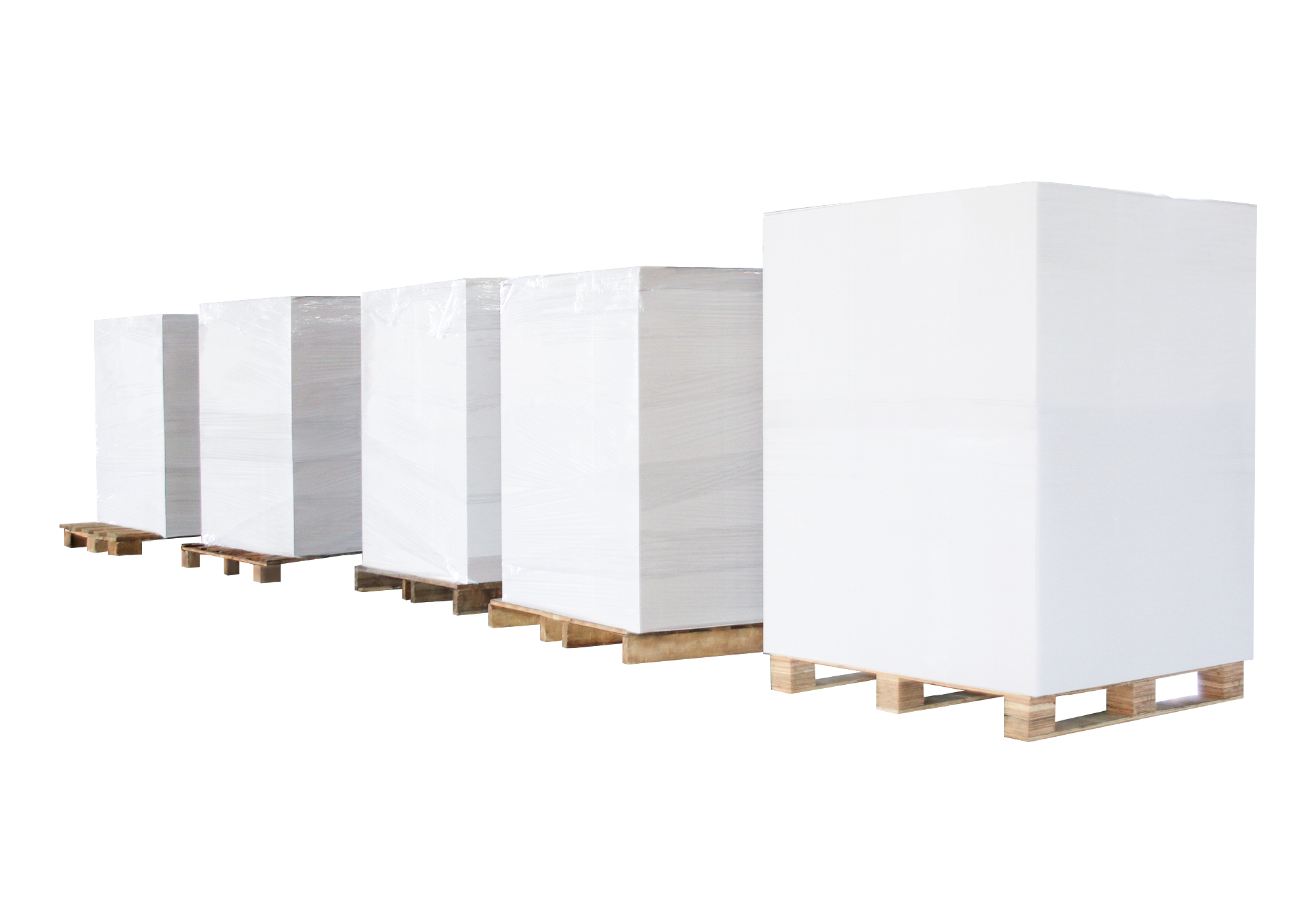
Paper drift is not just a minor inconvenience—it directly affects product quality, waste, and production efficiency.

Trying to fix it manually or adjusting one parameter at a time often leads to temporary results.

The real solution lies in understanding how different systems interact and ensuring they work as a coordinated whole.

CTA

If your production line still struggles with web drift or unstable slitting results, SMH can help you evaluate the root causes and provide a more stable solution.

Get a tailored web control optimization plan

Contact SMH to improve alignment, reduce waste, and stabilize production
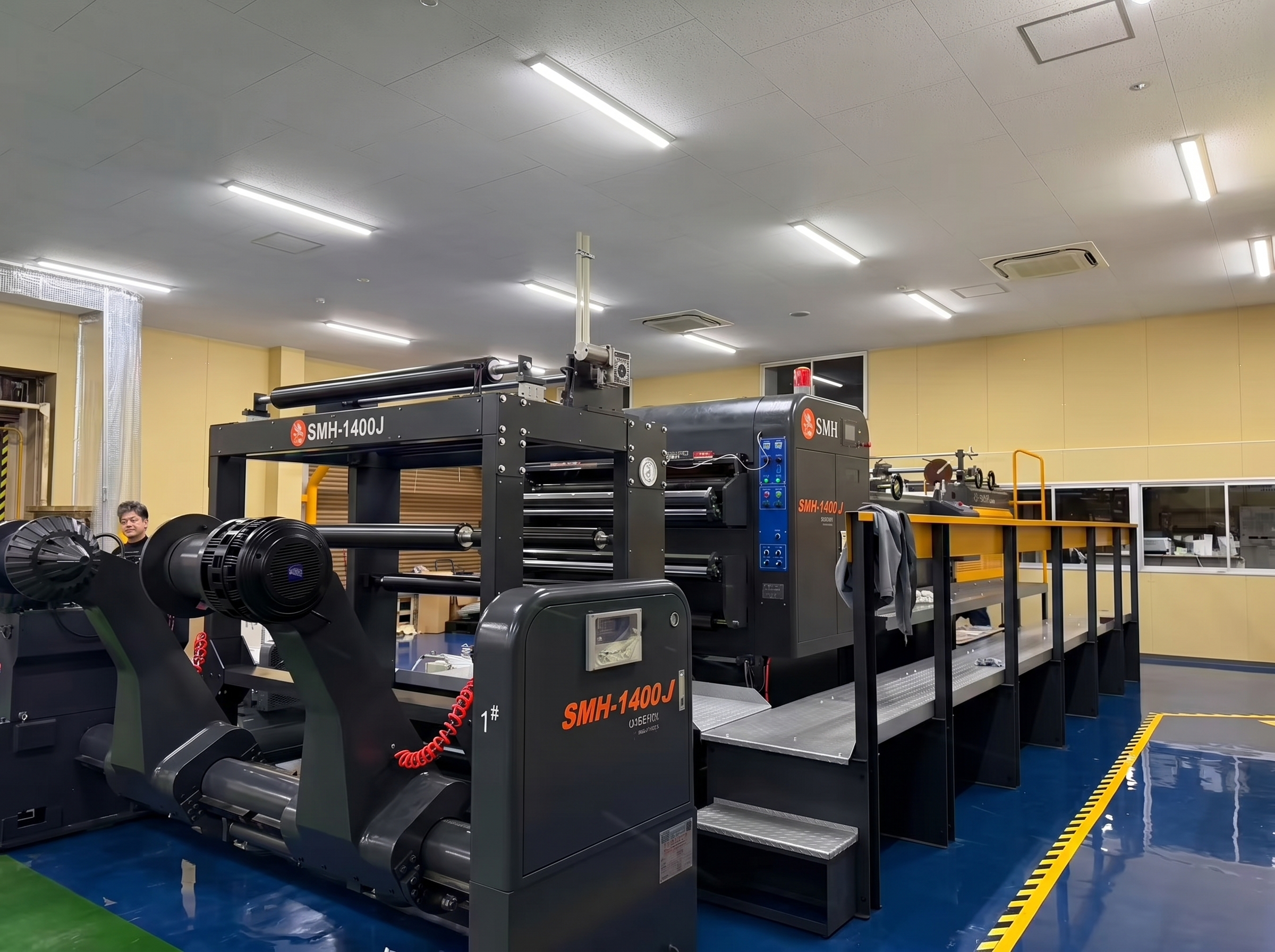
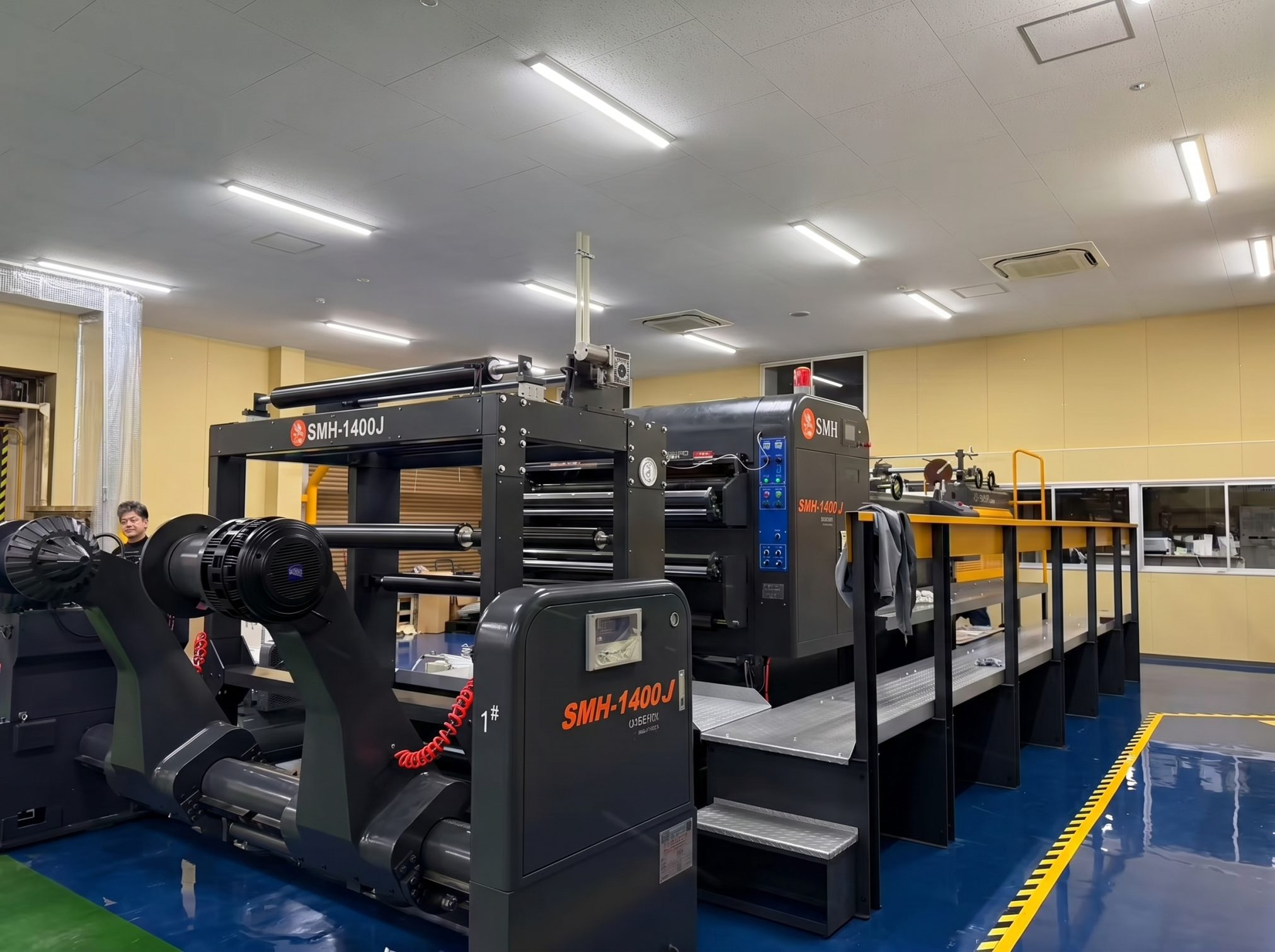
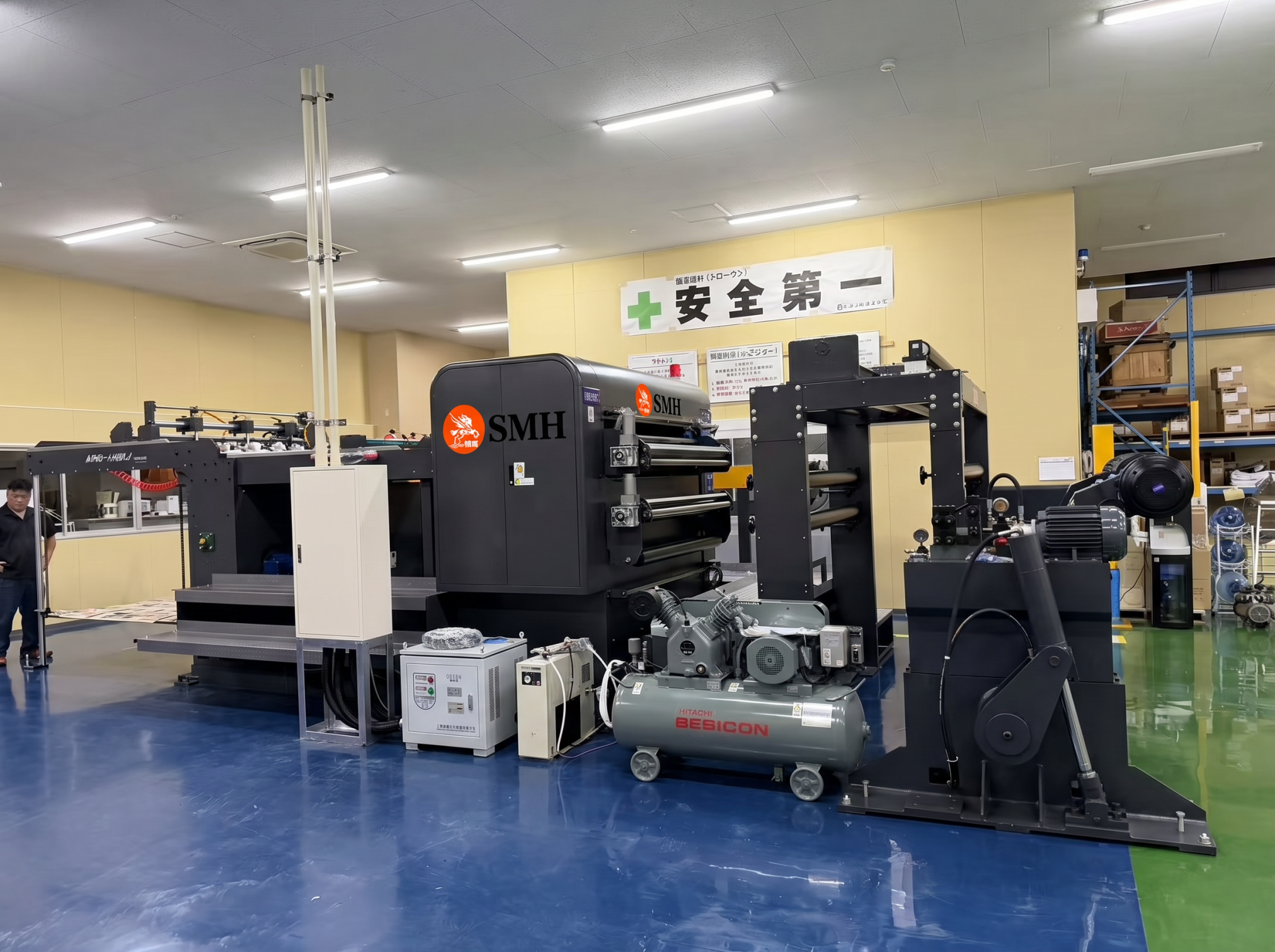
1400J Installed in Japan — Meeting High-Precision Paper Sheeting Standards

In Japan’s paper converting industry, expectations are different. Speed matters – but precision, consistency, and stability matter even more.

A Japanese paper processor recently upgraded with the 1400J paper sheeter from SMH, aiming to improve cutting accuracy and long-run stability for high-quality paper products.

The Challenge: Precision at Scale

The factory runs lightweight coated paper and high-grade printing materials. Their main problems were:

  • Slight deviation in sheet squareness at higher speeds
  • Inconsistent cutting length over long runs
  • Sensitivity to tension and humidity

At lower speeds, these issues were manageable. But as production demand grew, maintaining both speed and precision became difficult.

Why This Is Difficult

Lightweight and coated papers react strongly to tension fluctuation, static electricity, and tiny alignment errors. Even small variations cause visible edge defects, stacking inconsistency, and lower yield in downstream printing. For Japanese customers, these tolerances are not acceptable.

How the 1400J Solved It

The 1400J was configured with:

  • Servo-driven cutting system – consistent length accuracy
  • Optimized frame rigidity – minimal vibration at high speed
  • Integrated tension control – stable web handling
  • Precision alignment system – better sheet squareness

More importantly, it maintains performance over long runs – not just at startup.

Measurable Results

After installation:

  • Cutting consistency improved significantly
  • Production speed increased without quality loss
  • Defect rate reduced
  • Operator intervention decreased

The factory reported a more stable and predictable process, especially for high-grade paper orders.

A Standard, Not Just an Upgrade

In markets like Japan, equipment is judged by real production performance – not just specs. The 1400J delivers stable operation, repeatable accuracy, and adaptability to different paper grades.

Need high-precision sheeting?

If your production requires consistent precision under demanding conditions, SMH can help evaluate your setup and provide a tailored solution.

Contact SMH for a precision-focused configuration plan – improve your production stability.In Japan’s paper converting industry, expectations are different. Speed matters – but precision, consistency, and stability matter even more.

A Japanese paper processor recently upgraded with the 1400J paper sheeter from SMH, aiming to improve cutting accuracy and long-run stability for high-quality paper products.

The Challenge: Precision at Scale

The factory runs lightweight coated paper and high-grade printing materials. Their main problems were:

  • Slight deviation in sheet squareness at higher speeds
  • Inconsistent cutting length over long runs
  • Sensitivity to tension and humidity

At lower speeds, these issues were manageable. But as production demand grew, maintaining both speed and precision became difficult.

Why This Is Difficult

Lightweight and coated papers react strongly to tension fluctuation, static electricity, and tiny alignment errors. Even small variations cause visible edge defects, stacking inconsistency, and lower yield in downstream printing. For Japanese customers, these tolerances are not acceptable.

How the 1400J Solved It

The 1400J was configured with:

  • Servo-driven cutting system – consistent length accuracy
  • Optimized frame rigidity – minimal vibration at high speed
  • Integrated tension control – stable web handling
  • Precision alignment system – better sheet squareness

More importantly, it maintains performance over long runs – not just at startup.

Measurable Results

After installation:

  • Cutting consistency improved significantly
  • Production speed increased without quality loss
  • Defect rate reduced
  • Operator intervention decreased

The factory reported a more stable and predictable process, especially for high-grade paper orders.

A Standard, Not Just an Upgrade

In markets like Japan, equipment is judged by real production performance – not just specs. The 1400J delivers stable operation, repeatable accuracy, and adaptability to different paper grades.

Need high-precision sheeting?

If your production requires consistent precision under demanding conditions, SMH can help evaluate your setup and provide a tailored solution.

Contact SMH for a precision-focused configuration plan – improve your production stability.

Slitting Accuracy Unstable? 8 Real Causes Most Factories Miss

Why Is Your Slitting Accuracy Unstable?

If you run a slitting line, you know this situation: first few rolls look fine, then edges lose squareness, cut length drifts, reject rate creeps up. Nothing seems broken, but results are no longer consistent.

Many teams blame the knife or paper quality. But in real production, the root cause is rarely that simple. Unstable accuracy is usually a system problem, not a single component issue.

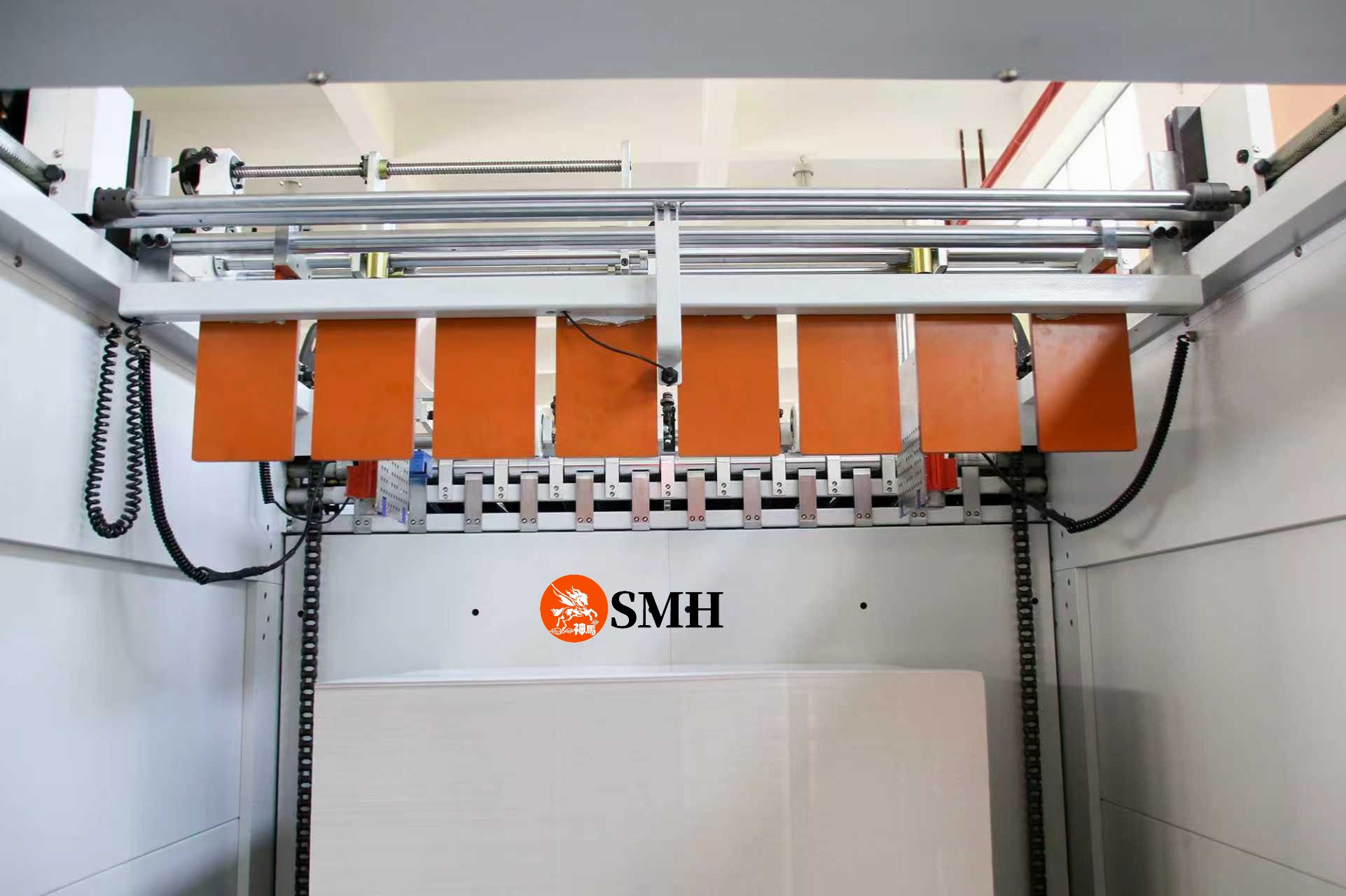
SMH Auto Jogger System

What Happens If You Don’t Fix It

  • More rejected sheets → higher material cost
  • Rework and sorting → lower efficiency
  • Customer complaints → unstable orders
  • Can’t run at full speed → lost capacity

One Southeast Asian kraft plant had to drop from 280 m/min to 180 m/min just to keep acceptable quality. The issue wasn’t the knife – it was instability in the control system.

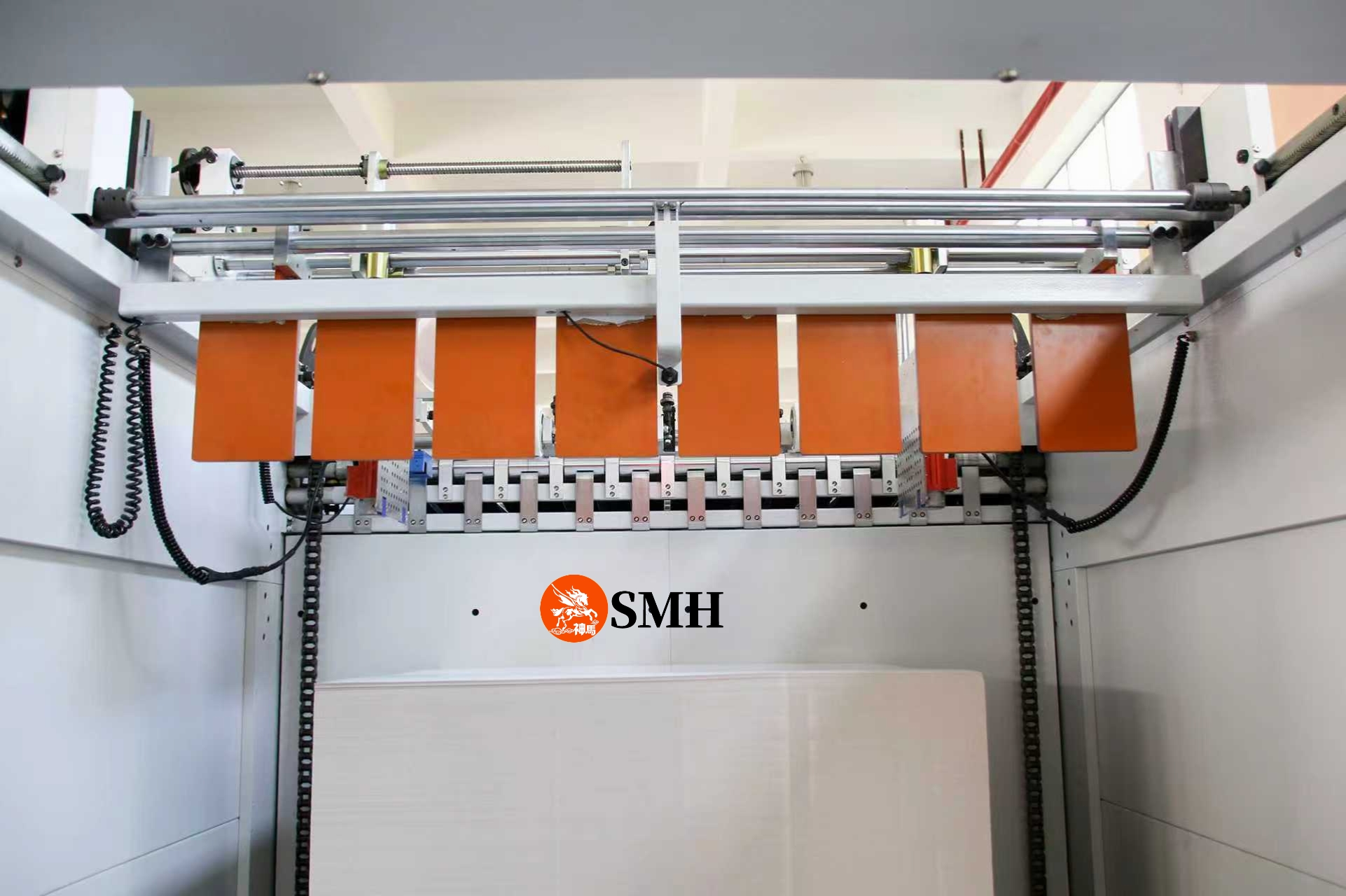
SMH Auto Jogger System

1. Angle Compensation Not Stable

At the same time, paper moves forward and the cutter rotates – that creates a natural angular difference. If not precisely compensated, cuts become skewed, edges uneven, dimensions vary. At higher speeds, even tiny deviation becomes obvious.

Stable, responsive compensation is the key.

2. Mechanical Rigidity – The Hidden Problem

Many factories focus on control systems first, but the real foundation is mechanical stability. Hidden issues: knife shaft flex under load, bearing wear, weak knife holders, vibration. At high speed, micron-level movement becomes a real defect.

High precision synchronic-fly cutting unit

3. Backlash and Transmission Delay

Gear backlash, loose belts, or ball screw play cause: commanded angle ≠ actual angle, delayed correction, over-adjustment. This gets obvious when speed changes or materials differ.

4. Control System Too Slow

Servo systems matter, but common issues: low encoder resolution, electrical interference, poor PID tuning, slow sampling. When speed changes, the system can’t react fast enough – the machine is always “behind.”

5. Process Instability – Most Ignored

Even a good machine can’t compensate for tension fluctuation, frequent acceleration, or different paper properties. Example: thin coated paper showed ±0.3 mm deviation at 250 m/min, while kraft on the same machine stayed stable. Thin material reacts more to tension and friction changes.

6. Heat – Silent Accuracy Killer

Machine is accurate at startup, but after 30–60 minutes deviation appears. Thermal expansion of shafts, slight frame deformation, reference position shift cause the system to “drift” over time.

7. Human Factors Still Matter

Common mistakes: zero point calibrated at low speed (not production speed), wrong parameters for new orders, poor lubrication, dust affecting moving parts. Often the machine is capable, but not used correctly.

8. Why Automatic Systems Replace Manual

Manual systems rely on operator experience, need repeated trial cuts, can’t react to dynamic changes. Automatic systems use real-time feedback, adjust continuously, match parameters to production conditions. That’s why high-speed lines use closed-loop control.

What Actually Fixes the Problem

No single adjustment solves unstable accuracy. Real improvement comes from combining:

  • Stable mechanical structure
  • Precise transmission system
  • Fast and accurate control response
  • Consistent process conditions
  • Correct operation and maintenance

A complete system, not a single upgrade.

Conclusion

If your slitting accuracy is unstable, it’s a signal that your system is not balanced, control not synchronized, process not stable. Trying to fix one point at a time gives temporary results. Sustainable improvement requires looking at the entire production system.

Need a slitting optimization plan?

If your line cannot maintain stable accuracy at higher speeds, SMH can help identify real bottlenecks and improve overall system performance.

Contact SMH for a customized slitting optimization plan – reduce waste and achieve stable high-speed production.

How to Start an A4 Paper Manufacturing Business

The A4 paper business is often seen as simple: buy jumbo rolls, cut, pack, and sell.
In reality, the difference between a profitable operation and a struggling one lies in how well the production system is planned from the beginning.

Many new entrants underestimate three things:
equipment configuration, cost structure, and market positioning.
Getting these right early on determines whether the business can scale or not.

1. Know Your Business Model First

Before spending money on machines, be clear about your role in the market. Three common models:

  • Trading-based – buy and resell finished A4 paper. Low margin, high competition.
  • Converting-based – buy jumbo rolls and produce your own A4. Higher margin, better control.
  • Integrated – combine production, branding, and distribution.

Most successful companies move toward converting because it gives you quality control, flexible production, and better profit.

2. Raw Material: Jumbo Roll Quality Matters

Your final product depends heavily on the jumbo roll. Key factors:

  • GSM consistency
  • Moisture content
  • Stiffness and smoothness
  • Supplier stability

Inconsistent raw material leads to cutting defects, size variation, and poor stacking. A stable supply chain is just as important as the machine.

3. Equipment Configuration – The Core of Your Line

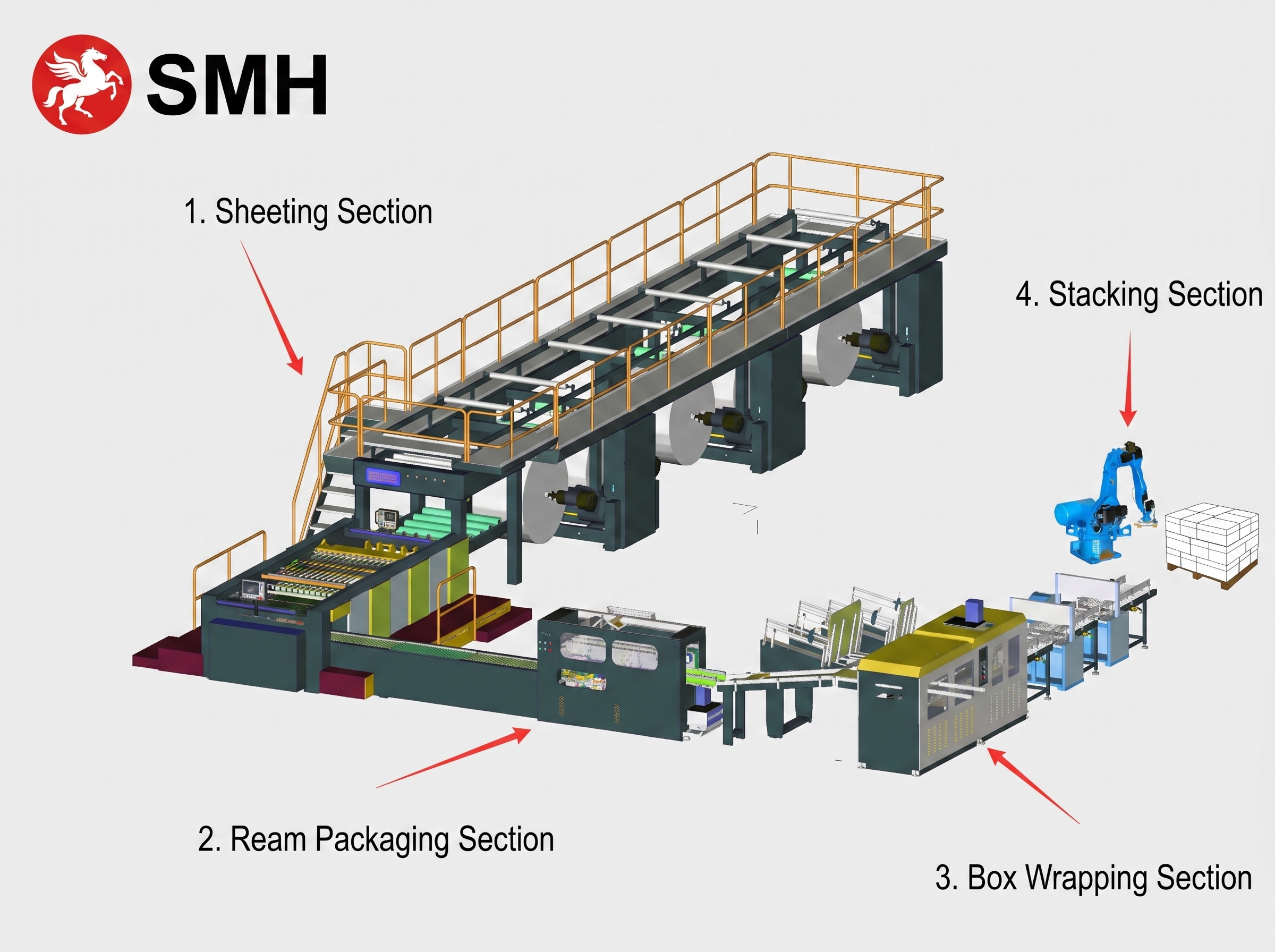
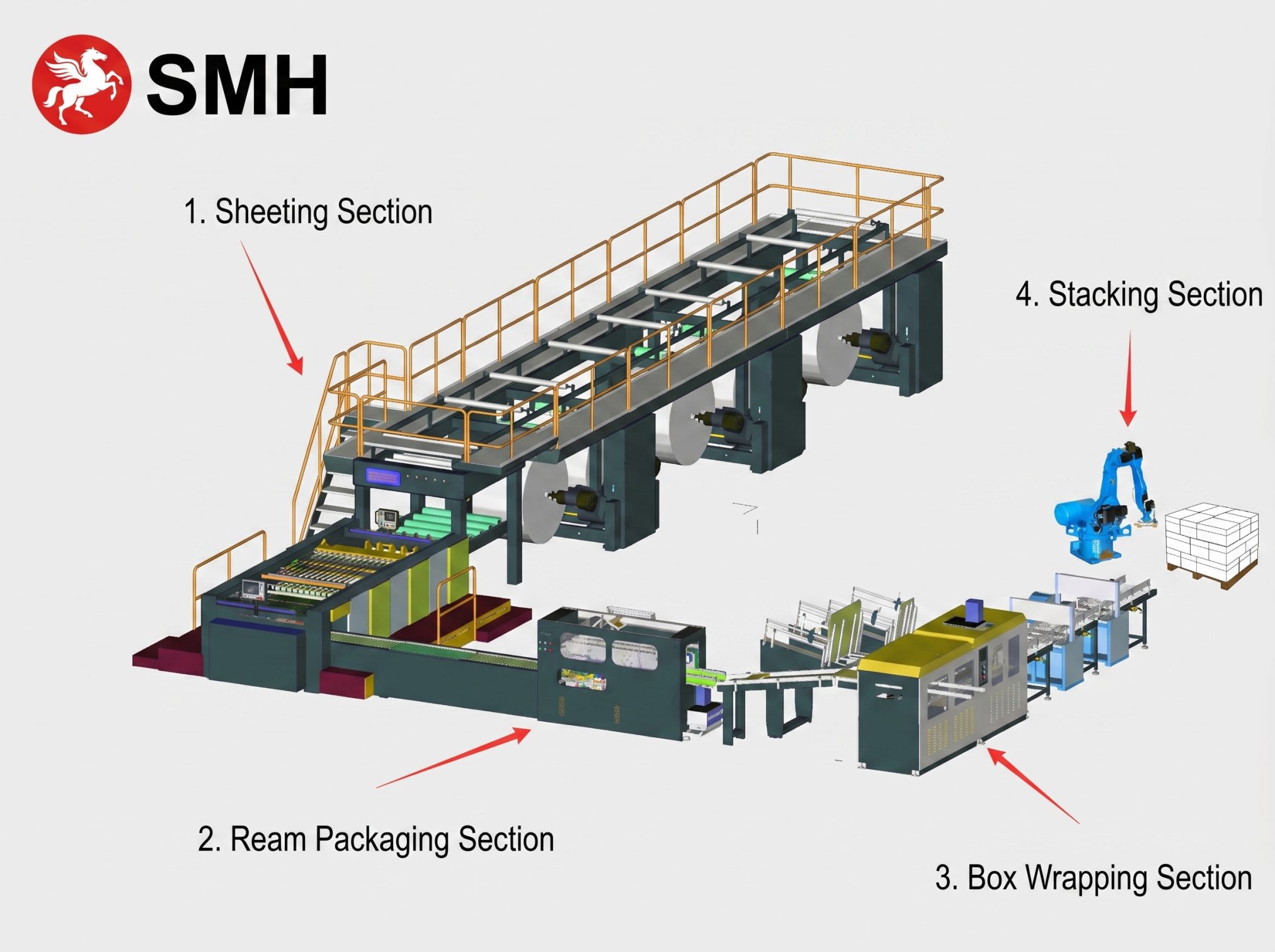
A complete A4 production setup usually includes:

  • High-speed sheeter / cutting system
  • Ream wrapping machine (A4 packing)
  • Carton packing system
  • Optional automation (palletizing, auto splicing, etc.)

The key is not just buying machines, but making sure they work as a coordinated line. If cutting speed exceeds packing capacity → bottleneck. If automation is missing → labor cost goes up. If precision is unstable → product quality suffers.

A balanced line gives you continuous operation, stable output, and minimal downtime.

4. Efficiency vs. Initial Investment

One common mistake: choosing equipment based only on price. Low-cost machines often mean lower speed, higher defect rates, and frequent downtime. That directly hurts profitability.

A properly configured line should deliver stable high-speed production, consistent cutting accuracy, and reliable packaging output. In most cases, efficiency – not upfront cost – determines your ROI.

5. Labor and Automation Planning

Labor is a major cost in A4 production. Manual operations limit speed, consistency, and scalability. By adding automation – auto ream packing, carton packing, palletizing – you reduce manpower, improve efficiency, and maintain consistent quality. Automation becomes critical as volume grows.

6. Market Positioning and Product Strategy

Not all A4 paper is the same. You need to decide:

  • Target market (office, wholesale, export)
  • Product grade (economy, standard, premium)
  • Branding strategy

Customization can be a competitive advantage – different sheet counts per ream, private label production, flexible order quantities. The closer you are to the end market, the more value you capture.

7. Factory Layout – Often Overlooked

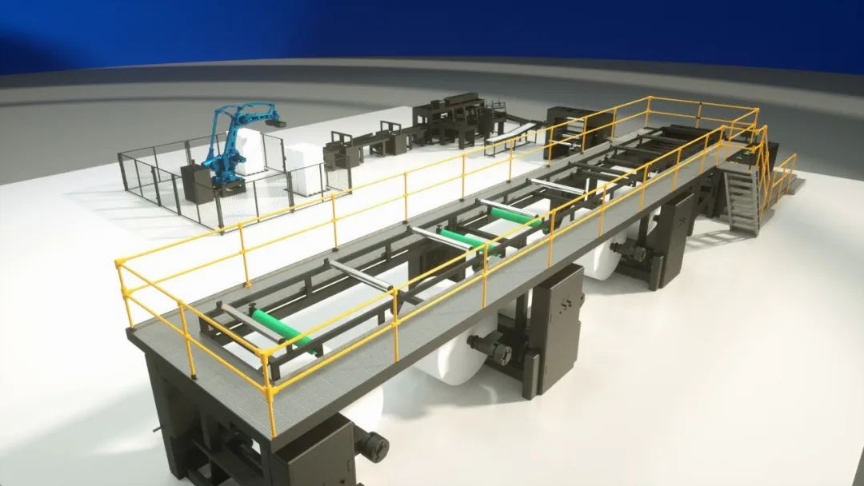
Poor layout wastes time and labor. A good layout ensures smooth material flow (jumbo roll → cutting → packing → storage), minimal manual handling, and clear production zones. Don’t skip this.

8. Cost Structure and ROI

Your profitability depends on raw material cost, labor cost, and operational efficiency. A well-designed A4 line reduces waste, increases output, and shortens payback period. Companies that invest in stable, efficient equipment usually achieve faster ROI than those who go for the cheapest option.

Conclusion

Starting an A4 paper business is not just buying a machine – it’s building a reliable production system. Success depends on the right equipment configuration, stable raw material, efficient operations, and smart market positioning.

Do it right, and you move beyond low-margin trading into a sustainable, scalable business.

Need a complete A4 production line?

If you’re planning to start or upgrade your A4 paper manufacturing business, SMH can provide complete production solutions based on your actual factory requirements.

Contact SMH for a customized A4 production line configuration – we’ll help you find the most efficient setup for your investment.