

In paper converting, web drift is a common issue—but also one of the most costly.
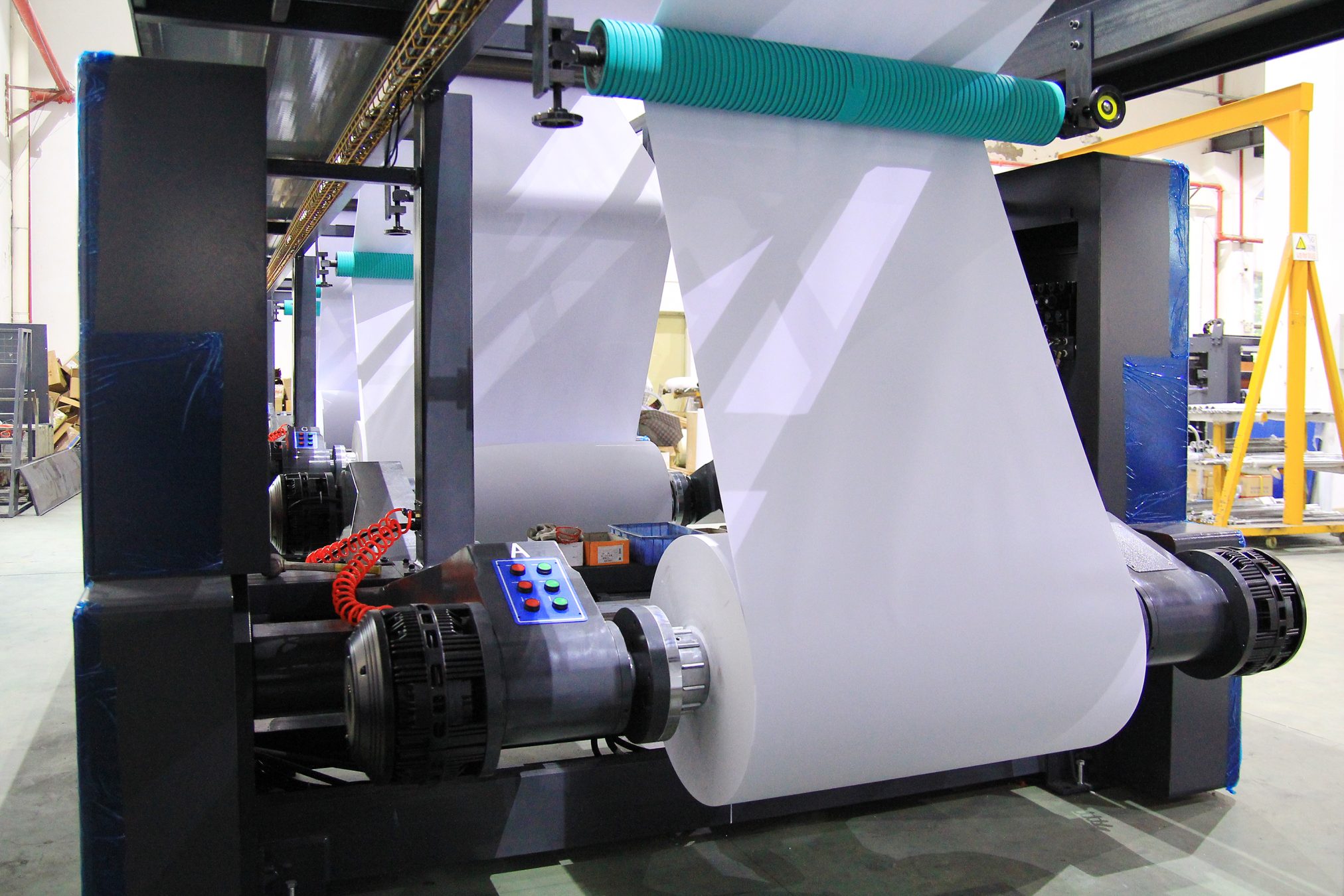
At the beginning of a run, everything may look stable.
But as speed increases, problems start to show:
the paper slowly shifts to one side
edges no longer align with the knives
slitting width becomes inconsistent
wrinkles or edge damage begin to appear
Many operators try to correct this manually, but the problem often comes back.
That’s because web drift is rarely caused by a single factor—it is usually the result of multiple system imbalances.
- Unstable Tension: The Root of Most Drift ProblemsPaper is not a rigid material. It stretches and reacts to force.If tension is not properly controlled:too loose → paper wanders and loses directiontoo tight → paper stretches and pulls unevenlyEven small fluctuations can cause the web to shift sideways over time.In high-speed production, unstable tension becomes the primary trigger for drift.
- Lack of Effective Edge GuidingWithout a proper guiding system, the machine has no way to correct position errors.Even if the paper starts centered, small deviations will accumulate:slight misalignment at unwindinguneven roller contactmaterial variationWithout correction, these small errors turn into visible drift.A properly configured edge guiding system continuously detects the paper edge and makes micro-adjustments to keep it aligned.
- Guiding and Tension Not Working TogetherMany production lines have both guiding and tension control—but still experience drift.Why?Because the two systems are not synchronized.For example:guiding system corrects position, but tension changes cause new deviationtension system stabilizes force, but guiding reacts too slowlyWhen these systems operate independently, they can even interfere with each other.Stable production requires coordinated control—where guiding and tension respond together.
- Mechanical Factors and Alignment IssuesDrift is not always a control problem. It can also come from the machine itself.Common causes include:misaligned rollersuneven wear on componentsinstallation inaccuraciesvibration at certain speedsThese factors create uneven forces across the web, pushing it off its intended path.
- Material DifferencesNot all paper behaves the same.Different grades have different:thicknessstiffnesssurface frictionThin or flexible paper is more sensitive to movement.Coated or smooth paper may slip more easily on rollers.If machine parameters are not adjusted to match the material, drift becomes more likely.
- Speed Changes and Dynamic ConditionsAt low speed, drift may not be obvious.As speed increases:system response time becomes criticaltension fluctuations amplifysmall alignment errors grow fasterFrequent acceleration and deceleration make the problem worse.Stable high-speed production requires systems that can react in real time.
What Actually Solves the Problem?
There is no single fix.
Stable web tracking comes from a combined system approach:
accurate edge guiding to control position
stable tension control to maintain uniform force
synchronized control logic between both systems
proper mechanical alignment and maintenance
When these elements work together, the paper remains stable—even at high speed.
Conclusion
Paper drift is not just a minor inconvenience—it directly affects product quality, waste, and production efficiency.
Trying to fix it manually or adjusting one parameter at a time often leads to temporary results.
The real solution lies in understanding how different systems interact and ensuring they work as a coordinated whole.
CTA
If your production line still struggles with web drift or unstable slitting results, SMH can help you evaluate the root causes and provide a more stable solution.
Get a tailored web control optimization plan
Contact SMH to improve alignment, reduce waste, and stabilize production