
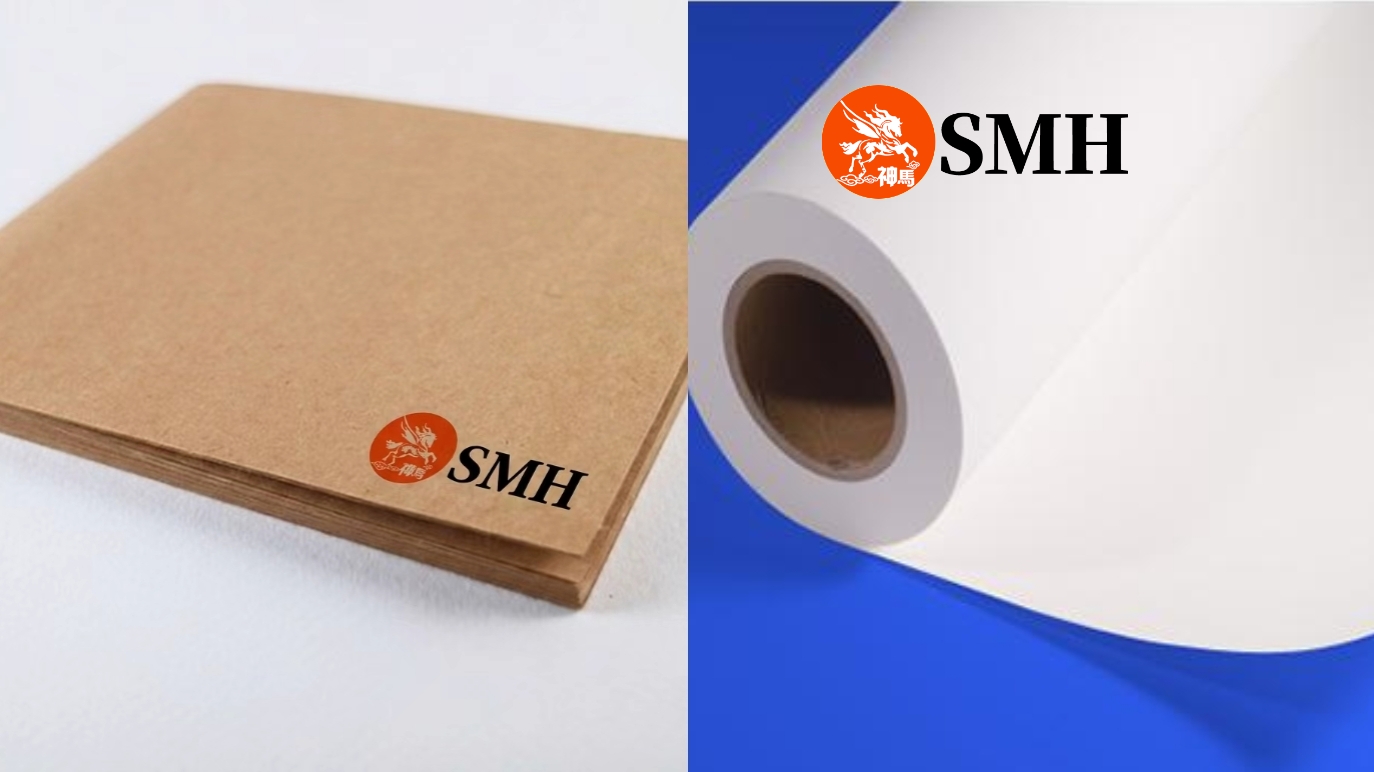

Picking a slitting machine isn’t just about max speed or web width. It’s about how well the machine handles your specific paper.
Kraft paper and coated paper behave completely differently under the knives. Use the wrong setup, and you’ll see rough edges, dust, tension wobbles, or even deformed sheets.
So let’s skip the generic advice. Here’s what you actually need to look for – based on real production experience.
First, Know Your Material
Kraft paper
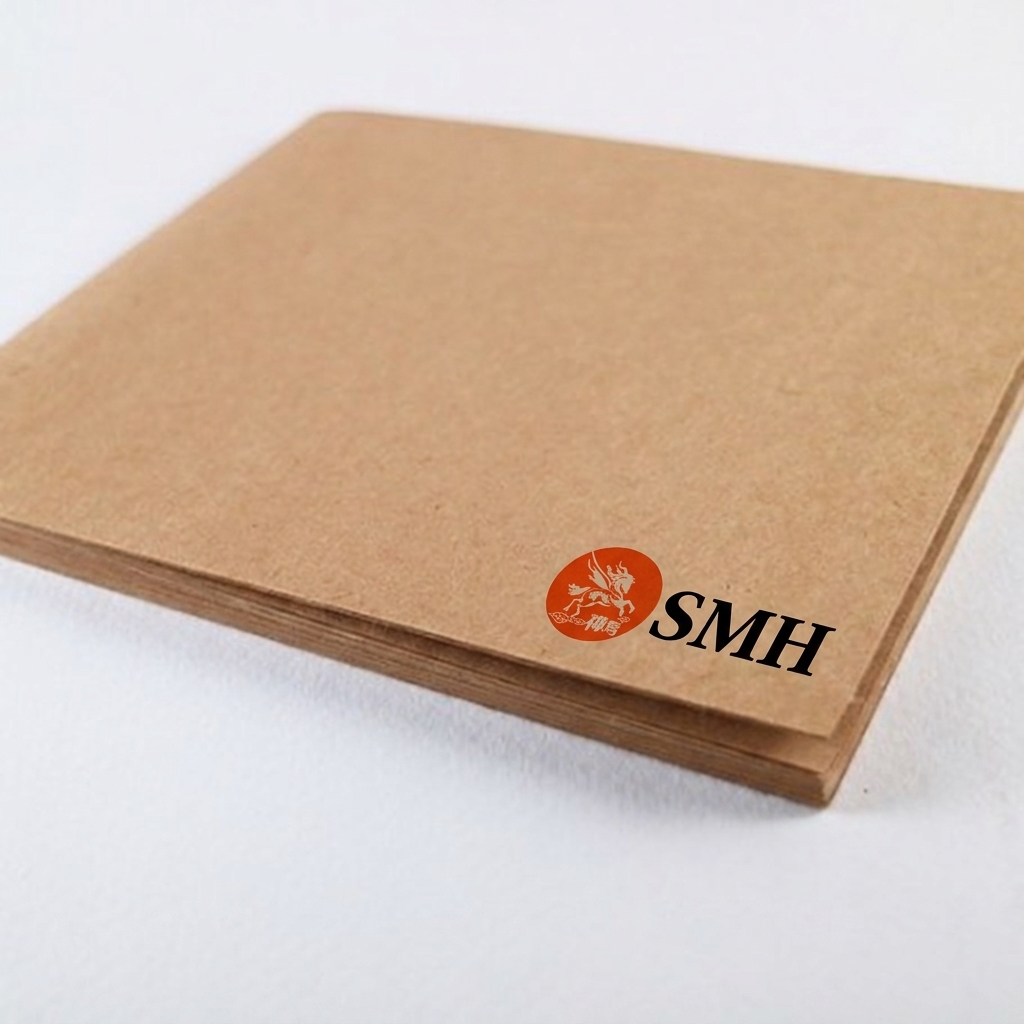
Tough, high fiber strength. But if the cutting isn’t stable, the edges tear easily. You need strong tension control and a clean, forceful cut.
Coated paper
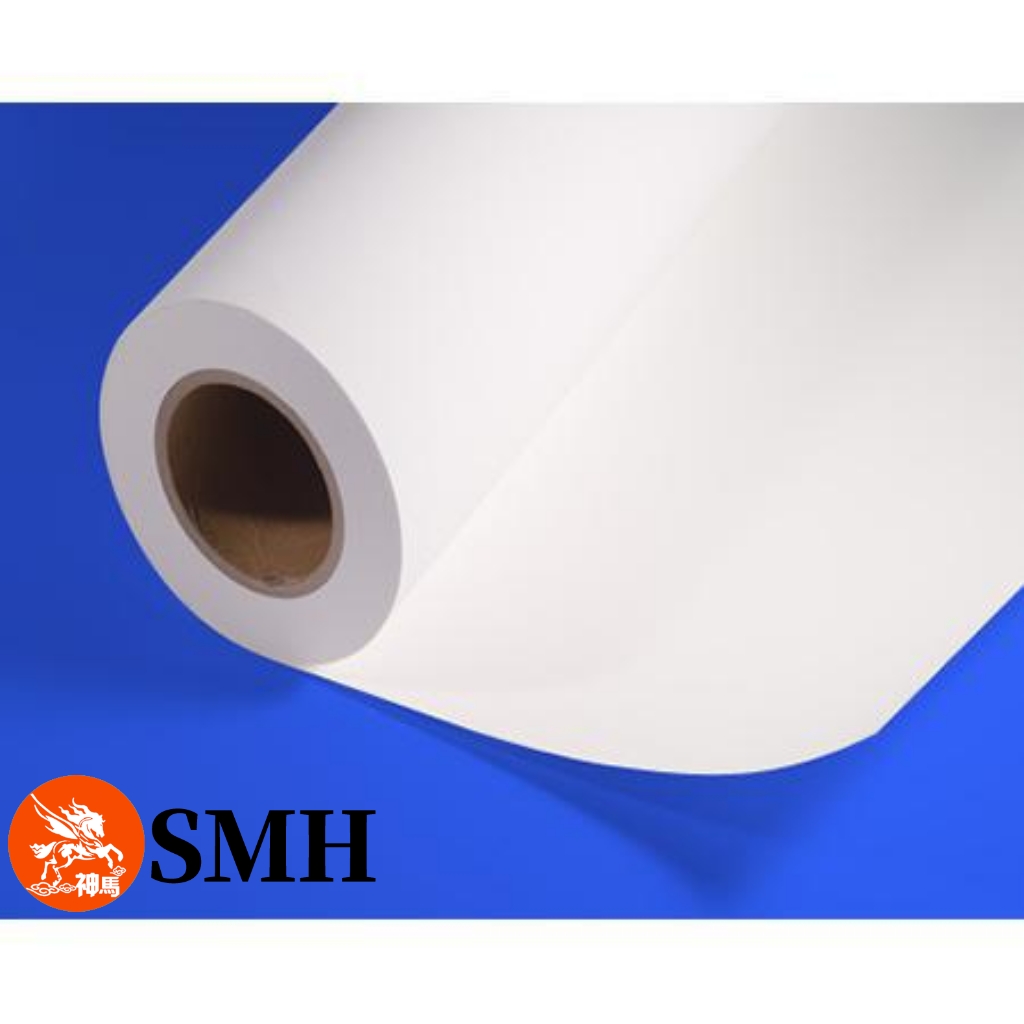
Smooth surface with a fragile coating layer. Sensitive to pressure and friction. If the cutting isn’t ultra-precise, you get dust and edge chipping.
One machine setup cannot do both perfectly. That’s just physics.
Why Standard Slitting Machines Fail on These Papers
Most conventional slitters are built for general-purpose paper. Push them with kraft or coated stock, and their weaknesses show up fast:
- Not rigid enough → vibration at high speed
- Unstable knife system → burrs and bad edges
- Poor tension control → inconsistent sheet quality
- Bad synchronization → stacking messes up
That’s why two machines with similar spec sheets can perform totally differently in your plant.
What Matters When Choosing a Slitter for Kraft or Coated Paper
Let’s go through the real critical factors – not marketing points.
1. Machine Rigidity – The Foundation
A flimsy frame will ruin your cut. You need heavy-duty construction, reinforced side frames, and good load distribution. That gives you:
- Minimal vibration
- Stable knife alignment
- Consistent cutting accuracy
This is especially critical for kraft paper – it requires higher cutting force. If the machine flexes, the edge tears.
2. Knife System – Double Rotary Knife Wins
For demanding materials, the cutting system is everything.
Compared to old single knife systems, double rotary knife systems give you:
- Continuous shear cutting (like scissors)
- Less impact force
- Smooth edges
- Stability at high speed
This type of system – used in CHM’s high-speed slitters – works great for:
- Coated paper (clean edges, minimal dust)
- High-speed production
3. Precision Tension Control
Different papers need different tension profiles.
A good slitting machine should give you:
- Stable unwinding tension
- Real-time adjustment
- Consistent web control
For coated paper, too much tension damages the surface.
For kraft paper, too little tension makes the cut unstable.
So adjustable tension isn’t a luxury – it’s a necessity.
4. Web Guiding – Don’t Ignore Alignment
At high speed, even a tiny deviation causes:
- Uneven edges
- Misaligned sheets
- More waste
A precise guiding system keeps the web straight. That means consistent sheet size and better stacking.
5. Dust Control – Especially for Coated Paper
Dust is a nightmare with coated paper. Coating breaks off, debris gets everywhere, and downstream processes get contaminated.
A well-designed slitter minimizes coating breakage and cutting debris. Clean cutting = better quality + longer maintenance intervals.
Which Type of Slitter Should You Pick?
For kraft paper
Focus on rigidity, a strong knife system, and stable tension. Heavy-duty slitting machines are the way to go.
For coated paper
Focus on precision, smooth cutting, and dust control. High-speed rotary knife systems perform much better.
If you run both materials
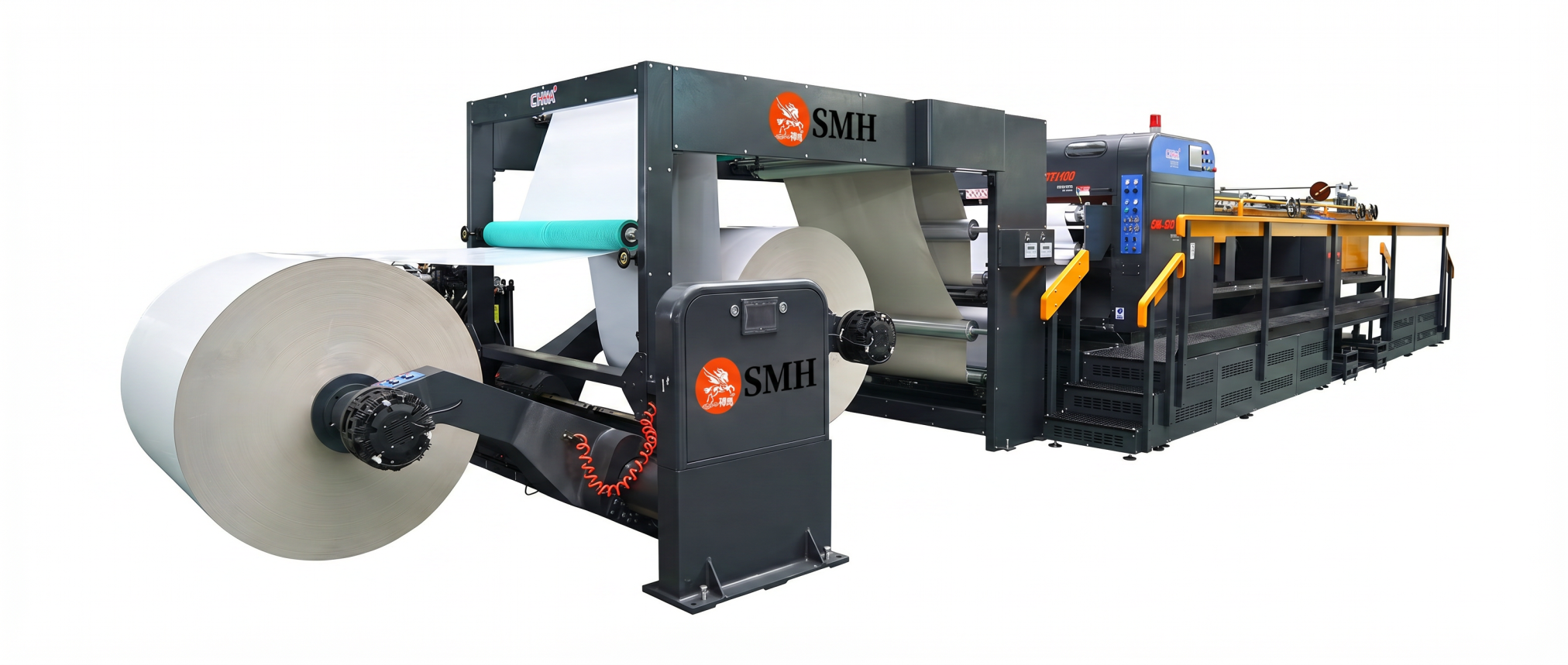
You need a flexible configuration with adjustable parameters. Modern systems (like SMH’s SGT series) are designed to handle a wide range of materials stably.
Real Production vs. Theoretical Numbers
A lot of machines claim high speeds. But actual performance depends on stability.
A good slitting machine should deliver:
- Consistent quality at your working speed
- Minimal vibration
- Reliable stacking
- Low defect rate
In real life, a stable 300 m/min is far more valuable than an unstable 500 m/min.
Bottom Line
There’s no single “best” slitting machine for everyone. The right choice depends on how well the machine matches your material and your production requirements.
For kraft paper and coated paper, don’t just look at speed. Look at:
- Structural stability
- Advanced cutting system (double rotary knife)
- Precise tension control
- Consistent real-world performance
Manufacturers who focus on these fundamentals (not just spec sheets) will actually improve your production efficiency.
If you’re running kraft paper or coated paper and struggling with quality or efficiency, SMH can help. We don’t just sell machines – we provide tailored slitting solutions based on your actual production needs.
Get a customized slitter recommendation – contact SMH. Tell us your paper type, grammage, and speed. We’ll tell you what actually works.