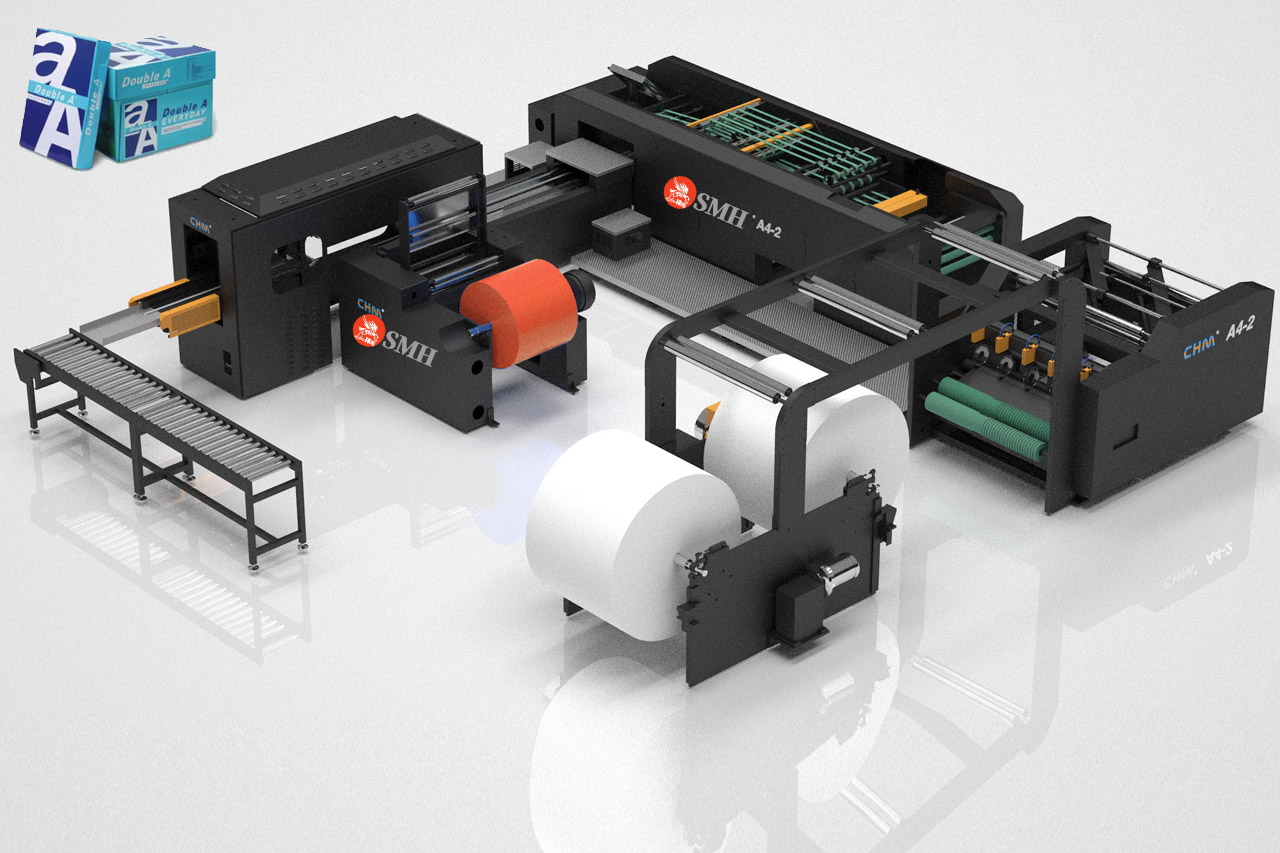
Single Knife vs Double Knife Slitting Machine: Which One Cuts Better?

If you’re buying a paper slitting machine, you’ll run into two main designs: single knife and double knife. They look similar at first. But the difference in cutting quality, dust, and long-term cost is huge.

Here’s the real-world comparison – no fluff, just what matters for production.
How They Work (In Plain English)

Single knife
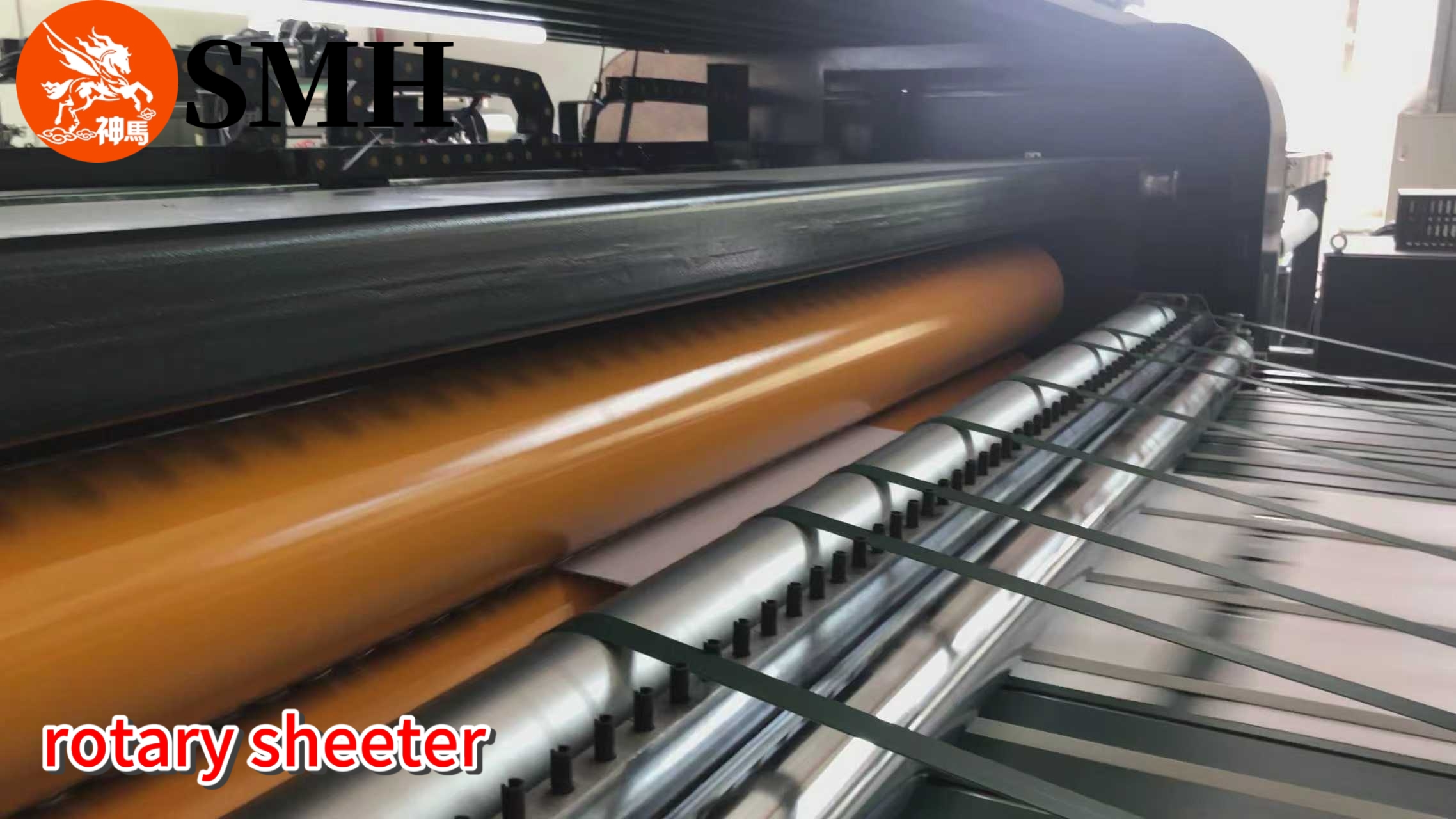
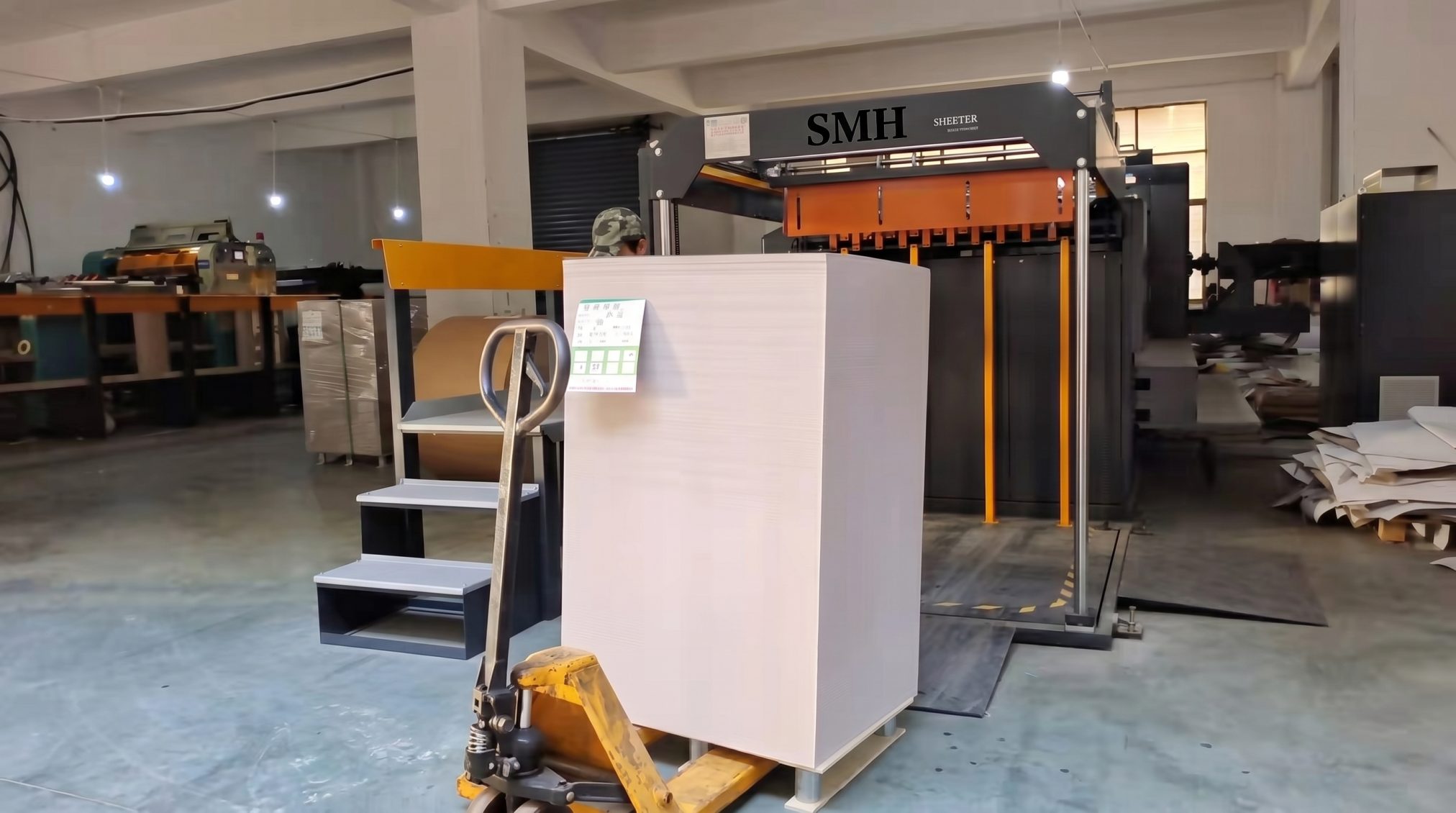
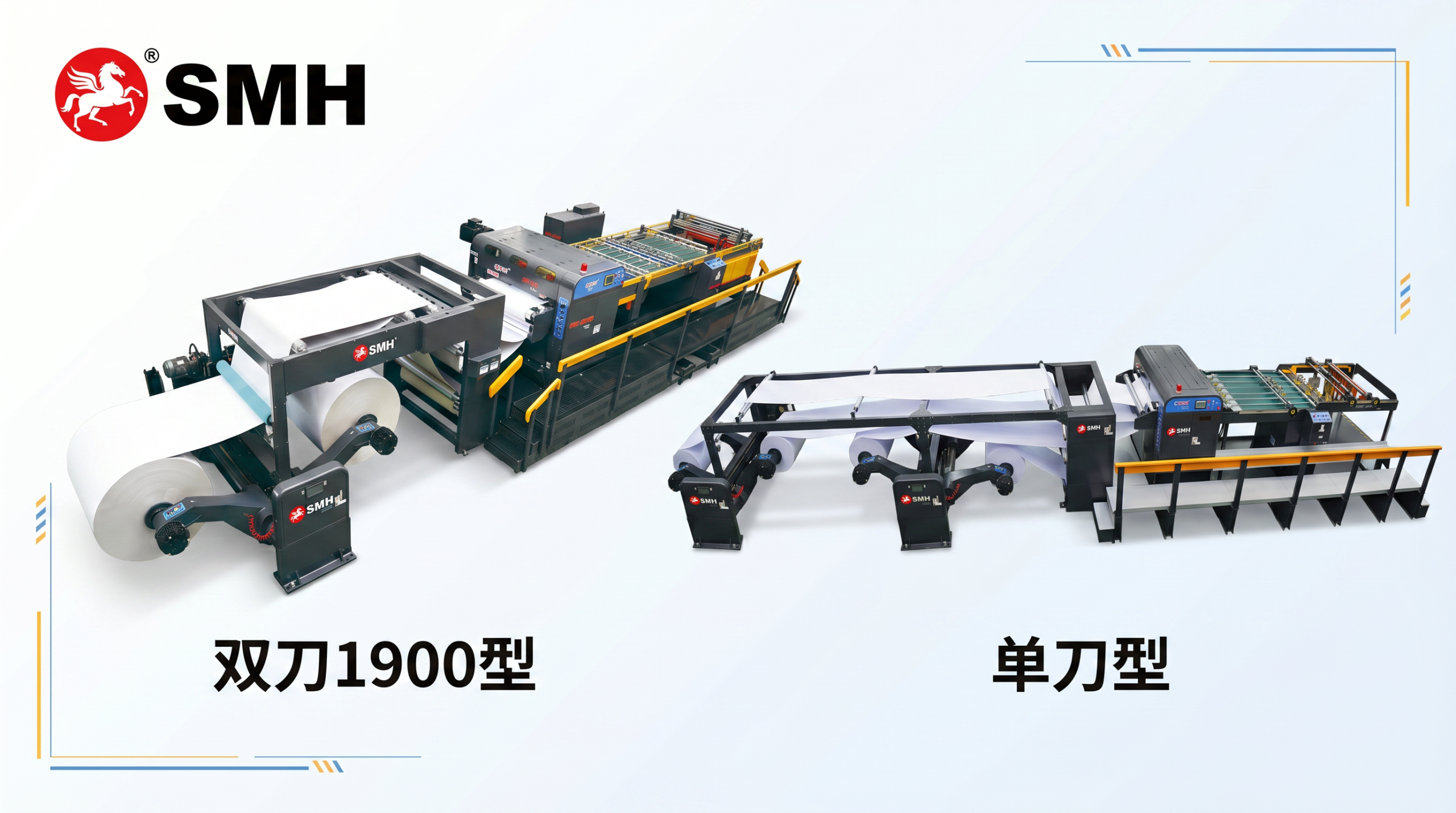
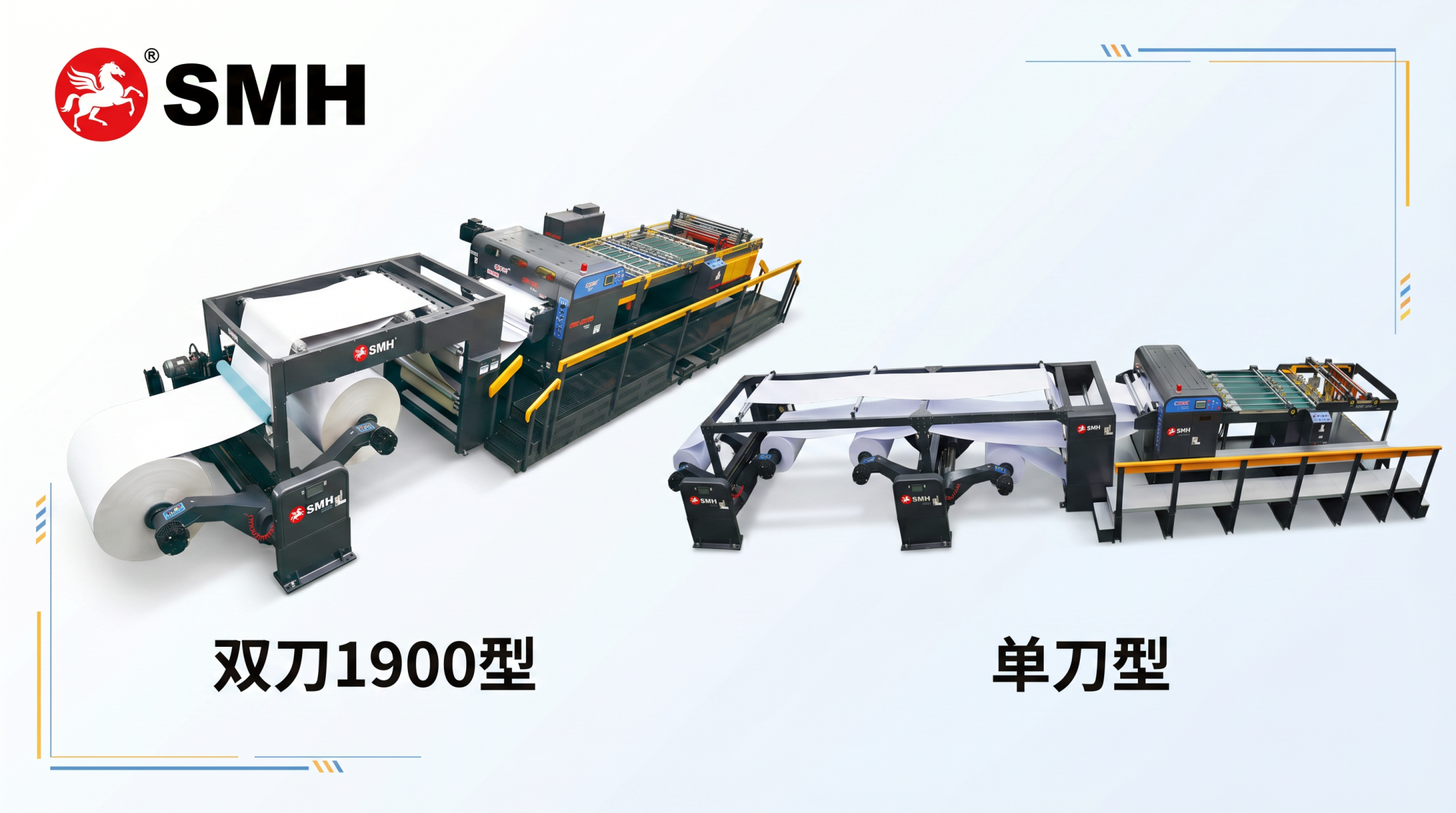
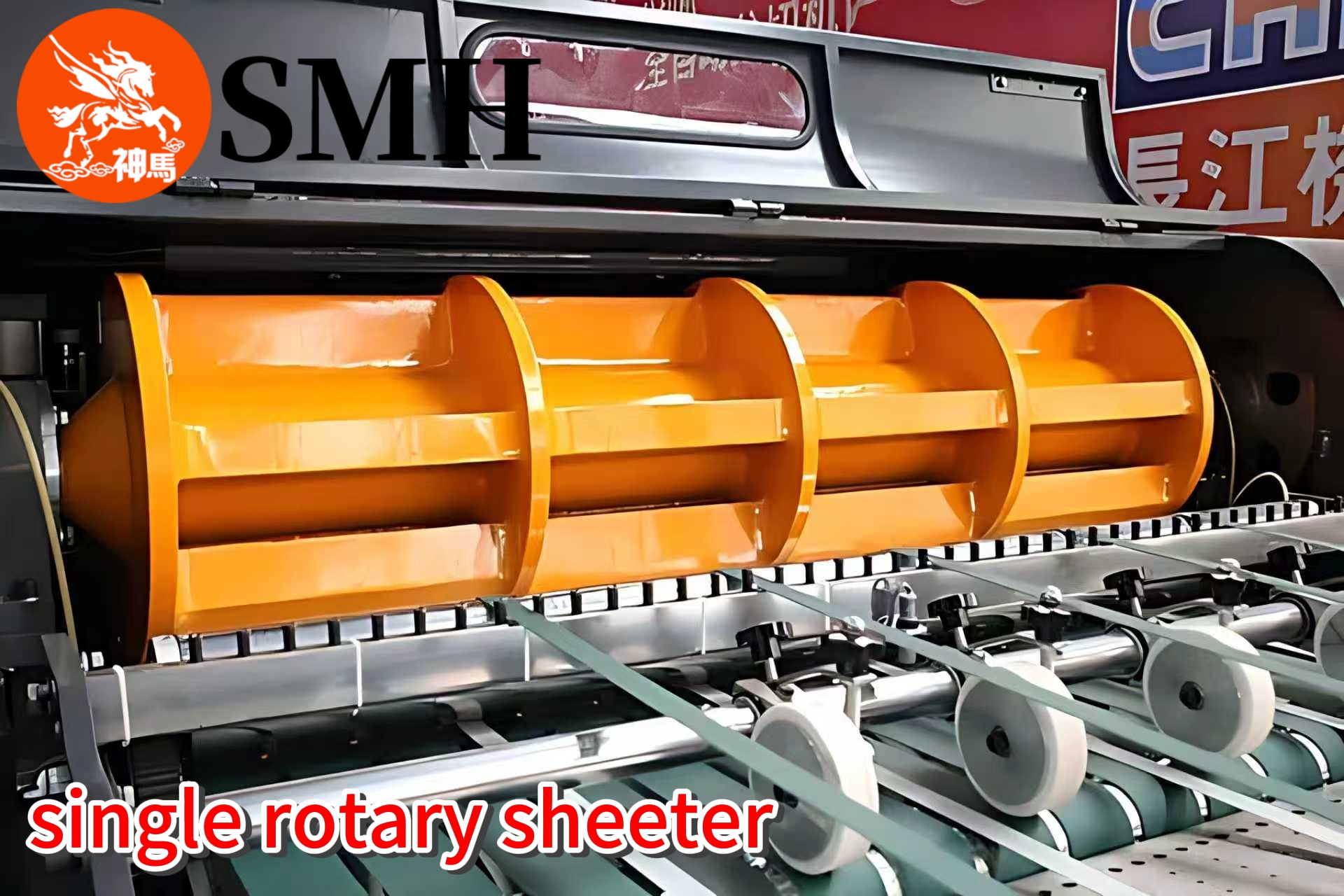
Bottom blade stays still. Top blade spins and chops the paper – kind of like a one-sided guillotine but with a little slide. The force is concentrated on a small area. It tears the fibers apart.

Adjustment? You have to tweak the diagonal angle often, especially when changing cut lengths. Typical accuracy: ±0.5 mm.

Double knife
Both top and bottom blades rotate together, with a helix angle so they mesh perfectly. It’s like using a pair of scissors – continuous shear cut. The force spreads evenly. Fibers get cut cleanly, not ripped.

Set it up once, and it stays stable for months. No constant fiddling.
Cutting Quality – Head to Head

Let’s skip the marketing talk. Here’s what actually happens on the line.

AspectSingle KnifeDouble Knife
Cut edgeRough, sloped – top and bottom edges look differentSmooth, clean, uniform cross-section
Paper dustLots of lint and dust. Not great for printingVery little dust. You can print right after slitting
Corner lossProne to corner drop at high speedAlmost no corner defects
Dimensional consistencyAverage – you may need trimming to fix edgesHigh – less waste, fewer rejects

So if you’re running coated paper or A4 copy paper that goes straight to a printer? Double knife wins easily.

What Materials Can They Handle?

Single knife

  • Paper weight: 60 – 550 gsm
  • Good for: packaging paper, standard printing paper, ordinary cultural paper
  • Best for: short cuts (within 1200 mm)
  • Who it’s for: cost-sensitive projects where perfect edge quality isn’t critical

Double knife

  • Paper weight: 150 – 1000 gsm (and surprisingly stable on thin paper down to 60–80 gsm)
  • Good for: A4 copy paper, coated paper, cardboard, premium packaging
  • Bonus: you can feed directly into printing equipment – no secondary trimming
  • Best for: high-speed, large-scale, consistent production

Production & Maintenance Reality
Single knife

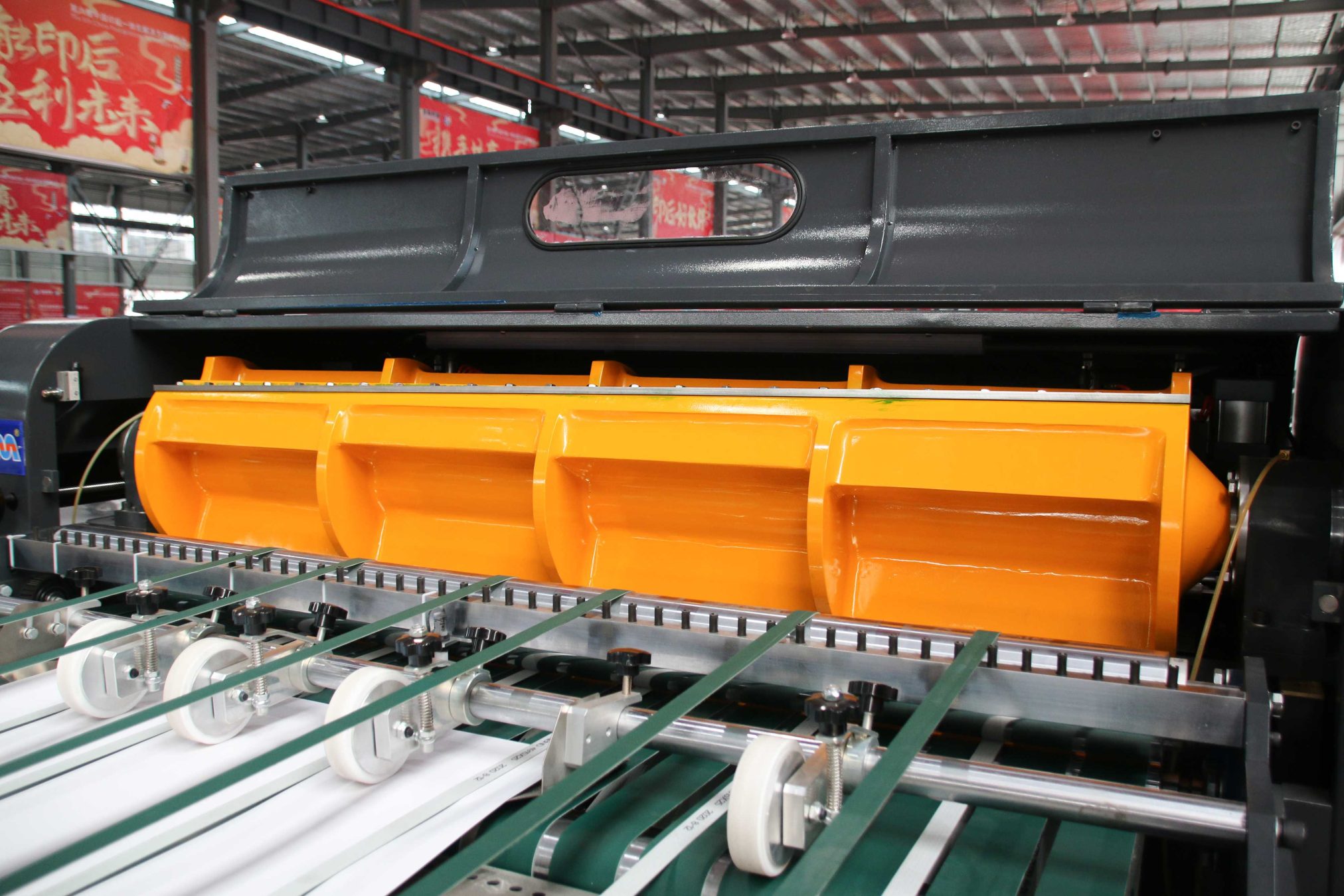
Single knife

  • Simple mechanical design → lower upfront cost
  • But you need a skilled operator to keep adjusting angles
  • Suitable for small orders, frequent changeovers, diverse batches
Double knife

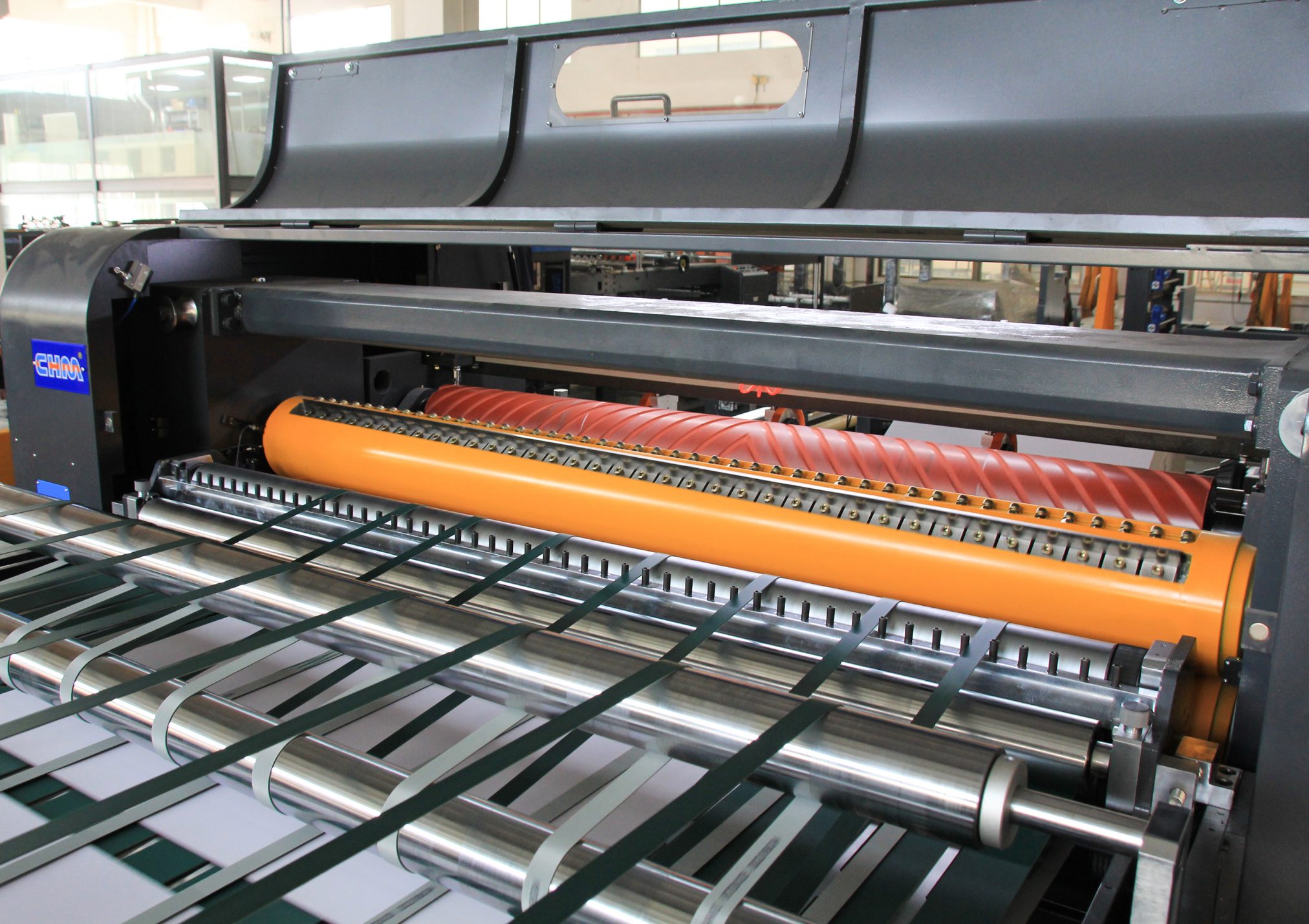
Double knife

  • More sophisticated design → higher initial investment
  • Low failure rate – the synchronized blade system just works
  • Can run at high speeds (dual-roll and four-roll configurations)
  • Less trimming waste. Over a year of continuous running, it pays for itself

So Which One Should You Buy?

Pick the single knife if:

  • Your budget is tight
  • You don’t need perfect edges (e.g., inner packaging layers)
  • You mostly run short-size, low-to-medium grammage paper
  • You have an experienced operator who can tweak settings

Pick the double knife if:

  • You want clean, dust-free edges for direct printing
  • You run heavy paper ( >150 gsm) or high-grade coated stock
  • You need consistent quality over long, high-speed runs
  • You’re okay with a higher upfront cost for lower long-term waste

Bottom Line

Single knife slitters are cheap and simple. They work – but they make dust, rougher edges, and need frequent adjustments.

Double knife slitters cost more upfront, but they give you cleaner cuts, less waste, and stable long-term operation. If your paper goes to printing or high-end converting, the double knife is worth every penny.

Still not sure? Send us your paper spec (grammage, width, speed). We’ve helped hundreds of converters choose the right slitter. No hard sell – just straight advice.

(And if you’re dealing with spring moisture or thin paper wrinkles, check out our other guides – linked below.)
April Paper Moisture Protection Guide: How to Protect Slit Paper in Spring

April Paper Moisture Protection: How to Keep Slit Paper Dry in Spring

April is tricky. Temperatures bounce up and down. Humidity climbs. And if you work with slit paper, you know – that’s when problems start.

Freshly slit edges absorb moisture way faster than the rest of the roll. You get edge waviness (some call it “lotus leaf edge”), mold spots, and paper that won’t stay flat. Then downstream printing or packaging goes sideways, and you lose material.

We’re a slitter manufacturer (SMH). We’ve seen this happen every spring. Here’s what actually works to protect slit paper in spring – no fluff, just practical steps.

First, Lock Down Your Storage

You can slit perfectly, but if storage is bad, the paper will still go bad.

1. Keep warehouse humidity at 50–60%
That’s the sweet spot for paper. Get dehumidifiers if you can. Use fans to keep air moving. Toss desiccants near paper stacks – cheap and effective.

Important – don’t store slit paper next to stuff like salt, fertilizers, soap, cement, or chemicals. Those materials release or attract moisture, and your paper will soak it up.

2. Get it off the ground
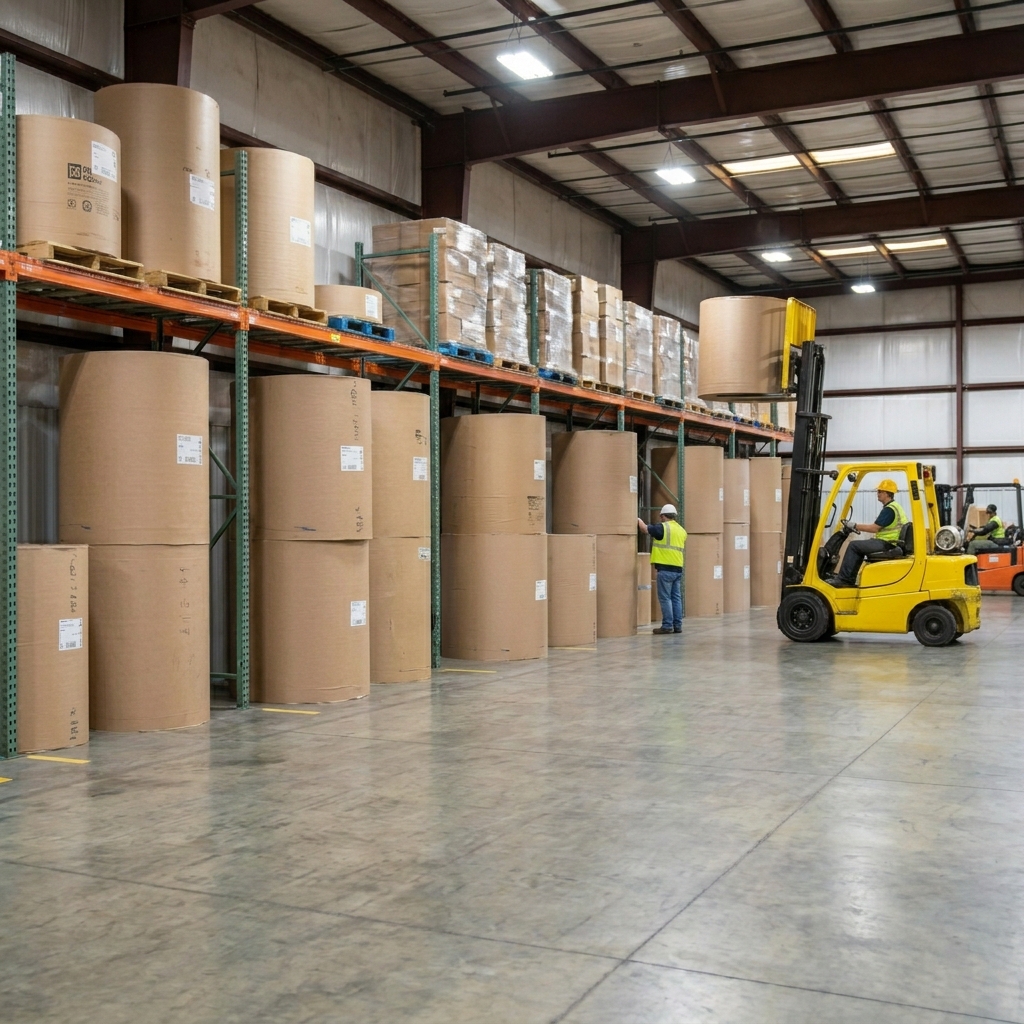
Never put slit paper directly on a concrete floor. Use pallets – good ones, not broken. Keep at least 10 cm (4 inches) clearance above the floor. Also make sure air can flow under and around the pallet. Wet floors happen. Don’t let your paper touch them.

3. Wrap it tight with stretch film
Stretch film is your cheap moisture shield. Wrap the whole stack – paper and pallet together. No gaps, no loose spots. If you use part of a roll, rewrap immediately. Exposed edges are where humidity attacks first.

4. Give it breathing room
Don’t push pallets against walls. Spring walls collect condensation. Leave space between stacks so air circulates. On dry or sunny days, open the warehouse to vent out humidity.

What to Do During Production (When Paper Is Most Exposed)

Once you open a wrapped roll, the clock starts. In April’s humid air, you have to move fast.

Three simple rules:

  • Wrap right after slitting. Don’t leave fresh slit paper sitting out “just for a minute.” That minute turns into an hour.
  • If you open a package and don’t use it all, reseal it. Stretch film again. Don’t be lazy.
  • On rainy days, double protect. Wrap unused paper with film and cover it with a protective board. Overkill? Maybe. But it works.

Don’t Store Slit Paper Too Long – Even With Good Protection

Spring accelerates paper aging. Coated paper yellows and dusts. Newsprint gets brittle. Packaging paper loses strength. Cartonboard grows mold.

So follow FIFO – first in, first out. Use the oldest rolls first. Don’t let slit paper sit for months. It’s not worth the risk.

What Happens When You Get It Right

No edge waviness. No mold. Flat, stable paper that feeds into your printing or converting line without drama. Less waste, fewer customer complaints.

And you don’t need expensive equipment – just discipline and a few cheap tools (dehumidifiers, pallets, stretch film).

Bottom Line

Moisture protection for slit paper isn’t rocket science. Control the warehouse humidity. Keep paper off the floor. Wrap it tight. Use it quickly. That’s 90% of the battle.

If you run a slitter in a humid environment and want equipment designed for clean, stable cuts – SMH makes them. But even with any slitter, these steps will save your spring production.

Got a specific moisture problem? Drop us a line. We’ve probably solved it before.

Why Profitability in the Paper Trading Business Is Declining

Over the past few years, many paper traders have noticed the same pattern: sales volume may be stable or even growing, but margins are getting thinner. In some cases, despite higher turnover, actual profit is lower than before. This isn’t an isolated issue—it reflects structural changes across the paper supply chain.

1. Price Transparency Is Eliminating Traditional Margins
In the past, traders could rely on information gaps between mills and end users. Today, pricing is far more transparent. Buyers can compare offers from multiple suppliers within minutes. As a result, price competition has intensified, and the room for markup has narrowed significantly. For many traders, business has shifted from margin-driven to volume-driven—often without the operational scale to support it.

2. Rising Cost Pressure Across the Supply Chain
Freight, storage, and financing costs have all increased. At the same time, mills are adjusting pricing more frequently due to raw material fluctuations. This creates a situation where traders carry higher risk: inventory purchased at one price may need to be sold at a lower market rate. The traditional buffer between purchase and resale is no longer reliable.

3. Inventory Is Turning Into a Financial Burden
Holding stock used to be a competitive advantage. Now it often creates pressure on cash flow. Slow-moving grades, mismatched specifications, or sudden shifts in demand can lock up capital for months. In a low-margin environment, even small inefficiencies in inventory turnover can erase profit.

4. Customer Expectations Are Increasing
End users are no longer satisfied with just “paper supply.” They expect:

consistent quality

precise sizes

fast delivery

flexible order quantities

Traders who only supply jumbo rolls or standard sheets are finding it harder to meet these expectations. When customers demand customization, those without processing capability lose competitiveness.

5. Outsourcing Processing Is Eroding Profit
Many traders rely on third parties for cutting or converting. While this reduces upfront investment, it introduces new problems:

unstable quality

longer lead times

additional cost layers

In many cases, the profit margin is effectively shared—or lost—through outsourcing.

6. Competition Is Increasing, but Differentiation Is Weak
More players are entering the market, including traders, converters, and even mills selling directly. Without a clear differentiator, most traders compete on price alone. This is the fastest way to lose margin.

Where Is the Way Forward?

The shift we’re seeing is clear:
the industry is moving from pure trading → value-added processing.

Instead of only reselling paper, more companies are:

converting jumbo rolls into finished sizes

producing A4 copy paper

offering customized cutting services

integrating automated packaging

This doesn’t just improve margins—it also:

reduces inventory ris

shortens delivery time

strengthens customer relationships

In practical terms, it means moving closer to the end product, where value—and profit—are higher.

Conclusion

Declining profitability in paper trading is not a temporary fluctuation. It is the result of structural changes in pricing, competition, and customer demand. Companies that continue to operate purely as intermediaries will face increasing pressure.

Those that adapt—by adding processing capability and improving operational efficiency—are in a much stronger position to protect margins and grow sustainably.

CTA

If you are evaluating how to upgrade your paper business from trading to processing, SMH can support you with practical solutions based on real production scenarios.

Download a complete solution for paper converting and A4 production

Contact SMH to discuss a tailored equipment configuration for your operation

SMH Machinery Comprehensive Investigation

SMH Machinery Comprehensive Investigation (30 Years of Practical Sales Experience Perspective)

cutting machine
I have been working as a salesperson at Changjiang Machinery for 30 years, starting from the grassroots level to taking charge of regions. I have a thorough understanding of SMH’s background. This investigation is not superficial; it is all based on the real situations I have gathered from the front line. There are no empty words, only solid and practical content. Whether it is selling equipment or coordinating with customers, this document is enough.
Let’s start with the background of Changjiang Machinery SMH. It is not a newly established small factory, nor is it a high-end brand. It is a real and reliable old enterprise in the domestic paper machinery industry. The core is to produce equipment related to papermaking, such as paper production lines, cutting machines, rewinding machines, and complete sets of equipment for post-processing of paper products. The main target is to supply small and medium-sized paper mills, packaging factories, and paper product processing factories.


During my 30 years of work, I have witnessed SMH’s development from a single model to now having a complete chain of R&D, manufacturing, sales, and after-sales services. The core advantage is its down-to-earth nature. The working conditions of small and medium-sized factories in our country are exactly what it understands best – without the need for fancy functions, it just seeks stability, durability, and ease of operation. When something goes wrong, it can be quickly repaired without delaying production. SMH has precisely hit this point, so over the years, its reputation has been very stable, and the customer retention rate is particularly high. Most of the customers introduce new customers through referrals.
Now let’s talk about the core products. I will mainly focus on the models that we often promote and that customers most approve of. The less popular models will not be elaborated on.
The first one is the paper production main equipment, such as production lines for cultural paper, packaging paper, and household paper, as well as toilet paper machines, tissue machines, rewinding machines, and cutting machines. To be honest, these models do not have particularly stunning features, but they are mature and robust. I have visited many customers, and the feedback is mostly the same: when operating continuously for ten days or half a month without shutting down, the failure rate is very low. Even if there are minor issues, the workers in the factory can handle them themselves without needing to hire technicians. This is extremely important for small and medium-sized factories – they are most afraid of equipment shutdowns, as it leads to losses in production.
The second one is post-processing and supporting equipment, such as paper rope machines, paper tape machines,捆扎 equipment, cross-cutting machines, and rewinding and splitting integrated machines. These precisely match our business of making paper ropes and packaging consumables. When I run sales, I often bundle these equipment with our consumables for promotion. When customers purchase equipment, they directly order consumables at the same time, which is convenient and cost-effective, and the closing rate can be significantly increased.
There is also a differentiation advantage, which is my core focus when promoting: First, batch production with guaranteed delivery time. When customers order equipment, they don’t have to wait for one or two months; most of the time, it can be delivered within half a month to one month. This is much more reliable than many small factories. Second, universal parts. No matter in which city, you can easily find a mechanical parts store to purchase SMH equipment parts. Unlike some brands, parts can only be sent from the manufacturer, which is expensive and slow. Third, customization. For example, if the customer has special paper product specifications, the factory can modify the model according to the requirements without the customer having to make additional modifications themselves. Finally, the price. It is more than half cheaper than imported equipment, and the operation and maintenance costs are also lower. Small and medium-sized factories can all afford it.
Let’s talk about the market positioning and competition situation. This is very crucial and directly relates to how we find customers and promote sales. The target customers of Changjiang Machinery are those small and medium-sized paper mills, packaging printing factories, and enterprises engaged in post-processing of paper products, including some packaging consumables producers that export packaging. They need matching equipment for their export packaging, and Changjiang Machinery’s equipment has a high cost-performance ratio, which is very appealing to them.
Compared with competing brands, I have summarized three points when talking to customers: This is the most straightforward: Compared with imported equipment, our prices are cheaper, and the response to after-sales service is faster. When the imported equipment breaks down, technicians need to wait for several days before arriving. SMH can arrive on the same day or the next day, whether in the local area or in the surrounding cities. Compared with those small factories with inferior quality, our products have stable quality and the equipment can be used for five or even more years. The equipment of small factories may have major problems after only one or two years of use, and repairing them would not be cost-effective. Our core strength lies in the mature processes we have accumulated over the years, which allow us to reduce production costs through mass production. Coupled with local after-sales services, customers can trust us.
Here are the core selling points of my 30-year sales summary. There are no flowery words, but all are the points that customers care about. When promoting sales, just say these and the hit rate will be the highest:
First, stable. This is what customers value most. The equipment can run continuously and stably, reducing downtime, and for each additional day of production, the customer earns an additional day’s profit. Especially for paper product processing, a day of downtime can cause significant losses.
Second, cost-saving. The procurement cost is low, much cheaper than imported equipment, and small factories can afford it. Energy consumption is low, unlike some equipment, which consumes an excessive amount of electricity. Components are cost-effective and easy to purchase, and there is no need to spend a lot on maintenance later.
Third, fast. The delivery time is fast, not delaying the expansion or technological transformation of the customer. Installation and commissioning are fast, technicians come to install, and it can be completed in a few days. Workers can start working quickly, without the need for long training.
Fourth, comprehensive. For paper ropes and packaging consumables, we can perfectly match SMH’s post-processing equipment, presenting a one-stop solution. Customers don’t have to look for equipment suppliers and consumable suppliers separately, which is convenient and we can also earn more money.
Fifth, service. Over the years, SMH’s after-sales network has been well established. No matter where the customer is, if there is a problem, a call from the after-sales service team will arrive immediately, not delaying production. This is also the key reason why old customers are willing to come back and recommend new customers.
Finally, based on our business, I will give you several practical implementation suggestions. They are all verified during my sales trips and are easy to use:
First, focus on promoting SMH’s slitting machines and paper rope equipment, combining them with our paper rope consumables for bundled sales. When customers purchase the equipment, we offer discounts on consumables, which can not only increase the sales rate of the equipment but also drive the sales of consumables.
Second, for packaging factories in overseas markets, promote the overall solution of “equipment + consumables”, highlighting our supply chain advantages and the high cost-effectiveness of SMH equipment, solving the problem for customers of having to find both equipment and consumables.
Third, when communicating with customers, emphasize SMH’s 30-year brand heritage and tell them our own real customer cases. For example, a certain customer used SMH’s equipment and it ran stably for several years without any major problems. Using real cases to impress the customer is more effective than using any more professional terms.
Overall, SMH is not a perfect brand, but it is definitely a good helper for us to serve small customers and the market with cost-effectiveness. As long as we find the right customers and have the right sales promotion ideas, making money with it is not difficult.