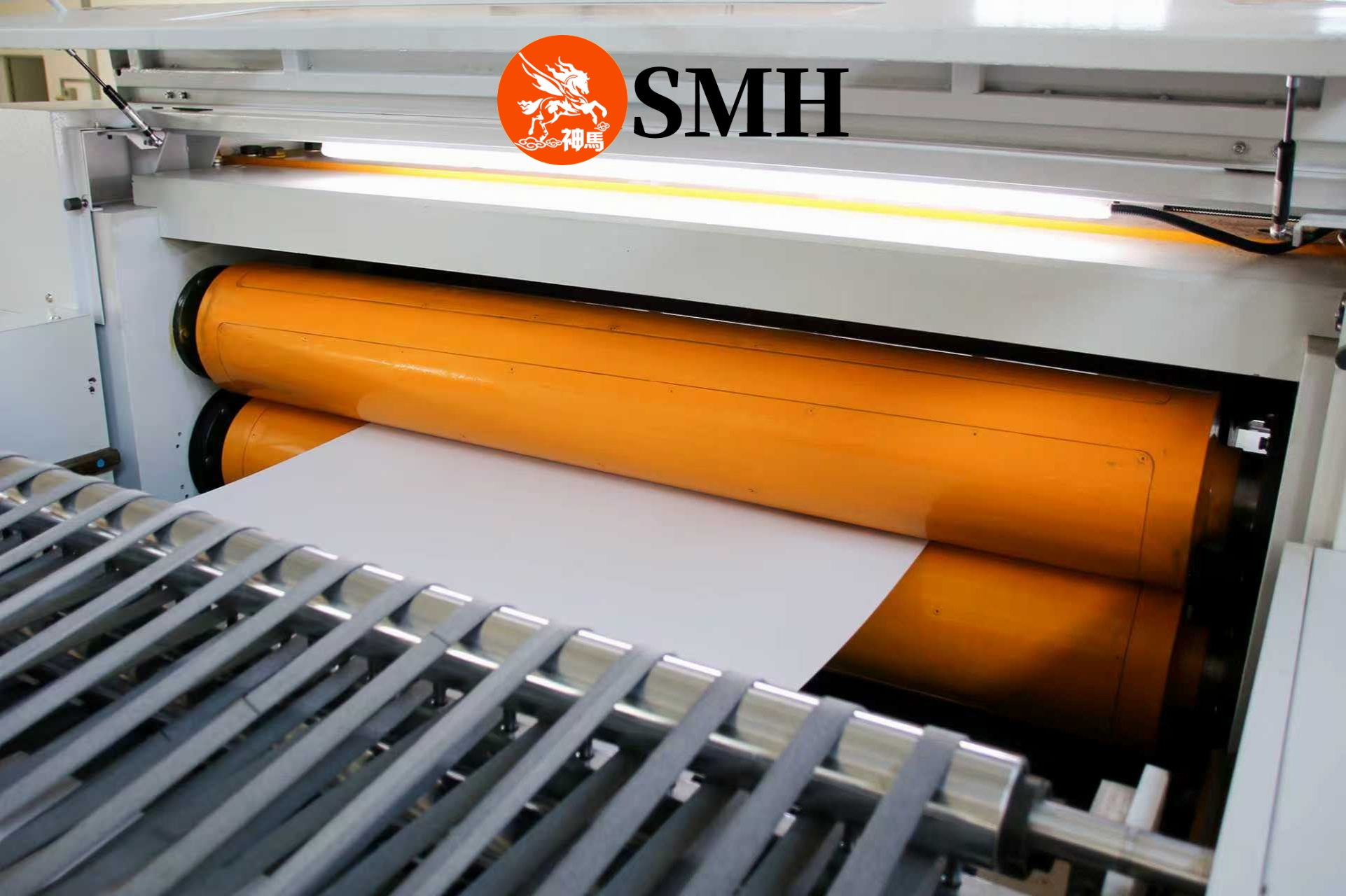
Why Can’t Your High-Speed Sheeter Actually Run at High Speed?

Many paper mills and converters have faced the same situation:
the machine is rated at 400–600 m/min, but in real production, it can only run steadily at 250–350 m/min.

Once the speed goes up, problems start to appear—
vibration increases, noise becomes harsh, paper edges deteriorate, and stacking turns unstable.

This is not a motor issue.
In most cases, it comes down to one thing: machine structure and dynamic stability.

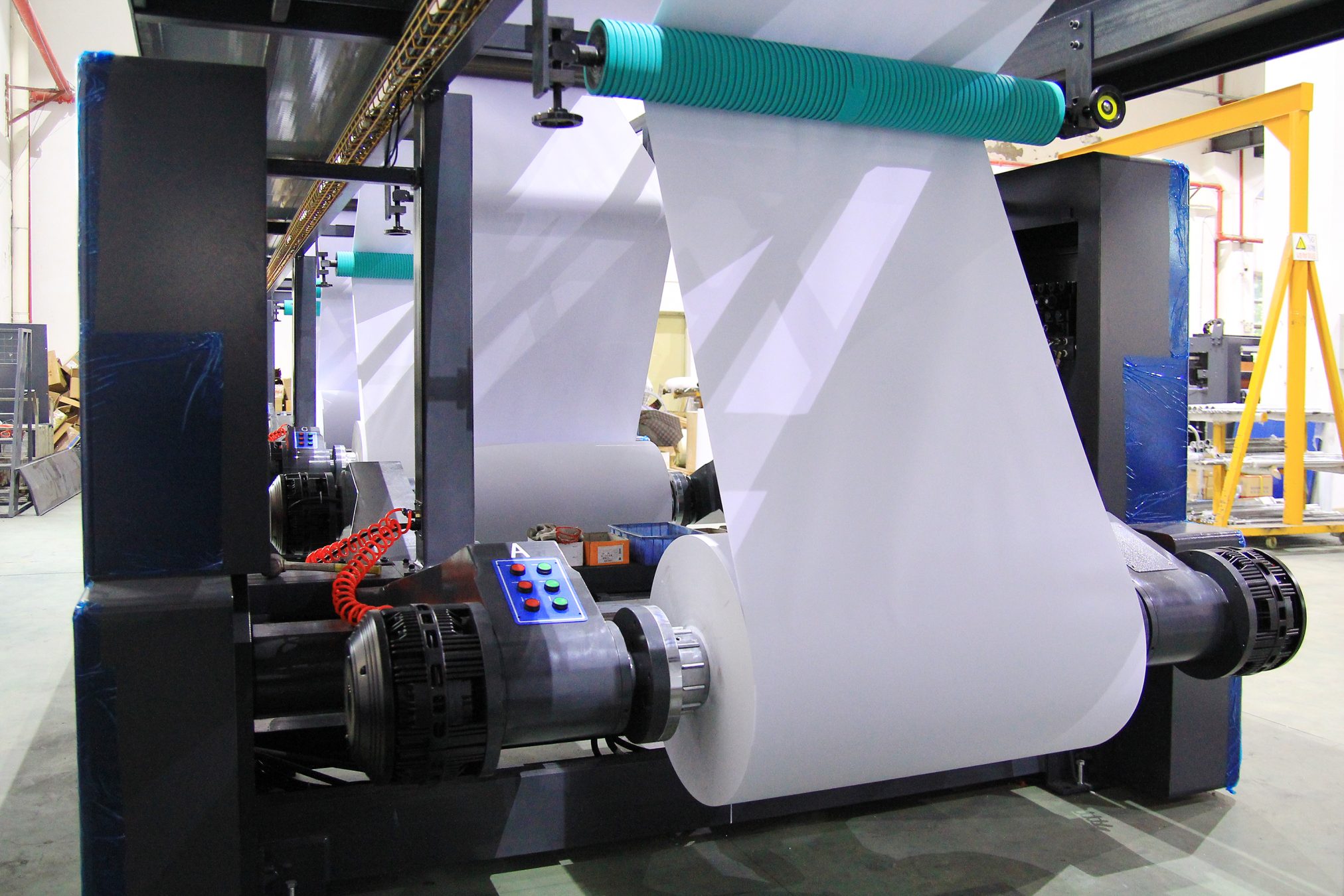
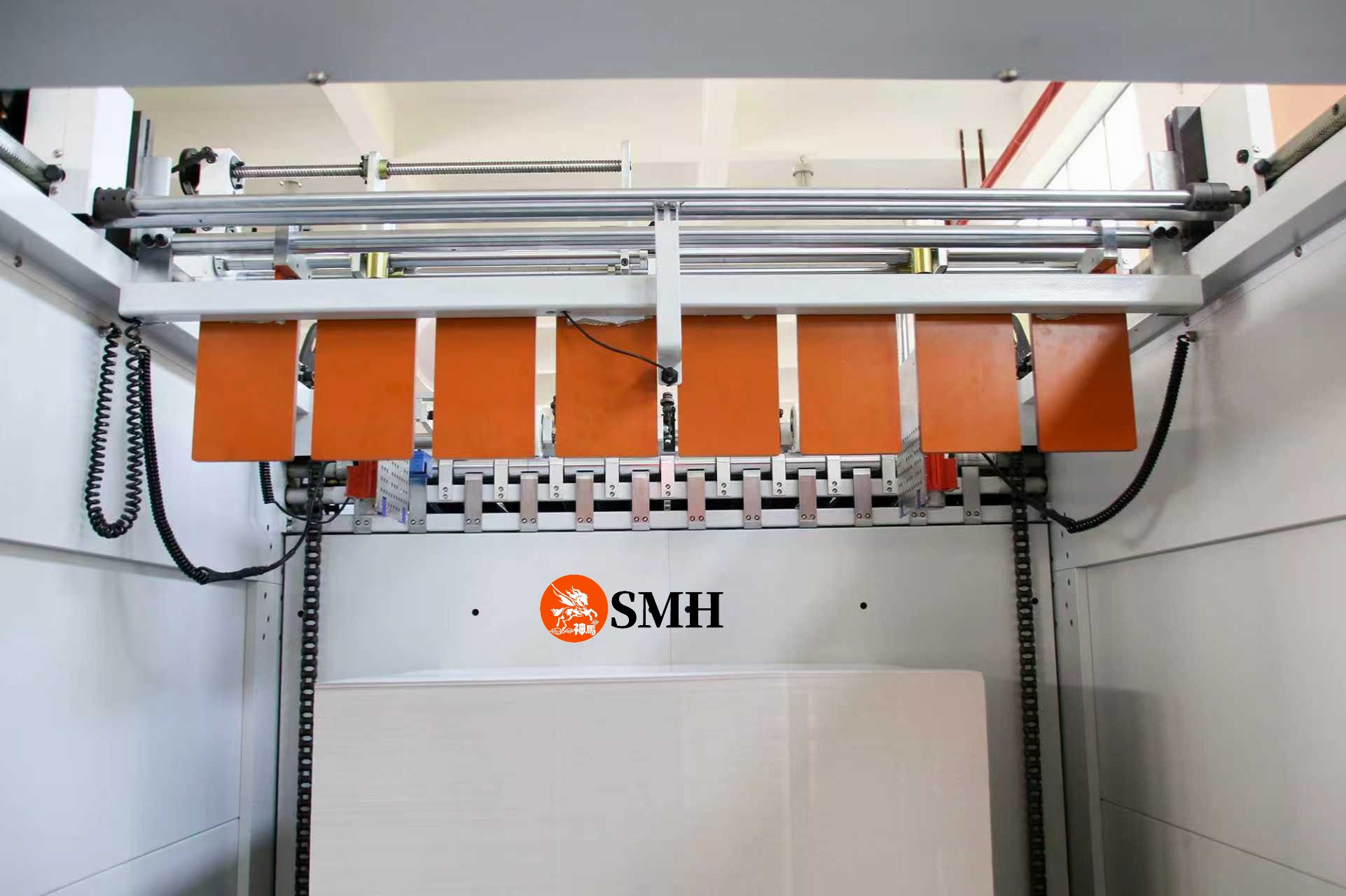
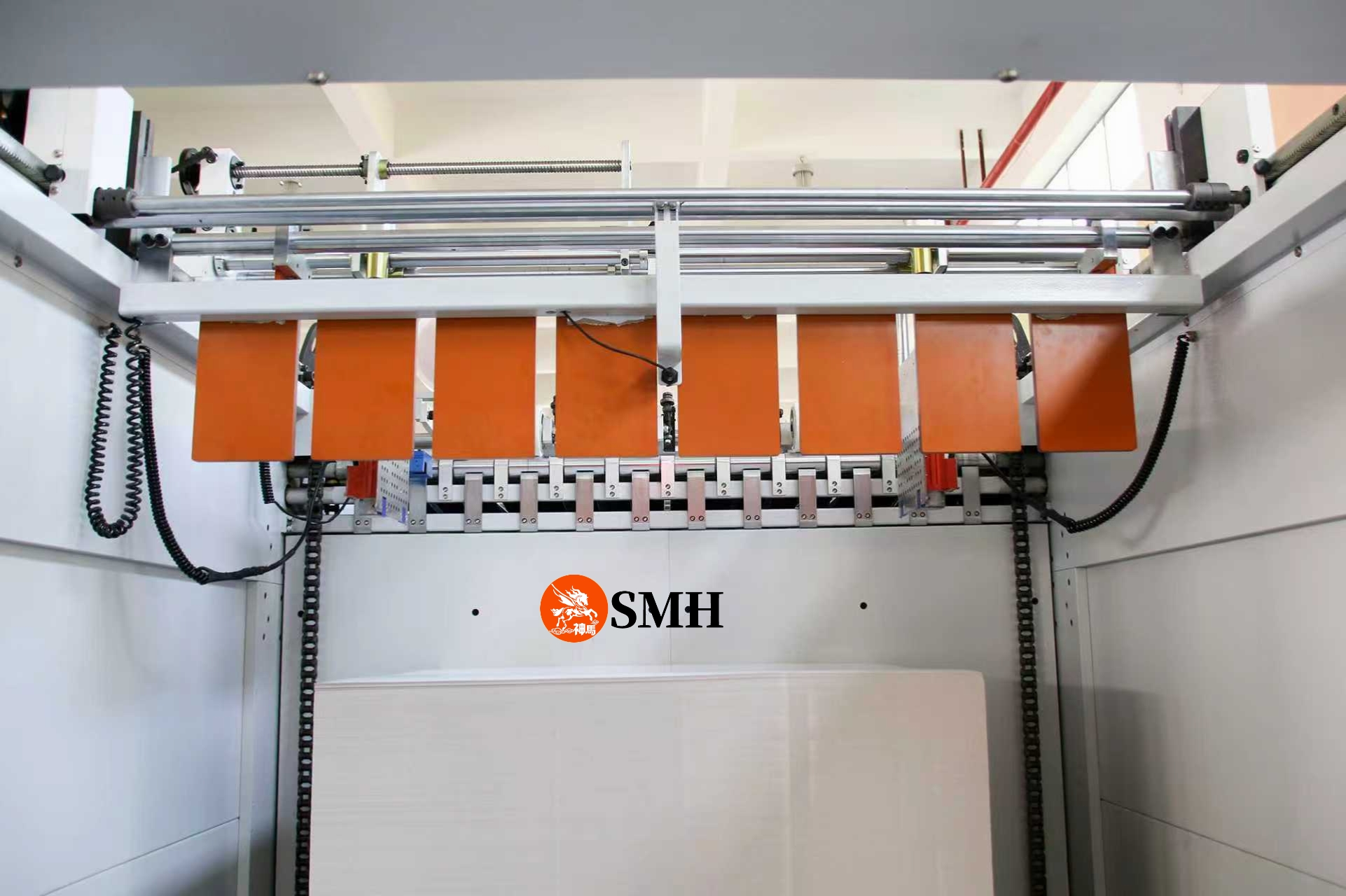
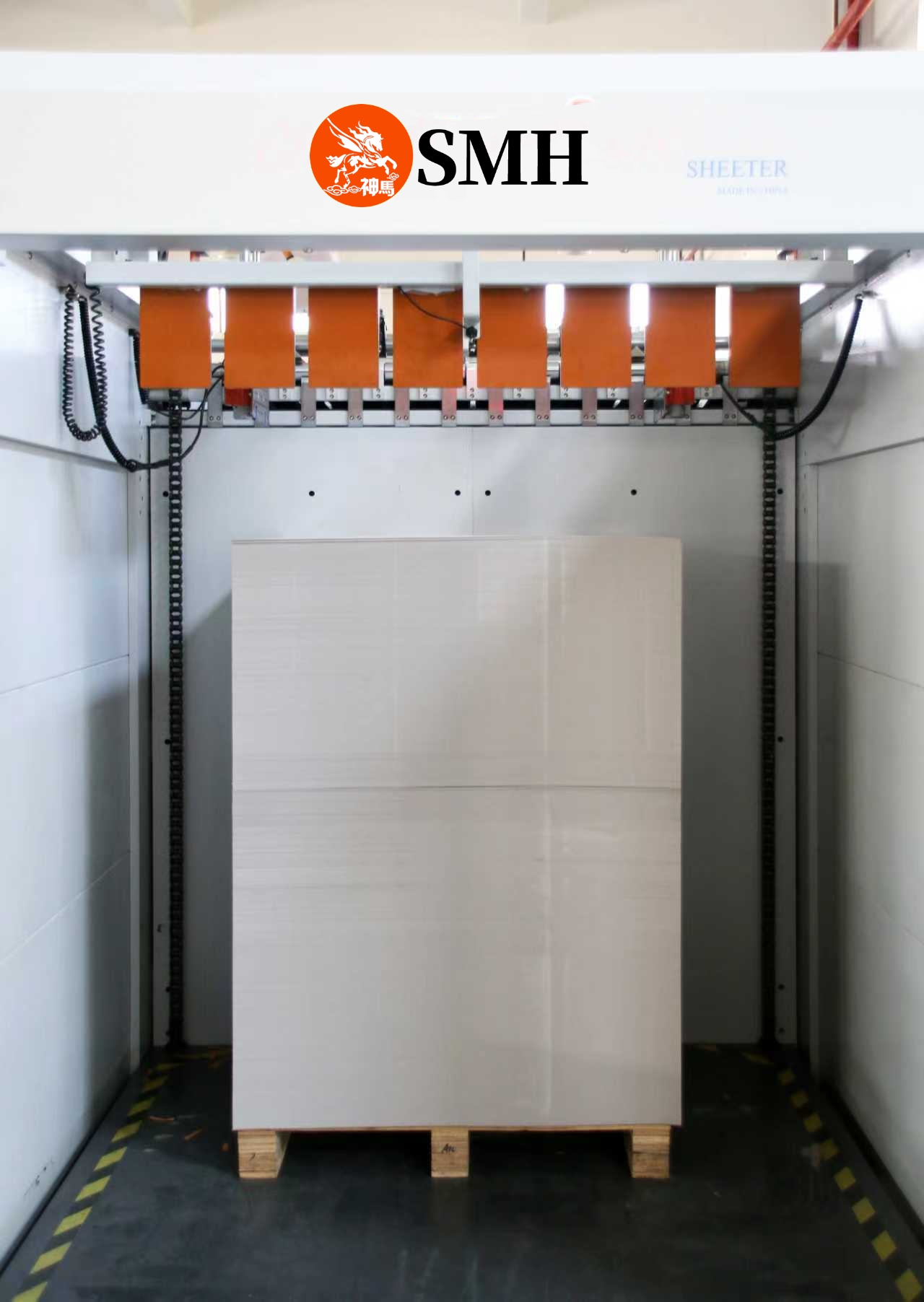
SMH-SGT1400H/1700H double rotary sheeter

1. Rigidity – The Real Foundation

At high speed, sheeting involves constant tension changes, impact loads, and rotating inertia. If the frame lacks rigidity, even small deformation affects knife alignment, cutting precision, and sheet consistency.

A rigid structure – reinforced side frames and optimized load-bearing design – keeps the cutting system stable at high speed. That’s why SMH heavy-duty sheeters use thicker wall plates and reinforced frames, not just bigger motors.

2. Dynamic Balance – Stability Is Not Static

As the jumbo roll diameter decreases, web tension changes, rotational inertia shifts, and the center of gravity moves. If the machine isn’t balanced, you get:

  • Vibration amplification
  • Unstable cutting length
  • Inconsistent stacking

A well-designed sheeter integrates optimized weight distribution, a stable base, and synchronized drives. In SMH double rotary knife systems, dynamic balance comes from synchronized cutting and continuous motion control, reducing impact forces and improving stability.

3. Cutting System – Where Speed Meets Precision

The cutter is the most sensitive part. At higher speeds:

  • Any knife misalignment gets magnified
  • Vibration directly causes edge defects
  • Impact force jumps

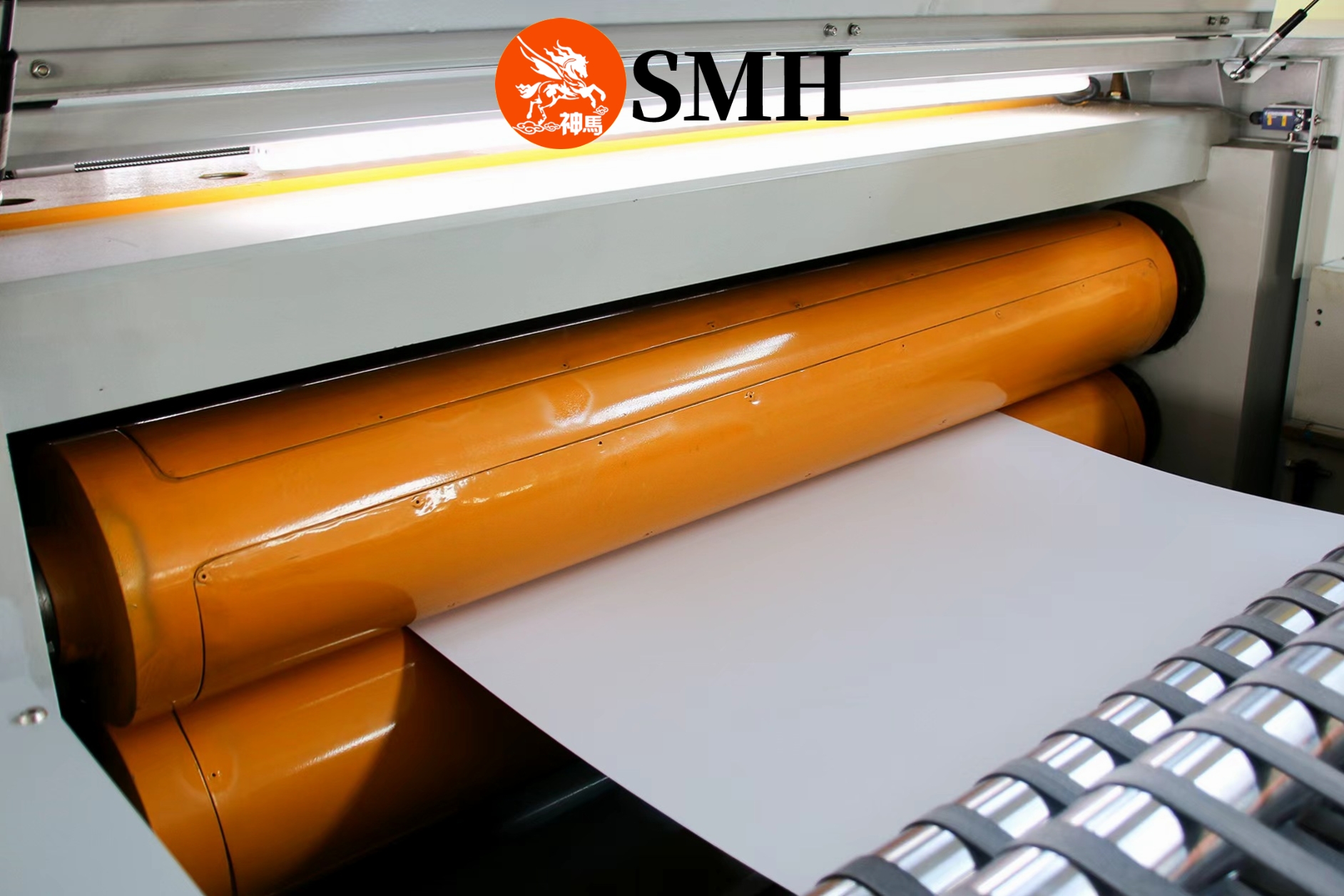
Traditional single knife systems often struggle. Double rotary knife systems (like SMH uses) offer continuous rotary cutting instead of intermittent impact – less vibration, cleaner edges, better high-speed consistency. That’s why machines with the same speed rating can perform so differently.

4. How to Spot “Fake High-Speed” Machines

Three practical checks:

  • Machine weight – For the same width, a heavier machine usually means better rigidity.
  • Vibration at speed – Excessive shaking on the frame or cutter area? Poor damping and weak structure.
  • Sound quality – A stable machine runs smooth and quiet. Sharp noises or irregular impact sounds mean trouble.

Bottom Line

Speed alone means nothing without stability. A machine that only hits its rated speed during testing – but must slow down in real production – doesn’t deliver real productivity.

True efficiency comes from stable high-speed operation, consistent cutting quality, and minimal downtime. That’s why leading manufacturers focus on rigidity, dynamic balance, and advanced cutting systems, not just speed numbers.

Need a stable high-speed sheeter?

If you’re evaluating a new machine or facing stability issues on your current line, SMH can provide practical solutions based on real operating conditions.

Contact SMH for a customized sheeting solution that actually runs at rated speed – without the drama.

April Paper Moisture Protection Guide: How to Protect Slit Paper in Spring

April Paper Moisture Protection: How to Keep Slit Paper Dry in Spring

April is tricky. Temperatures bounce up and down. Humidity climbs. And if you work with slit paper, you know – that’s when problems start.

Freshly slit edges absorb moisture way faster than the rest of the roll. You get edge waviness (some call it “lotus leaf edge”), mold spots, and paper that won’t stay flat. Then downstream printing or packaging goes sideways, and you lose material.

We’re a slitter manufacturer (SMH). We’ve seen this happen every spring. Here’s what actually works to protect slit paper in spring – no fluff, just practical steps.

First, Lock Down Your Storage

You can slit perfectly, but if storage is bad, the paper will still go bad.

1. Keep warehouse humidity at 50–60%
That’s the sweet spot for paper. Get dehumidifiers if you can. Use fans to keep air moving. Toss desiccants near paper stacks – cheap and effective.

Important – don’t store slit paper next to stuff like salt, fertilizers, soap, cement, or chemicals. Those materials release or attract moisture, and your paper will soak it up.

2. Get it off the ground
Never put slit paper directly on a concrete floor. Use pallets – good ones, not broken. Keep at least 10 cm (4 inches) clearance above the floor. Also make sure air can flow under and around the pallet. Wet floors happen. Don’t let your paper touch them.

3. Wrap it tight with stretch film
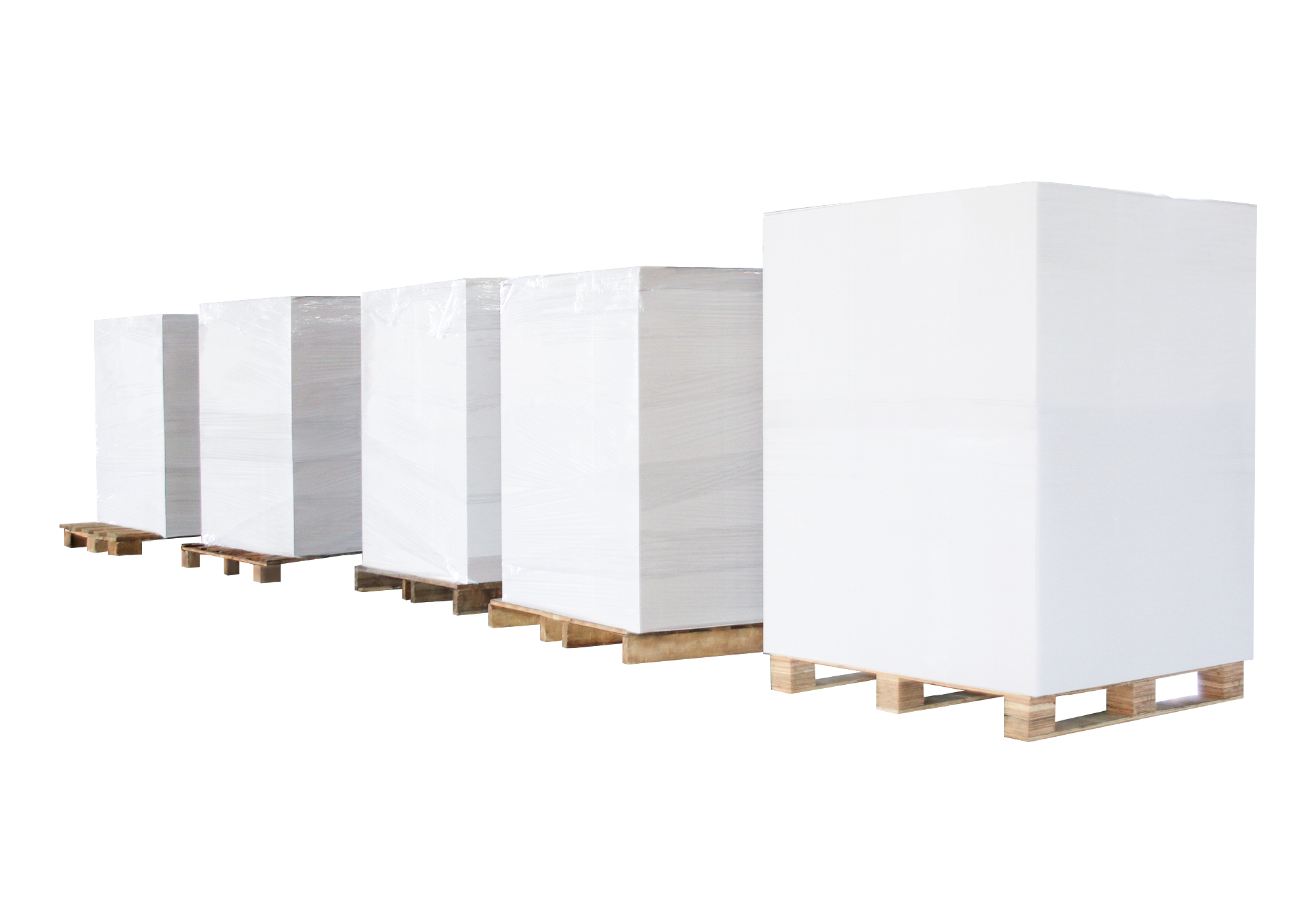
Stretch film is your cheap moisture shield. Wrap the whole stack – paper and pallet together. No gaps, no loose spots. If you use part of a roll, rewrap immediately. Exposed edges are where humidity attacks first.

4. Give it breathing room
Don’t push pallets against walls. Spring walls collect condensation. Leave space between stacks so air circulates. On dry or sunny days, open the warehouse to vent out humidity.

What to Do During Production (When Paper Is Most Exposed)

Once you open a wrapped roll, the clock starts. In April’s humid air, you have to move fast.

Three simple rules:

  • Wrap right after slitting. Don’t leave fresh slit paper sitting out “just for a minute.” That minute turns into an hour.
  • If you open a package and don’t use it all, reseal it. Stretch film again. Don’t be lazy.
  • On rainy days, double protect. Wrap unused paper with film and cover it with a protective board. Overkill? Maybe. But it works.

Don’t Store Slit Paper Too Long – Even With Good Protection

Spring accelerates paper aging. Coated paper yellows and dusts. Newsprint gets brittle. Packaging paper loses strength. Cartonboard grows mold.

So follow FIFO – first in, first out. Use the oldest rolls first. Don’t let slit paper sit for months. It’s not worth the risk.

What Happens When You Get It Right

No edge waviness. No mold. Flat, stable paper that feeds into your printing or converting line without drama. Less waste, fewer customer complaints.

And you don’t need expensive equipment – just discipline and a few cheap tools (dehumidifiers, pallets, stretch film).

Bottom Line

Moisture protection for slit paper isn’t rocket science. Control the warehouse humidity. Keep paper off the floor. Wrap it tight. Use it quickly. That’s 90% of the battle.

If you run a slitter in a humid environment and want equipment designed for clean, stable cuts – SMH makes them. But even with any slitter, these steps will save your spring production.

Got a specific moisture problem? Drop us a line. We’ve probably solved it before.

Why Profitability in the Paper Trading Business Is Declining

Over the past few years, many paper traders have noticed the same pattern: sales volume may be stable or even growing, but margins are getting thinner. In some cases, despite higher turnover, actual profit is lower than before. This isn’t an isolated issue—it reflects structural changes across the paper supply chain.

1. Price Transparency Is Eliminating Traditional Margins
In the past, traders could rely on information gaps between mills and end users. Today, pricing is far more transparent. Buyers can compare offers from multiple suppliers within minutes. As a result, price competition has intensified, and the room for markup has narrowed significantly. For many traders, business has shifted from margin-driven to volume-driven—often without the operational scale to support it.

2. Rising Cost Pressure Across the Supply Chain
Freight, storage, and financing costs have all increased. At the same time, mills are adjusting pricing more frequently due to raw material fluctuations. This creates a situation where traders carry higher risk: inventory purchased at one price may need to be sold at a lower market rate. The traditional buffer between purchase and resale is no longer reliable.

3. Inventory Is Turning Into a Financial Burden
Holding stock used to be a competitive advantage. Now it often creates pressure on cash flow. Slow-moving grades, mismatched specifications, or sudden shifts in demand can lock up capital for months. In a low-margin environment, even small inefficiencies in inventory turnover can erase profit.

4. Customer Expectations Are Increasing
End users are no longer satisfied with just “paper supply.” They expect:

consistent quality

precise sizes

fast delivery

flexible order quantities

Traders who only supply jumbo rolls or standard sheets are finding it harder to meet these expectations. When customers demand customization, those without processing capability lose competitiveness.

5. Outsourcing Processing Is Eroding Profit
Many traders rely on third parties for cutting or converting. While this reduces upfront investment, it introduces new problems:

unstable quality

longer lead times

additional cost layers

In many cases, the profit margin is effectively shared—or lost—through outsourcing.

6. Competition Is Increasing, but Differentiation Is Weak
More players are entering the market, including traders, converters, and even mills selling directly. Without a clear differentiator, most traders compete on price alone. This is the fastest way to lose margin.

Where Is the Way Forward?

The shift we’re seeing is clear:
the industry is moving from pure trading → value-added processing.

Instead of only reselling paper, more companies are:

converting jumbo rolls into finished sizes

producing A4 copy paper

offering customized cutting services

integrating automated packaging

This doesn’t just improve margins—it also:

reduces inventory ris

shortens delivery time

strengthens customer relationships

In practical terms, it means moving closer to the end product, where value—and profit—are higher.

Conclusion

Declining profitability in paper trading is not a temporary fluctuation. It is the result of structural changes in pricing, competition, and customer demand. Companies that continue to operate purely as intermediaries will face increasing pressure.

Those that adapt—by adding processing capability and improving operational efficiency—are in a much stronger position to protect margins and grow sustainably.

CTA

If you are evaluating how to upgrade your paper business from trading to processing, SMH can support you with practical solutions based on real production scenarios.

Download a complete solution for paper converting and A4 production

Contact SMH to discuss a tailored equipment configuration for your operation

SMH's machines have been put into production in the paper trade in Dubai. The equipment began to be produced for the customer.
SMH A4/A3 paper machines in the paper trade in Dubai.
SMH's machines have been put into production in the paper trade in Dubai. The equipment began to be produced for the customer.
SMH’s machines have been put into production in the paper trade in Dubai. The equipment began to be produced for the customer.

The paper trade is a huge business. A good machine can provide better service to customers.