
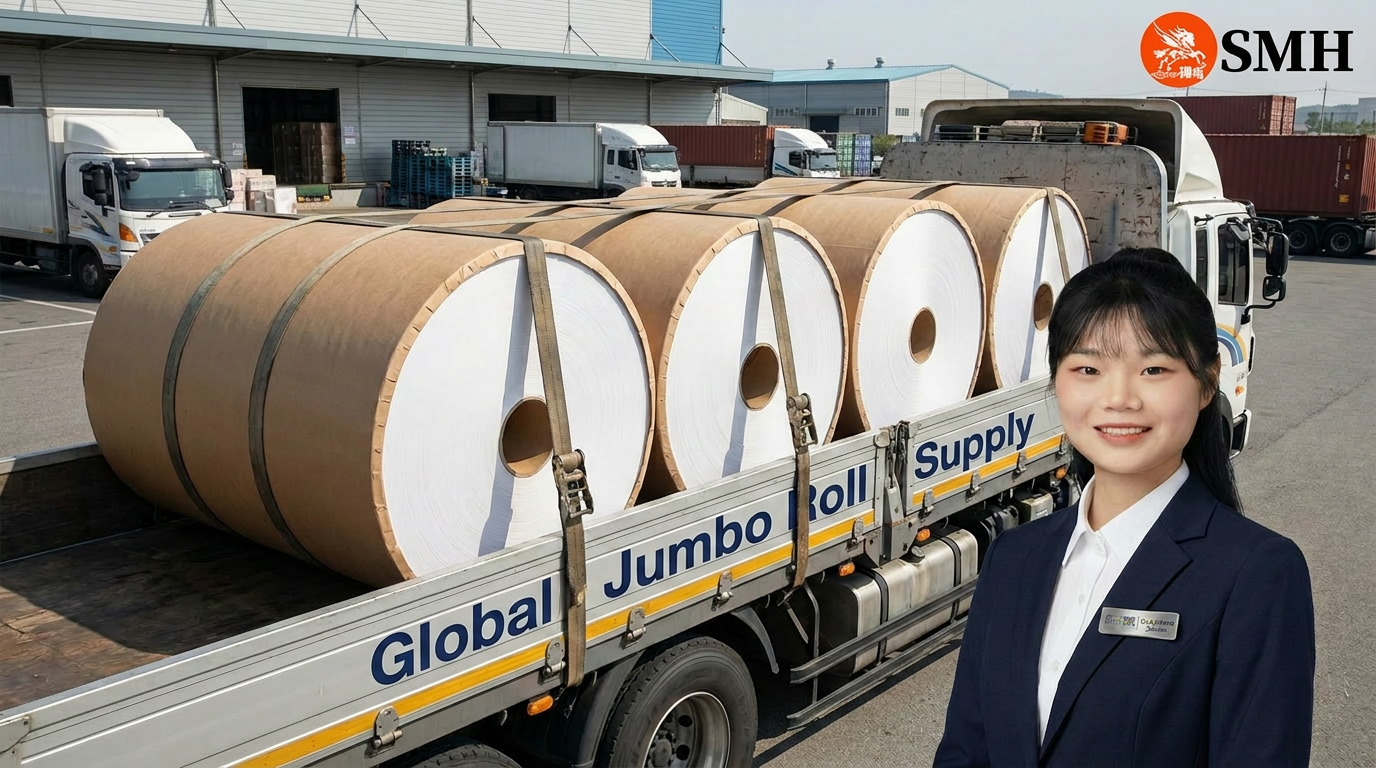

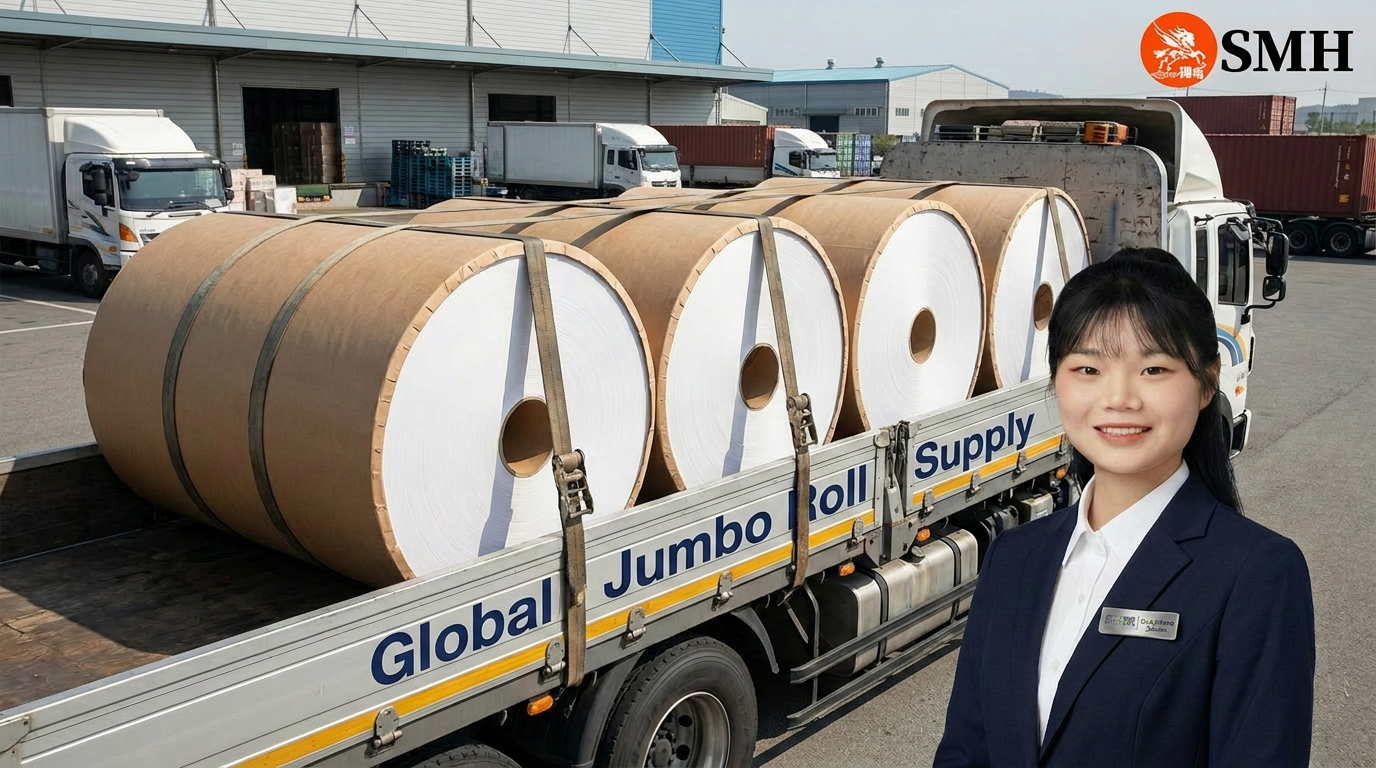
Why Paper Trading Profit Is Declining — And Why Converting Is the Next Step
Margins in paper trading are getting tighter.
For many businesses, this isn’t temporary—it’s structural.
Volumes may still be there. But profit is under pressure.
What’s Changing
The old advantage in trading—price gaps—is disappearing.
Buyers compare prices instantly. Mills sell more directly. Competition is global.
At the same time, costs are rising:
- freight and storage are higher
- cash is tied up in inventory
- paper prices change more frequently
Holding stock is no longer an advantage. Slow turnover and mismatched specs create pressure instead of flexibility.

Where the Problem Shows Up
Customer expectations have changed.
They want:
- consistent quality
- precise sizes
- fast delivery
Pure trading struggles to meet this.
Many companies turn to outsourcing for cutting and packing. But this creates new issues—longer lead times, inconsistent quality, and additional cost layers.
Margins don’t just shrink. They get split.
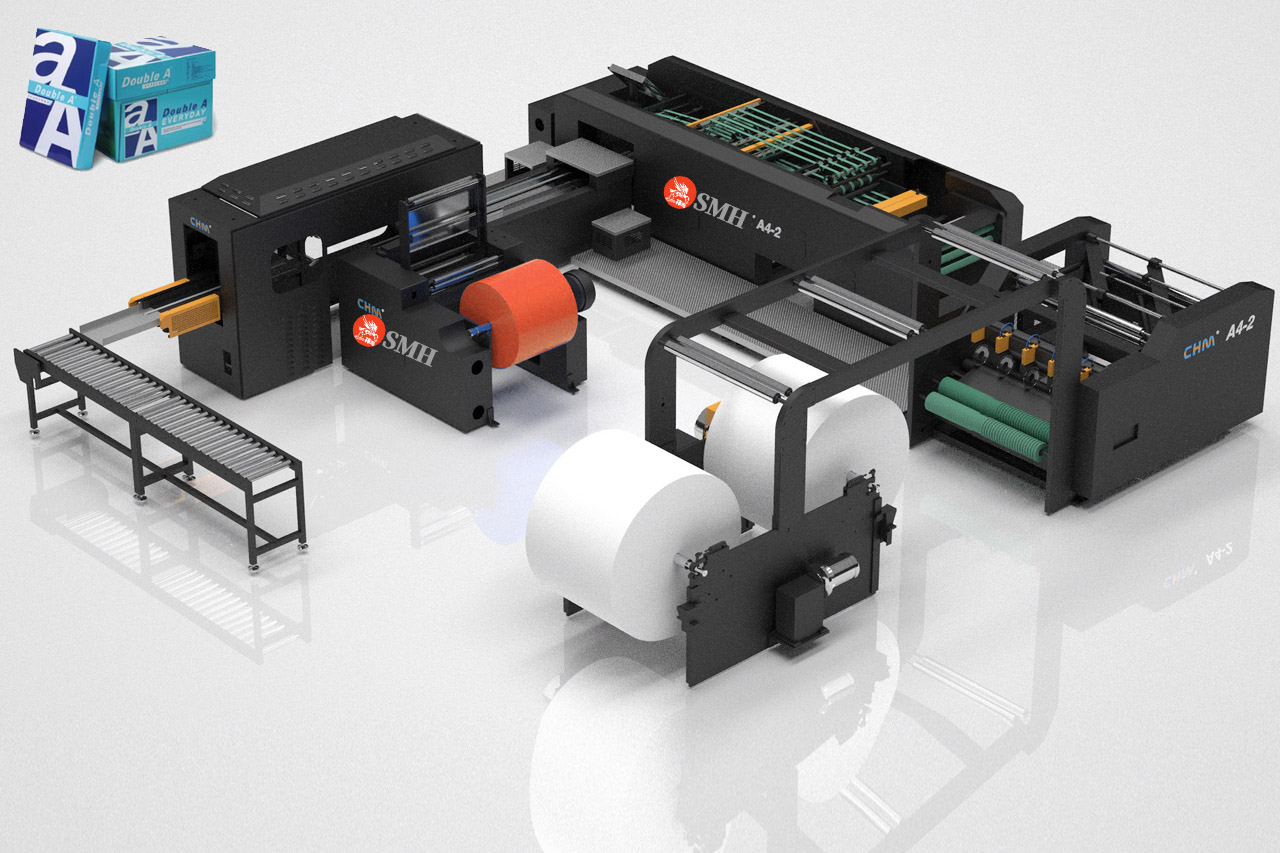
Why More Companies Are Moving to Converting
The shift is clear: trading is moving closer to processing.
Instead of only reselling, companies start to:
- convert jumbo rolls into sheets
- produce A4 and cut-size products
- offer customized formats
This changes where value is created.
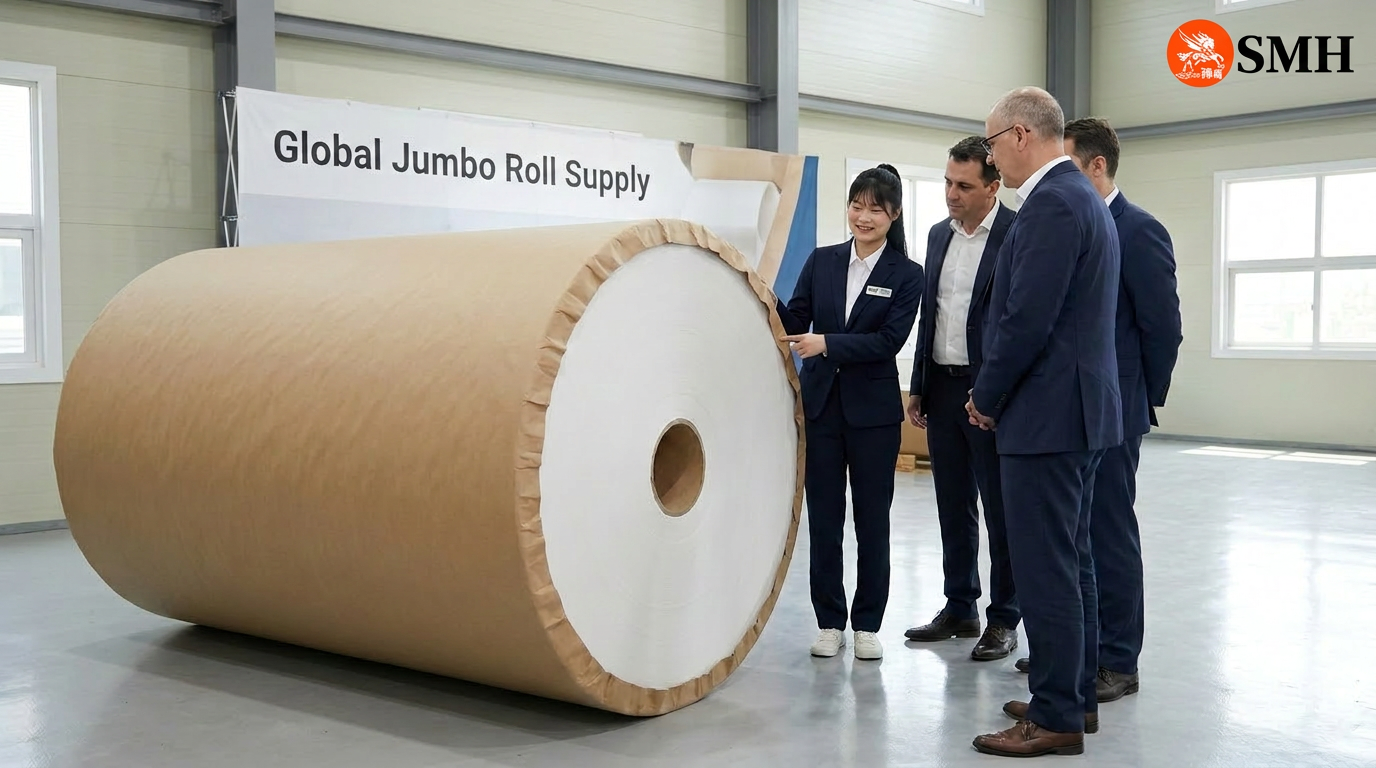
What Converting Improves
Adding processing capability helps in practical ways:
- better margin control
- faster stock turnover
- stronger customer retention
- more predictable production
Instead of reacting to price, you control output.
What It Looks Like in Practice
Most transitions start small:
- adding a sheeter
- introducing slitting
- improving packing
With the right setup, companies reduce manual work, improve consistency, and get more usable output from each roll.
Over time, the business shifts from trading to production-driven.
Conclusion
Declining profit in paper trading is not accidental.
It comes from transparency, rising costs, and changing demand.
Staying in pure trading means competing on price.
Moving into converting creates a different position—based on control, efficiency, and added value.
CTA
If you’re considering the move from trading to processing, SMH can help you plan a practical upgrade.
Get a tailored converting solution
Contact SMH to improve margins and production efficiency