
Automation has become a major driving force in the paper converting industry. High-speed A4 paper production requires accurate synchronization between multiple machine sections.
PLC closed-loop control systems help modern production lines achieve stable performance, consistent quality, and reduced downtime.
What Is PLC Closed-Loop Control?
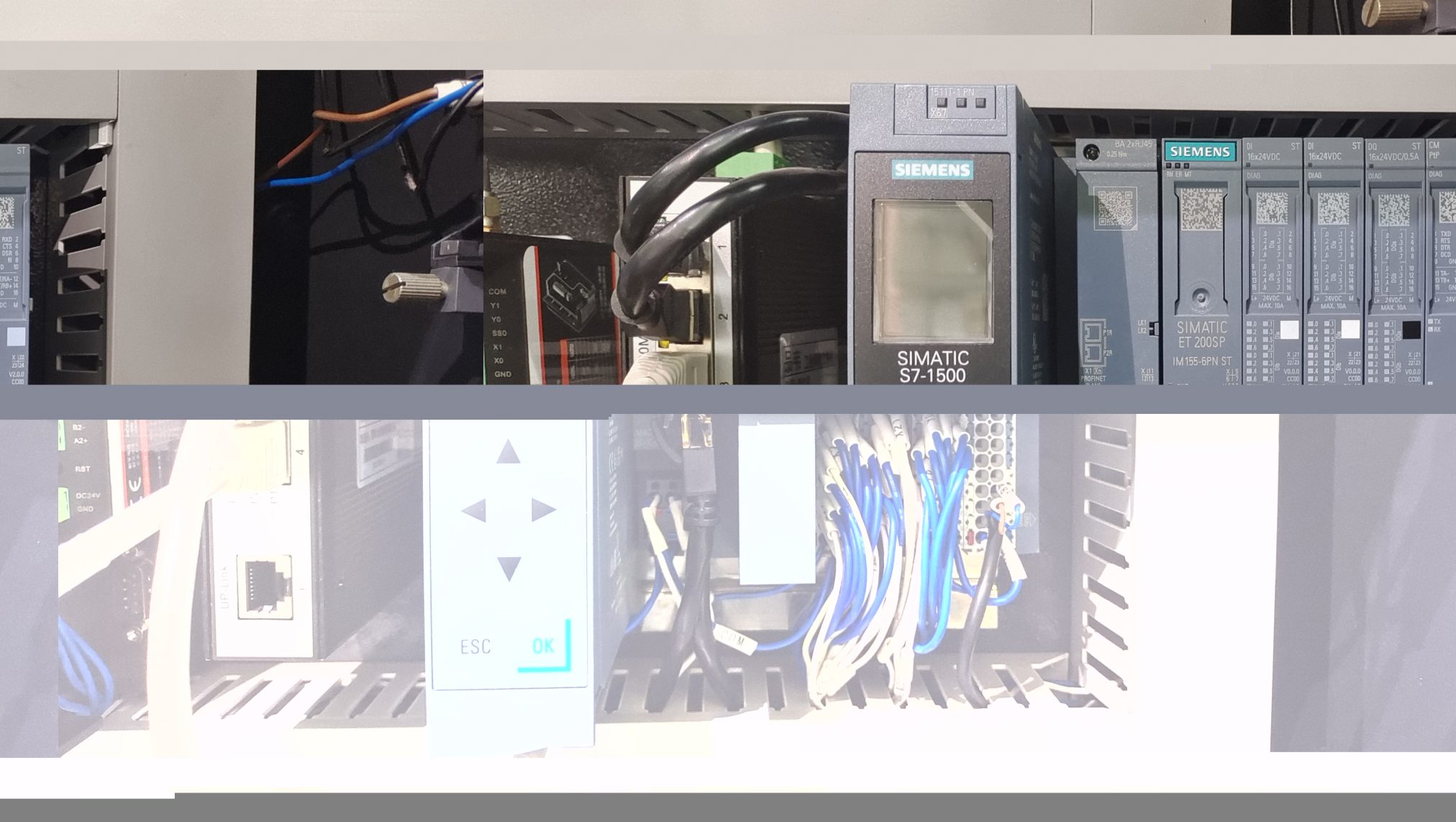
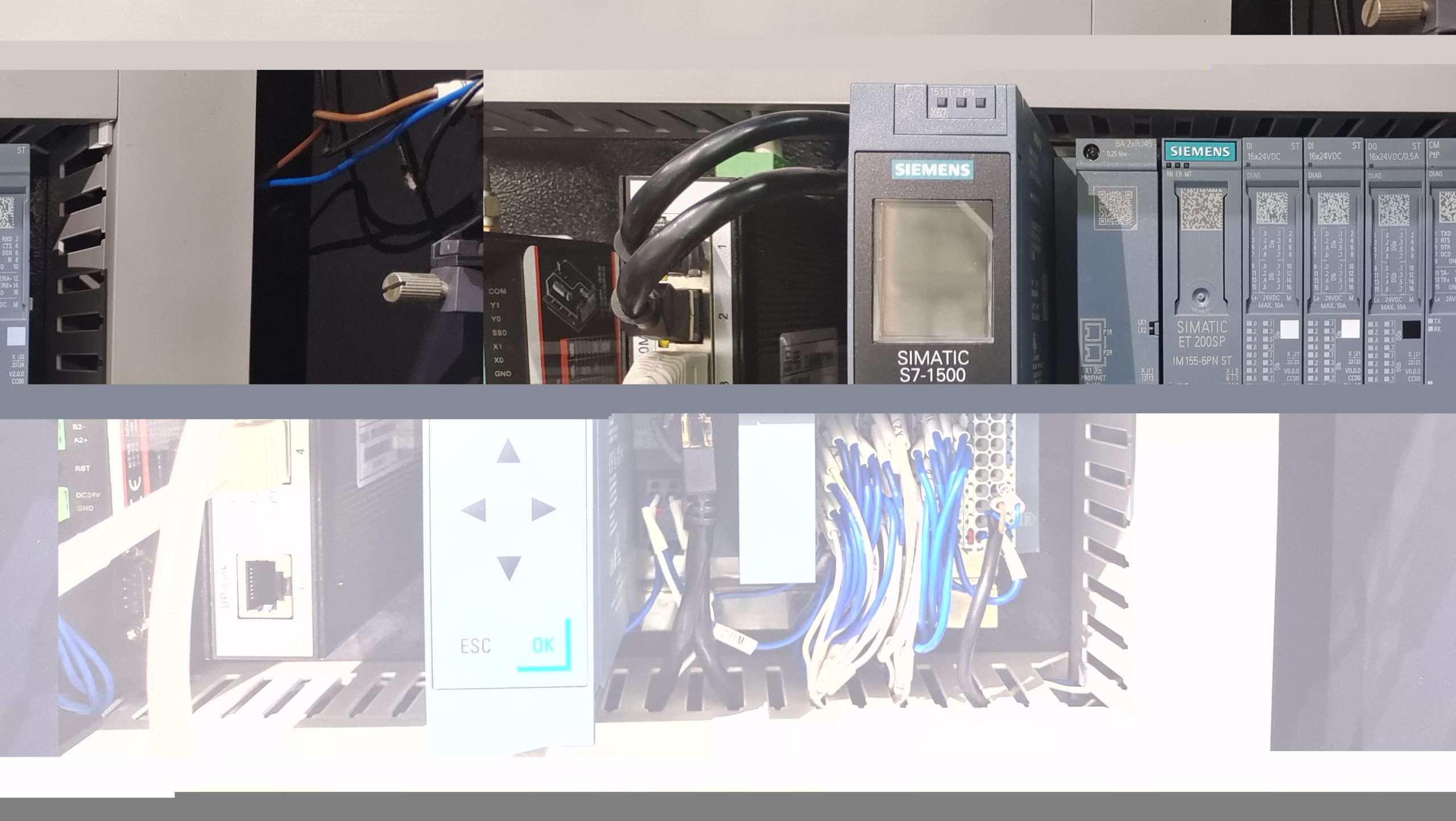
A PLC closed-loop system continuously monitors machine operation through sensors and feedback devices.
The system automatically adjusts:
- Motor speed
- Web tension
- Knife synchronization
- Feeding accuracy
- Conveyor timing
This ensures that all machine sections remain synchronized during operation.
Why Closed-Loop Control Matters
Without accurate synchronization, production lines may experience:
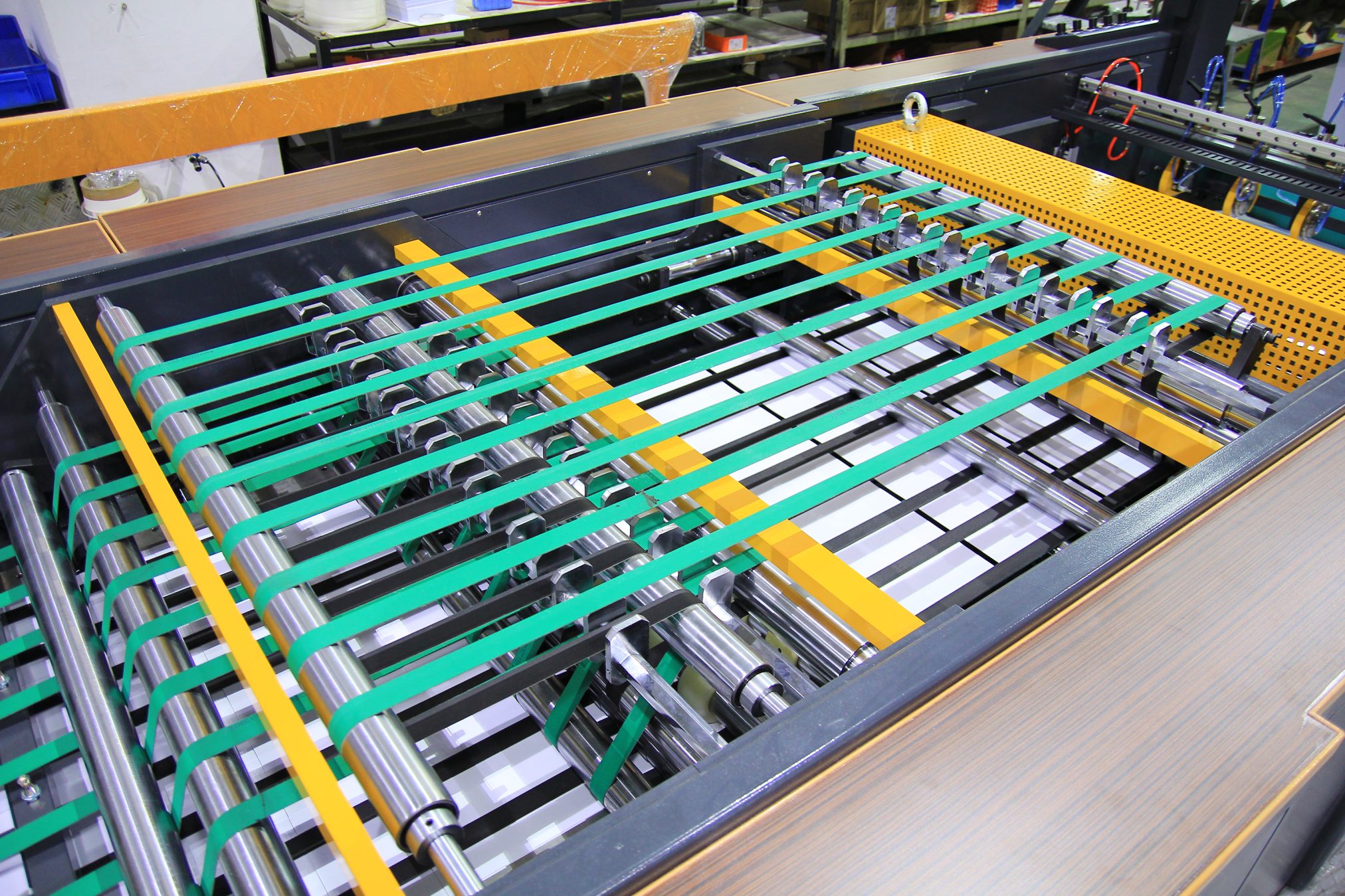
- Length instability
- Misaligned stacking
- Cutting errors
- Paper wrinkles
- Production stoppages
Closed-loop control minimizes these problems.
Key Areas Controlled by PLC Systems
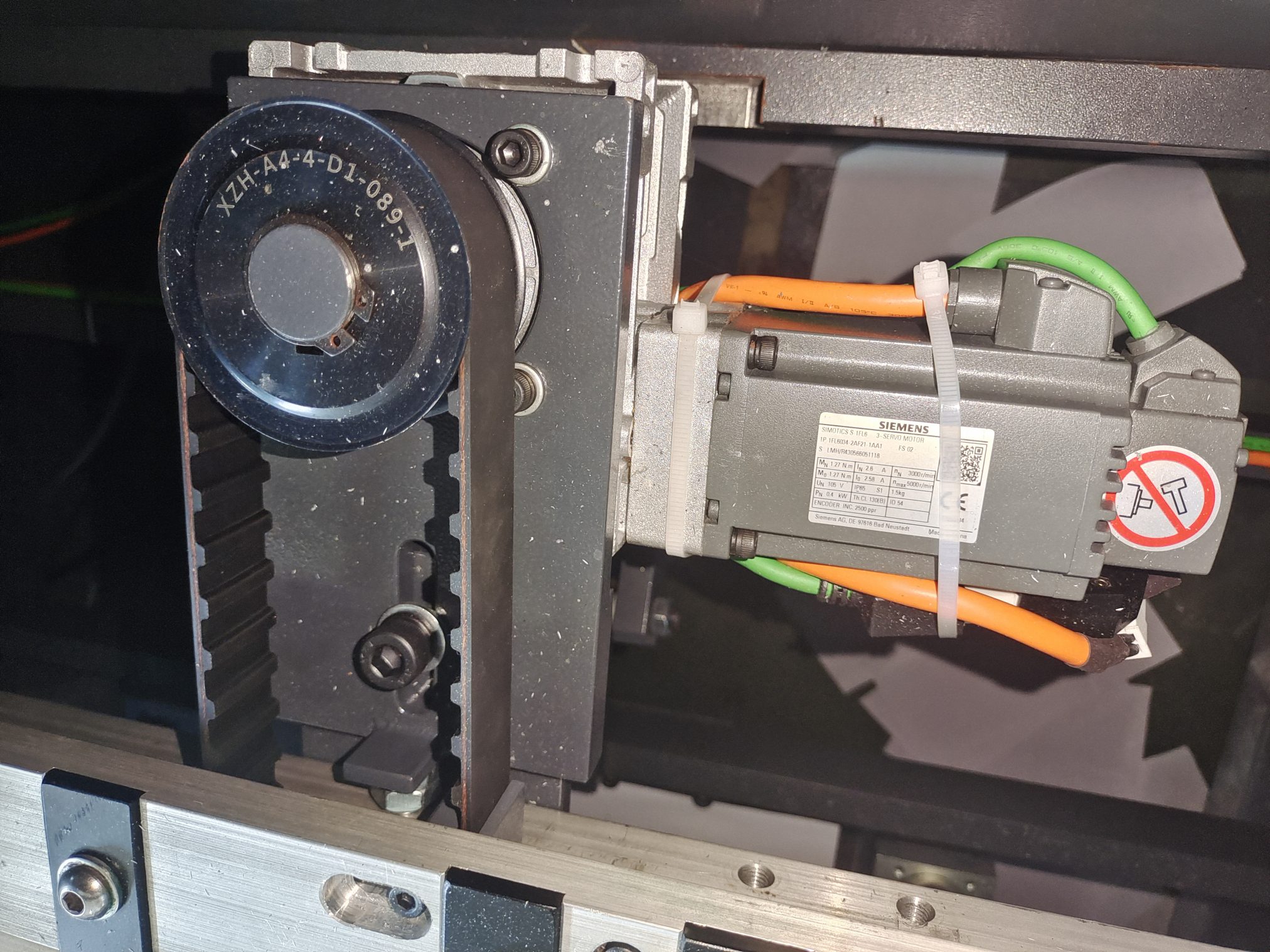
1. Paper Tension
Stable tension prevents web drifting and uneven cutting.
2. Knife Shaft Synchronization
The PLC maintains synchronization between upper and lower rotary knife shafts.
3. Feeding Speed
The system adjusts feeding speed according to cutting and packaging requirements.
4. Packaging Coordination
The packaging machine and carton packing machine remain synchronized with the sheeter.
Benefits for Manufacturers
Advanced PLC control systems provide:
- Better cutting precision
- Higher machine stability
- Faster production speed
- Lower waste rates
- Reduced operator dependency
For large-scale copy paper factories, these benefits improve overall production efficiency.
Conclusion
PLC closed-loop control technology has become essential for modern A4 paper production lines. By maintaining synchronization across the entire production process, manufacturers can achieve higher productivity, better quality, and more reliable operation.