

Have you ever wondered how the paper you use every day is made? What’s the difference between various types of paper? This article will take you through the ins and outs of paper.
1. What Paper Is Made Of: Fibers and Additives Working Together
Main raw materials (plant fibers):
- Wood, reeds, bamboo
- Sugarcane bagasse, rice straw, wheat straw
- Tree bark, cotton, hemp, etc.
Additives:
- Fillers (e.g., clay, talc): fill gaps between fibers
- Sizing agents: improve strength and smoothness
- Dyes: for tinting or coloring – even white paper needs treatment
2. Specialty Papers: Types and Structure of Gold/Silver Cardboard
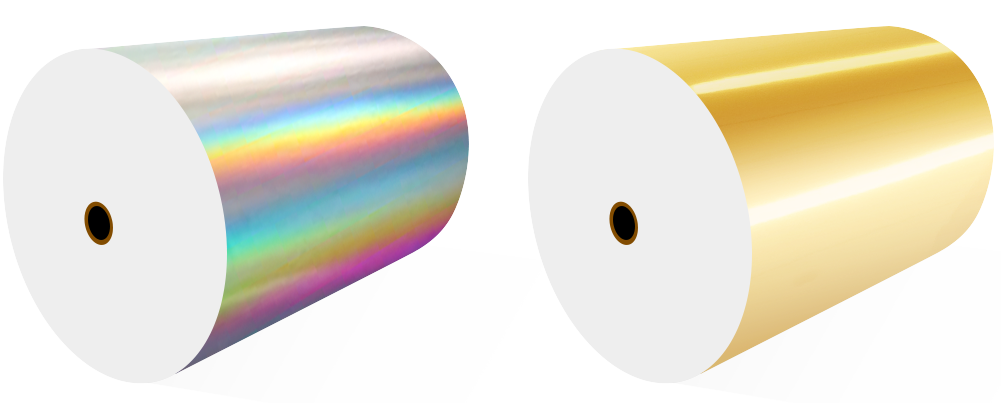
| Type | Composition |
|---|---|
| Aluminum foil based | Aluminum + backing paper + varnish + print |
| PET based | Film + backing paper + varnish + print |
| Holographic | Film + aluminum + embossing + backing paper + varnish + print |
Note: Gold card is made by dyeing silver card (coated with red or yellow pigment), so its adhesion is generally weaker than that of silver card.
3. Paper Quality Evaluation Criteria
Visual quality
- Uniformity: even distribution of fibers and thickness
- Cleanliness: surface free from dirt and spots
- Flatness: smooth and even
Physical properties
- Squareness, caliper, density
- Opacity, dirt count
- Tensile strength, folding endurance, tear resistance
4. Paper Sizes Explained
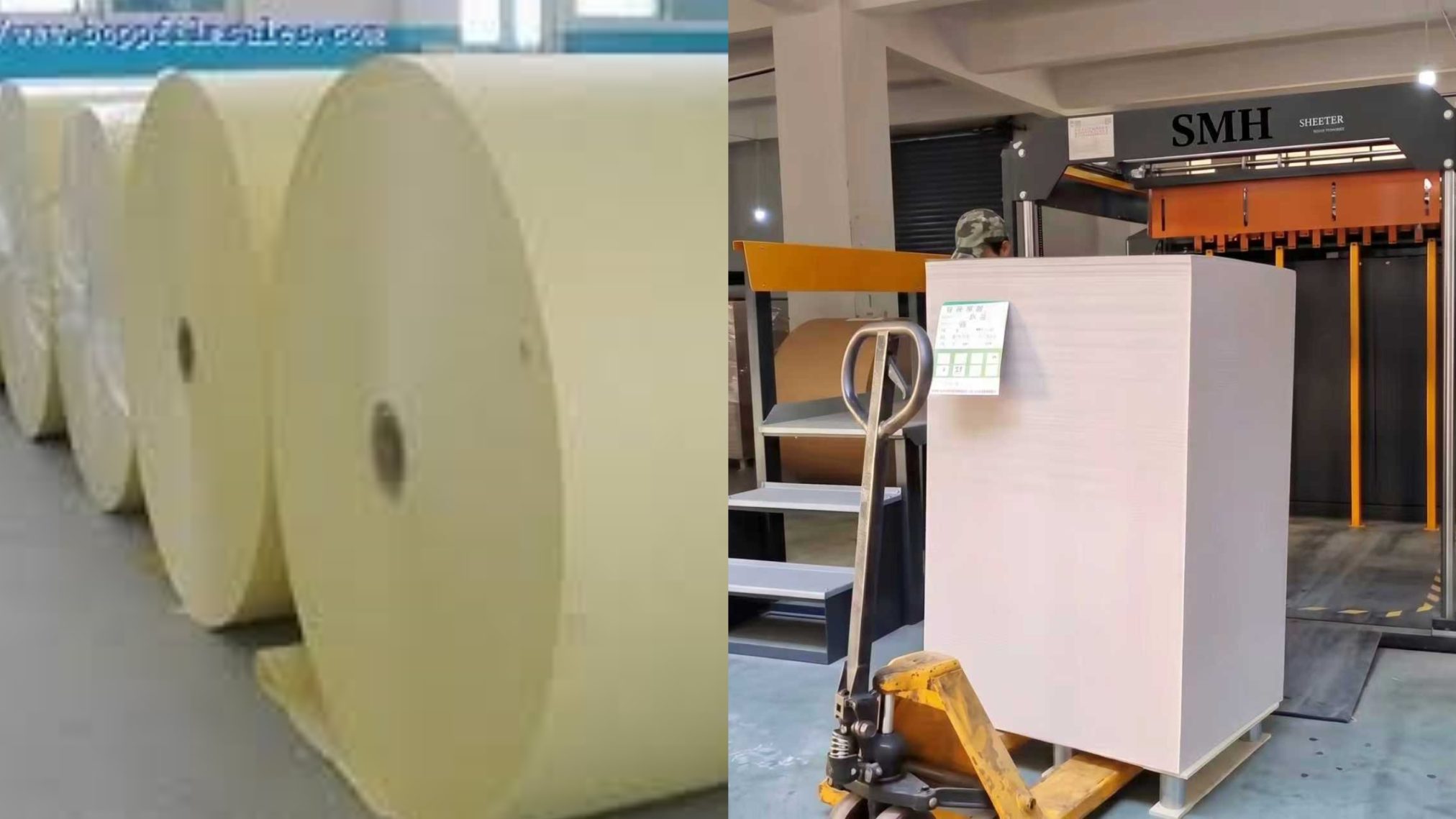
Packaging formats
- Sheet-fed: pre-cut by the mill, good flatness
- Roll: wound on a core
Common sizes
| Type | Dimensions (mm) | Inches |
|---|---|---|
| Large format | 889 × 1194 | 35″ × 47″ |
| Standard format | 787 × 1092 | 31″ × 43″ |
| Special format | Any size other than above | e.g., 25″ × 38″ |
5. Thickness vs. Grammage Reference Tables
Note: 1 “si” (Chinese unit) = 0.01 mm. Values vary by manufacturer and process; for reference only.
Coated paper (art paper)
| Grammage | Thickness (si) |
|---|---|
| 80 gsm | 5–6 |
| 105 gsm | 7–8 |
| 128 gsm | 10–11 |
| 157 gsm | 12–13 |
| 200 gsm | 16–17 |
| 230 gsm | 19 |
| 250 gsm | 22 |
Coated board
| Grammage | Thickness (si) |
|---|---|
| 230 gsm | 22–26 |
| 250 gsm | 26–27 |
| 300 gsm | 30–31 |
| 350 gsm | 35–37 |
Matte coated paper is about 2 si thicker than gloss coated paper of the same weight.
White card (solid bleached board)
| Grammage | Thickness (si) |
|---|---|
| 230 gsm | 29–30 |
| 250 gsm | 35 |
| 300 gsm | 40 |
| 350 gsm | 47–48 |
| 400 gsm | 52 |
White-backed white board / gray board
| Grammage | Thickness (si) |
|---|---|
| 250 gsm white back | 28 |
| 450 gsm white back | 57 |
| 250 gsm gray back | 28 |
| 300 gsm gray back | 36 |
| 350 gsm gray back | 42 |
| 400 gsm gray back | 49 |
| 450 gsm gray back | 57 |
Woodfree offset paper
| Grammage | Thickness (si) |
|---|---|
| 70 gsm | 8 |
| 80 gsm | 9 |
| 100 gsm | 11 |
| 120 gsm | 13 |
| 140 gsm | 16 |
Kraft paper
| Grammage | Thickness (si) | Notes |
|---|---|---|
| 80 gsm | 11 | |
| 120 gsm | 14 | |
| 150 gsm | 16–18 | 18 typical, 16 special |
| 200 gsm | 22 | |
| 300 gsm | 44 |
6. Practical Conversions and Selection Tips
How to choose:
- Brochures: 157–250 gsm coated paper
- Business cards: 300–350 gsm coated board or white card – specialty paper for a premium feel
- Book interiors: 70–120 gsm woodfree offset paper
- Packaging boxes: 250–400 gsm gray board or white card
- Envelopes/file folders: 80–150 gsm kraft paper
Thickness reference (everyday items):
- Standard A4 printer paper: about 8–9 si
- Typical business card: 30–35 si
- Hardcover book cover: 40–50 si
- High-end gift box: over 50 si
With this guide, you now have a solid understanding of paper raw materials, types, specifications, and quality standards. Whether for daily use or professional selection, this knowledge will help you make better decisions.