
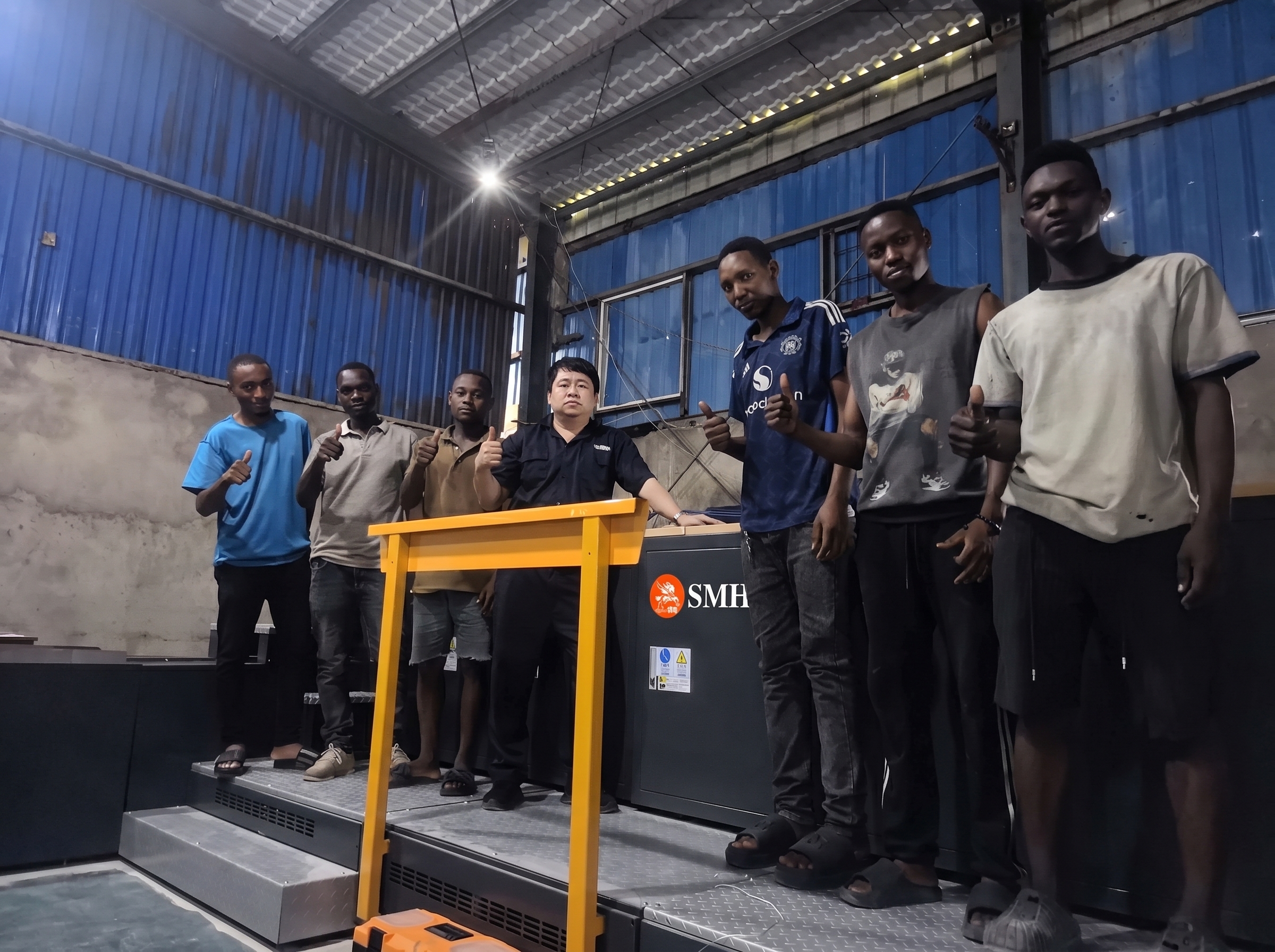

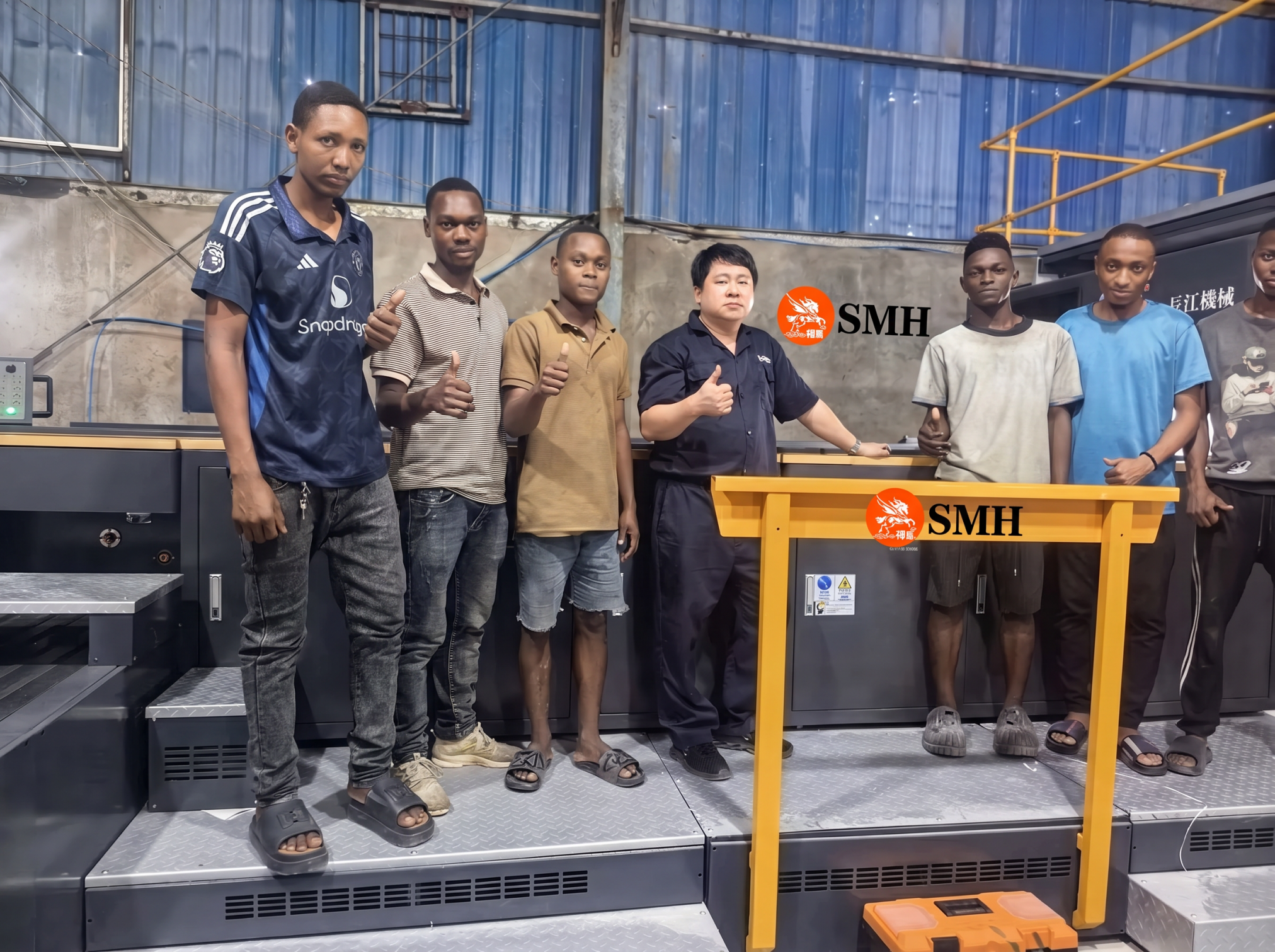
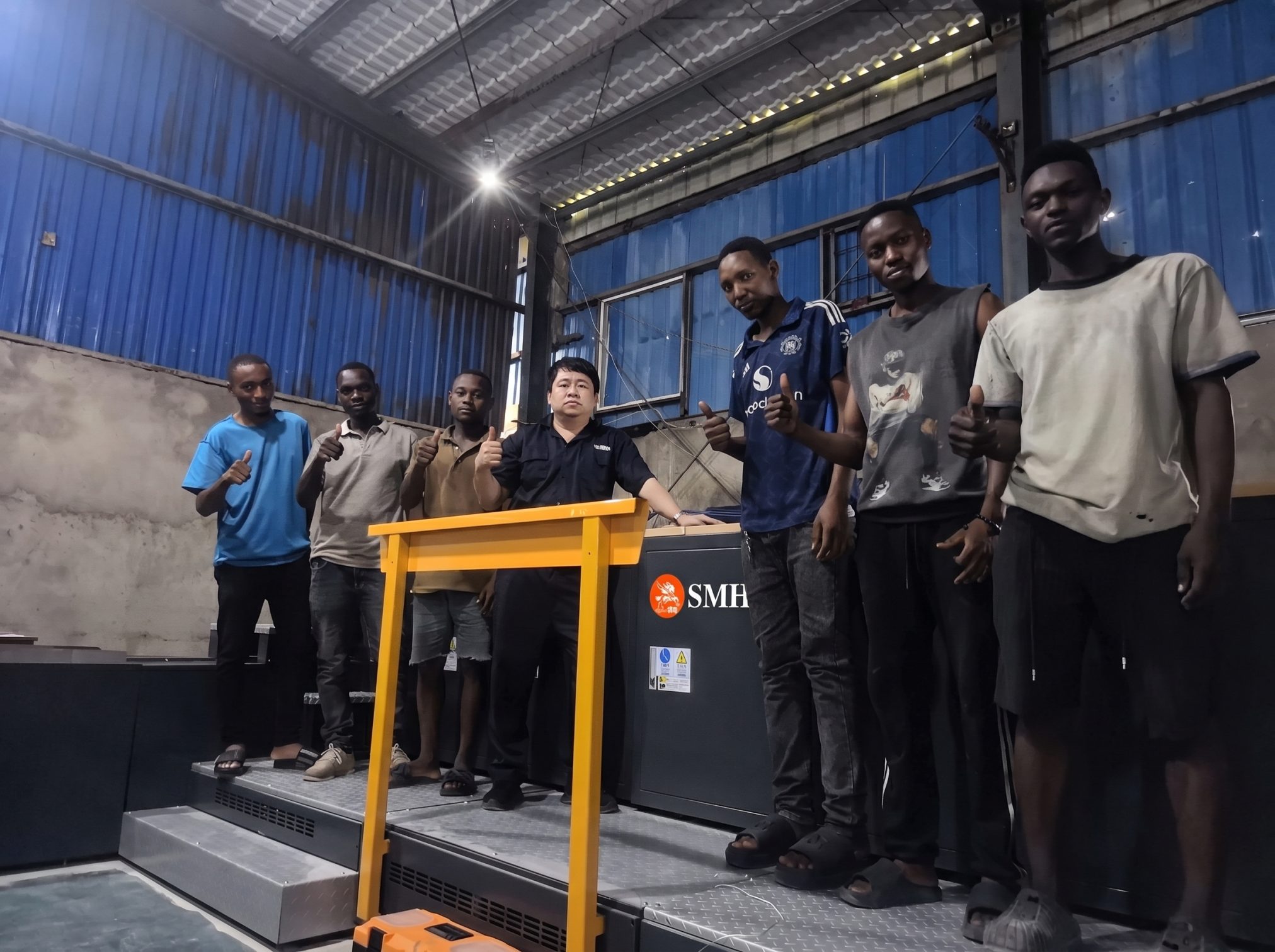
A new A4 paper production line featuring the SMH A4-5 sheeter and A4B packing machine has recently been installed and commissioned in Tanzania. The project marks a practical step for the local converter, moving from basic supply toward integrated, in-house processing.
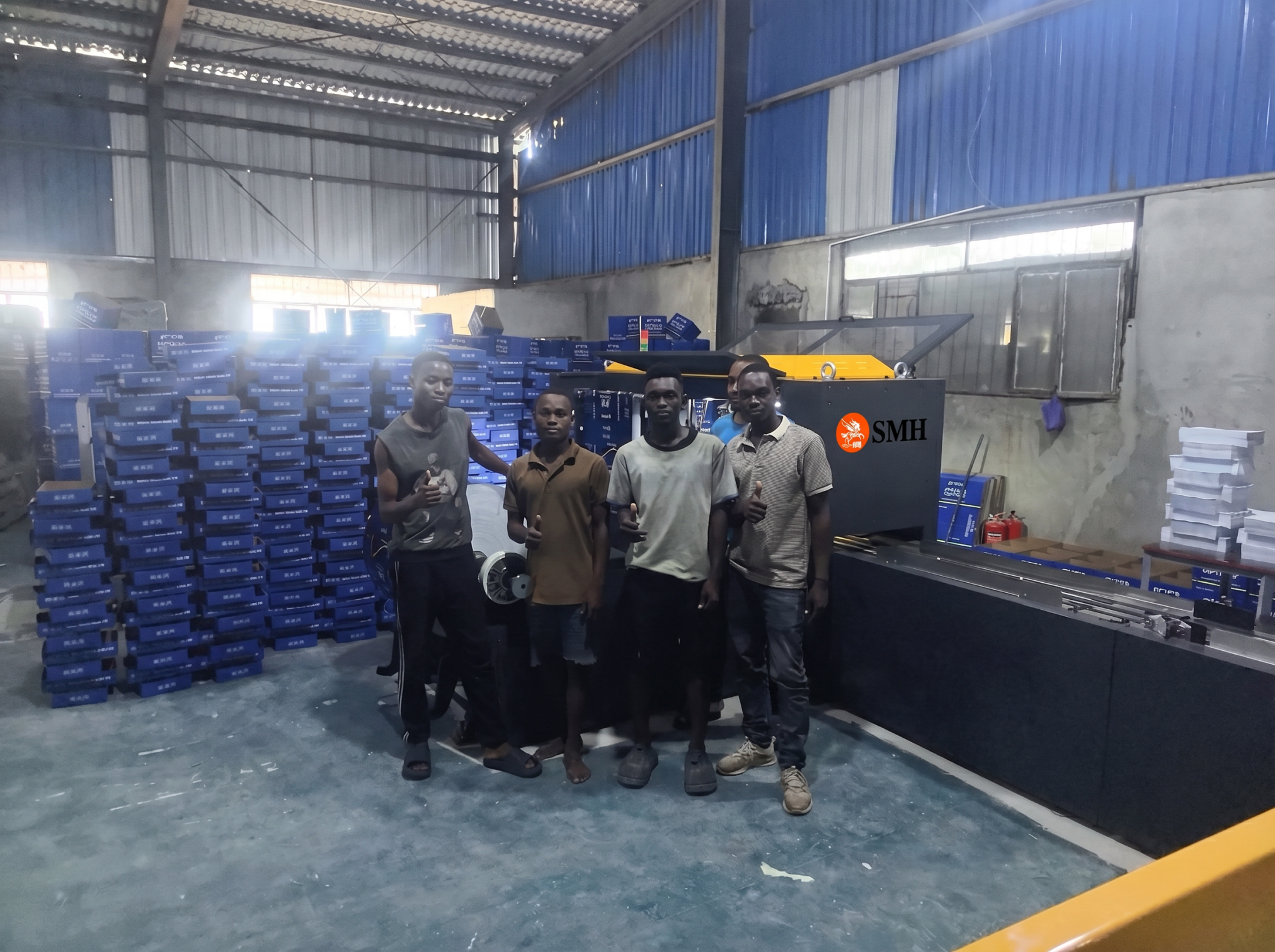
From Manual to Continuous Production
Before the upgrade, the factory relied heavily on semi-manual operations. Cutting speed was limited, packing consistency varied, and output depended on labor coordination.
Now, with the A4-5 and A4B running, the workflow is stable and continuous. Jumbo rolls convert directly into A4 sheets, then automatically counted and packed. Output stays consistent across shifts, with less manual intervention and better predictability.
Why A4-5 Was Selected
The factory chose the A4-5 to meet rising demand and support future growth. Its wider web handling and higher cutting capacity allow more paper processed in the same time.
Key benefits in daily operation:
- Stable cutting accuracy at continuous speed
- Consistent sheet size across large volumes
- Less material waste from better control
For a market where both volume and reliability matter, these give a clear edge.
Packing Stability with A4B
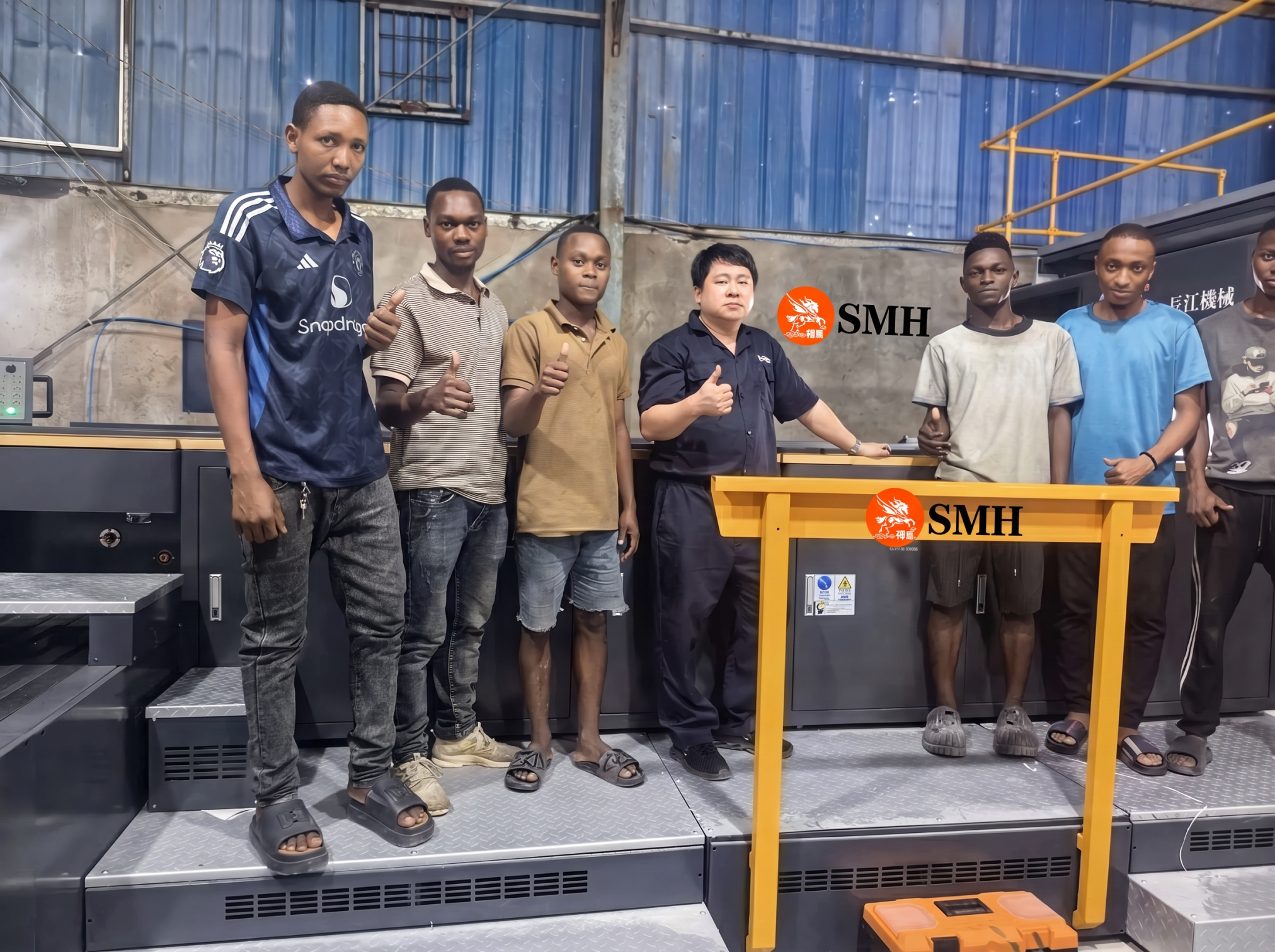
The A4B packing machine solves a common bottleneck: end-of-line handling. Instead of manual counting and wrapping, the system delivers uniform ream packaging, stable sealing, and synchronized output with the sheeter. Finished products are ready for shipment without rework or delay.
Adapted to Local Conditions
The Tanzania installation was configured with three practical considerations:
- Compatibility with local paper grades
- Stable performance under variable power conditions
- Simplified operation for local teams
SMH engineers supported installation and operator training, so the line ran reliably from the start.
Operational Impact
Since commissioning, the factory reports:
- Higher daily output with fewer interruptions
- More consistent product quality
- Reduced dependence on manual labor
- Better ability to handle bulk and repeat orders
The business no longer limits itself to trading or basic processing – it now controls a larger part of the value chain.
Conclusion
The A4-5 and A4B installation in Tanzania reflects a broader shift: moving from manual, fragmented operations to integrated, automated production. By stabilizing both cutting and packing, the line provides not only higher capacity but also the consistency needed to compete in a growing market.
Need to upgrade your A4 line?
If you’re planning to move toward in-house A4 converting, SMH can help design a solution based on your actual production conditions.
Contact SMH to evaluate your line setup and improve output stability.